A conversation with producer and actress Natalie Lauren about school-related distress, parental advocacy, and the importance of meaningful support.
Fifteen minutes. That was all it took for Unauthorised Absence to reach back into a lifetime of experience and hit me in the core. I had just watched the short film when I sat down with producer and actress Natalie Lauren, still processing the emotional intensity of what I had witnessed. With my background in mental health counseling and therapeutic arts, along with my experience as a parent, I connected deeply with Anna, a mother navigating the complexities of obtaining meaningful support for her daughter, Thea. The film brings us into their world, allowing us to experience the emotional and sensory challenges they encounter while exploring the relationship between families, educators, and the institutions entrusted with supporting them.

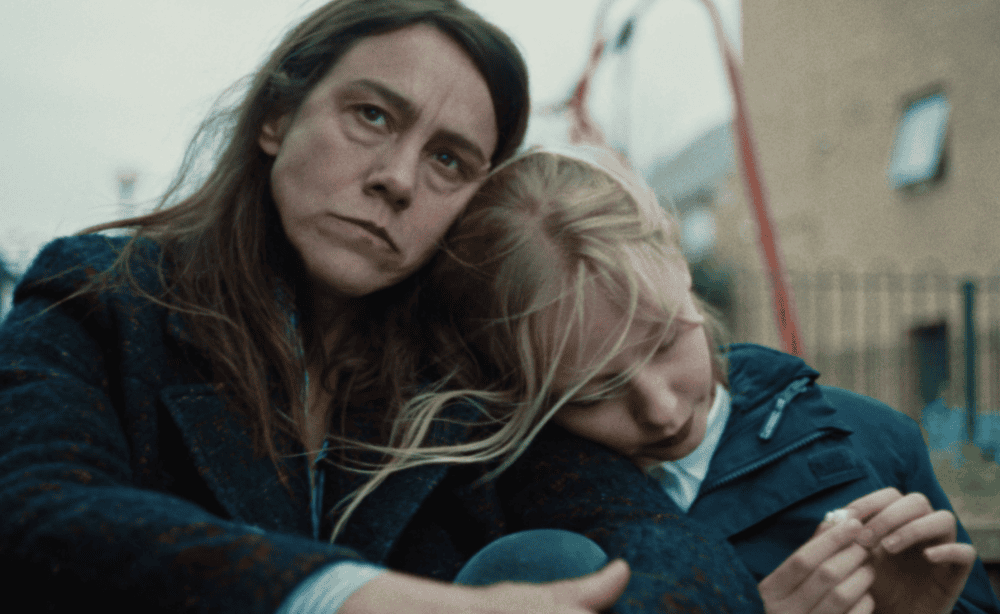
Lauren, who also portrays Thea’s teacher, explained that the filmmakers wanted audiences to experience the story through Anna’s perspective. Every creative decision, from framing and color to sound and musical score, was designed to bring viewers closer to the mother’s emotional experience. In a scene on a public street, Anna and Thea become overwhelmed, and I found myself wondering whether I was experiencing the nervous system of the mother, the child, or my own response to what was unfolding. Lauren spoke about the responsibility parents carry in helping their children regulate emotions while also managing tremendous pressures of their own and how that was depicted when creating the film.
We see moments of joy and connection between Anna and Thea alongside severe distress, aggression, and self-injury during the struggle to prepare for school. I asked Lauren how important it was to show the effect on the entire home and family relationship. She described that as integral to the film: a child struggling to attend school can mean a parent unable to work that day, while the family faces attendance requirements, financial penalties, and even the threat of prosecution. The pressure reaches far beyond the classroom.
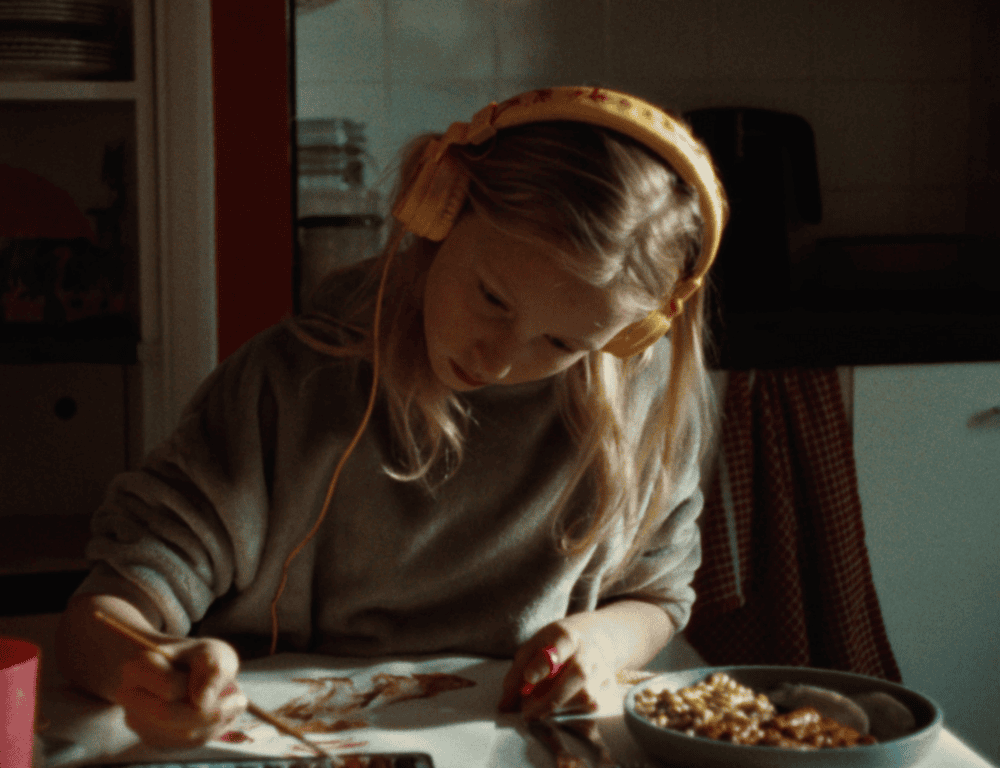
I was desperately wanting the mother to have a win. When Anna finally managed to get Thea to school, I felt a sense of hope. Thea had her hood pulled over her head, creating her own bubble which protected herself from the sensory overload of entering the school. But, when the teacher reached over and yanked the hood down, crossing some safety that Thea had created for herself,  I found myself waiting for her meltdown, wondering if this would undo everything her mother had worked so hard to accomplish that morning. Thankfully, the scene didn’t take us in that direction, and we watch as her teacher calmly welcomes her into the classroom.
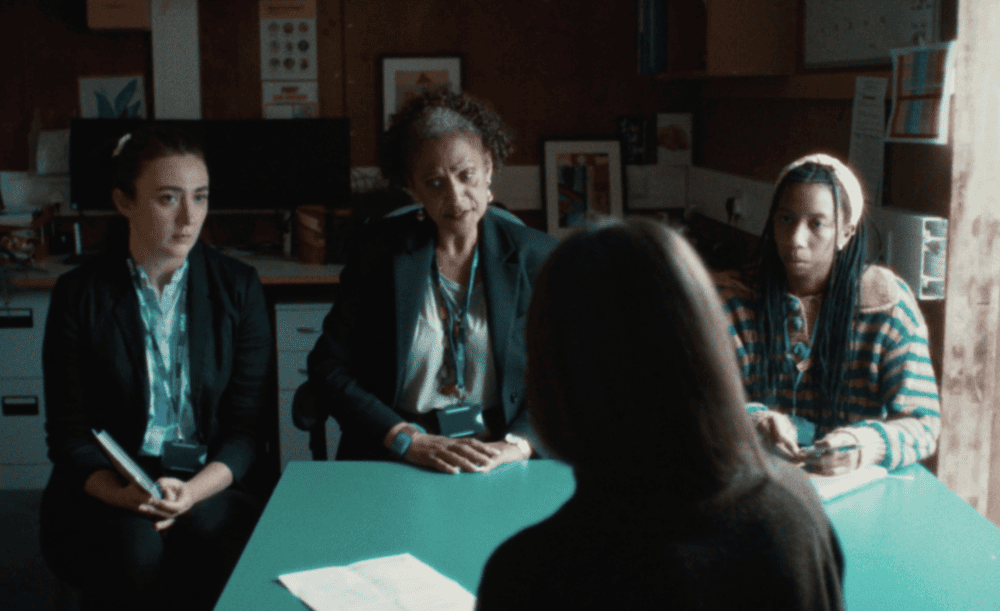
Yet once Anna leaves her daughter, she has little knowledge of what actually happens inside. The educators describe Thea as a bright, sweet child who has friends and appears to manage the school day, creating a striking contrast with the distress her mother experiences at home. Rather than exploring that difference, their responses leave Anna questioning her own life and the family dynamics. But the missing piece remains, the mother’s concerns are an essential part of understanding her daughter’s needs, and the film illustrates what happens when those observations are repeatedly dismissed.
 In opposition to a school assigned parenting course, we find out that Thea is awaiting an autism assessment. During this frantic conversation between Anna and the teacher we are brought into the narrative that Thea does not exhibit signs of autism. Without regard to understanding that autism presents differently with every child and further how research has shown evidence of increased camouflaging in females due to social expectations. A child seen in one classroom, clinic, or assessment may present very differently elsewhere. That is why listening to the people who know the child across settings matter.

Another moment that resonated with me involved the support Thea was receiving through the school’s special educational needs coordinator. Anna describes the sessions as helpful, only to learn that declining attendance threatens continued access to them. We spoke of how a service intended to help a child attend school could be withdrawn at precisely the time additional support was needed. Lauren explained that this detail was suggested during development by executive producer Anna Maxwell Martin and was grounded in real experiences. Further expounding how the script draws on the testimonies of hundreds of people, rather than one family’s story alone.
Knowingly parents’ involvement in assessment and support does not end when a child is nine years old and I hope the momentum of this film shows how obtaining help as early as possible raise the stakes for the possibility of success. Families have observed their children’s growth, changes, and challenges over years, and that knowledge belongs in the conversation with clinicians and educators. Lauren agreed that parents are experts on their own children and that their perspectives deserve meaningful weight. On that merit, I would love to see support become proactive rather than waiting for families to reach a crisis before their concerns are heard.
Although Unauthorised Absence is set in England, Lauren described hearing from people in countries ranging from Tanzania and Iceland to New Zealand, Australia, Canada, and the United States. She said the trailer received approximately three million views in two days, prompting messages from parents who recognized their own experiences. Researchers, educators, clinicians, and legal professionals have also responded. One person even brought the trailer into a meeting with a school attendance officer, helping shift the conversation from blame toward understanding and support.
Lauren shared that the film’s writer, Jo, had described years of feeling as though she were screaming into a void while trying to communicate what families were experiencing. Making the film became another way to help people understand and motivate change. That is one of the remarkable possibilities of storytelling: it brings people into an experience that an attendance record or institutional report cannot fully convey.
Near the end of our conversation, we explored the title itself. In England, an unauthorised absence is an attendance classification. Lauren explained that the film offers the human experience behind that bureaucratic category. I also heard another meaning in the title: the absence of meaningful support and of opportunities to listen to families when they ask for help. I came away hoping this story continues to reach educators, clinicians, families, and policymakers, encouraging them to recognize each child as an individual and to make room for the voices of those who know them best.