Sandra Grace’s feature debut celebrates sapphic romance, chosen family and the wonderfully messy possibility of falling in love
Palm Springs, CA (The Hollywood Times) 9/19/26 – Queer cinema has certainly earned the right to tell stories about struggle, loss and survival. But sometimes we deserve to fall in love, laugh our heads off and surround ourselves with people who become family.
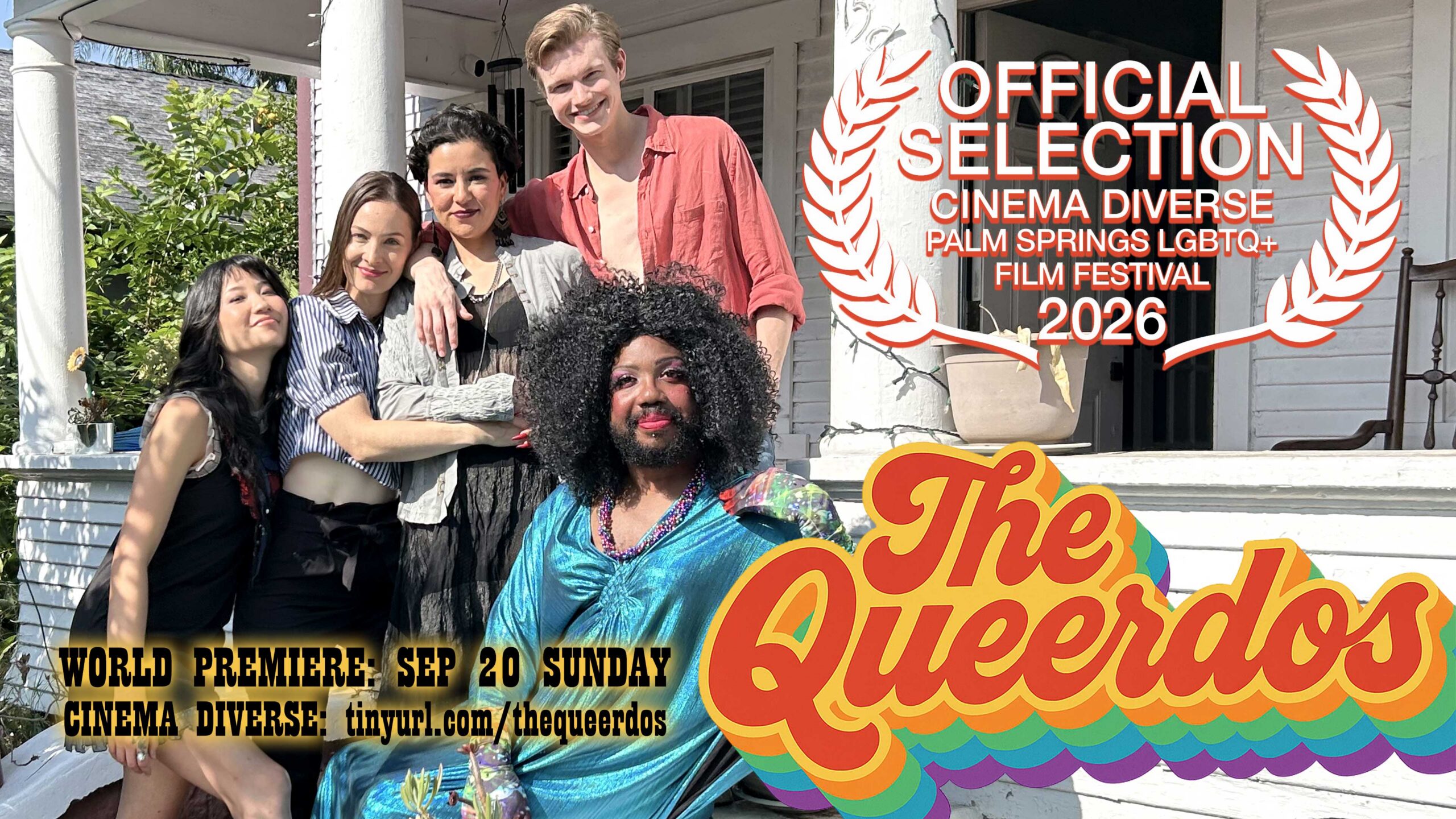
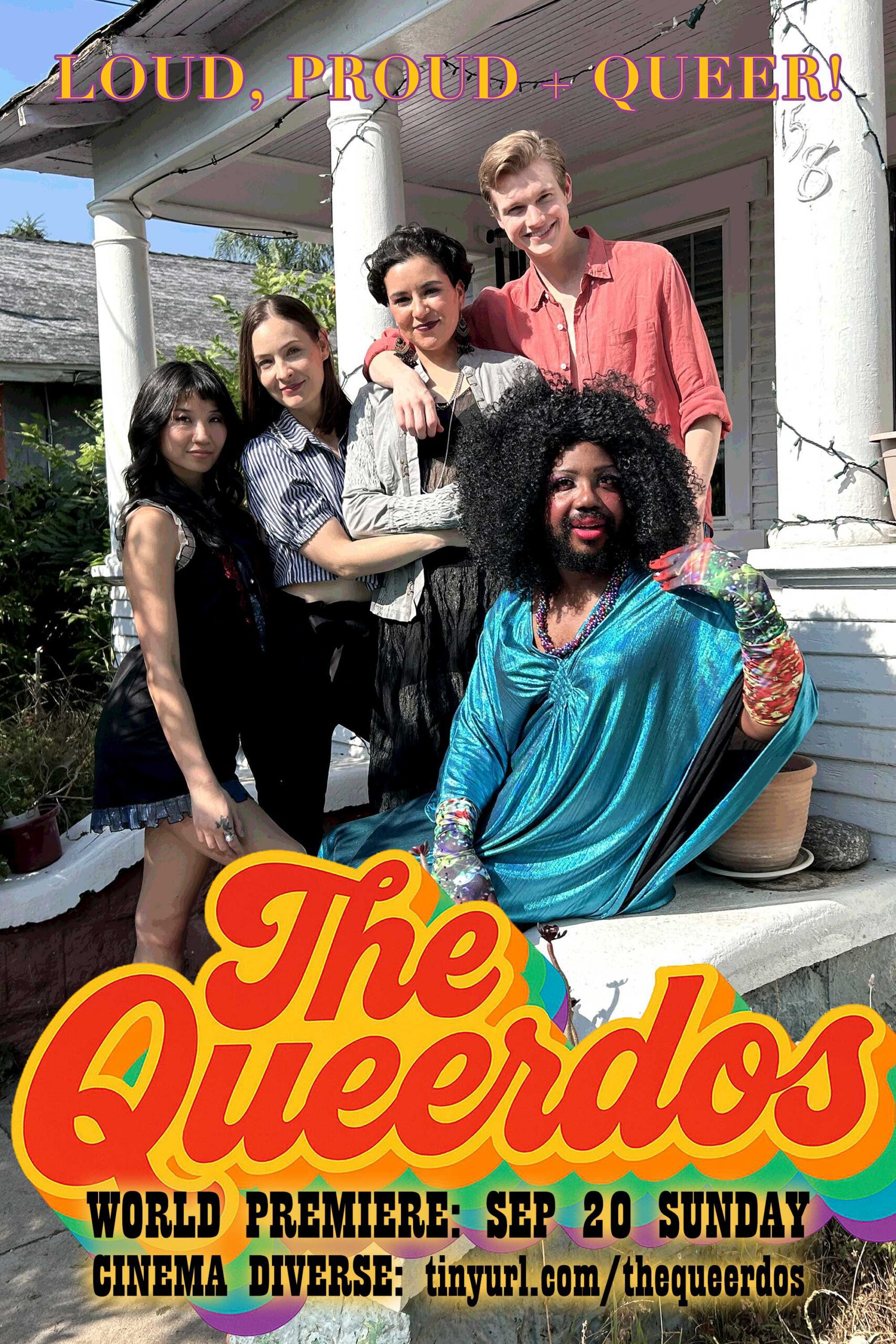
That is the wonderfully simple, and refreshing, heart of The Queerdos, the new sapphic romantic comedy from writer, creator, executive producer and composer Sandra Grace, making its world premiere at Cinema Diverse: The Palm Springs LGBTQ+ Film Festival on Sunday, September 20 at 2:30 p.m.
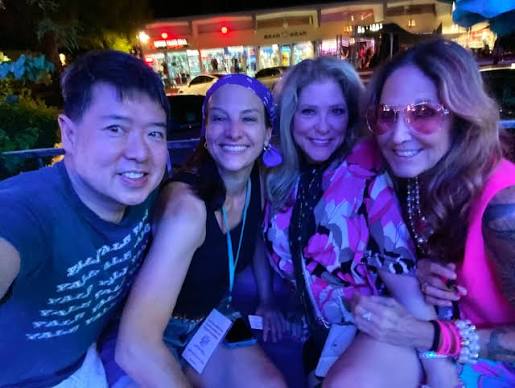
I met Sandra the night before our interview at Hunters Palm Springs during a Cinema Diverse gathering, and after watching The Queerdos, I wanted to know more about the woman who created this funny, affectionate and proudly queer world.
Grace came to our Zoom interview wearing quite a few hats.
“I am the writer, creator, executive producer of the film The Queerdos,” she told me. “I did the original music for the film as well. I even got to play a few comedic bit parts.”
But The Queerdos began under considerably less cheerful circumstances.
Grace conceived the project during COVID, when isolation gave many artists unexpected time to think about what they wanted to create, and perhaps more importantly, what they wanted to feel.
“I wanted to create with the intention of giving a gift of love and laughter to the world from an authentic queer and sapphic perspective,” Grace said.
CLICK BELOW FOR OUR EXCLUSIVE INTERVIEW:
That intention is important because The Queerdos doesn’t build its identity around suffering. It wants queer characters to have something they’re still not always allowed to have onscreen without qualification:
Joy.
Originally conceived as a television pilot, Grace eventually transformed the story into a feature film.
The decision was partly creative and partly practical. Making a feature gave Grace and her team an opportunity to actually get the story made rather than spending years asking permission from the traditional industry establishment.
As she explained, turning it into a feature meant “we could actually get it done and put it out there without having gatekeepers we had to pitch to.”
And thank goodness they did.
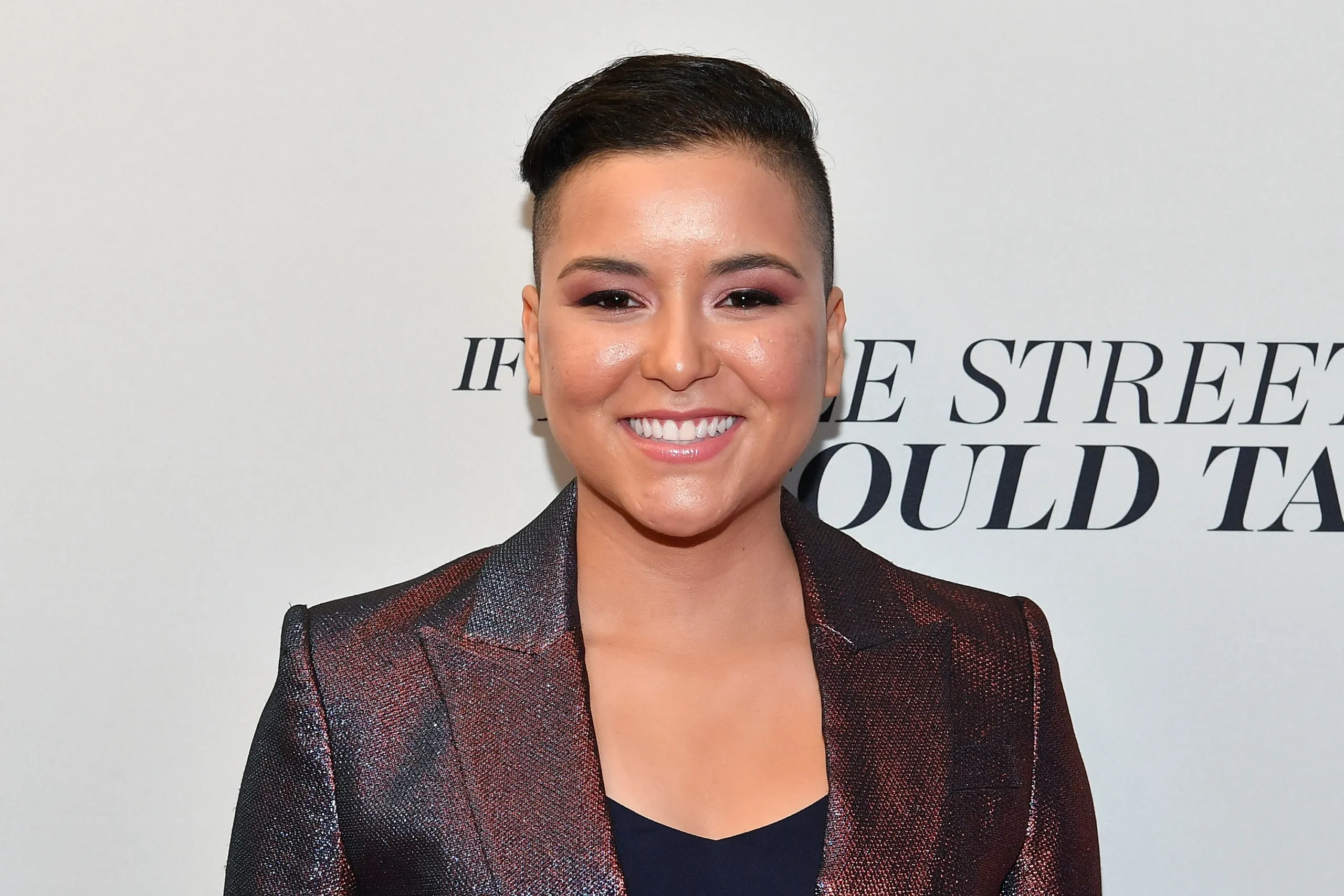
(Photo: Dia Dipasupil/Getty Images)
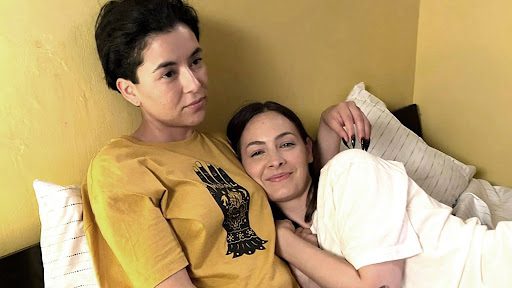
At the center of The Queerdos are Ava, played by Emily Rios, and Courtney, played by Savannah Schoenecker.
Ava is the film’s “hot goth chick” working in a convenience store.
Courtney is a former child star whose life has moved considerably beyond the glamorous days of her youth. She’s now a down-on-her-luck delivery driver who happens to walk into Ava’s orbit.
But theirs isn’t simply a standard meet-cute between two strangers.
Ava was a childhood fan of Courtney.
So when Courtney suddenly appears in front of her, there’s already something simmering beneath the surface, part recognition, part attraction and part something neither woman can immediately explain.
Grace describes the connection beautifully: sometimes the body understands something before the brain has had time to catch up.
That idea informs the romance throughout the film.
Grace told me that, in her experience as a queer and sapphic woman, connections between women sometimes need “a little extra time to marinate.”
And The Queerdos allows exactly that.
 There is attraction, awkwardness and that wonderfully uncomfortable emotional territory where your instincts are screaming something that your brain hasn’t agreed to yet.
The romance may drive the story, but The Queerdos also understands something enormously important about queer life: the people we choose can become every bit as essential as the families we’re born into.
When I asked Grace why chosen family was so central to the movie, her answer was immediate.
“This theme of chosen family is honestly what makes life worth living worth living and celebrating that joy with people,” she said.
That philosophy runs throughout the film.
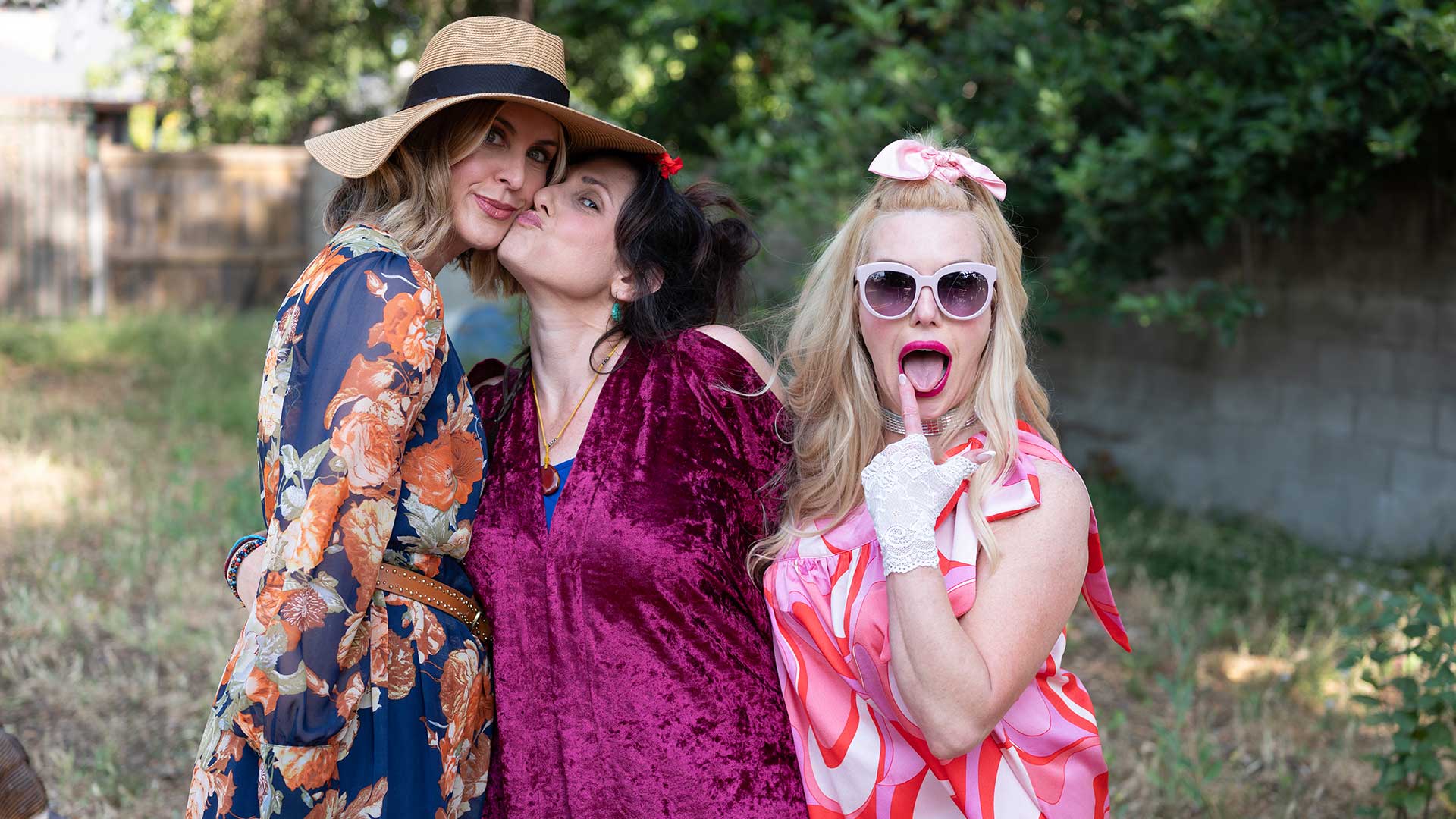
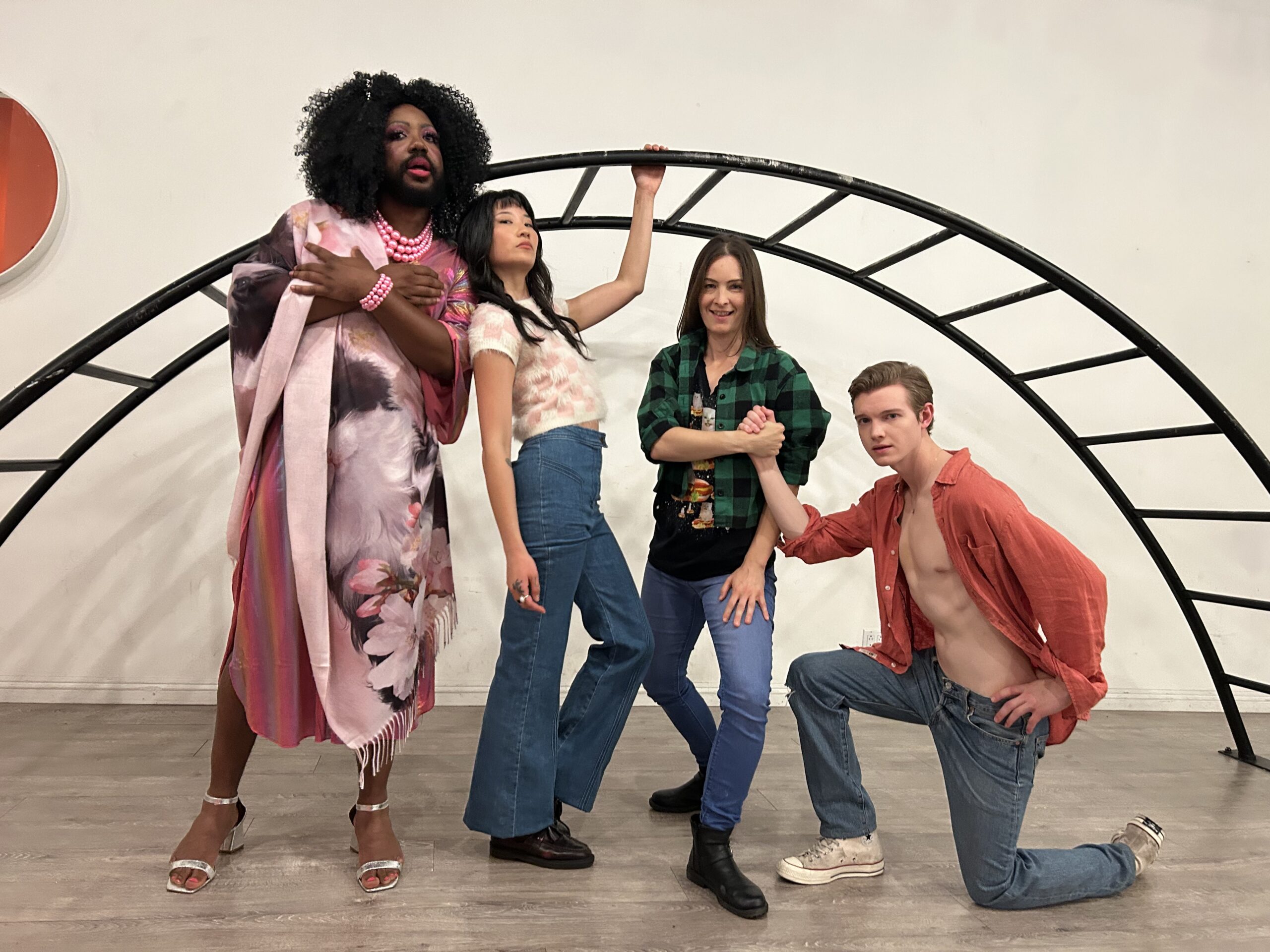
Rather than isolating Ava and Courtney inside a romantic bubble, Grace surrounds them with a collection of characters who create a larger queer community; funny, imperfect, supportive and gloriously individual.
Grace wanted the production itself to reflect that inclusiveness, assembling a cast and creative team representing what she described as the “full spectrum of the rainbow and beyond.”
 That makes The Queerdos feel less like a movie trying to check representation boxes and more like a film created from inside the community it depicts.
One of my favorite things Sandra said during our conversation was also one of the simplest.
“No one dies in this film.”
It earned a laugh, but there’s an important point underneath it.
For decades, LGBTQ+ audiences became accustomed to seeing queer characters punished simply for existing. Happiness was temporary. Love often ended tragically. Lesbian and sapphic characters in particular have endured more than their fair share of heartbreak onscreen.
Grace consciously wanted something different.
“I just wanted it to be a shining light of pure joy,” she said.
That doesn’t mean her characters are emotionally uncomplicated.
Courtney, in particular, carries vulnerabilities beneath the comedy. Grace describes her as likely neurodiverse, with a fear of abandonment and a tendency to shut down when confronted with the possibility of happiness.
Her body may recognize the attraction to Ava immediately, but emotionally she isn’t quite so willing to trust it.
 There is nervousness.
There is resistance.
There is fear.
Grace isn’t interested in turning those qualities into melodrama. Instead, they make Courtney more human.
Whether she ultimately gets out of her own way is something Grace wisely refused to reveal.
You’ll have to watch the movie.
For Grace, one of the most emotional moments happened before cameras ever rolled.
She had spent so much time writing these characters alone that she had no way of knowing whether what made her laugh at home would connect with anyone else.
Then came the first cast reading.
Grace rented a small Los Angeles venue called The Clubhouse and brought most of the actors together to hear the script aloud for the first time.
Her reaction surprised even her.
“My jaw dropped because that was the first time I really heard it being brought to life,” she recalled.
She cried during the cold read.
Not because anything had gone wrong, quite the opposite.
For a writer, there must be something extraordinary about hearing voices that have existed entirely in your imagination suddenly coming out of the mouths of actors sitting across the room.
Grace experienced it again once shooting began.
The first scene filmed featured Michelle Farrah Huang as Stella, Ava’s best friend, at the Los Angeles venue 910 WeHo.
Grace watched Huang hit the comedy beyond what she had ever imagined.
“I just turned around and a tear came out,” she recalled.
For someone making her feature-film debut as a writer and executive producer, that was the moment when an idea created alone during COVID had undeniably become a movie.
The Queerdos is Grace’s first feature as a writer and executive producer, but not her first trip through the festival circuit.
Her previous short film, Open, explored what she described as a complicated polyamorous connection between three women. The film earned recognition on the festival circuit, including honors in New York and at CineKink.
But a feature brings an entirely different level of ambition.
With The Queerdos, Grace wasn’t simply expanding the running time. She was creating an entire community and asking an ensemble cast to inhabit it.
The result feels deeply personal because it is.
One of the biggest mistakes anyone could make would be assuming The Queerdos can only speak to LGBTQ+ audiences.
Grace certainly created the film unapologetically from within the queer community. She isn’t watering that perspective down or translating it for straight audiences.
But attraction is attraction.
Fear of falling in love is fear of falling in love.
Wanting to belong is wanting to belong.
And laughing at your friends when they’re being ridiculous is just about universal.
Grace hopes audiences leave the theater having connected not only with the characters onscreen, but with the actual people sitting around them.
“This is about joy and community,” she said.
She also hopes viewers recognize themselves somewhere in the film and experience that marvelous feeling of seeing a character and thinking, That’s me.
And then she wants the movie to travel well beyond the queer community.
Grace referenced something Emily Rios said about the film: it is “for us, by us, and for anyone who wants to laugh.”
That might be the best description of The Queerdos of all.
Of course, I couldn’t let Sandra leave without getting slightly mischievous.
Since we had met at Hunters Palm Springs the night before, I asked her which member of The Queerdos cast would be the most dangerous person to take out for a night at Hunters.
She didn’t hesitate for long.
Bridget McManus.
McManus plays Kay, the film’s wonderfully wild gardener, and Grace has admired her comedy for years.
“Her wit is sharp and delightful,” Grace told me.
So, Bridget, consider yourself warned.
Or invited.
What I enjoyed most about The Queerdos is that it doesn’t behave as if happiness makes a queer story less meaningful.
Quite the opposite.
There is something quietly powerful about watching LGBTQ+ characters be ridiculous, romantic, sexy, nervous, messy and surrounded by people who love them.
Sometimes representation means confronting painful realities.
And sometimes representation means watching a goth girl look across a convenience store and realize her childhood crush just walked through the door.
Sandra Grace created The Queerdos during a moment when the world felt frighteningly disconnected.
Now she’s bringing it to a theater filled with people.
That seems rather perfect.
WORLD PREMIERE
The Queerdos
Cinema Diverse: The Palm Springs LGBTQ+ Film Festival
Sunday, September 20, 2026
2:30 PM
Palm Springs Cultural Center
Palm Springs, California
Interview by Valerie Milano for The Hollywood Times and Aspiring Magazine