An emotionally powerful short film explores childhood loss, the memories we carry, and the courage to keep living.
How long does grief last? Is there ever a moment when losing someone we love stops hurting?
Written and directed by JT Rees, the 11-minute short film White Room takes us into the emotional world of Reese, a young man struggling with the loss of his sister, Joy, who died of cancer when he was just nine years old. Through counseling sessions and conversations with his sister’s image, we begin to understand the depth of a grief that has remained with him for approximately fifteen years.
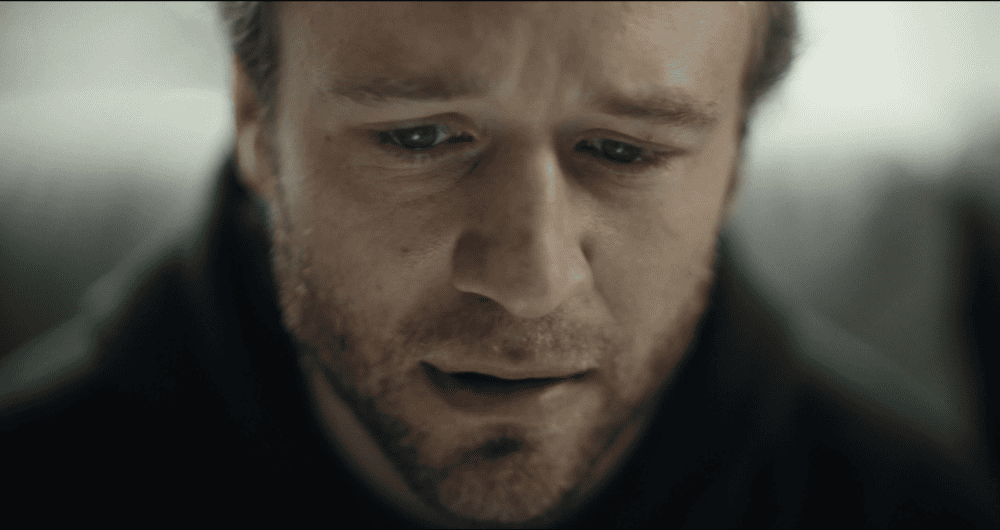
The performances are dynamic and emotionally charged. Reese’s anguish is expressed through his trembling body, desperate cries, and moments of overwhelming vulnerability. Ominous classical music intensifies the experience as he finds himself in a stark white room surrounded by curtains reminiscent of those drawn around hospital beds with only one single door in sight. The sterile, almost clinical environment evokes the vulnerability of illness and loss. The simplicity of the setting allows the emotions to fill the space, creating a powerful visual representation of the grief he has carried for so long.

We see him trying to push through the pain with therapy. While his counselor still questions his willingness to receive help, Reese responds, “I came here.” Those three words speak to the courage it sometimes takes just to show up, even when we are struggling to find the words to express what hurts and unable to face the struggles head on.
 We watch throughout the film how Reese is confronted with carrying many emotions beyond just sadness of losing his sister. Longing for another day with her, an explanation, another chance: grief. His emotional struggle revealed as we come to connect with the many years of carrying the strife since childhoood. Then comes the question and moment that got caught in my throat. Reese looks to his sister and asks, “Does it ever go away?” I thought about the people I have loved and lost, and how certain absences remain with us no matter how much time has passed and how his feeling resonated with me deeply. Losing someone we love hurts and time with them can remain frozen in our memories. Some that we cherish, conversations we replay, and those moments when we wish for just one more day together.

As the film reaches its emotional conclusion, Joy encourages Reese to live his life, reassuring him that she will always be with him. When she sits with him in the white room asking for him to promise to try, his tearful response is simply, “I’ll try.” There is something profoundly moving about those two words and the possibility of learning to live alongside grief while continuing to cherish the person we have lost.
The closing credits reveal that White Room was inspired by a true story, accompanied by sweet childhood photographs of a brother and sister. The film is presented in association with the Jessie Rees Foundation, which carries forward Jessie’s legacy of bringing joy and encouragement to children facing cancer.
White Room is a touching reminder that love continues through memory, and sometimes the greatest step forward begins with the simple willingness to try.