Friday, January 9, 2026
By Valerie Milano & Jim Gilles
Palm Springs, CA (The Hollywood Times) 12/29/25 – Silent Rebellion (A Bras-le-Corps) arrives at the Palm Springs International Film Festival as a quietly devastating and deeply human period drama, one that feels both historically grounded and urgently contemporary. Directed by Swiss filmmaker Marie-Elsa Sgualdo, this assured debut feature marks the emergence of a distinctive new voice in European cinema.
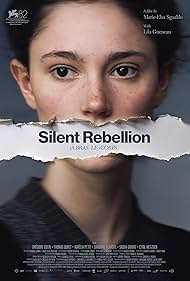 Set in 1943 in a remote, French-speaking mountain village in Switzerland, near the border of Nazi-occupied Vichy France, Silent Rebellion explores moral compromise, social hypocrisy, and the cost of silence in a community that prides itself on Protestant virtue. Switzerland’s posture of neutrality hangs heavily over the film, not as background, but as an unspoken character, one that mirrors the village’s quiet complicity.
At the center of the story is Emma, portrayed with remarkable restraint and emotional clarity by newcomer Lila Gueneau. Seventeen years old, Emma works as a domestic servant for the local pastor (played by Grégoire Colin) while caring for her two younger sisters after being abandoned by her mother, Alice (Sandrine Blancke). Emma is dutiful, intelligent, and quietly ambitious, harboring hopes of attending nursing school alongside her friend Colette, the pastor’s daughter—a rare opportunity for a young woman of her station.
Those aspirations are violently disrupted when Emma is assaulted by Louis, a privileged outsider passing through the village. What follows is not a sensationalized account of trauma, but an intimate and unflinching portrait of a young woman forced to navigate shame, secrecy, and survival in a rigid moral order designed to protect men and punish women. Pregnancy becomes both a burden and a crucible, pushing Emma into a series of impossible choices: whom to trust, what to confess, and how much of herself she must sacrifice to secure a future.
 Sgualdo directs with remarkable precision, favoring stillness over spectacle. The film’s power lies in what is withheld glances that linger too long, truths that remain unspoken, and choices made in solitude. Emma’s rebellion is never loud or performative; it unfolds through quiet acts of resistance, small assertions of agency that slowly accumulate into something transformative.
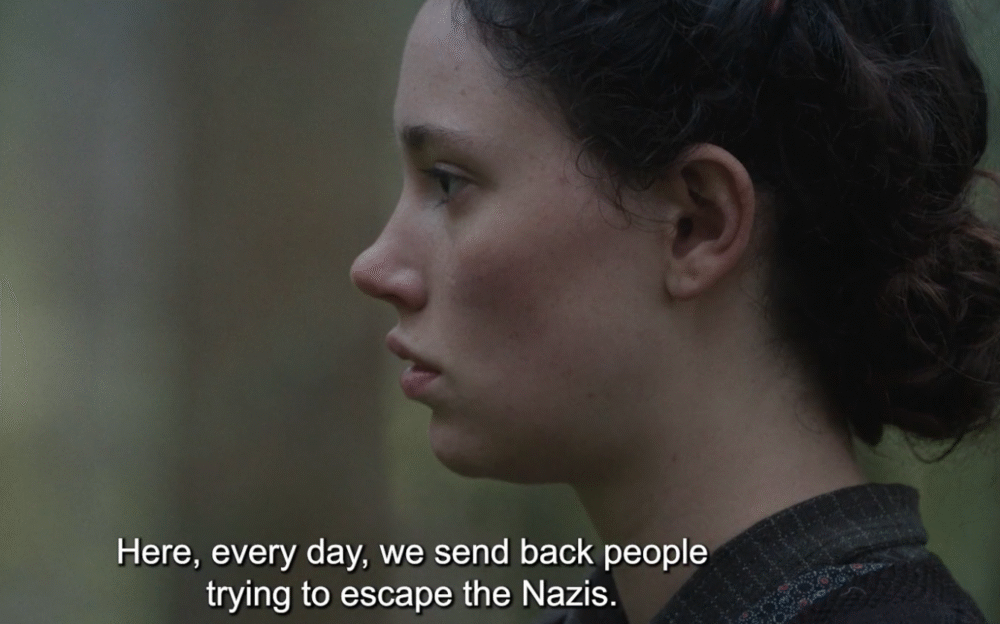
The broader historical context deepens the film’s moral weight. As Swiss border patrols quietly intercept Jewish refugees and deliver them to Nazi forces just beyond the forest, the village’s obsession with “virtue” is exposed as selective and self-serving. In this way, Silent Rebellion draws a clear line between personal silence and political complicity, asking uncomfortable questions about who is protected, and who is expendable, when morality is enforced without compassion.
 The supporting cast strengthens the film’s emotional texture, including Thomas Doret as Paul, whose steady presence offers contrast without overshadowing Emma’s journey. Together, the ensemble creates a lived-in world shaped by repression, fear, and unspoken longing.
 With Silent Rebellion, Marie-Elsa Sgualdo delivers a debut that is both restrained and resonant—a film that honors the unseen courage of women whose resistance rarely makes history books yet quietly reshapes the world around them. Anchored by Lila Gueneau’s striking performance, the film lingers long after the final frame, reminding us that true rebellion does not always announce itself. Sometimes, it simply refuses to disappear.