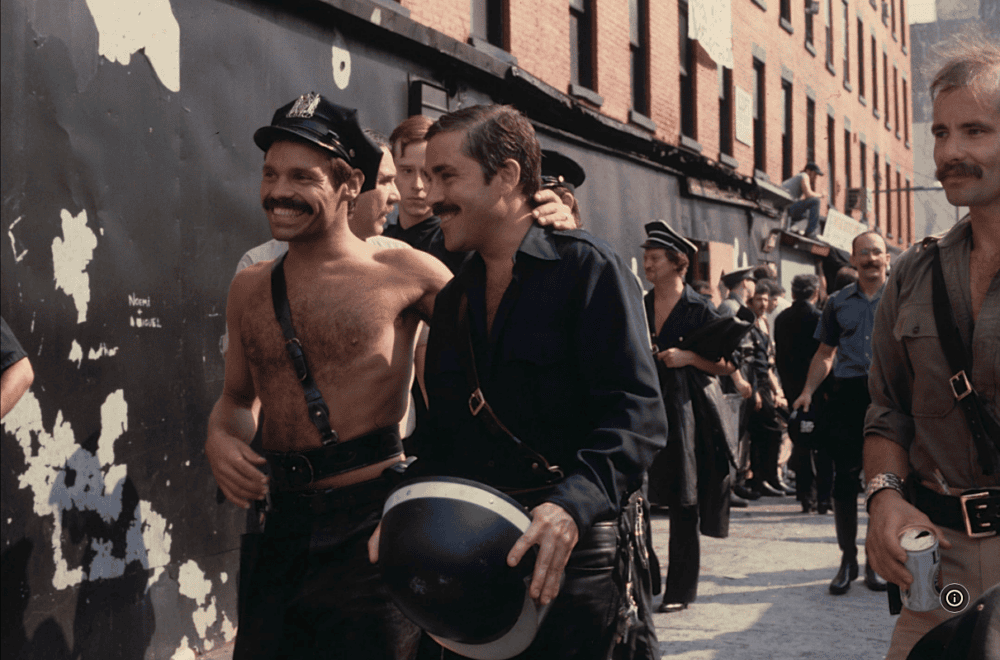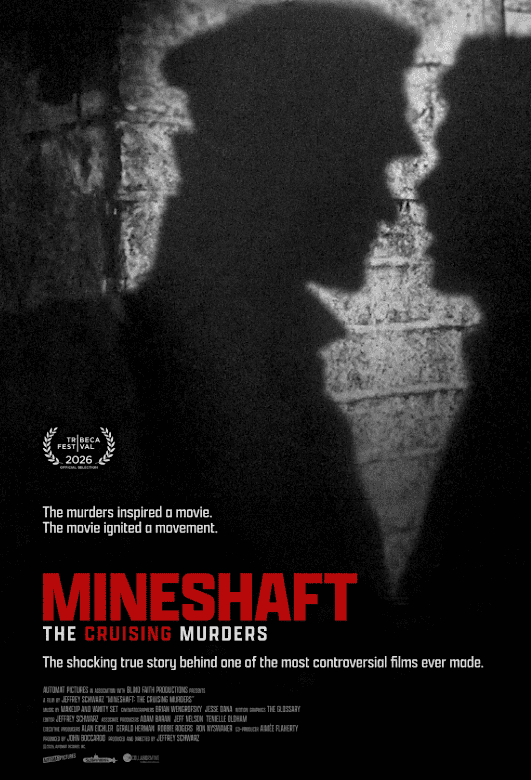
Los Angeles, CA (The Hollywood Times) 7/28/26 – Jeffrey Schwartz’s Mineshaft: The Cruising Murders purports to be about the background to William Friedkin’s 1980 film Cruising, which starred Al Pacino as an underground cop hunting down those who were murdering gay men in New York City’s leather scene in the late 1970s. Coming from the Tribeca Film Festival, Mineshaft screened at Outfest Next’s weekend film festival at the Renberg Theatre of the LGBT Community Center in Hollywood on Saturday, July 25, to a sold-out audience.
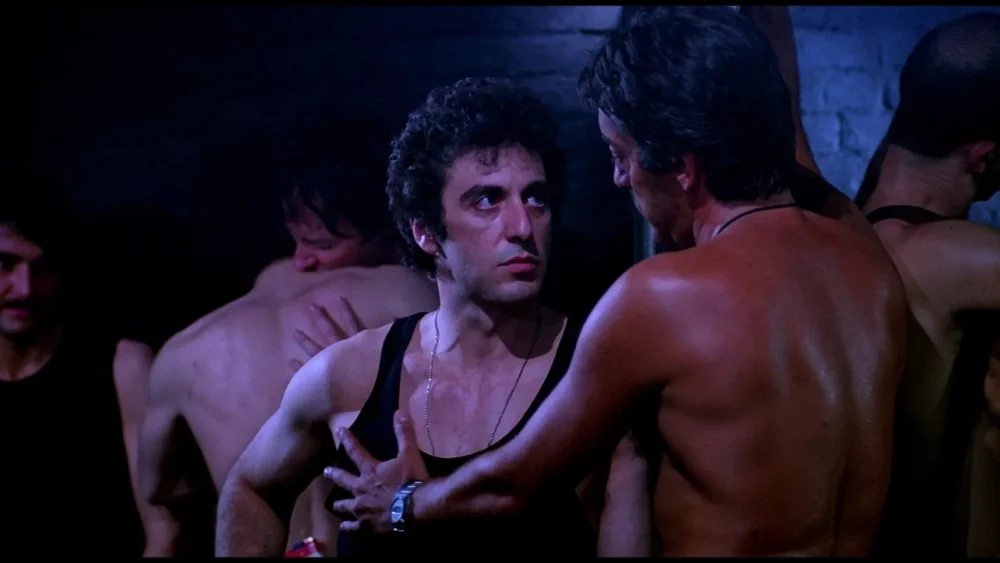
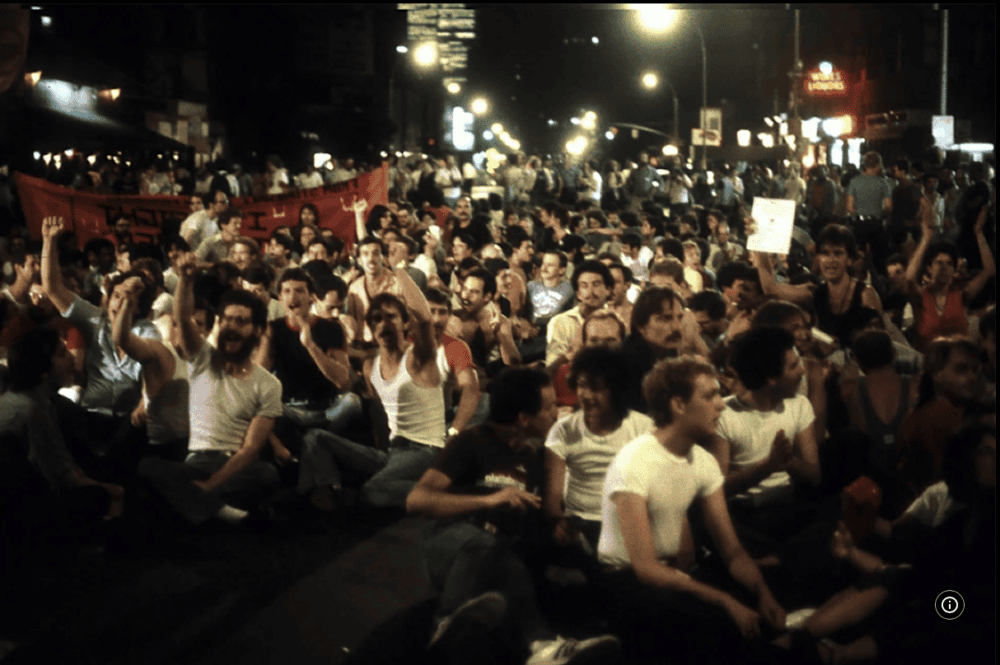
For those old enough to remember that era, the making of Friedkin’s Cruising in gay Greenwich Village in New York City resulted in massive protests by queer activists who were angered by its violent premise. There were seedy leather bars in New York at the time and the activities that went on were hardly representative of the gay community as a whole. Bringing the whole semi-fantastical world of Tom of Finland as a stereotypical caricature of the gay scene in New York in the late 1970s was deemed derogatory by many members of the gay community at the time.
What Schwartz does provide is some insight in the complications that Friedkin had in making the film on location in a very gay part of New York City where he could easily find extras wandering through its streets and gay bars. For those old enough to remember the reception of Friedkin’s film, it was hardly the box office hit that his previous 1973 film The Exorcist became. Cruising”was adapted in part from a 1970 novel by Gerald Walker, but the shades of sadomasochism and leather bars were added to the screenplay by Friedkin.
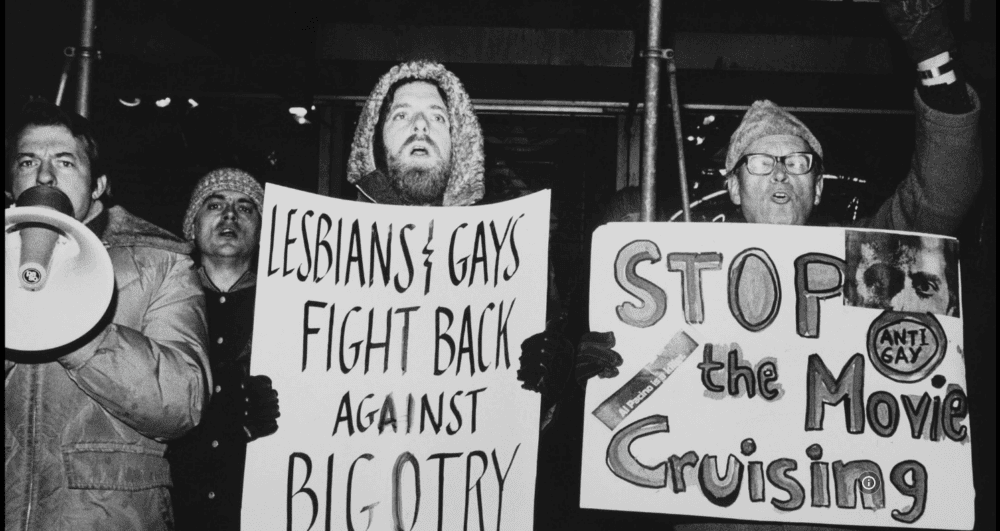
The period of the late 1970s and early 1980s was a complex political time for LGBTQ rights, when there was Proposition 6, commonly known as the Briggs initiative targeting gay teachers which actually made the ballot in 1978. Also there was Anita Bryant who became the voice of anti-gay legislation with her “Save the Children” campaign in Miami-Dade County, Florida, in protest to a local ordinance that outlawed discrimination of basis of sexual orientation. It was common at the time for the police in New York and Los Angeles and other cities to aggressively hunt down gay men as sexual offenders even in bars and bath houses. On the other hand, gay visibility was on the rise – especially in New York and San Francisco. Add to that the 1978 assassination of San Francisco Supervisor Harvey Milk and Mayor George Moscone at City Hall by former Supervisor Dan White. White, angered by the mayor’s refusal to reappoint him to his vacated seat, shot Moscone and then ambushed Milk, one of America’s first openly gay elected officials.
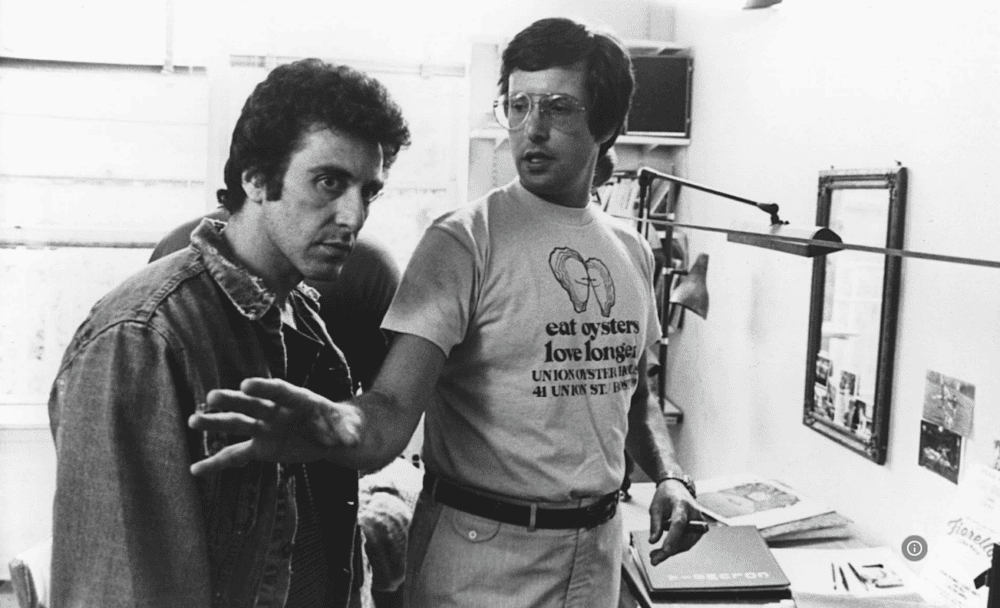
What we have come to see from Jeffrey Schwartz’s documentary films are peaks into the hidden history of Hollywood with its many gay icons in biodocs – of Divine, Tab Hunter and Grease producer Allan Carr. What I expected to see the Schwartz’s film was more insight into the setting and milieu of Friedkin’s film. Famous gay author John Rechy played a unique role in the history of William Friedkin’s controversial film. which starred Al Pacino as an undercover cop in New York’s gay leather S&M subculture. Friedkin asked Rechy to screen an early cut of the film, leading Rechy to successfully suggest minor edits while defending the artistic right to make the picture. At Rechy’s specific suggestion, Friedkin removed a background graffiti shot of the Gay Liberation slogan “We Are Everywhere” near a murder scene and added an opening disclaimer stating the film did not indict the entire gay community.
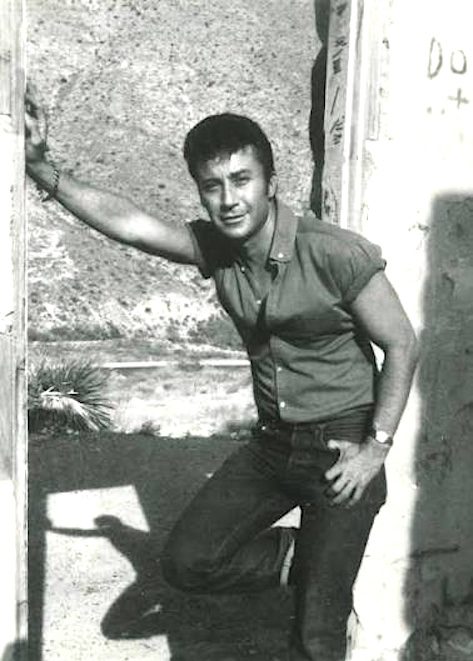
Rechy’s landmark 1963 debut novel City of Night mapped the hidden, nocturnal worlds of male street hustlers and public cruising across major American cities. Rechy’s non-fiction/prose documentary book The Sexual Outlaw (1977) further explored public sexual cruising as a transgressive, political act of defiance against societal repression. John Rechy is 95 and still living in the Hollywood Hills of Los Angeles after years of teaching writing at USC and completing 10 novels: Years ago, I attempted to do some interviews with him about “Cruising” but he declined to discuss it. I imagine Schwartz had the same difficulty.
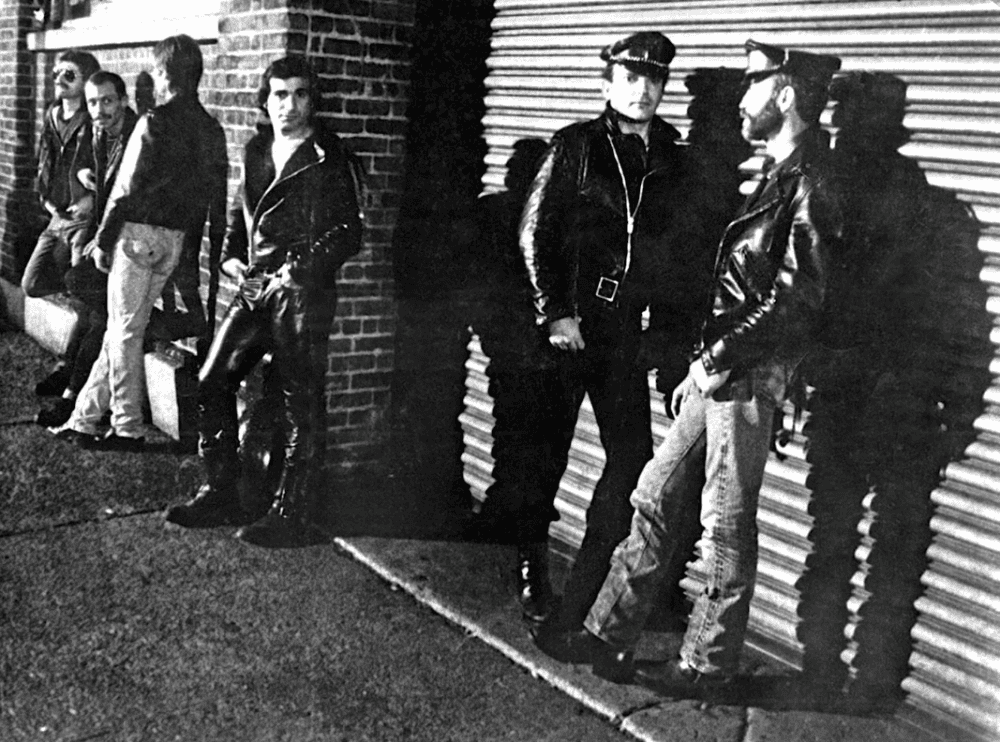
That world of Rechy does seem to haunt Friedkin’s film and I understand the Rechy was consulted on proper leather gear for the film. In the 1970s, New York City’s gay leather bars flourished primarily along the desolate industrial waterfront of the West Village and the Meatpacking District where the Eagle’s Nest, the Mineshaft, the Anvil and the Ramrod were located. These dimly lit spaces—typified by heavy denim, leather, and mustaches—served as vital underground sanctuaries for queer male liberation, community building, and erotic exploration before closing or shifting ahead of the AIDS crisis beginning in 1982.
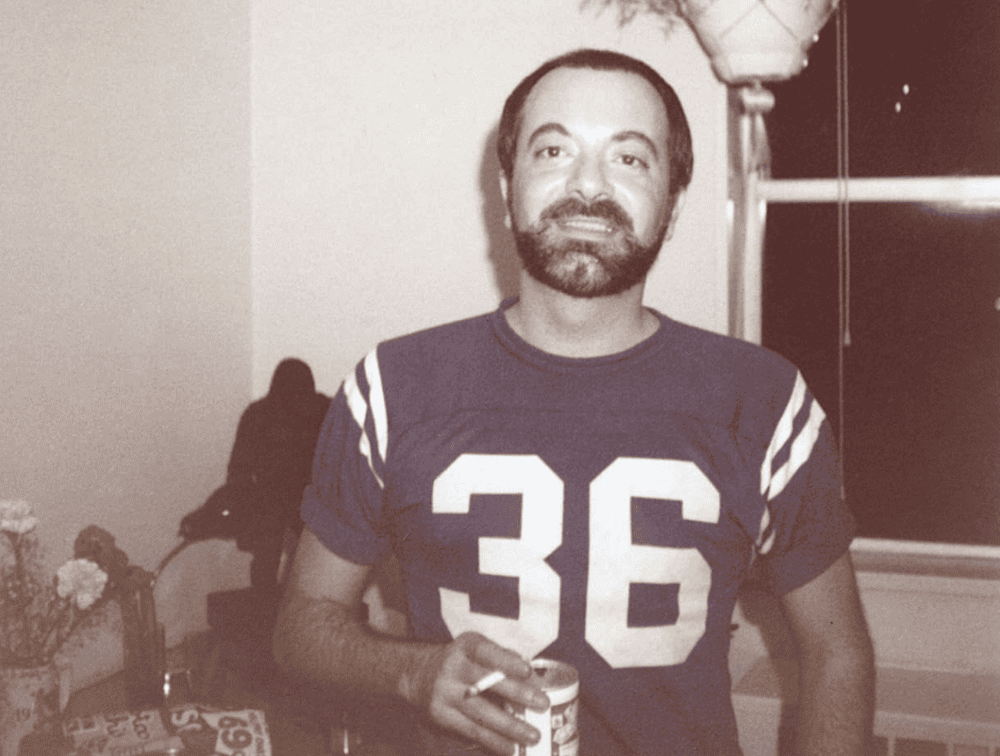
The title of Mineshaft: The Cruising Murders is vaguely misleading, conjuring ideas of a lurid true crime documentary when that’s hardly what director Jeffrey Schwarz became interested in while researching his documentary. He decided to focus on the murder of Addison Verrill, the film critic for “Variety” whose death at the hands of Paul Bateson, a day player on William Friedkin’s The Exorcist, led the director to explore New York’s underground gay scene where the two met each other. That was a time in the late 1970s of a series of homicides known as the “Bag Murders” sparked Friedkin’s interest in the subject. The film gives ample space to consider the factors that led to Verrill’s tragic death, it is as much if not more about how a further injustice was done to his memory as Friedkin proceeded to make the Al Pacino thriller against the wishes of the gay community that feared misrepresentation and that equating violence with homosexuality would only add to the retaliation against them as they led already precarious lives.
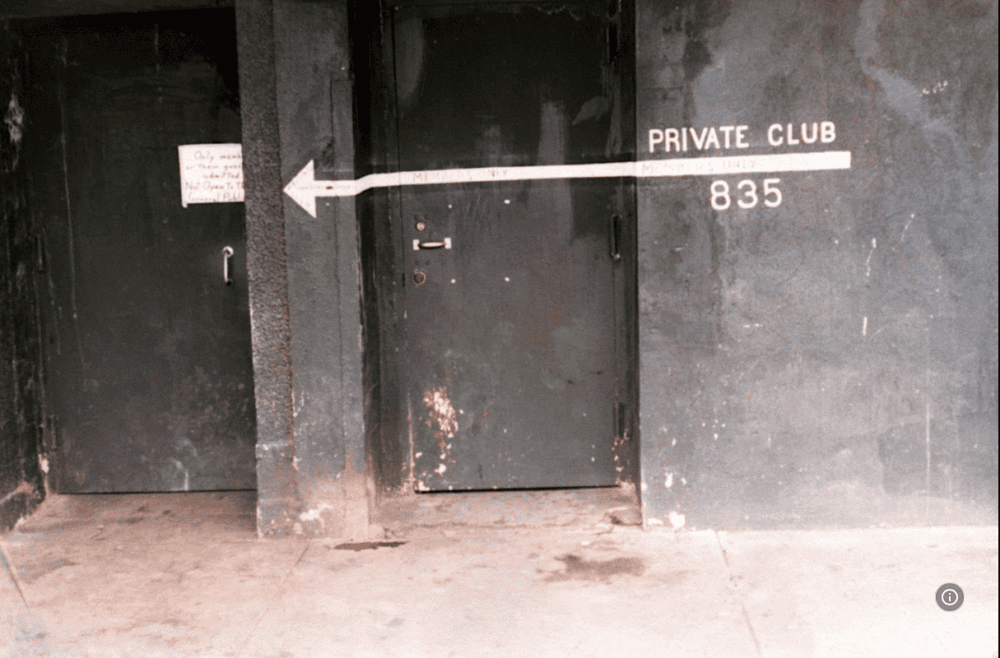
At the Q&A on Saturday’s screening, Schwartz brought in Bob Geary, a former entertainment lawyer for the studios in Los Angeles. Geary has been Verrill’s former partner in New York City for a number of years before his murder which had occurred 42 years before. Upon finding Geary, Schwartz concedes that he changed the direction of his film by approaching Verrill’s story “on a sympathetic level.” Even during his time with Verrill, Geary was cognizant of Verrill’s nighttime escapades with the leather scene. Eventually the relationship ended ant Geary moved to Los Angeles to work an entertainment lawyer and Verrill remained in New York. Schwartz chose to not only delve in what Geary could recall of his long-before relationship but also what he learned from the police reports about the murderer Paul Bateson, who curiously enough had been a bit player in Friedkin’s earlier film The Exorcist in a medical examination scene. I found the long digression in the alcoholic, troubled Bateson to be distraction from the point of the film.
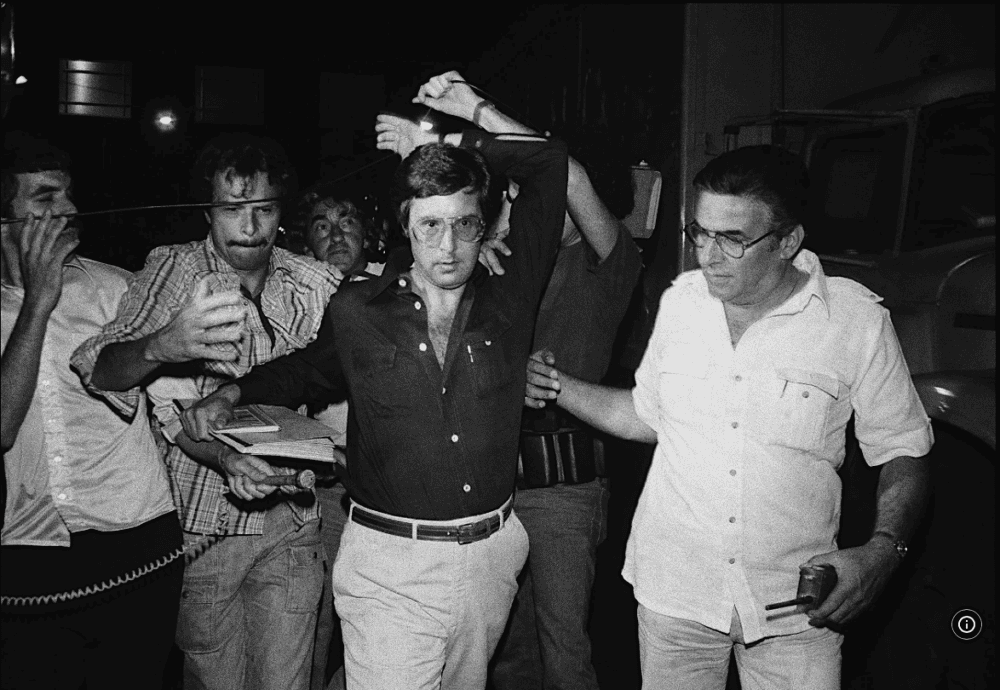
Friedkin was interested in the atmosphere for his dark exploration of the underbelly of police work with Al Pacino playing a similar role to the in Serpico.”it’s perhaps been for the best that much written about Cruising, a box office bomb, often omitted its origin story entirely. Friedkin made his film using the gay scene as an interesting backdrop without much concern for what the larger issues that the gay community was confronting at the time. While the film gives ample space to consider the factors that led to Verrill’s tragic death, it is as much if not more about how a further injustice was done to his memory as Friedkin proceeded to make the Al Pacino thriller against the wishes of the gay community that feared misrepresentation and that equating violence with homosexuality would only add to the retaliation against them as they led already precarious lives.