Yesterday I dove into the Asian World Film Festival Los Angeles in Culver City, after the gala opening night on November 11, 2025, at the Culver Theatre in Culver City. I was particularly interested in a set of films from Cambodia – Brad Gordon’s Returning Gods (19 min, 2025) and Don Millar’s Loot: A Story of Crime and Redemption (2025). “Returning Gods” in Cambodia refers to the government’s efforts to reclaim looted ancient statues and artifacts from museums and private collectors, particularly in the West. These items, often stolen during the 1970s and 1990s civil war and instability, are considered sacred “living spirits” and vital to Khmer cultural identity. The Gods, they say, are cold and lonely in foreign collections and they want to come home.

The looted statues from Cambodian represent Hindu gods and rulers who were considered divine in the Khmer civilization that dominated much of Southeast Asia from 802 to 1431, centered in what is now northern Cambodia. The Khmer Empire was known for its impressive hydraulic systems and grand architectural feats, particularly the temple complex of Angkor Wat. The empire reached its peak between the 11th and 13th centuries before declining due to a combination of factors including warfare with neighboring kingdoms like the Thai Kingdome of Ayutthaya, like environmental challenges, and a shift in religious beliefs from Hinduism to Buddhism.
“Loot” is a daring look at the underbelly of the global art market and exposes the criminal network that used child soldiers of the Khmer Rouge to violently raid Cambodian temples in the dead of night and then delivered “blood antiquities” to the home of billionaires and elite museums. A key figure in the illicit trafficking of these artifacts was the late antiquities dealer Douglas Latchford, and numerous returns have been made through legal action, voluntary agreements, and government initiatives. For many Cambodians, these are not simply blocks of stone or pieces of metal, they are living spirits and integral to the Khmer identity. In his short film, Brad Gordon incorporated traditional Cambodian dance into his narrative about the looted treasures – in ruins of Khmer temples and even in the South Asian Galley of the MET in New York.
While some countries fight to reclaim antiquities that were stolen centuries ago, Cambodian investigators are dealing with far more recent thefts. Many of the country’s prized treasures were taken by looters in the 1980s and 1990s and then sold on to some of the world’s most prestigious museums. During the Cambodian civil conflicts of late 20th century, statues and other artifacts were stolen from Cambodia and sold on the international art market through an organized looting network. Local teams of criminals stole the statues and transported them to the Cambodia-Thailand border, where brokers would in turn transport them to dealers in Thailand. These dealers would sell the artifacts to local or international customers, who would retain the pieces or sell them on the international art market.
The man behind the effort is American lawyer Brad Gordon, who was brought in by the Cambodian government around 2004 to try to locate some looted Cambodian statue. He was in contact with the U.S. Attorney’s Office for the Southern District of New York who were investigating looted Cambodian artifacts from Koh Ker, the capital of the Khmer Empire before it was moved to Angkor Wat.
For the vast majority of these people, Angkor Wat, the enormous temple complex and former Khmer capital, is still the site with the most pulling power for tourists. But there’s a new destination for visitors to Cambodia: Koh Ker, which was the second most important Khmer kingdom after Angkor Wat. And, it turns out, one which looks totally different. Koh Ker, a two-hour drive from Siem Reap, was the capital of the Khmer Empire from 928 AD to 944 C.E. It was built by King Jayavarman IV after a presumed breakdown in the line of succession, which saw him leave Angkor Wat.
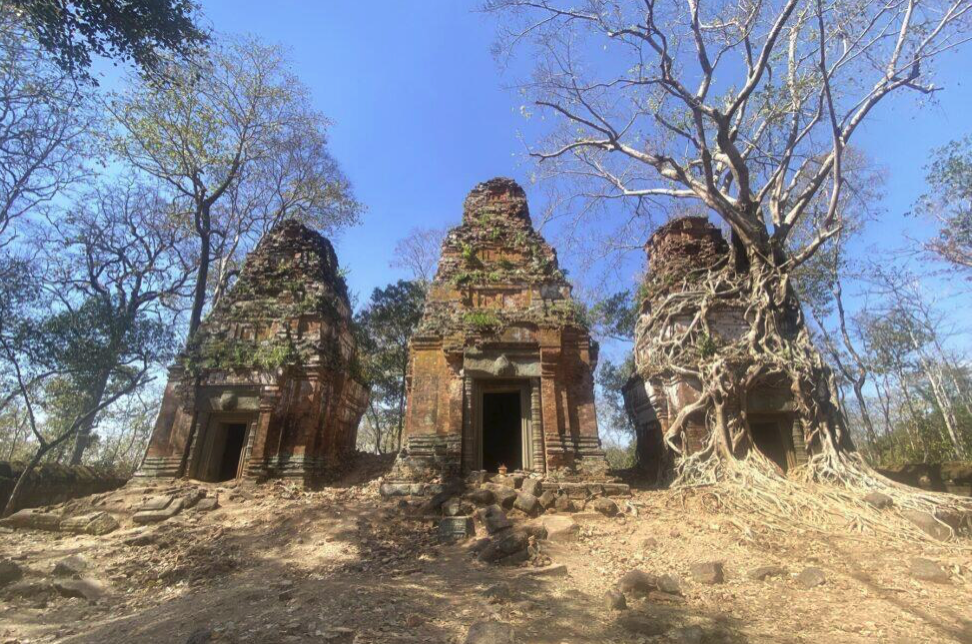
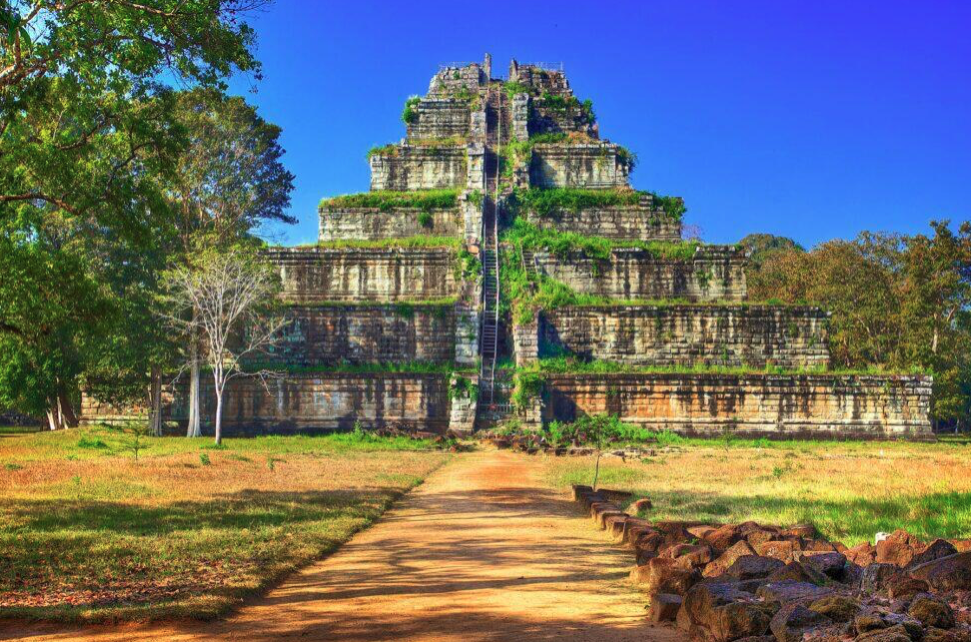
This breakaway Khmer capital’s Brahmanic temples and prasats (towers) look very different from the temples of Angkor Wat, and Koh Ker’s pièce de resistance is the huge, seven-tiered Koh Ker temple, which has more in common with Mexico’s Chichén Itzá temple than the structures at Angkor Wat. Koh Ker is a site that has remained largely hidden from the rest of the world, and there’s a sense that certain temples are on the verge of being reclaimed by the jungle surrounding its most important structures. Take Prasat Pram, barely visible beneath a banyan tree’s tendril-like roots, which twist down its crumbling walls before disappearing into the earth. I’m almost certain the temple would collapse were these roots ever removed.
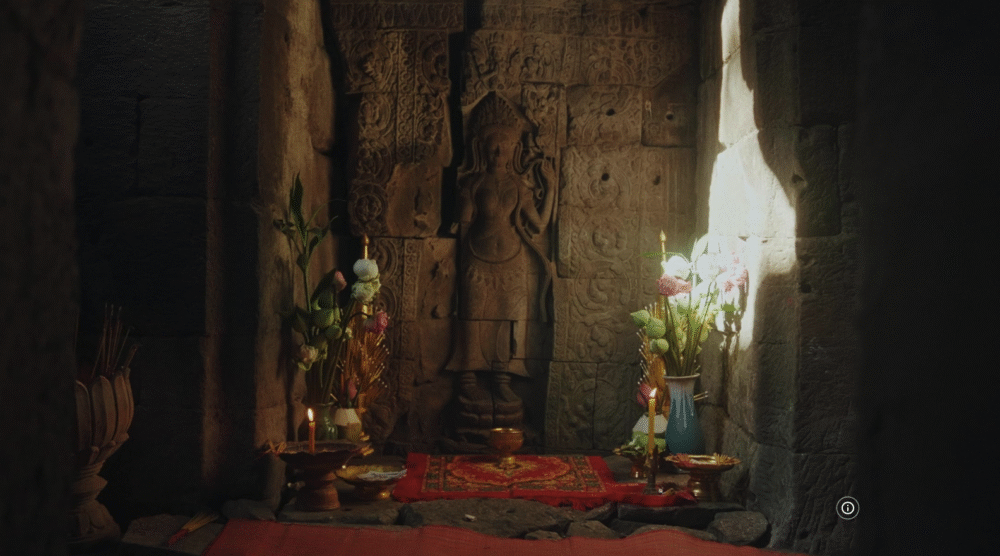
At Koh Ker, which is the name of a towering, seven-tiered temple as well as the entire site, restoration work has already begun in anticipation of the inevitable increase in visitor numbers. It’s not just Asia’s only seven-sided temple that makes Koh Ker unique. Something else sets it apart – the huge piles of bricks inside the crumbling ruins of its structures. At Angkor Wat, these were cleared away years ago by local authorities keen to erase the reminders of the time when looters plundered Cambodia’s first Khmer Kingdom. Koh Ker wasn’t so lucky. Located new the border with Thailand, it was fairly easy for looters continued to plunder its temples during the years of Pol Pot and the Khmer Rouge, which starved the population into submission.
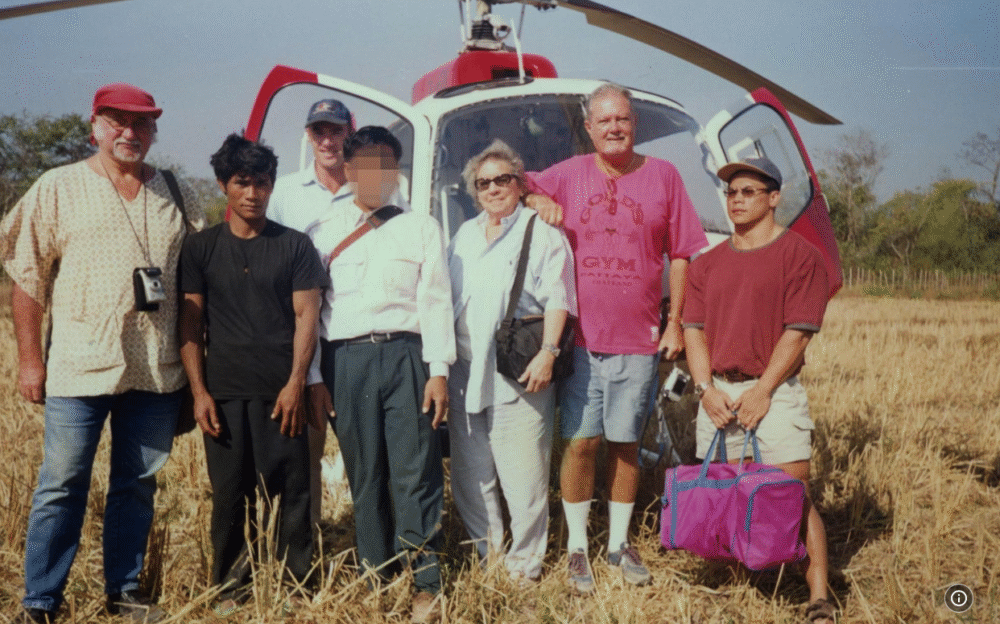
Other reminders of this looting are everywhere. At Prasat Khnar, four stone elephants once stood guard at each corner of the temple. Today, only one remains in place. Two are missing, and the remains of another have been placed on the ground, the ornately carved elephant’s body haphazardly propped up by the amputated sections of the trunk and legs.
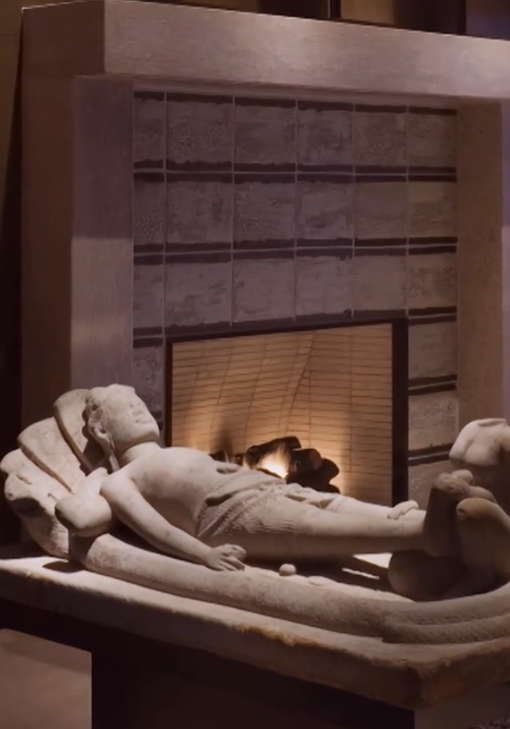
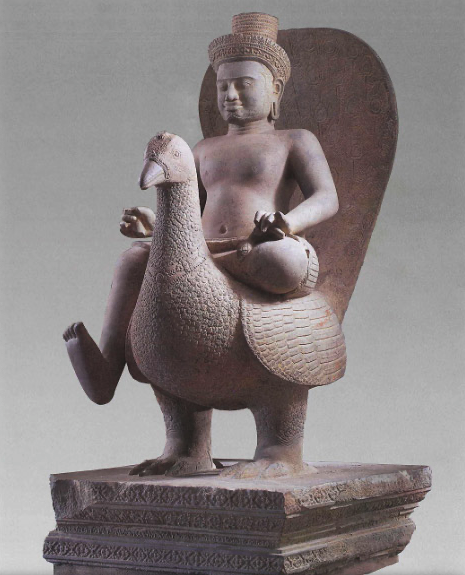
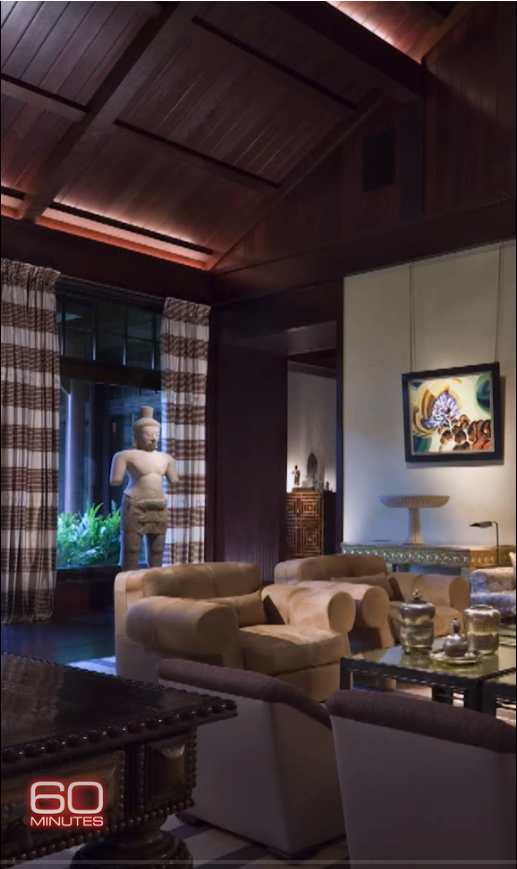
Many fine statues were found in the Palm Beach home of an American billionaire George Lindeman, after a spread of the living room in Architectural Digest revealed to U.S. Investigators some important Cambodian statues that Latchford had plundered and sold. Among these is the famous Statue of Skanda on a Peacock, found at the Koh Ker. The collection includes 10th-century statues of the epic warrior Dhrishtadyumna and the composite god Ardhanarishvara, as well as heads stolen from the gates of Angkor Thom.
Much of this looting was carried out by locals who are offered huge sums for stolen artifacts, and experts believe a British man, Douglas Latchford, masterminded the majority of these thefts. Latchford was living in Southeast Asia when he realized that private collectors, museums, and galleries around the world were willing to pay huge sums for relics taken from temples such as Koh Ker. For years, Latchford drove up and down the road between Siem Reap and Koh Ker, offering locals huge sums of cash to anyone who could provide artifacts taken from the site. He’d then sell them on to museums and private collectors, amassing a huge fortune in the process.
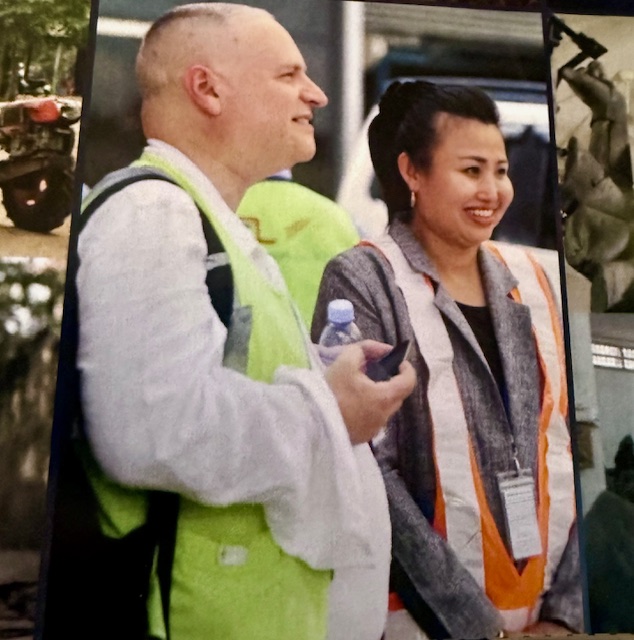
Institutions that purchased Latchford’s pilfered artifacts include New York’s Metropolitan Museum of Art (various Cambodian art experts believe it still has dozens in its possession) and the British Museum. In recent years, an American lawyer and amateur archaeologist, Bradley Gordon, has made it his mission to return these items to Cambodia. Gordon now acts as an advisor to the Cambodian Ministry of Culture and Fine Arts and has been awarded Cambodian citizenship in recognition of his work, which has seen numerous artifacts returned to the country.
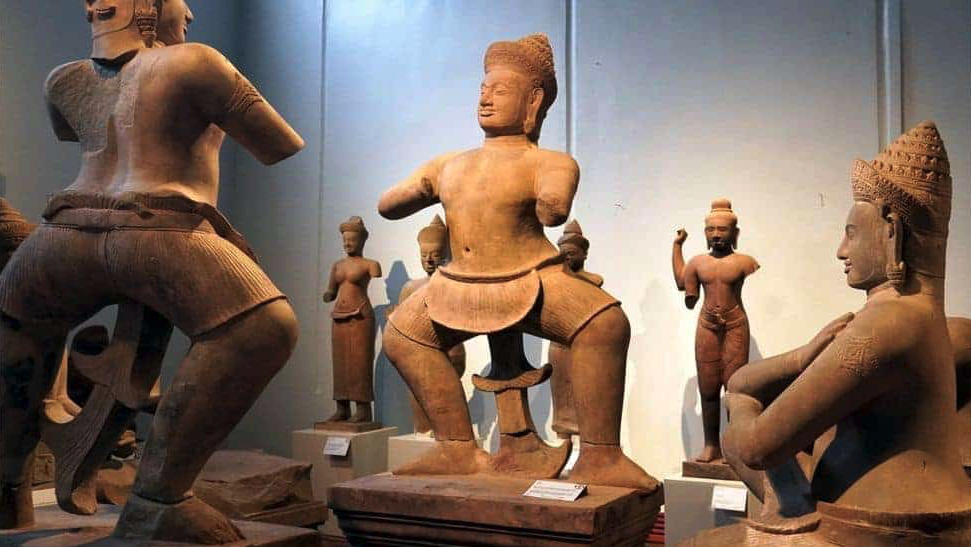
Bradley Gordon describes these museums and institutions as “laundromats” for Koh Ker’s treasures, many of which were taken by locals tempted by the huge sums offered by people such as Latchford. But there’s hope on the horizon. Latchford died in 2020, and in 2021, his daughter agreed to return 125 statues and gold relics looted from Cambodia. She recently handed over $12 million from his estate to the Cambodian government.
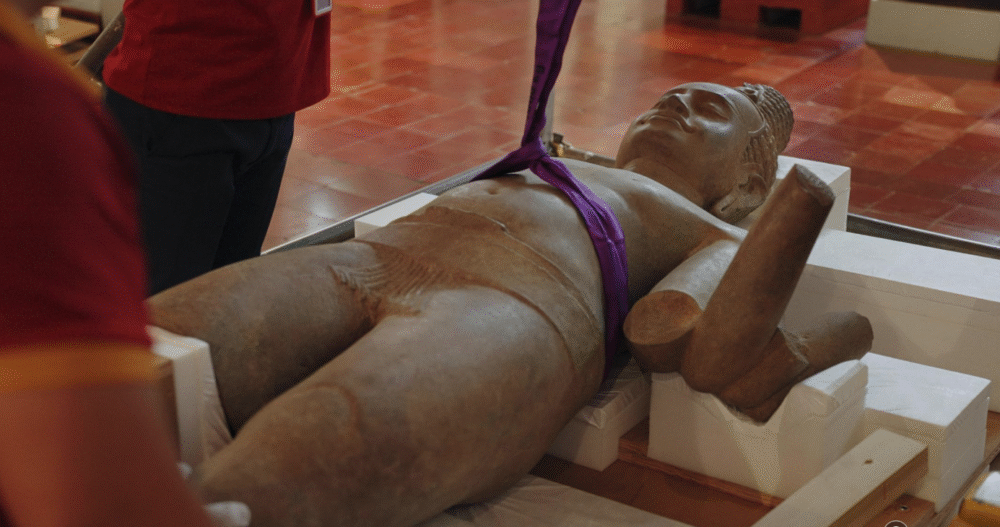
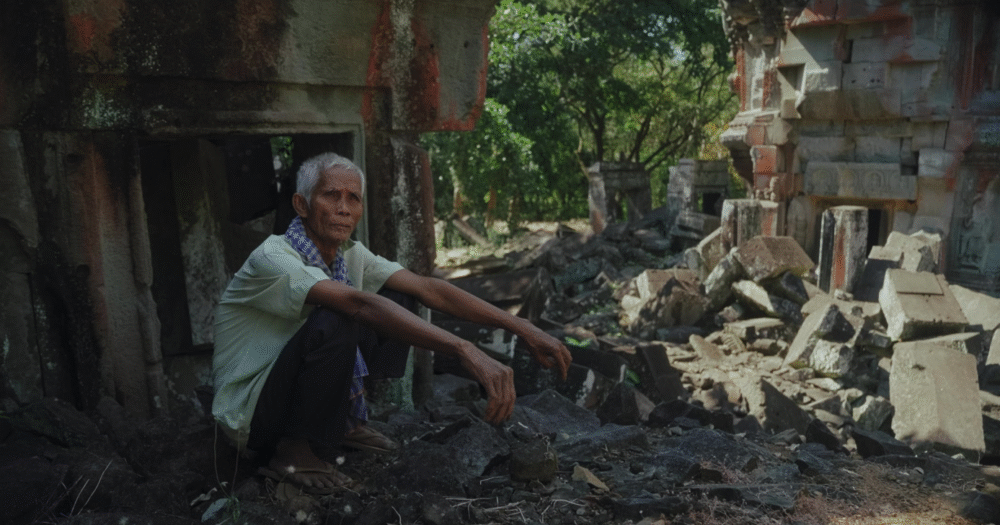
Almost all of the guards at Koh Ker come from local villages, and their presence – and more specifically, their new-found pride in this newly certified UNESCO site – is crucial to its protection. They are not being prosecuted by the looting but granted amnesty in exchange for cooperation with finding the places where statues were removed. “There are villages close to the temples of Koh Ker, and this is where a lot of the looters came from, says Gordon. “Many of the guards you’ll see at the site are descendants of people who were involved in the looting.”