By Valerie Milano
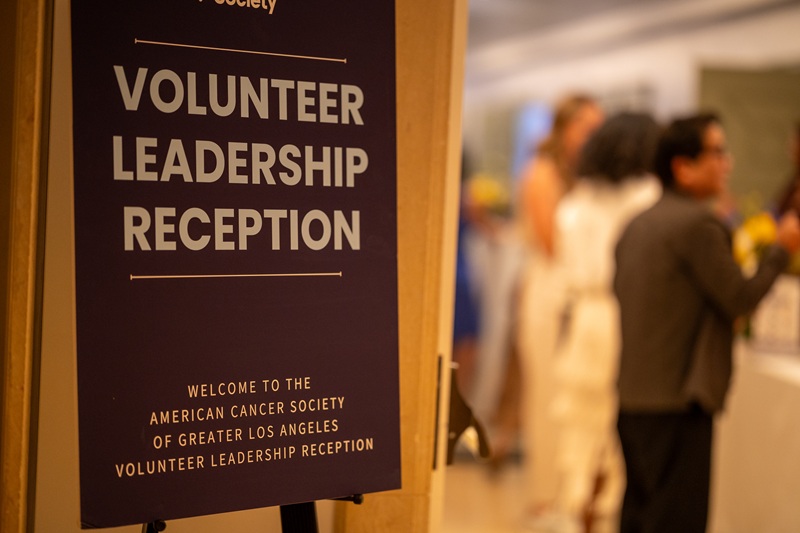
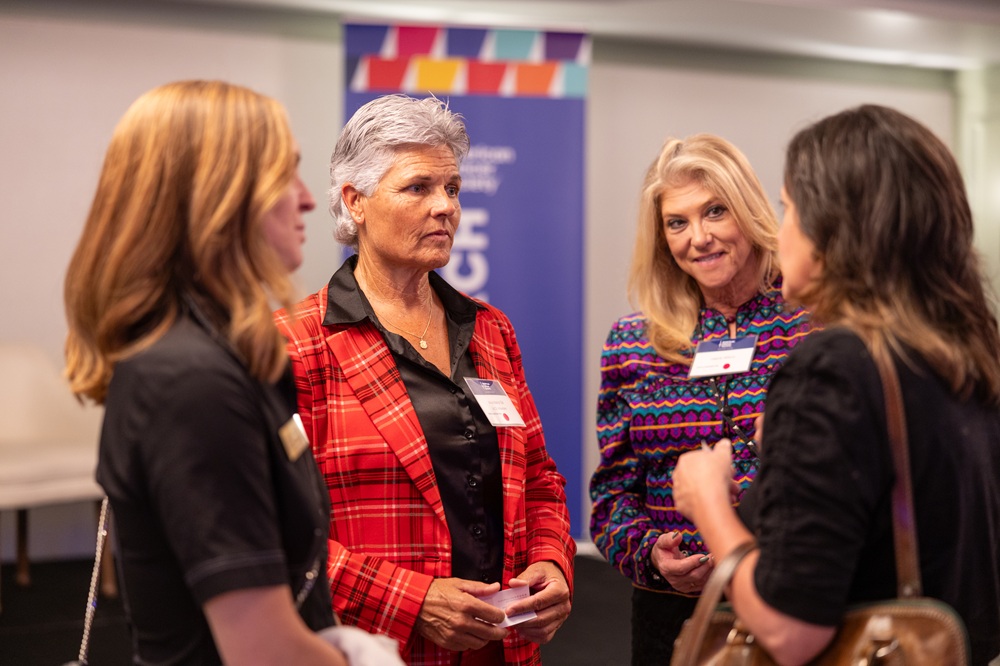
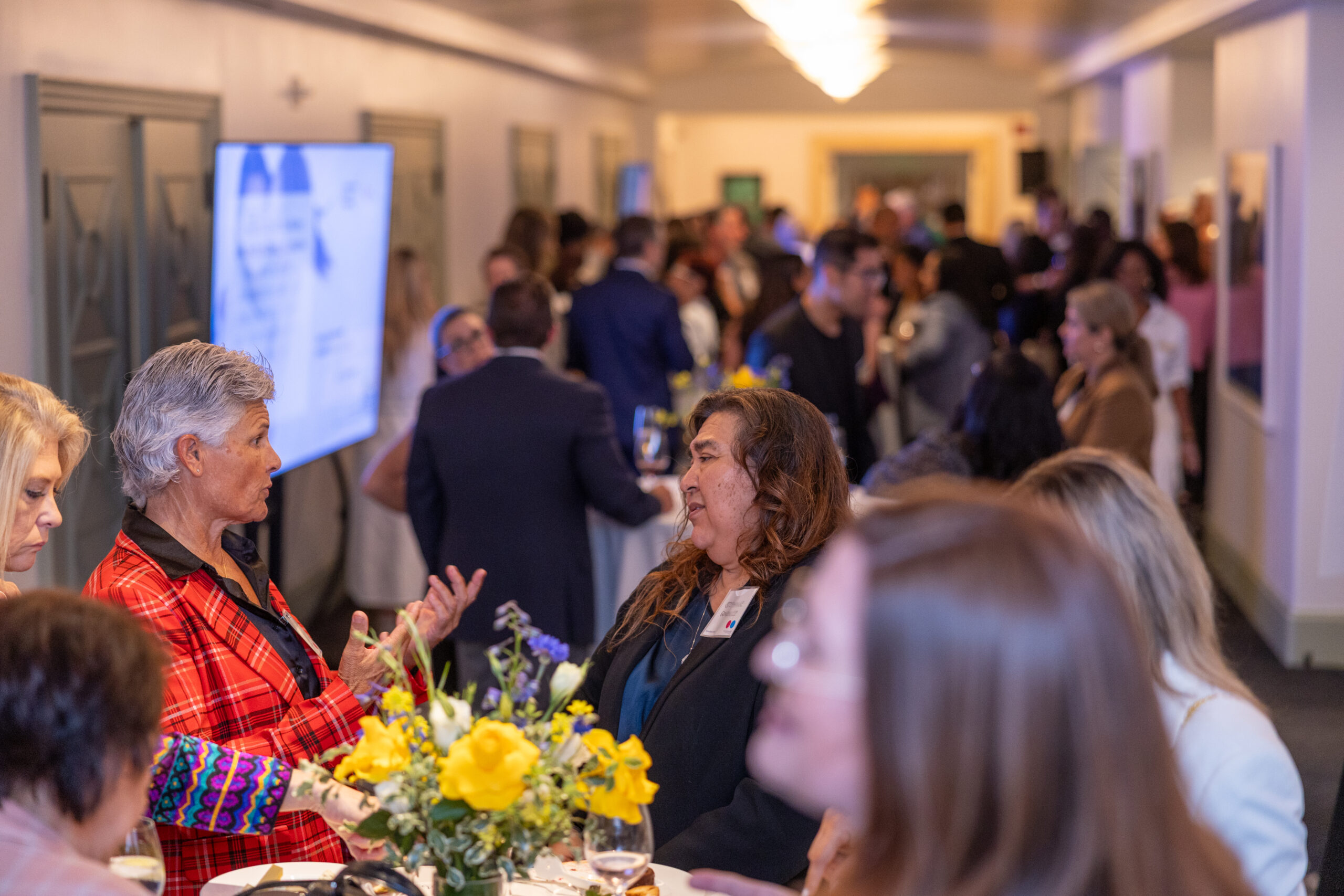
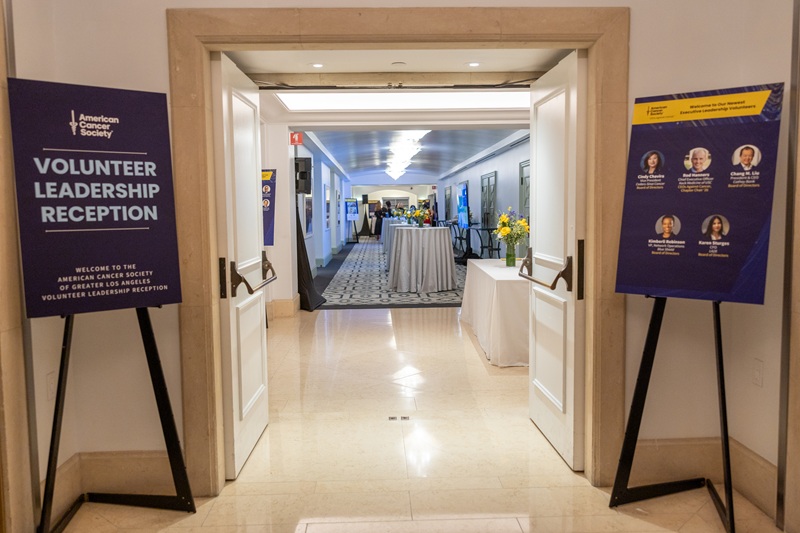
Beverly Hills, CA (The Hollywood Times) 4/17/26 – On April 16, 2026, the American Cancer Society hosted an inspiring and deeply personal Volunteer Leadership Reception at the elegant The Maybourne Beverly Hills. Centered on the theme “From Prevention to Survivorship: Uniting Leaders to Change the Future of Cancer,” the evening brought together executive leadership, corporate partners, Los Angeles board members, CEOs Against Cancer, volunteers, and supporters, all united by a shared mission: to end cancer as we know it, for everyone.
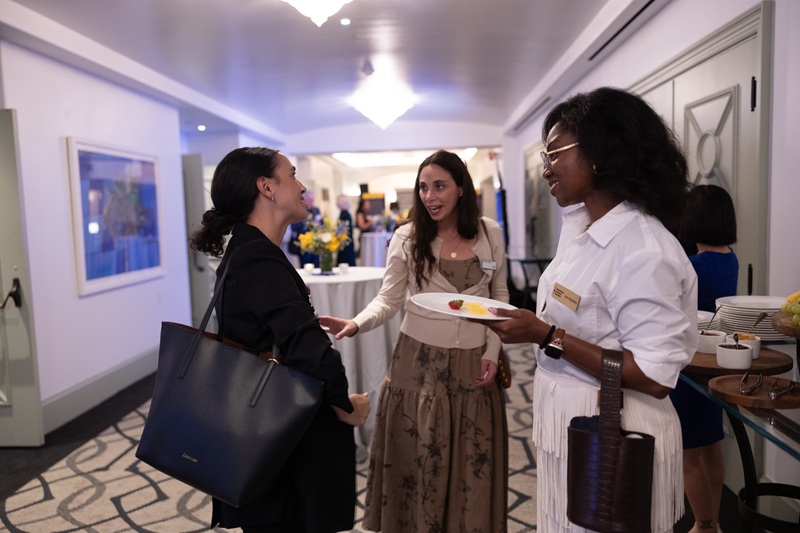
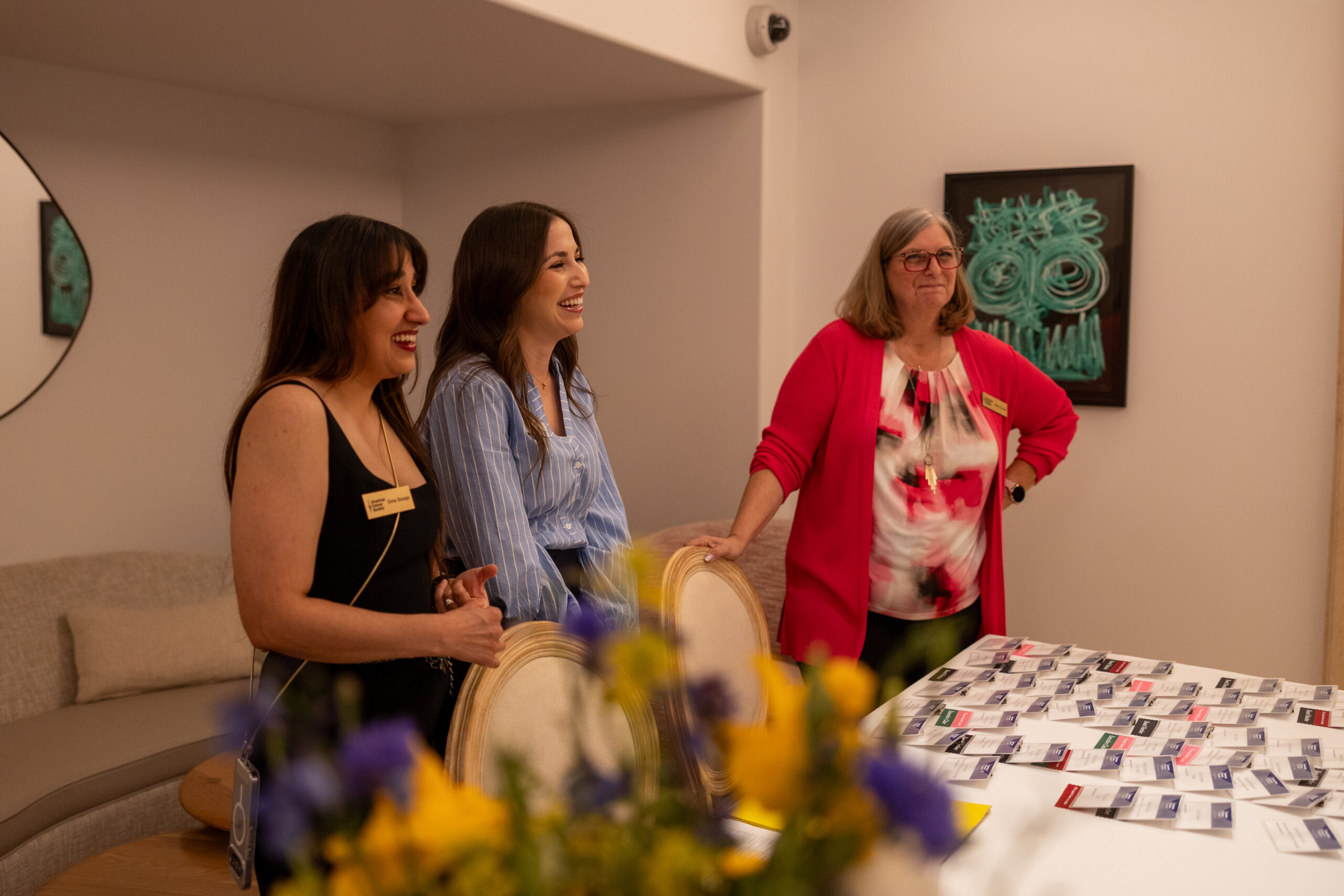 From the moment guests arrived, the tone was both sophisticated and purposeful. Conversations filled the room as leaders and advocates connected over a cause that touches nearly every life in some way. Yet it was the evening’s panel discussion that anchored the event, offering a powerful reminder that behind every statistic is a deeply human story.
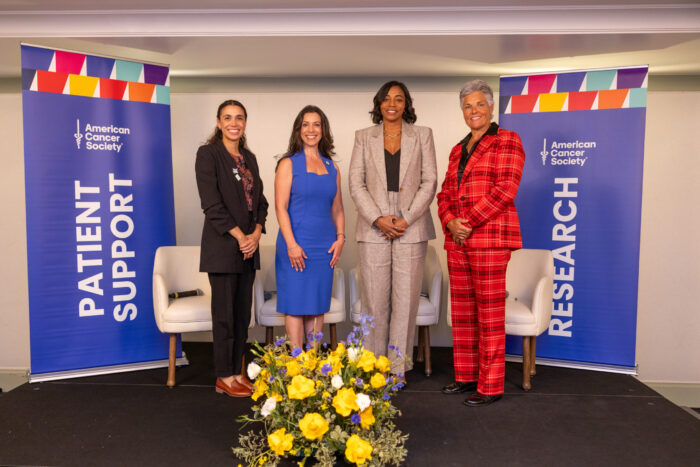
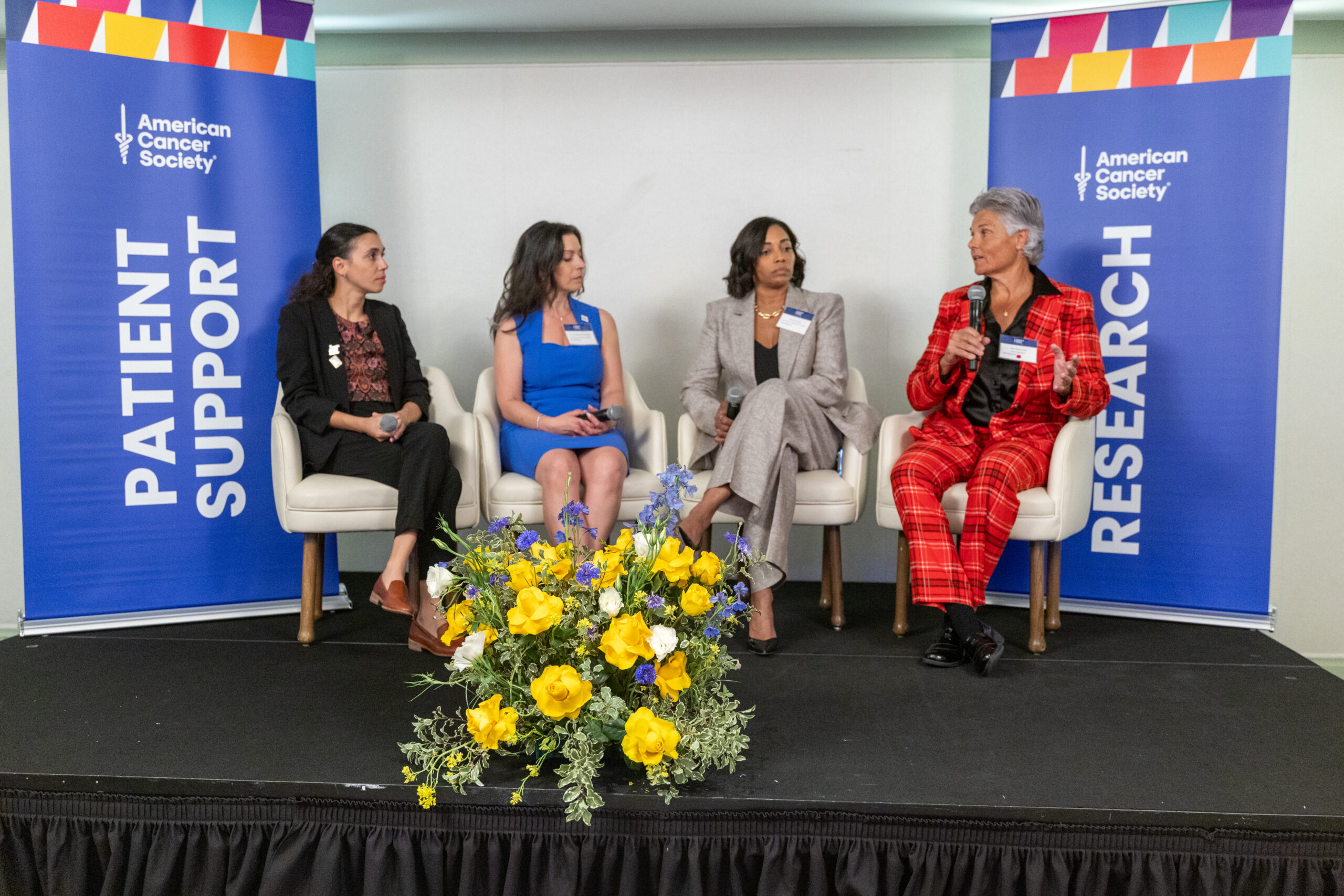
 Guided by moderator Gladys Arias, the panel featured Dionne Harmon, Dr. Christina Annunziata, and Ana Maria Gill, each bringing a unique and compelling perspective on the cancer journey, from diagnosis to survivorship.
 Dr. Christina Annunziata offered a powerful clinical and scientific lens to the conversation. As Senior Vice President of Extramural Discovery Science at the American Cancer Society, she leads efforts to identify and fund the most promising cancer research across the country and globally. A leader in both laboratory research and clinical trials, Annunziata has helped advance innovative approaches to treating ovarian cancer, including breakthroughs in immunotherapy and targeted drug development. Her work continues to shape how cancer is studied, treated, and ultimately defeated.
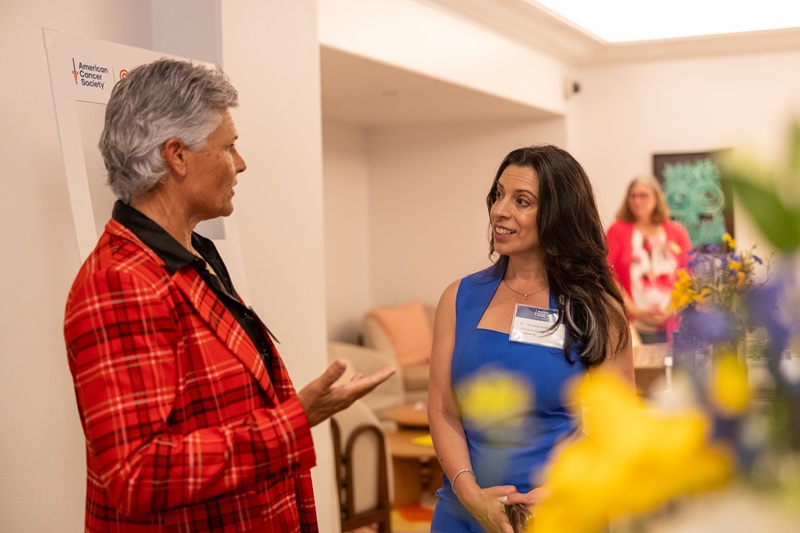
Her remarks reinforced the importance of early detection, continued scientific innovation, and equitable access to care, reminding attendees that while breakthroughs are happening, ensuring those advancements reach patients remains a critical challenge.
 That message was brought to life through the personal story of Dionne Harmon, whose experience underscored just how life-saving early detection can be.
An Emmy-winning producer behind some of television’s biggest moments, including major live productions alongside her fiancé, producer Jesse Collins, Harmon is no stranger to high-pressure environments. But in late 2023, a simple decision changed everything. After seeing an Instagram post about full-body MRI scans offered by Prenuvo, Harmon chose to be proactive.
That decision saved her life.
Her scan revealed a large mass in her right lung, despite having no symptoms, no history of smoking, and maintaining an active lifestyle. What followed was a rapid series of tests confirming Stage 3 lung cancer and a swift surgical intervention that ultimately changed her outcome.
“Early action is the reason that I’m sitting here right now,” Harmon shared. “I had no symptoms. I thought I was completely healthy.”
Her story also highlighted the stigma surrounding lung cancer and the urgent need for broader awareness and access to screening.
“The first question people ask is, ‘Are you okay?’ The second is, ‘Did you smoke?’” she said. “That stigma keeps people from talking about it, and from getting screened.”
 The conversation then turned to one of the most overlooked yet critical barriers in cancer care: transportation.
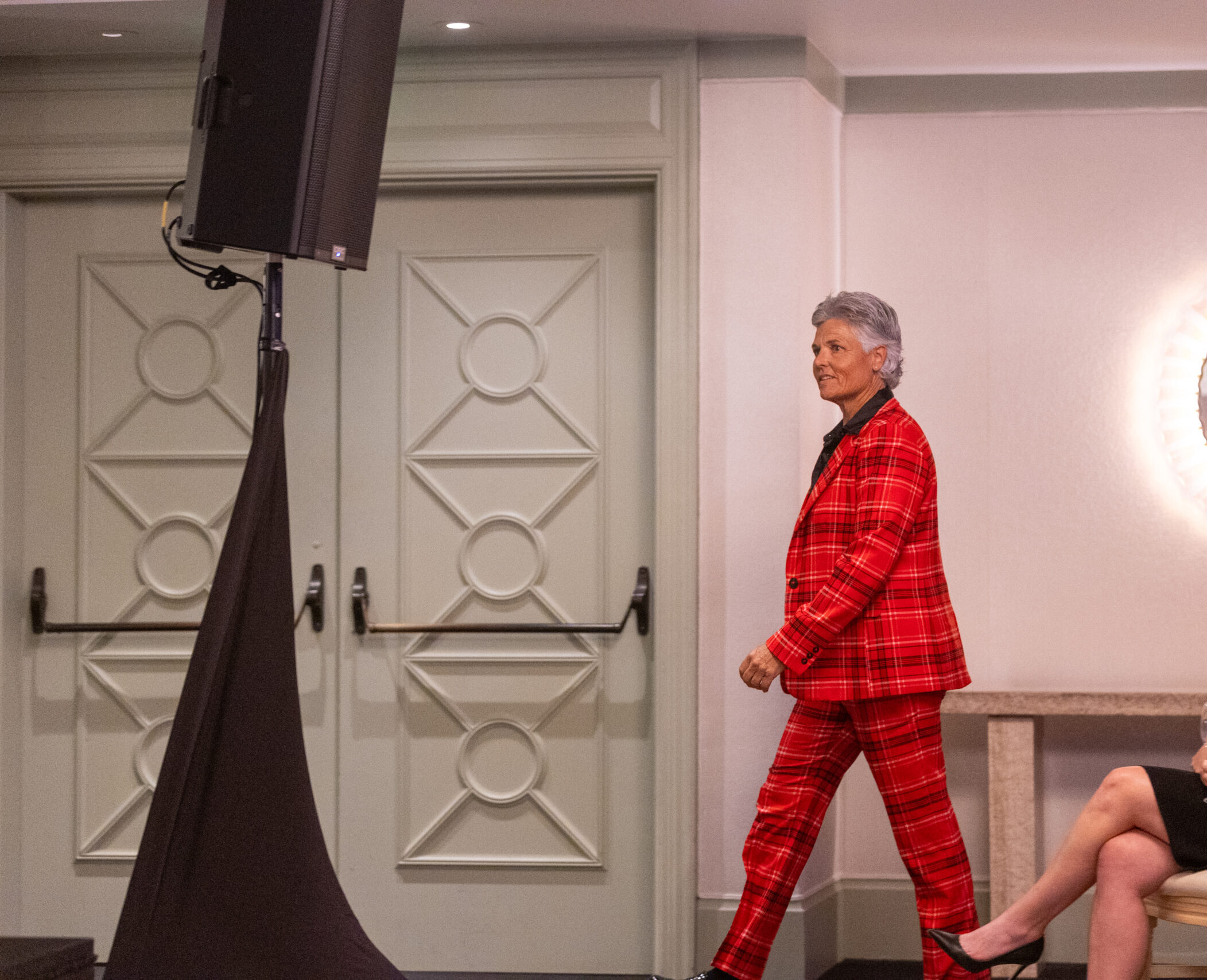
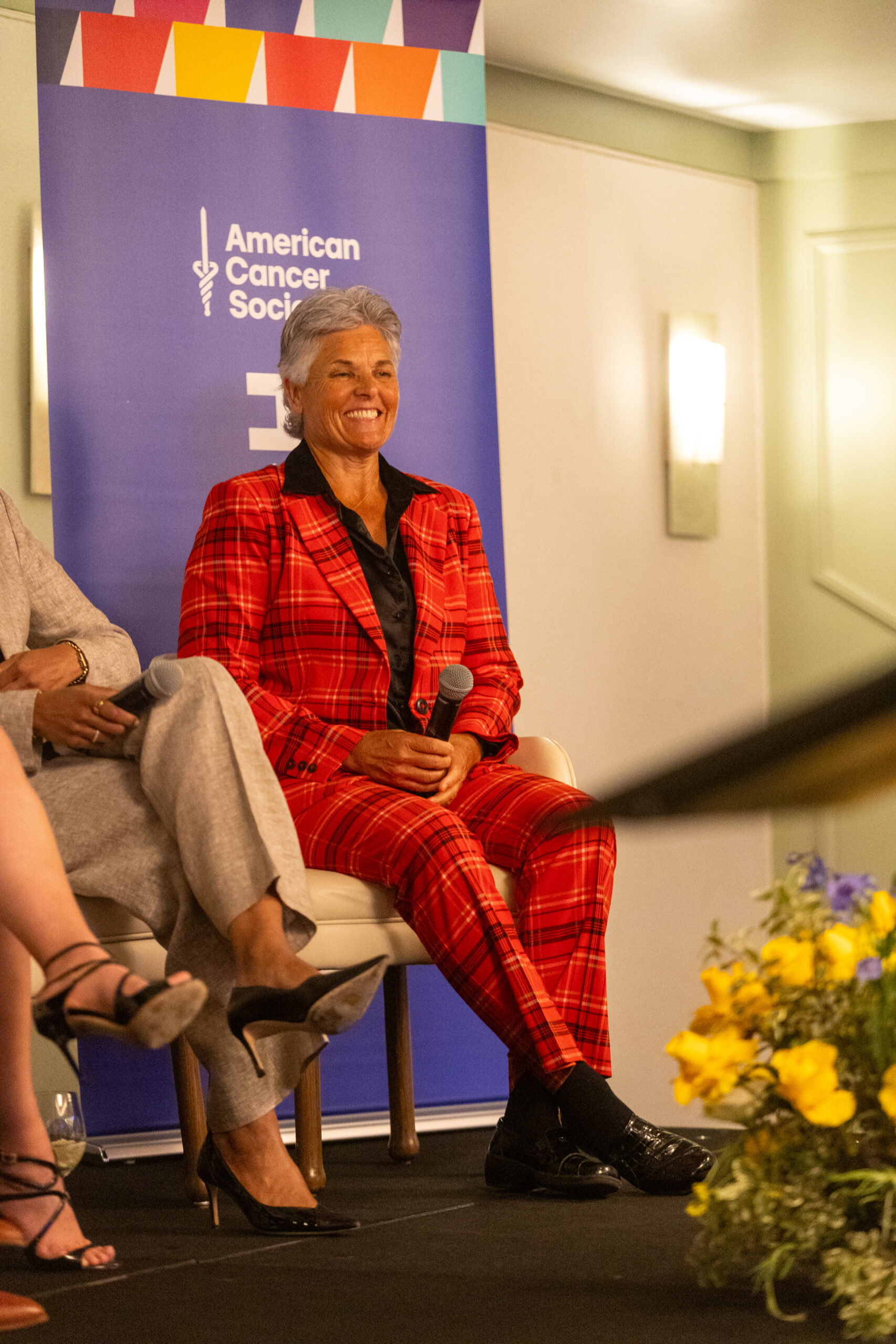 That perspective was brought into sharp focus by Ana Maria Gill, whose work as a Road to Recovery driver demonstrates how something as simple as a ride can determine whether a patient continues treatment or falls behind.
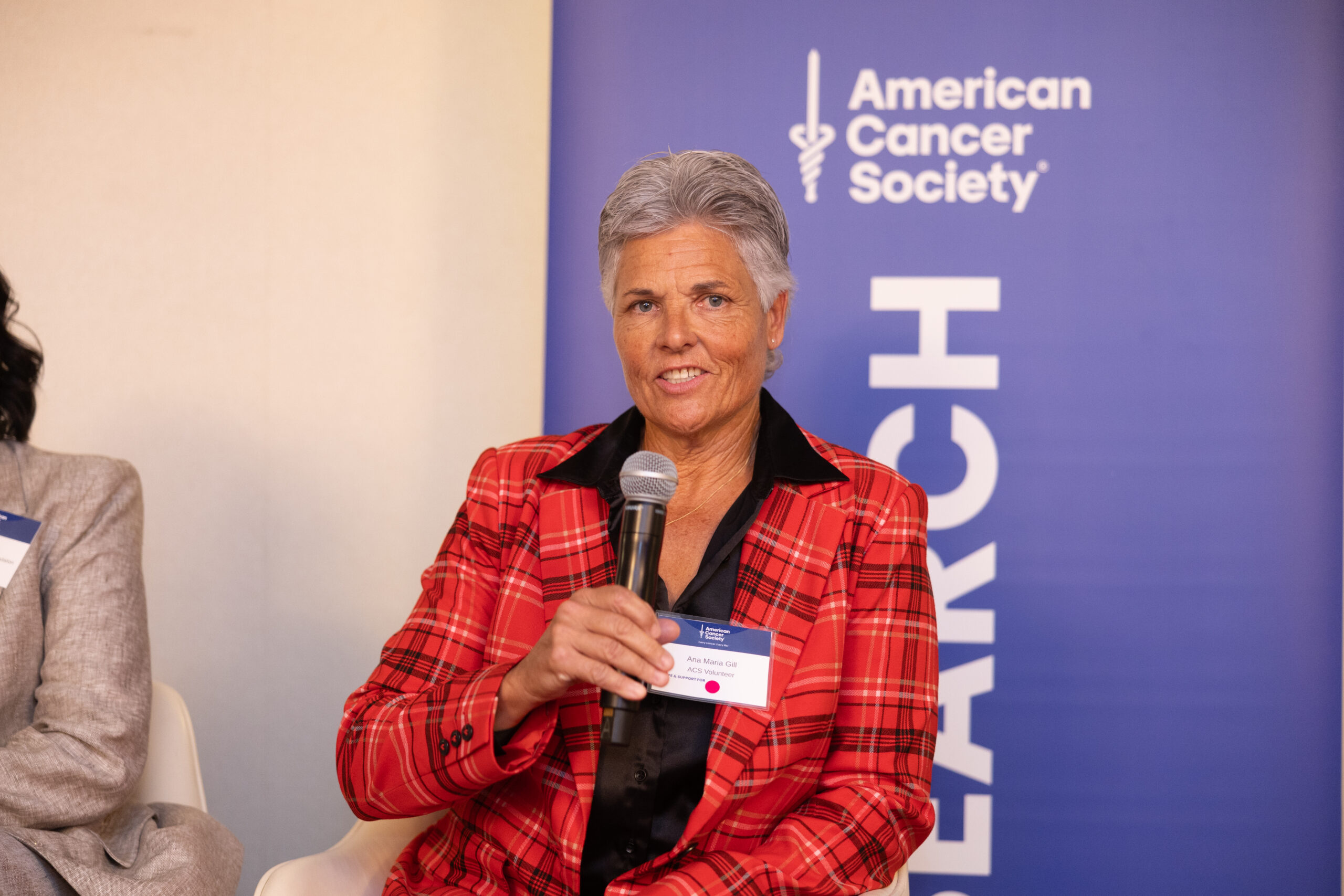
“I’m here tonight not just with my personal story, but on behalf of all Road to Recovery drivers,” Gill said. “It’s a team effort. We’re helping patients get to appointments, radiation, chemotherapy, scans, and the need is tremendous.”
 A retired police officer who served 25 years with the Long Beach Police Department, Gill has spent her life in service. After retiring, she sought meaningful ways to continue giving back, eventually discovering the American Cancer Society’s Road to Recovery program.
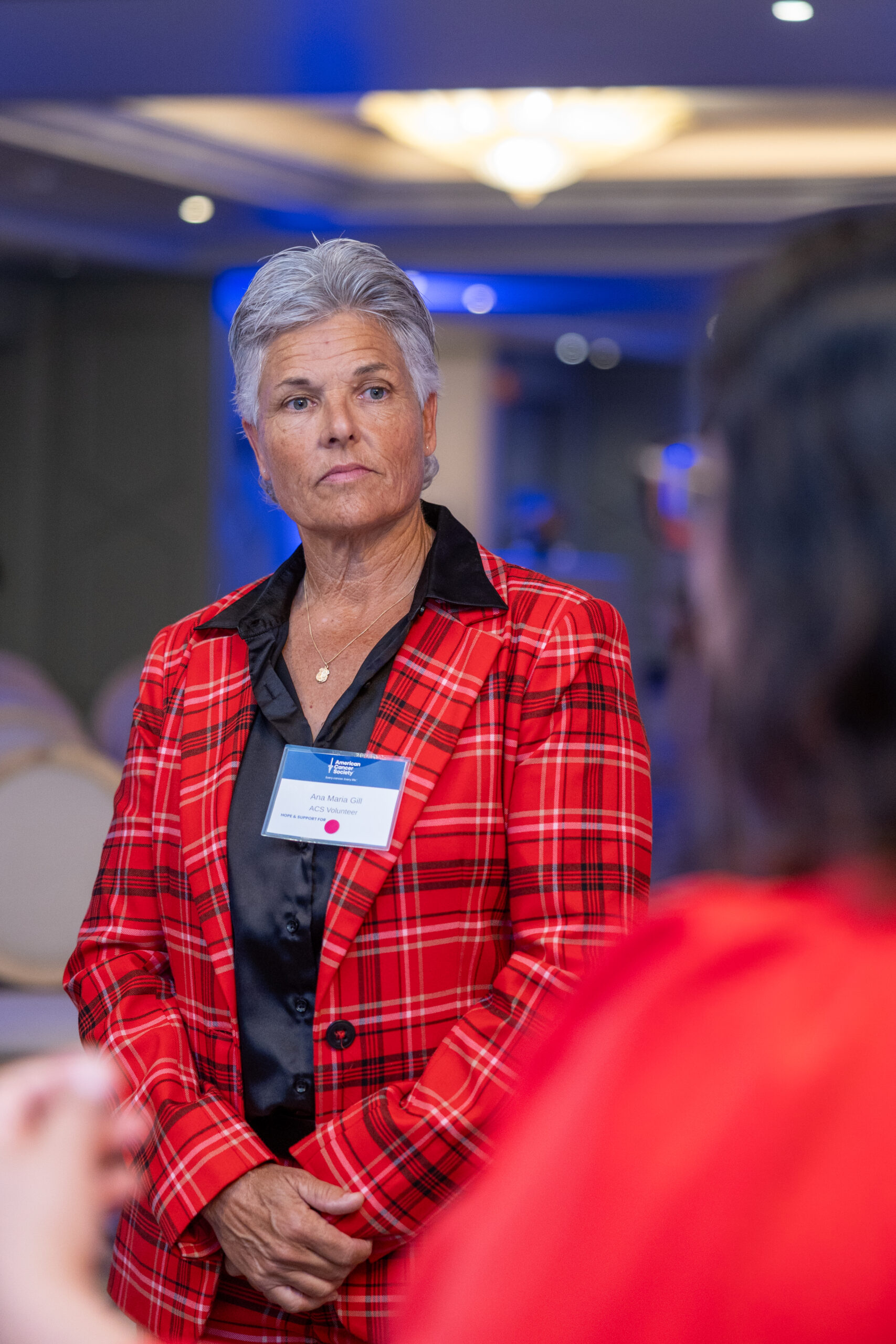 “I wanted to live a life of purpose,” she said. “What’s incredible is that wherever you are, you can log in and help.”
Now based in Phoenix, Gill drives patients across multiple regions, from Maricopa County to Riverside, Palm Springs, Huntington Beach, and Los Angeles, stepping in wherever the need arises. Her work has even been highlighted locally, where she has been seen transporting patients like Donna, a chemotherapy patient in Phoenix, demonstrating not only the logistical importance of the program but the human connection it fosters.
Through these rides, bonds are formed, stories are shared, and patients find not just transportation, but encouragement and understanding, especially from someone who knows what it means to face cancer-related challenges.
The American Cancer Society continues to seek volunteer drivers like Gill, inviting individuals between the ages of 18 and 84 with a valid driver’s license, background check clearance, and training to participate. Drivers can choose their own schedules through an app, making it an accessible and flexible way to give back.
Through her experiences, Gill has seen firsthand how transportation challenges impact patients across all walks of life.
“I’ve driven people who have a car in the garage but physically can’t drive,” she explained. “And others who are taking multiple buses just to get to treatment. It’s exhausting and not always safe. Transportation is a huge issue, and it’s often overlooked.”
In her three years as a volunteer, Gill has provided more than 400 rides, each one playing a vital role in helping patients stay on track with their care.
“When someone tells you this program has been a blessing, that all the volunteers have been there for them, it’s incredibly powerful,” she said. “Because it’s not just a ride. It’s helping someone continue treatment, complete their care, and move toward survivorship.”
 Together, the panel painted a comprehensive picture of the cancer journey, from prevention and early detection to treatment and survivorship, while highlighting the real-world barriers that still stand in the way. Whether through groundbreaking research, personal advocacy, or acts of service, each speaker demonstrated that progress requires a collective effort.
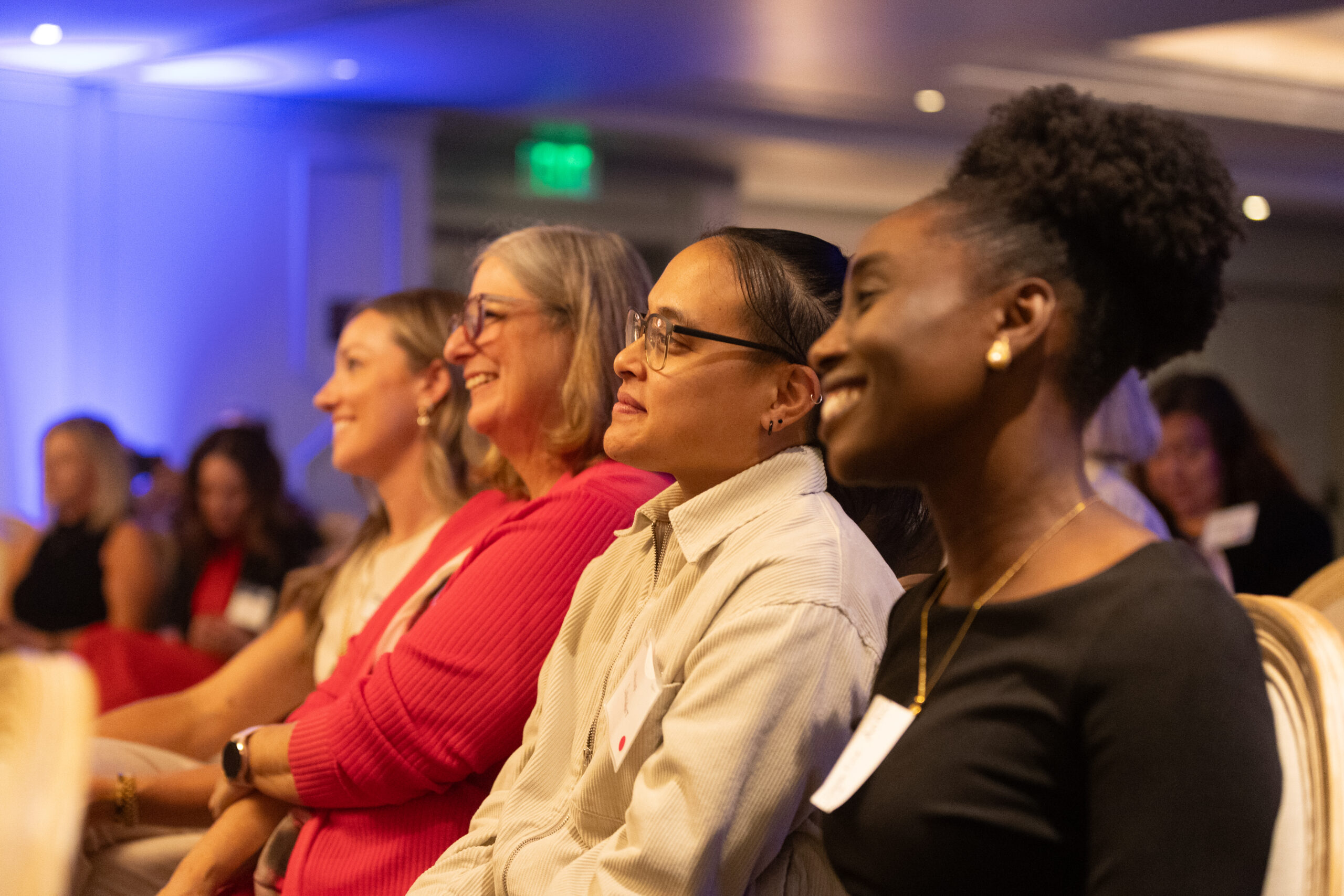
 As the evening came to a close, one message resonated throughout the room: advancing the fight against cancer is not just about science, it’s about people. It’s about showing up, removing barriers, and ensuring that every individual has the opportunity not only to survive, but to thrive.
 For those seeking support, resources, or ways to give back, the American Cancer Society offers a comprehensive directory of programs and services available in your area. From patient support and transportation assistance to volunteer opportunities and community initiatives, their network continues to make a meaningful impact nationwide.
Explore more here:
Find Support Programs and Services in Your Area | American Cancer Society