By: Brianna Oppenheimer
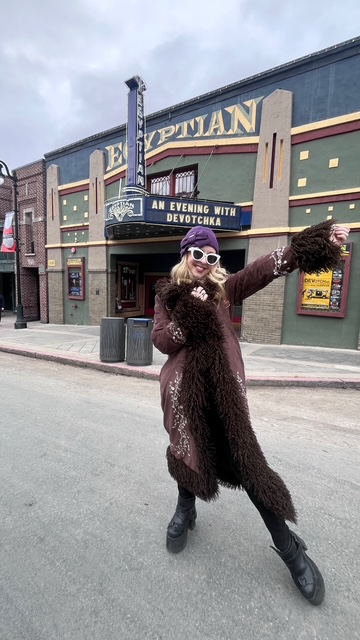
Park City, UT (The Hollywood Times) 2/2/26 – Last week, I went to Park City for the last time for Sundance 2026. It is the end of an era. However, I felt hopeful when Amy Redford said that her father said, “He wasn’t afraid of change, he embraced it.” Yes, Sundance is moving from Park City to Boulder Colorado. However, I spoke to a Latino woman who said some people don’t feel comfortable in Utah. That made me think, maybe Boulder will be better for so many people. Yes, there will be a learning curve, and some people won’t make it. On the other hand, it could be a better fit for all. Park City is so small. Every venue is at capacity almost immediately. It does give Sundance this sort of summer camp feel but if you are not in line 45 before then you didn’t get into the event. The first event I attended was a fireside chat with Producer Patrick. What a vulnerable and honest man. He mentioned how his cinematography friend passed away during the pandemic. A great take away was, “You never know what’s going on in someone’s life. Instead of being frenemies with people within the industry, let’s build each other up and not be afraid of speaking our truth”. He advocated, “Bethe change you want to see in the industry”, which seemed to be a constant theme of the festival in 2026.
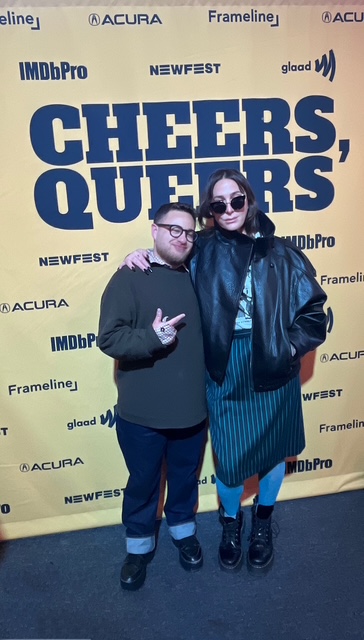
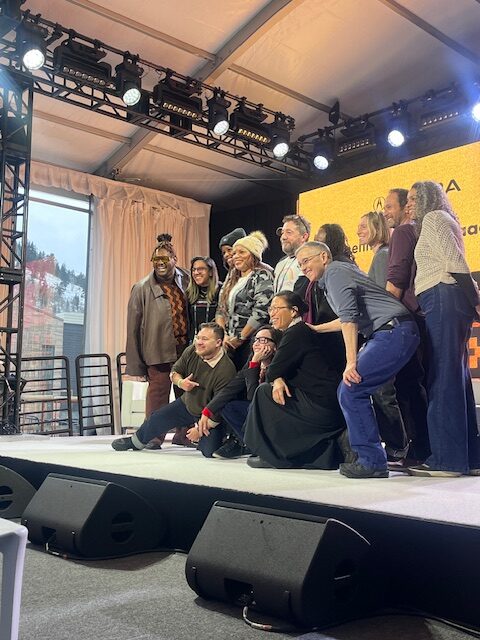
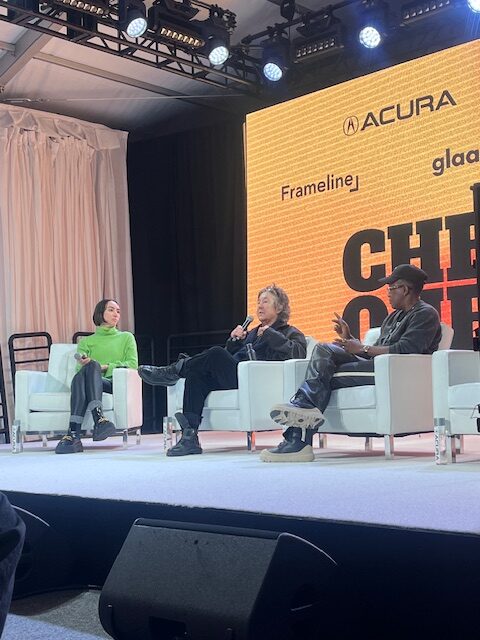
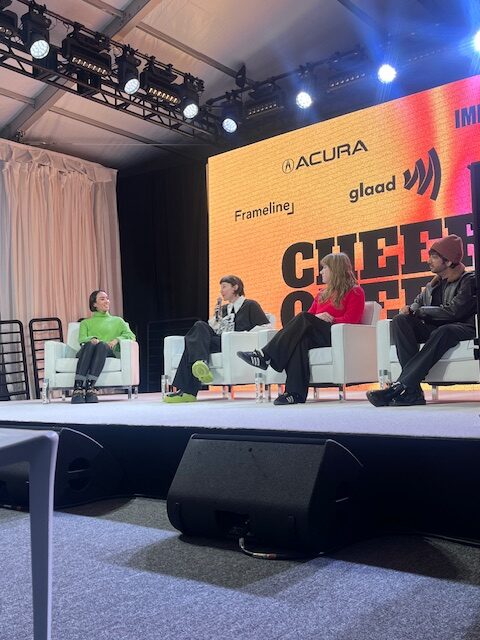
Later, I was lucky enough to go to “Cheers, Queers”, MC’ed by Ryan Mitchell and with hosts David Hatkoff (NewFest), Allegra Madsen (Frameline), and Alex Schmider (GLAAD). Programs included a highlight reel of LGBTQ filmmakers, creatives, and activists including Brydie O’Connor (Director, “Barbara Forever”), Guinevere Turner (“Go Fish,” Sundance 1994), Jenni Olson, Jennie Livingston (Director, “Paris is Burning”), Jeffrey Winter, Opal Bennett (Emmy-winning Producer at POV), Laurie Townshend (Director, “A Mother Apart”), Karen Song, Maya Satya Reddy, Sav Rodgers (Director, “Chasing Chasing Amy”), and Yvonne Welbon, who shared personal memories and visions for the future. I really enjoyed, the New & Next Queer Cinema: A Conversation with Queer Icons of Then and Now, a panel which featured prolific filmmakers Christine Vachon and Cheryl Dunye, two luminaries who shaped the New Queer Cinema movement; followed by a conversation between emerging filmmakers, including Jamie Kiernan O’Brien (Director, “Gender Studies”), Nik Dodani (“The Charm Offensive”), and Paloma Schneideman (Director, “Big Girls Don’t Cry”), who talked about building on this legacy. There were also special guests Eugene Hernandez (Director, Sundance Film Festival), Nisha Ganatra (Director, “Freakier Friday”), and Ryan White (Director, “Come See Me In The Good Light”). Other VIP guests in attendance included, Kimberly Reed (“Dark Money”, Sundance 2018), Sandi DuBowski, Kim Pierce, Aitch Alberto, Bing Chen, Erica Cobb, Kevin Xian Ming Yu, Yasmin Kassim, Alice Kremelberg and many of the filmmakers and storytellers who have shaped Sundance and culture at large over the years.
They shared how we are so lucky to be in a room celebrating together. Filmmakers are powerful because filmmakers can say things that will only be heard and understood through film. Filmmaking was a form of protest in the 80’s for the Queer community. It was standing up for people with AIDs and today is standing up for our transgender siblings. They also celebrated the filmmakers in the room because it is harder to get into Sundance than to get into Harvard. We were privileged to be honored by the Killer Queen herself, Christine Vachon. What a legend! She started with the film “Poison”. She talked about how there was a lot of pressure on her to make a film for everyone. Make a film for gay men but also make a film for gay women. By now she has made films for a lot of different types of people but in the beginning, she said give me time and I will make that film! On the move to Colorado, Christine said, “I’m not nostalgic, I’m excited for where the festival is going.” Paloma Schneideman discussed manifesting more queer stories in the future and making stories with less explanation. Everyone here was very hopeful for less trauma stories and more happy queer existence stories.
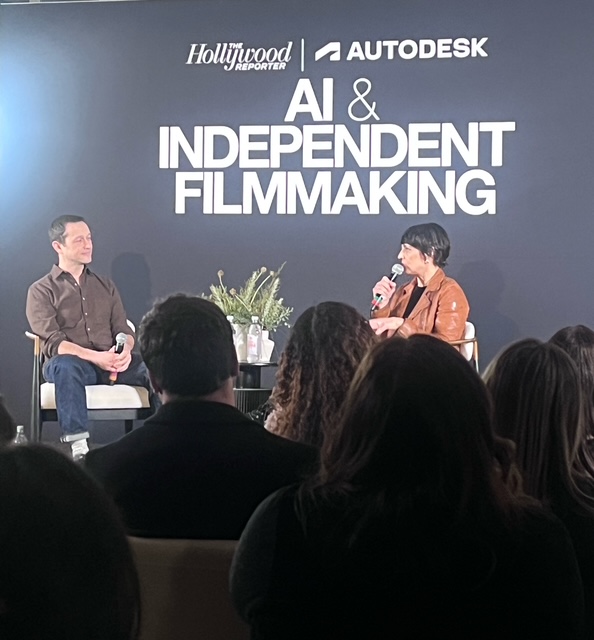
At the heart of the festival’s most urgent discussions was the launch of the Creators Coalition on AI (CCAI) at the AI and Independent Filmmaking Panel Led by Daniel Kwan and Joseph Gordon-Levitt to name a few, the group has amassed over 800 signatories including Cate Blanchett and Scarlett Johansson to fight what they call an “unethical IP grab” by tech giants. He had a funny story that we are all at an orgy with these tech companies and there currently is no safe word. That was a light and funny moment for a serious and tense conversation.
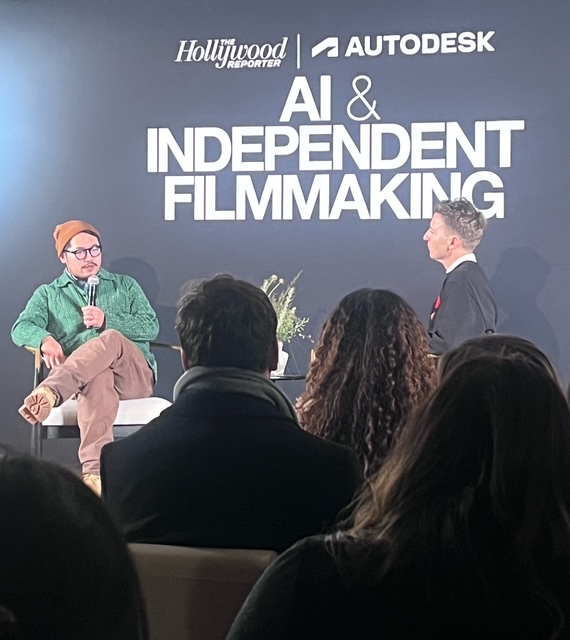
Kwan, the Oscar-winning director of “Everything Everywhere All at Once”, didn’t mince words: “We are in a corporate international arms race, and this technology is currently incompatible with our society.” He warned that without coordination; filmmakers will face the same fate as taxi drivers under Uber or musicians under Spotify: lowered wages and an undercut industry.
 The CCAI isn’t seeking to ban AI, but to demand a system built on consent, compensation, and transparency…and some safe words. As Gordon-Levitt noted, “Screen time isn’t the problem; the algorithms are. They are built using the same techniques as slot machines to hook human brains.”
There are some key pillars of the Creators Coalition. First, is transparency: Full disclosure of data used to train models. Second, is consent and human pay: explicit permission and fair compensation for creators whose work is harvested. Finally, and most importantly, is human-first environment: guardrails to ensure AI serves as a tool for efficiency (like rotoscoping), not a replacement for human vision. This conversation was a rough reality check that we all need and can learn more by watching Kwan’s film, “The AI Doc: Or How I Became an Apocaloptimist”.
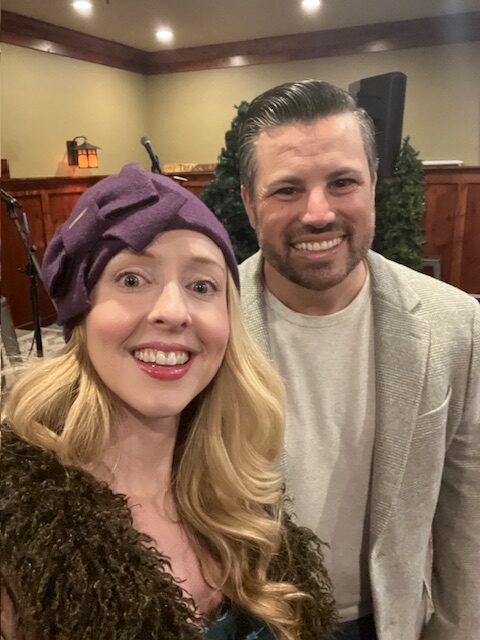
Later, the incredible Echobend crew, Ryan Turner and Noah Wagner, invited me to ‘Monday on Main’, with Mike McNamara. They held a very interesting conversation about copyright versus trademark. I think it is important to differentiate between the two in the times of AI. If there is no human component, there is no copyright. They also spoke about consolidation means less opportunity at the studio level but there are opportunities for people to create their own thing.
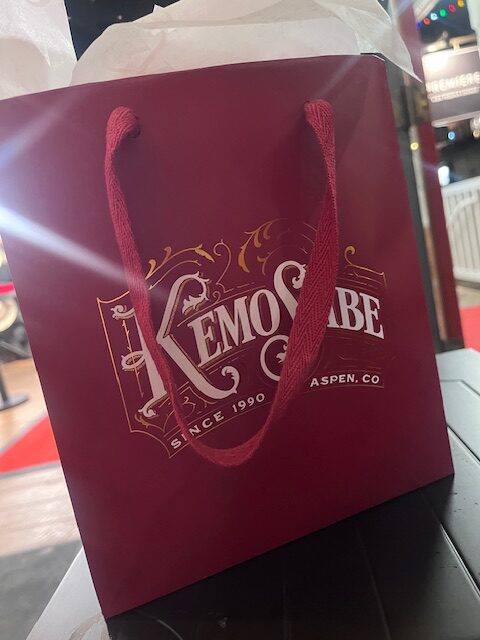
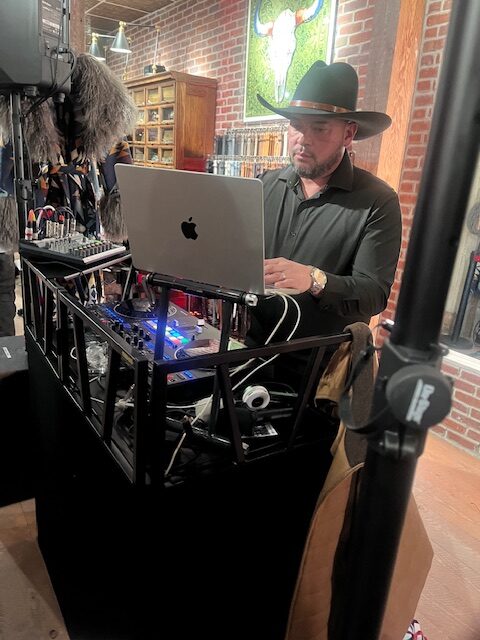
Sundance has truly changed over the years from its indie film roots. I also attended a reality TV star studded event at Kemo Sabe on Main Street, to honor healthcare advocate Rachel Strauss and her powerful documentary ‘Side Effects May Include’. The red carpet was packed with supporters like Brandi Glanville, Meredith Marks, and Tom Welling, all there to hear Rachel’s urgent message about exposing the “money-making scheme” of big insurance. Between the hard-hitting screening and a high-energy set by DJ Jon Gosselin, I enjoyed curated High West Whiskey cocktails and even got a leather manifestation branded by author Allie Kingsley for my cowboy hat. Before heading out, everyone was treated to an incredible gift bag filled with luxury wellness items from partners like Leafwell and US Beacon.
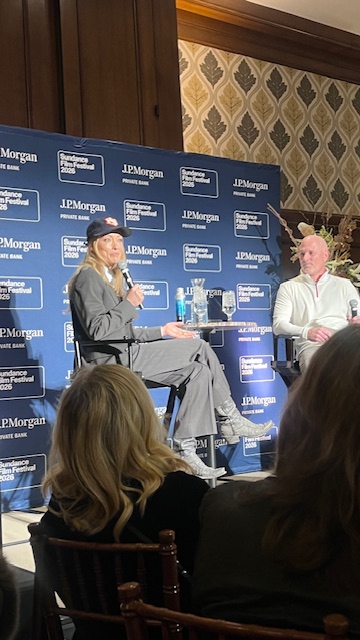
One of the major highlights of the entire weekend was the hope and optimism from Olivia Wilde. She was there for her acting role in “I want Your Sex.” She also directed the film “The Invite,” that invited a bidding war that A24 finally won for over $10 million, with actors Seth Rogan, Ed Norton, and Penelope Cruz. Humble and hardworking, Olivia said, “I have famously failed” but went on to describe how working in this business you have to be somewhat delusional and optimistic to get up and try again. She mentioned how it was Robert Redford who originally inspired her to be an actor and director. She gave thanks to Megan Ellison. If it weren’t for Megan Ellison and her belief in Olivia, then Olivia wouldn’t be a director. Olivia talked about how it is nice to just show up to a set and act, but that she likes to stay late so she can copy ideas from great directors she works with. She said making a movie is like venture capital. J.P Morgan has been so collaborative with Olivia’s new fund, Proximity, and bringing her great clients. She likes the idea of using technology to make films at a lower price point. Someone in the audience asked about making a film as a woman. Olivia talked about how most women don’t make a second film because they have to give up their entire lives. She jokes that men made movies so they wouldn’t have to go home. The biggest take away was to show no fear as a director, or an actor, or about the future. Olivia is not afraid to try new things and maybe fail. So, you shouldn’t be afraid of where the future is taking us either!