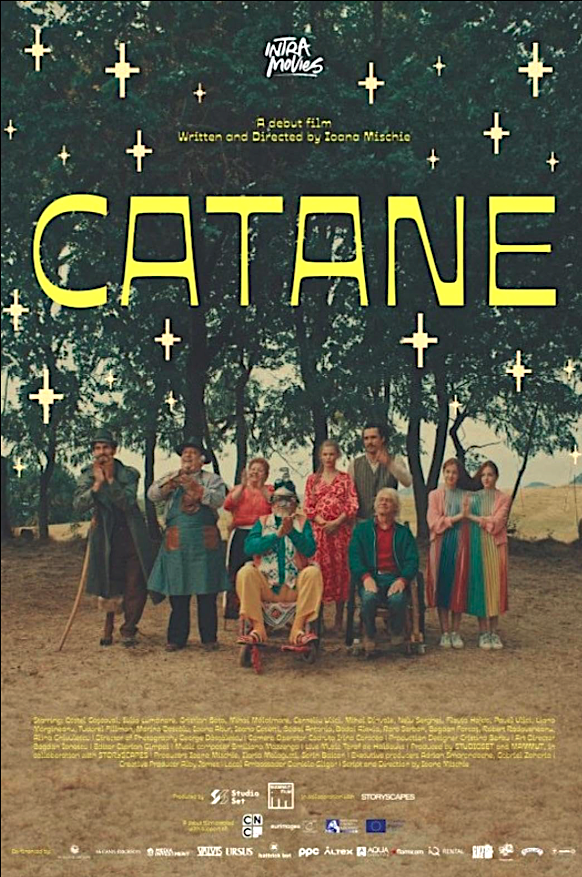
Wednesday, April 29 was the Opening Gala of the 21st Annual South East European Film Festival (SEEfest 2026) at the Fine Arts Theatre in Beverly Hills. The evening featured Ioana Mischie’s Romanian dark comedy “Catane.” This film has earned critical recognition, including a nomination for Best Original Score (Independent Film – Foreign Language) at the 2025 Hollywood Music in Media Awards (HMMA) for composer Emiliano Mazzenga. Set in the remote village of Catane in 2008, this film follows in the tradition of such Romanian arthouse hits as “The Death of Mr. Lazarescu” and “Tales from the Golden Age,” being a social-realist drama with a darkly humorous bent. “Catane” is a very Balkan story, with a very Balkan feel, but in the style of Wes Anderson.
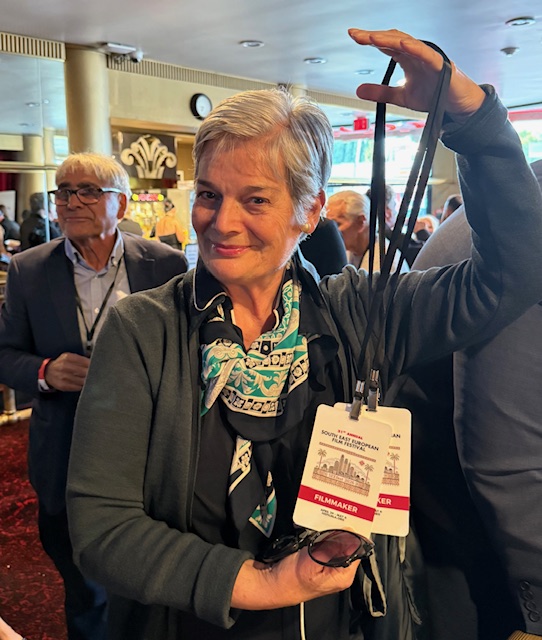
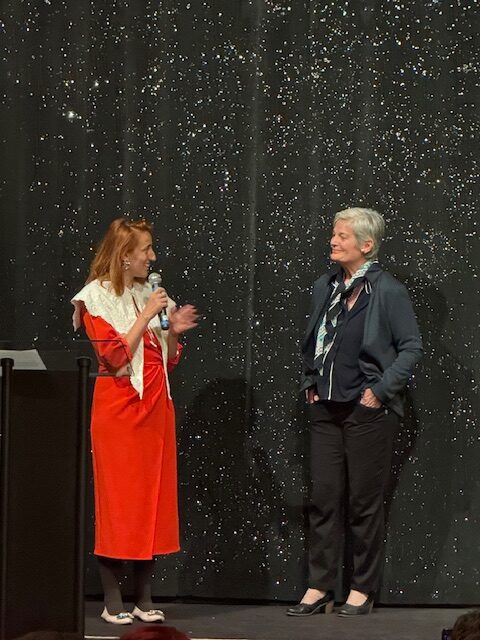
SEEfest Director Vera Mijojlić gave the opening remarks before presenting the SEEfest Achievement award to Ukrainian director Maryna Er Gorbach for her fine filmmaking work, especially he award-winning “Klondyke” (2022). Then Vera introduces the director of “Catane” – Iona Mischie – after which the audience enjoyed this very funny and darkly poignant film.” There was a most informative Q&A with the film’s director afterwards, where Mischie explains the long process of writing and making “Catane.”

Mischie’s “Catane” takes place in the remote Romanian village of Catane, a community of villagers, long surviving on disability benefits obtained through ambiguous means, faces exposure when a local inquiry descends. What unfolds is not a story of deception, but of unexpected ingenuity. As the villagers band together under pressure, they craft a disarmingly poetic and humorous response to the absurdities of a broken system. In reinventing their way of life, they reveal not only a means of survival – but a radical model of communal resilience in a fractured world.

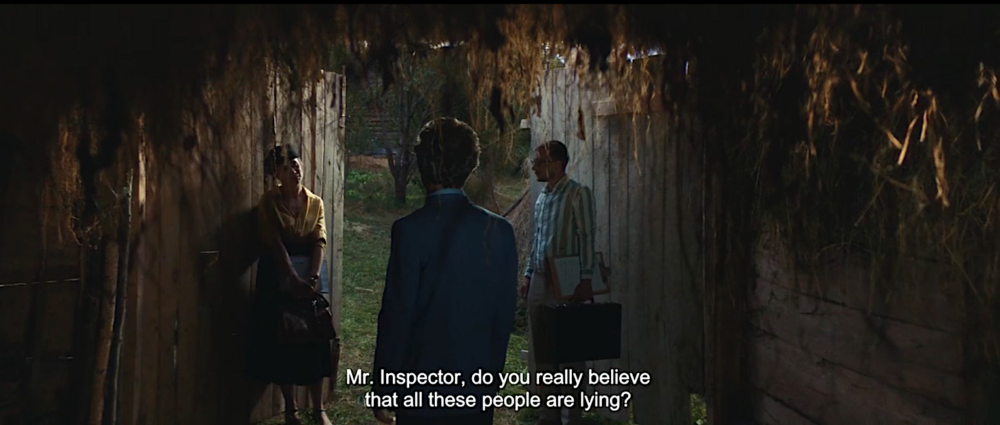
The movie begins with Inspector Mitrea and his colleagues, Magda and Silviu, wasting away their time in their understaffed office. Soon they are spurred into action when they get the report that every single resident of the village of Catane has applied for a disability cheque. Does that mean every villager is sick or handicapped? That’s what Mitrea, Magda and Silviu set out to check before they can approve the request. As they head to Catane to verify the report, their journey is a chaotic one as the villagers do everything to delay the inspection. Are they all really disabled or are they trying to cash in on the money?
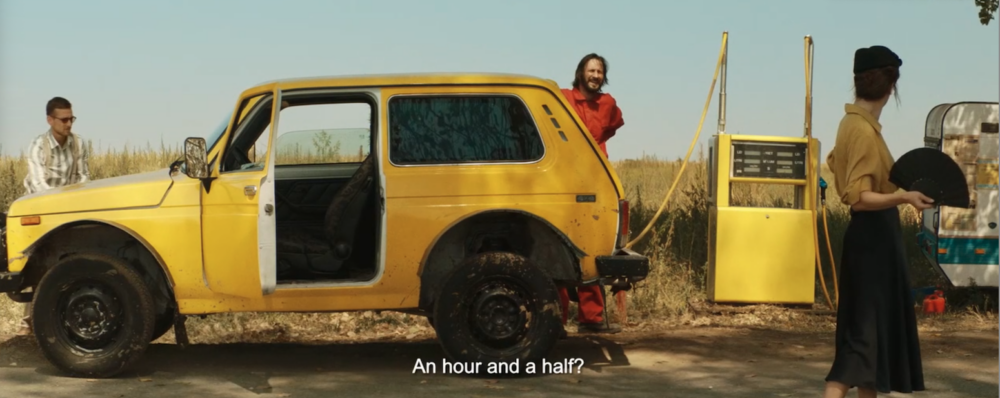
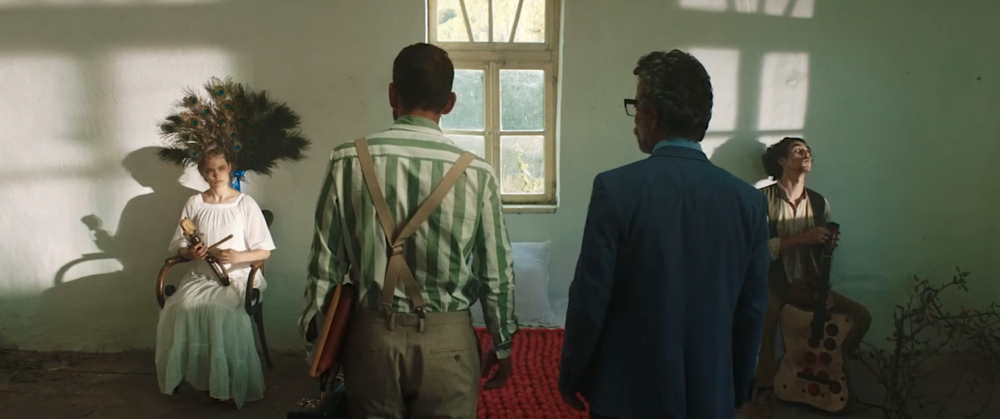
Catane is beautifully shot, taking full advantage of the gorgeous landscape of the Romanian countryside. Director Mischie grew up in a remote Romanian village, so she is quite familiar with the ways of country folk in her country. After a long search, the film team found a tiny Romanian village in the mountains with old wooden houses that are rare to find anymore. Starting out as a road picture, the car with the trio of inspectors has its challenges in getting to Catane. This big city really don’t know what they are getting into. The villagers wear colorful, traditional clothes. But the trio arrives in office wear – quite a contrast. Madga, a city girl wears a bright yellow satin blouse and high-slit skirt and high-heels.
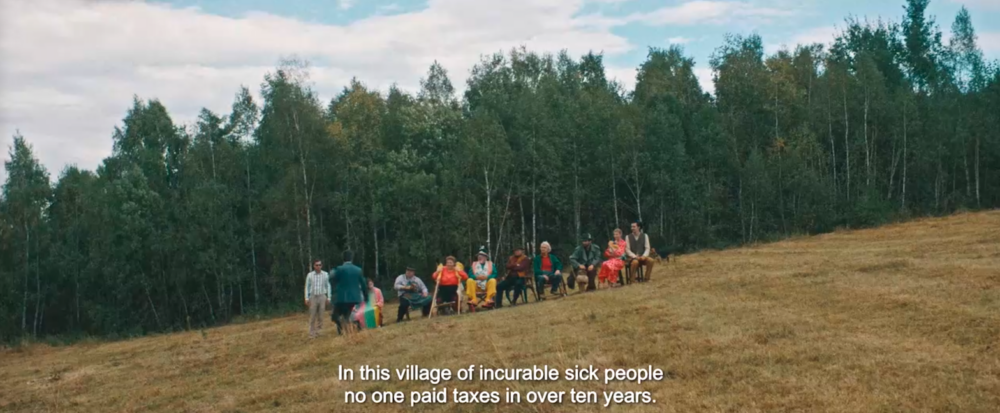
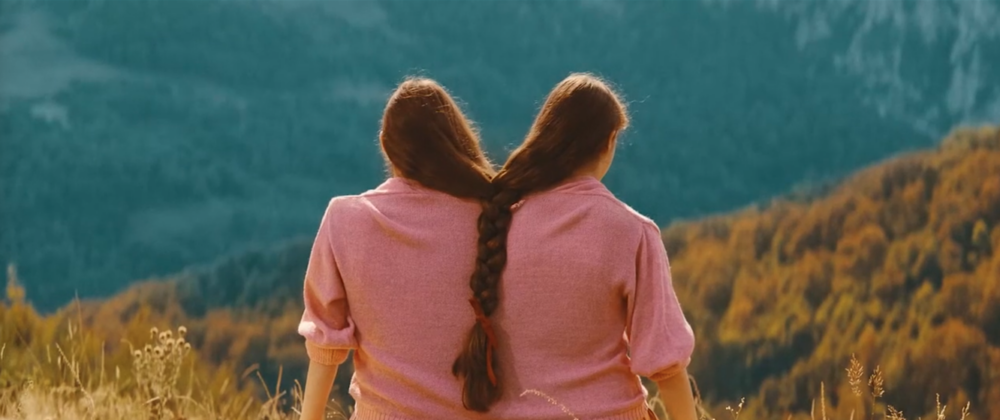
As the inspector makes his way through each applicant, he pockets exotic keepsakes from wooden handicrafts to trying to grab a rare loom-made shawl. Madga gets taken in by forester with a missing leg and has a gift for animals – providing a bit of romantic intrigue. The cleverly made-up disabilities include a blind man who uses a sewing machine and a handicapped couple who are excellent cooks. There is a set of Siamese twins who seem linked at the hip and a married couple who cannot speak but make strange noises to communicate.
The head inspector sends off a message to the government office of the need for Human Services to provide assistance to these unfortunate villagers and the President of Romania agrees to come and visit himself. The rest of the plot evolves from the panic that this creates for the Head Inspector and his team.
Catane may be funny, but it also ventures into social commentary. In the final act, the scheming villagers and the corrupt inspector go head-to-head and finally rationalize their twisted actions. The movie sheds light on the status of taxpaying villagers who are forgotten by their own government. Even the inspector gets his redemption by highlighting how there may be some officials who truly care but their hands are tied
.
The film is structured into three parts and we are all in on the deception by the villagers from the start. But that is part of the fun with Mischie’s choice of actors – both professional and non-professional. She cast some major roles with well-known Romanian theatre actors who play against type. Mihai Dinvale as the “mayor” of the village of Catane and Mihai Mãlaimare is Mitrea, the head inspector from the Bureau of Disabilities. Mitrea heads up the team that goes out to the village to determine if the inhabitants of Catane are truly disabled and just on the dole from the government services. He is accompanied by a female physician Madga (played by Iulia Lumanare) and an office worker named Silviu (played by Cristian Bota).
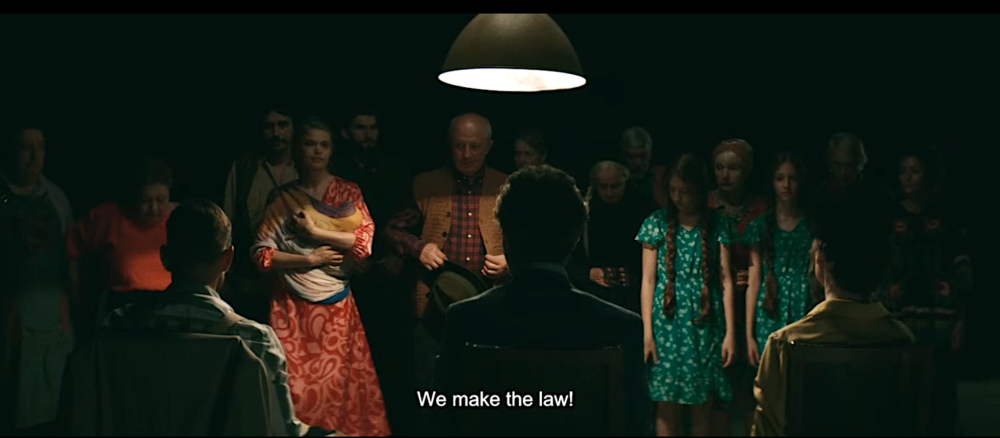
“I like to call it a comedy about sorrow and a drama about happiness,” says Mischie. “It’s a bittersweet story about a community of villagers who declared (they all) had disabilities in order to get money from the state. Then one day they get inspected and each of them has to pretend to have them, and innovate all kinds of disability tools in order to fool the authorities. They initially succeed, but slowly they get discovered and are sentenced to a total amount of 237 years of arrest. However, after a few struggles, they set an example for society.”
SEEfest 2026 runs from April 29 through May 6 with more than 16 feature films and documentaries, as well as several series of short films. Tickets for most screenings are $12.00. If you plan to see a number of films, consider purchasing a SEEfest Festival Pass for $95.00. The venues for the screening vary, so it is important to pay attention to the locations: Fine Arts Theatre in Beverly Hills, Sunset Screening Room in West Hollywood, USC Norris Theatre, Laemmle NoHo Theatre in North Hollywood, and Laemmle Royal Theatre in West Los Angeles.