
Los Angeles, CA (The Hollywood Times) 7/25/2026 – Every independent artist has likely asked the same frustrating question at some point: Why isn’t anyone covering my music? In an era where social media promises instant visibility and countless marketing “gurus” sell formulas for overnight success; it is easy to believe that publicity is simply a matter of finding the right email address or sending enough press releases.
Veteran music publicist Raquel Figlo challenges that assumption from the very first pages of No One Is Covering You: How Artists and Managers Actually Get Press and Build Credibility, arguing that the biggest obstacle facing most artists isn’t a lack of opportunity, it’s a lack of preparation.
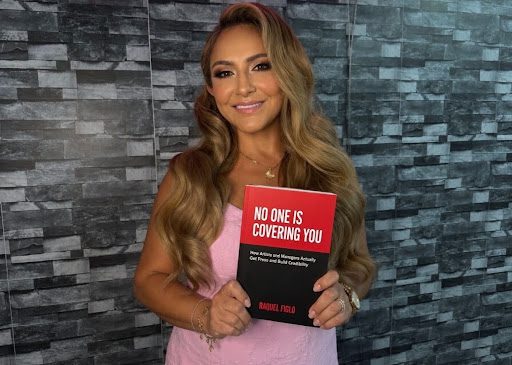 Rather than presenting another collection of publicity hacks, Figlo delivers something far more valuable: an honest look at what journalists actually need before they can tell an artist’s story. The result is a practical workbook that strips away unrealistic expectations and replaces them with a thoughtful strategy rooted in credibility, organization and consistency. For independent musicians, managers and creative entrepreneurs navigating today’s crowded entertainment landscape, the book offers a welcome reminder that meaningful media coverage is earned, not manufactured.
 One of the book’s greatest strengths is its refusal to treat publicity as a magical solution to a struggling career. Figlo repeatedly reminds readers that press is not designed to create a story where none exists. Instead, it amplifies a story that is already compelling. That distinction may seem simple, but it becomes the foundation for every chapter that follows.
 Drawing on more than 25 years in the music industry as both a publicist and former music journalist, Figlo writes with the confidence of someone who has worked on both sides of the inbox. She understands why journalists ignore certain pitches, what separates a memorable artist from hundreds of similar submissions, and why preparation matters just as much as talent. Instead of blaming the media for overlooking independent artists, she encourages readers to examine whether they have truly built something worth covering.
 The book is especially effective because it avoids industry jargon whenever possible. Figlo’s writing is conversational without sacrificing professionalism, making even complex publicity concepts accessible to readers who may have never written a press release or contacted a journalist before. Every chapter feels less like a lecture and more like advice from an experienced industry professional who wants artists to avoid the mistakes she has watched countless others make.
 Perhaps the most refreshing aspect of No One Is Covering You is its emphasis on storytelling over self-promotion. Figlo argues that journalists are rarely interested in hearing that an artist has released “an exciting new single” or “groundbreaking music.” Instead, they want to understand what makes that artist’s journey different, why the project matters now, and why readers should care. Throughout the book, she encourages artists to replace vague promotional language with authentic narratives that reflect their experiences, motivations and creative identity.
 That message resonates far beyond the music industry. Whether someone is launching a film, publishing a novel or building a personal brand, audiences connect with stories, not slogans. Figlo understands this fundamental truth and returns to it consistently throughout the workbook, reinforcing the idea that publicity begins with clarity rather than clever marketing.
 Another standout feature is the workbook format itself. Rather than simply explaining publicity concepts, Figlo asks readers to put them into practice through exercises at the end of each chapter. Artists are encouraged to evaluate their readiness for media attention, refine their biographies, organize press materials, research relevant publications and rewrite ineffective pitches. Those practical assignments transform the book from passive reading into an active planning tool.
 The chapters covering press materials and media outreach are particularly valuable. Figlo explains why professional biographies, high-quality photographs, organized press kits and direct music links often determine whether journalists continue reading or move on to the next email. She reminds readers that reporters work under tight deadlines and appreciate artists who make information easy to access instead of forcing them to search for basic details. It’s practical advice that reflects the realities of modern journalism rather than idealized marketing theory.
 Equally insightful is the discussion surrounding media research. Instead of encouraging artists to send identical emails to hundreds of publications, Figlo advocates for thoughtful targeting. She recommends studying outlets that already cover similar artists, understanding individual journalists’ interests and building genuine professional relationships over time. That long-term approach reinforces one of the book’s central themes: publicity is not a one-time campaign, but an ongoing process built on trust and relevance.
 The chapter devoted to timing deserves special recognition. Many artists wait until release week before contacting the media, hoping coverage will appear immediately. Figlo explains why that strategy almost always fails. By breaking down realistic editorial timelines for print and online publications, she demonstrates how successful publicity campaigns begin weeks or even months before an album or single reaches audiences. The advice may require more patience than many emerging artists expect, but it reflects how professional entertainment journalism actually operates.
One of the timeliest sections explores the role of artificial intelligence in publicity. Rather than embracing AI without question or rejecting it entirely, Figlo offers a balanced perspective that feels grounded in experience. She acknowledges that AI can help organize notes, improve structure and generate first drafts, but she strongly cautions against allowing technology to replace authentic storytelling. Artists, she argues, must remain the source of their own experiences, emotions and creative identity.
 In an entertainment industry increasingly flooded with generic AI-generated content, that advice feels particularly relevant. Readers are reminded that while technology may streamline certain tasks, originality remains impossible to automate. Authentic voices continue to stand out because they reflect lived experience rather than algorithmic prediction.
As the book approaches its conclusion, Figlo leaves readers with perhaps its most important message. Success in publicity is rarely determined by one perfect pitch or one viral story. Instead, it comes from consistently doing the often-unglamorous work that happens long before the public notices. Building press materials, maintaining relationships with journalists, refining an artist’s story and preparing releases strategically may not attract headlines on their own, but together they create the foundation for meaningful media coverage.
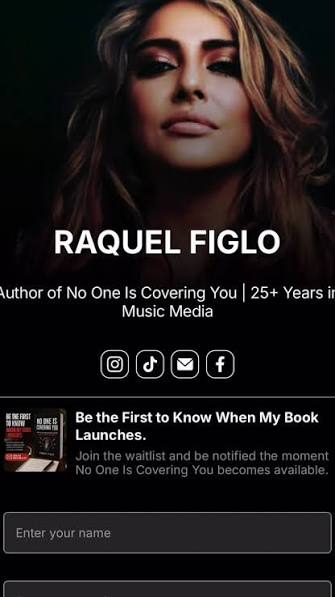 That philosophy distinguishes No One Is Covering You from many business and marketing books currently crowding bookstore shelves. Rather than selling dreams, Figlo encourages discipline. Rather than promising shortcuts, she advocates preparation. And rather than positioning publicity as something artists are entitled to receive, she frames it as something earned through professionalism, thoughtful planning and genuine storytelling.
 For emerging musicians, independent managers and creative professionals determined to build sustainable careers, No One Is Covering You offers far more than publicity advice. It provides a realistic blueprint for understanding how media relationships function in today’s entertainment industry while reminding readers that credibility remains their greatest asset.
In a world obsessed with instant exposure, Raquel Figlo’s message is refreshingly simple: before asking why no one is covering you, make sure you’ve given them a story worth telling. That honesty is what makes this workbook not only informative, but genuinely worthwhile.
 Check out her website: Www.raquelfiglo.agency