Richard Linklater’s tastefully cinephile period drama Nouvelle Vague is about the making of Jean-Luc Godard’s debut 1960 classic À Bout de Souffle (Breathless), that starred Jean Seberg and Jean-Paul Belmondo as the star-crossed lovers in Paris. Linklater’s homage has credits in French and is beautifully shot in monochrome, as opposed to the sometimes boring color of real life in which the events were actually happening; he even cutely fabricates cue marks in the corner of the screen, those things that once told projectionists when to changeover the reels. Nouvelle Vague has been nominated for a number of awards at international film festivals and included in the recent AFI FEST 2025 and the American French Film Festivals in West Hollywood; it is screening in selected theatres now.
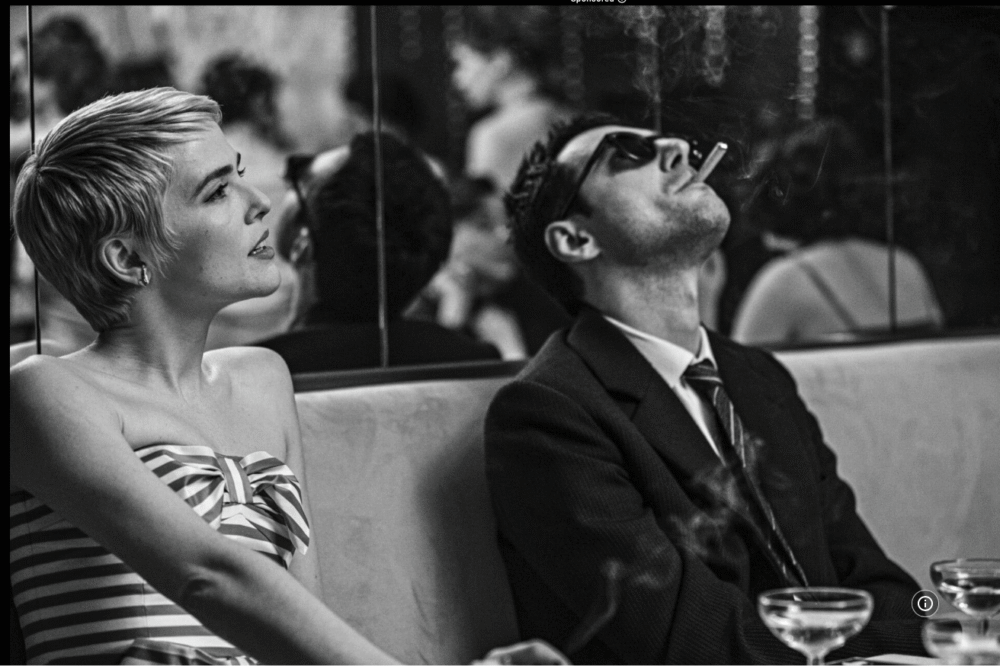
Richard Linklater’s Nouvelle Vague is a tribute to the French New Wave Cinema and a charming retelling of one of cinema’s most storied debuts: Jean-Luc Godard’s “Breathless.” Born out of love for the era and the many players that influenced generations of cinephiles and filmmakers around the world, “Nouvelle Vague” transports viewers to a black-and-white vision of the creative milieu of 1959 Paris at the moment when one bold director is about to make history. – only none of his collaborators or colleagues know it yet. It’s the kind of movie that could spark interest in the French New Wave or earn scorn for packaging the art movement that thumbed its nose at the establishment so succinctly.
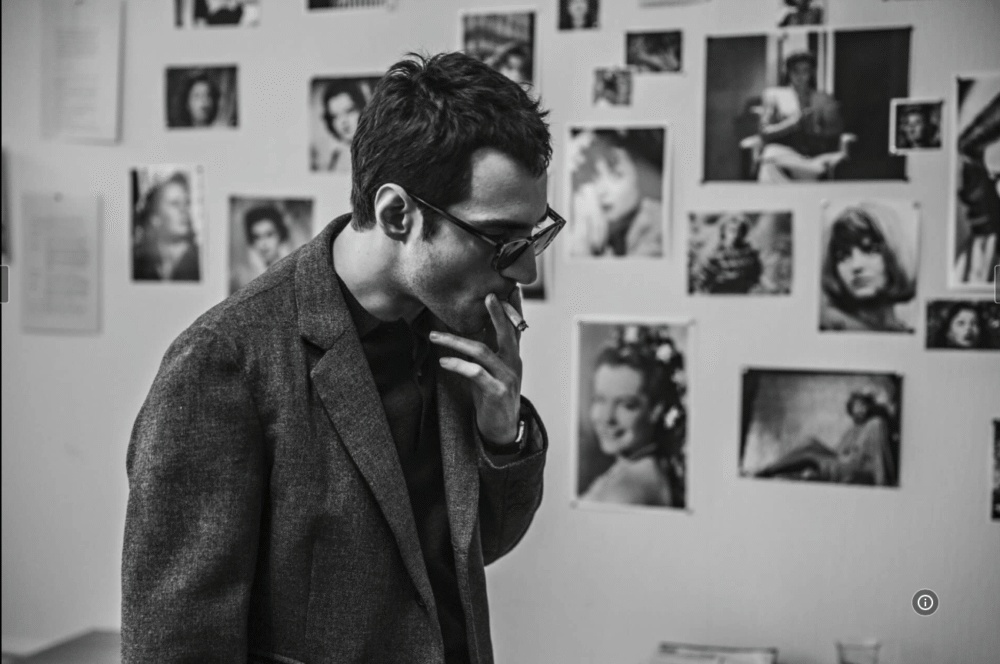
After many of his fellow writers at movie journal Cahiers du cinéma made their first movies, film critic Jean-Luc Godard (Guillaume Marbeck) feels the time is right to make his own mark on cinema. He convinces flustered producer Georges de Beauregard (Bruno Dreyfürst) to greenlight a treatment co-written with fellow critic, friend, and filmmaker Francois Truffaut about an aspiring gangster. Godard approaches American movie star Jean Seberg (Zoey Deutch) and convinces her to join in his revolutionary act of cinema along with another early collaborator, the amateur boxer Jean-Paul Belmondo (Aubry Dullin).
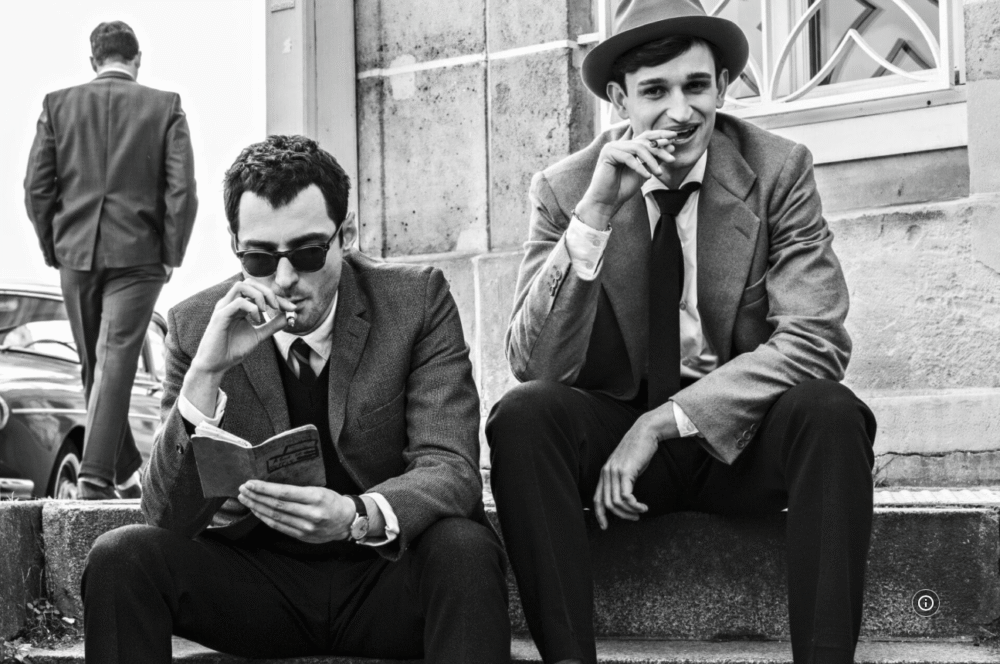
As the production on Breathless commences, it’s anything but ordinary. The cast and crew spend precious time lounging in cafes when not hyper-focused on filming each shot just one or two times without a completed script, much of which is written day-of or improvised as the dialogue would be dubbed later. As Beauregard panics and Seberg loses patience with the would-be filmmaker, only Godard knows what he wants his film to look like and fights to keep his vision his own.
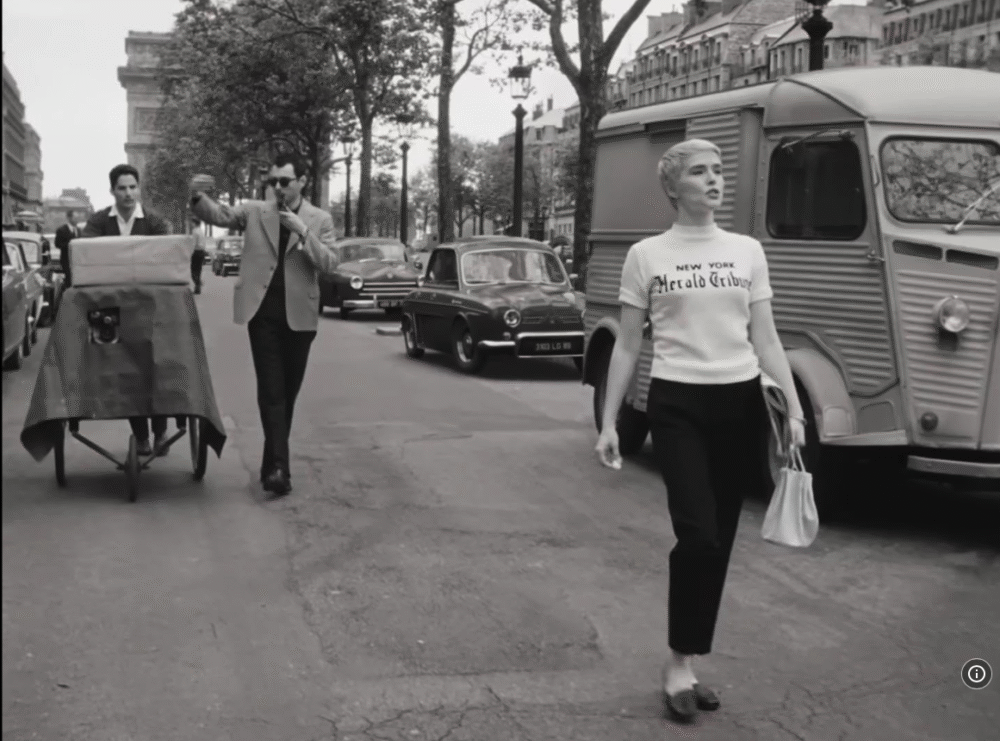
The directors of the French New Wave prided themselves on scrappy low-budget aesthetics. Linklater and cinematographer David Chambille give Nouvelle Vague a vintage treatment: 4:3 aspect ratio, film grain, and even keeping the marks on the top right corner of the screen to signal a reel change for the projectionist. Chambille’s camera is much steadier than Godard’s insistence on handheld shots, capturing a larger view of events as the young director develops his style in real time. What is especially illuminating is how Godard got his shots and how few takes he needed.
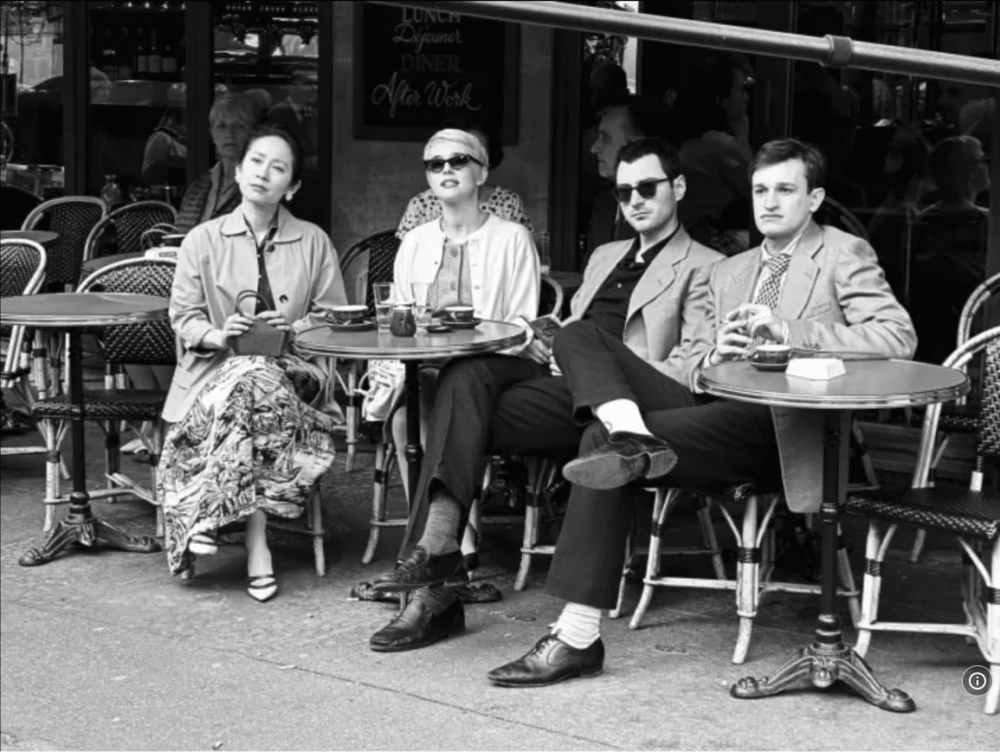
As Godard himself, newcomer Marbeck portrays the director like a sphinx-like Puckish spirit, almost always hiding behind sunglasses while speaking in quotes and philosophical musings between cigarette puffs, purposefully courting chaos with a defiant smirk. It does feel more like a caricature than a character, but for the purposes ofNouvelle Vague, Godard’s obscure nature works opposite Deutch’s exasperated Seberg.
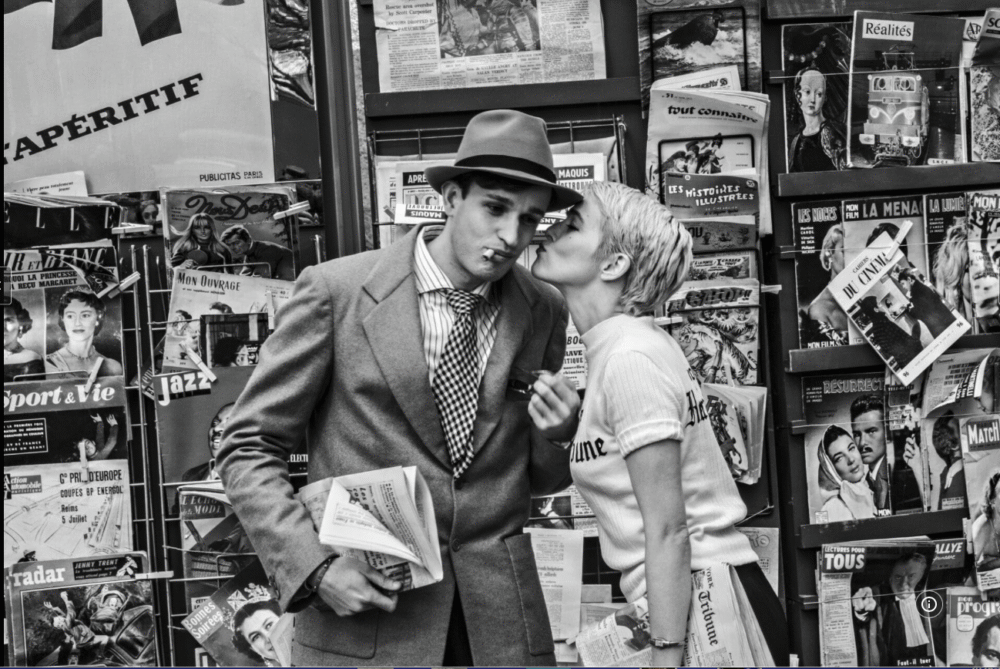
Traumatized by her collaboration with Otto Preminger on Bonjour Tristesse, Seberg reluctantly participates in Godard’s film to work with other greats in the French New Wave, but grows tired of not having lines and Godard’s puzzling direction. Their adversarial dynamic keeps the set tense even when the film’s producer isn’t fretting about the cost. However, Dullin’s Belmondo understands that this is all just a game, treating Godard like a sparring partner behind the camera and matching his erratic direction with a macho performance of a wannabe gangster. In due time, Belmondo and Seberg’s chemistry is noticed by more than the camera, and the trio’s dynamic becomes its own subplot.
The film offers a few crafty tips and quotes from Godard and his other contemporary filmmakers, as if this were an Introduction to Film course. “Art is not a pastime, but a priesthood,” says an on-screen Jean Cocteau (Jean-Jacques Le Vessier). Later, Godard gives his famous line, “All you need for a movie is a girl and a gun,” almost as a throwaway, just one of many for cinephiles to recognize or students to learn for the first time. The movie is also riddled with famous names, which Linklater dutifully lists with each character, introducing his audience to directors like François Truffaut (Adrien Rouyard), Claude Chabrol (Antoine Besson), Jacques Rivette (Jonas Marmy), Eric Rohmer (Côme Thieulin), and many others.
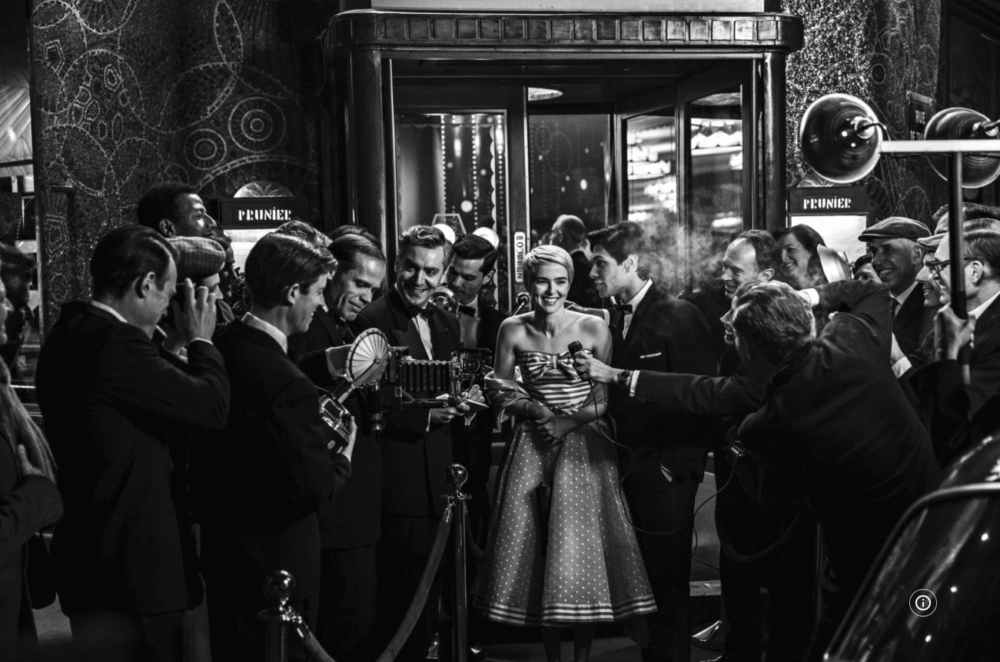
Nouvelle Vague is also a homage to François Truffaut, the more accessible and Hollywood-friendly collaborator. Truffaut wrote the basic story for Breathless and thereby gave Godard his commercial success; it was based on a sensational true-crime story about a tough guy who shoots a cop and gets an American girlfriend on the run, grabbing at love and romance while he can, existentially aware that a cop-killer’s days are numbered.
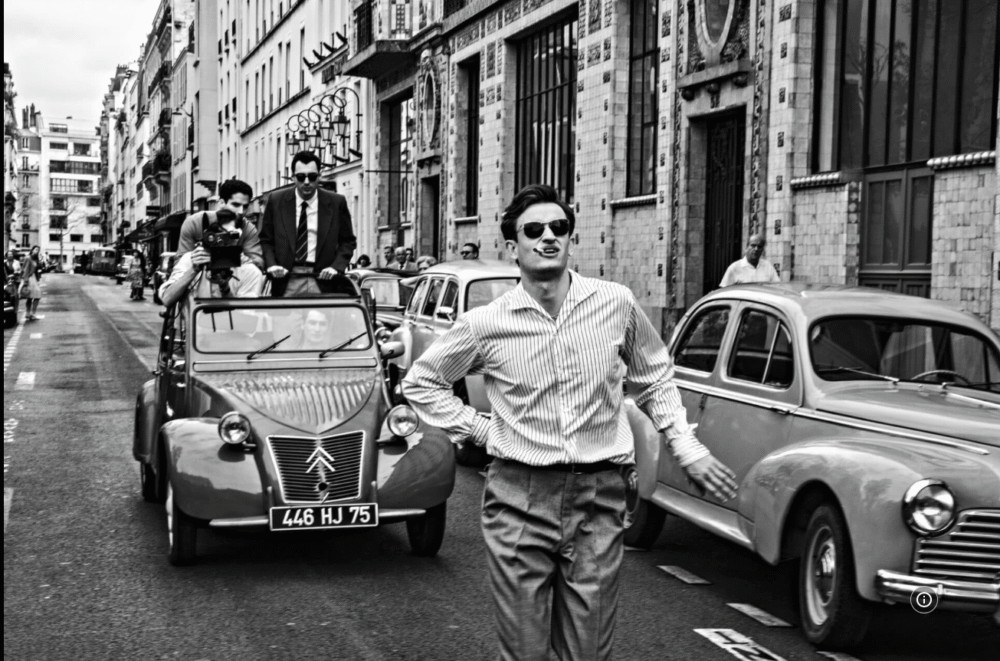
The real-life characters of the Breathless story, from the most famous to the most obscure (this latter category being of course treated with rigorous superfan respect) are introduced with static portrait shots, gazing at the camera with their names flashed up on screen; even in the action itself, these people are often addressed by their full name with an awestruck sentence about their importance so we know where we are.
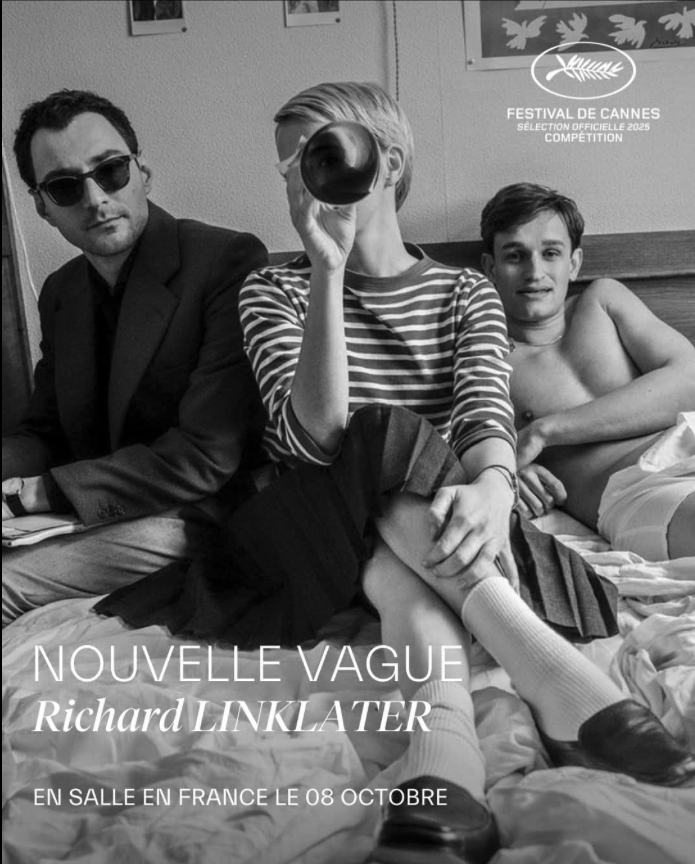
Written by Holly Gent, Vince Palmo, Michèle Halberstadt, and Laetitia Masson, Nouvelle Vague offers little profundity about Godard’s directorial decisions, keeping the man psychologically opaque behind his iconic sunglasses, and to the point of absurdity. The logic, it seems, is to place us alongside characters who are yet unaware that they’re in the presence of genius.