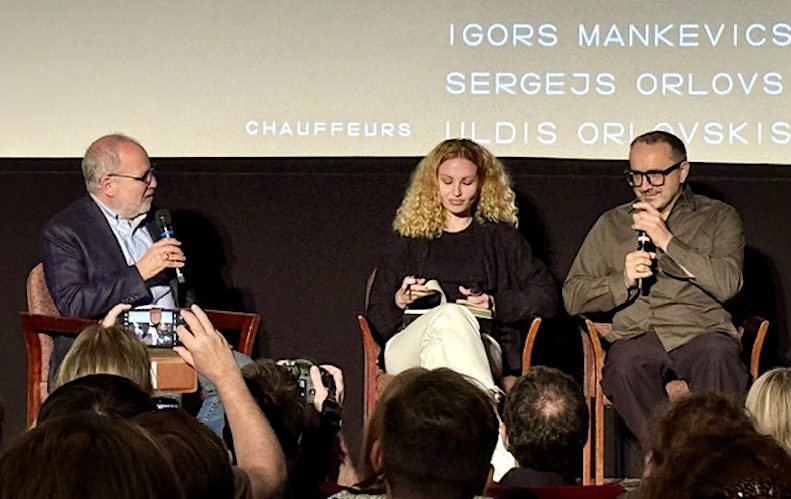
Minotaur, latest film from Russian master Andrey Zvyagintsev, won the Grand Prix at Cannes this year and was included in this year’s American French Film Festival in Hollywood this past weekend. The director’s first film in nine years, Minotaur was made in Latvia, though it’s set in Russia and the characters are Russian. Given the Putin regime’s current suppression of dissent, it probably could not have been made in Russia. Zvyagintsev emigrated to France with his family after a serious bout with COVID and is now a French citizen. On Sept. 18, he was put on the list of foreign agents, and was declared, in effect, an enemy of the Russian state. As he stated at the Q&A after the DGA screening on Sunday, he feels he is a French director now.

Zvyagintsev is known for The Return (2003), Elena (2011), Leviathan (2014) and Loveless (2017). Perhaps it is fitting that Minotaur is an adaptation of Claude Chabrol’s The Unfaithful Wife(1969). On relocating to Paris with his family, he connected with a producer who had the rights to the Chabrol film and had heard that Zvyagintsev was interested in adapting it. While the script that Zvyagintsev and Simon Lyashenko have crafted is remarkably faithful to the basic plot of its French inspiration, the soul of Minotaur and its implicit targets are irreducibly Russian. Zvyagintsev typically employs stories of domestic strife as springboards for allegorical meaning. The film sets its tale of marital discord against the backdrop of Russia’s 2022 invasion of Ukraine.
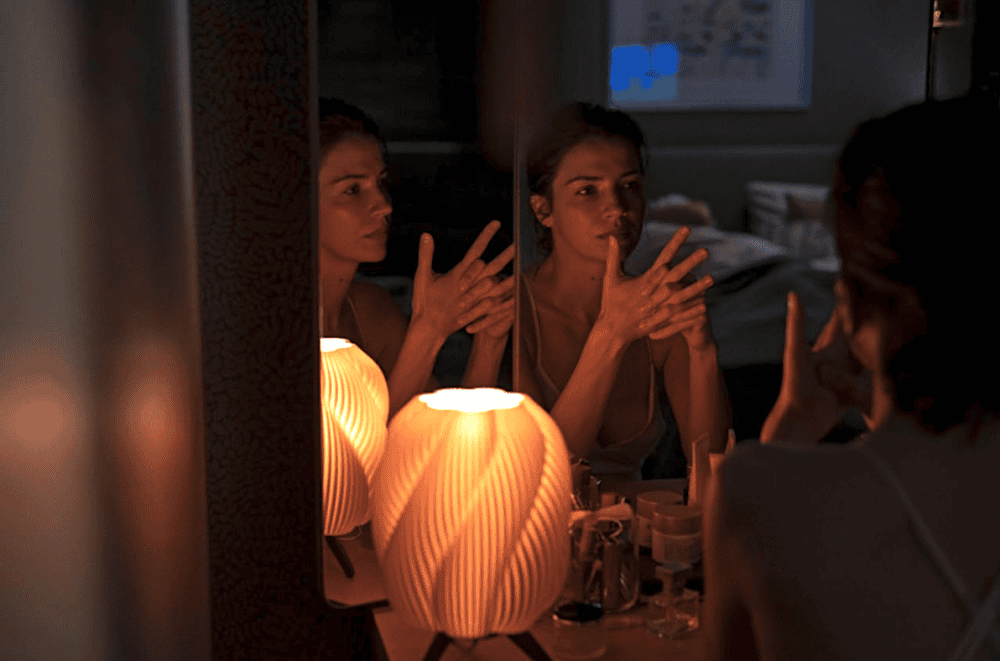
The CEO of a successful transport company, Gleb (Dimitry Mazurov), the story’s protagonist, lives with his family in a dark, sleek modernist house, presumably on the outskirts of Moscow. Here, the beautifully appointed home conveys both wealth and isolation: not only the isolation of this family from others, but no real sense of connection to a larger community. Gleb and his wife, Galina (Iris Lebedeva), pretend to act like a normal married couple, but there is little warmth between them. And in the one memorable interaction between the father and his teenage son (Boris Kudrun), Gleb advises the boy to shake a school bully roughly, then threaten to bash his face in.
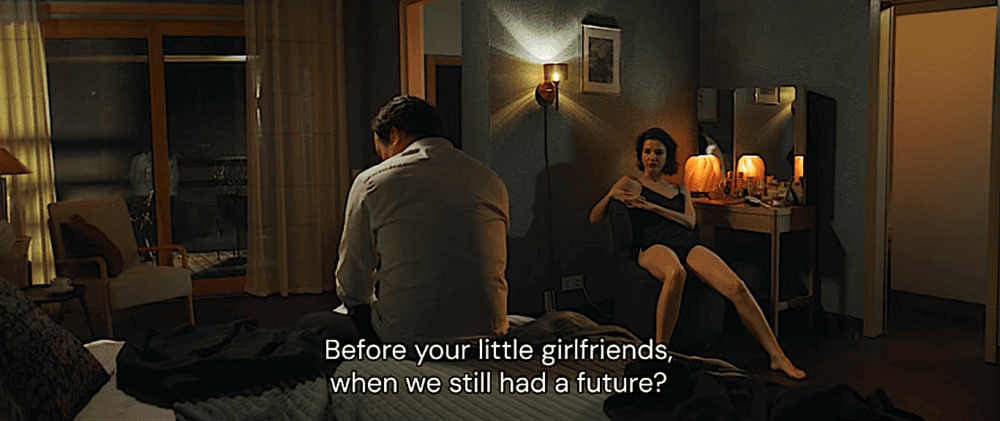
It’s also immediately clear that Gleb and Galina’s relationship is strained at best, with the two obviously putting on a façade of normalcy for the sake of their son. Gleb’s past infidelities have created a seemingly irreparable fissure between him and his wife, and his suspicions are raised when he notices Galina taking hushed phone calls when she thinks her husband is out of earshot.
From there, it’s only a matter of time before Gleb discovers that Galina is having an affair with a young, suave photographer named Anton (Yuriy Zavalnyouk).
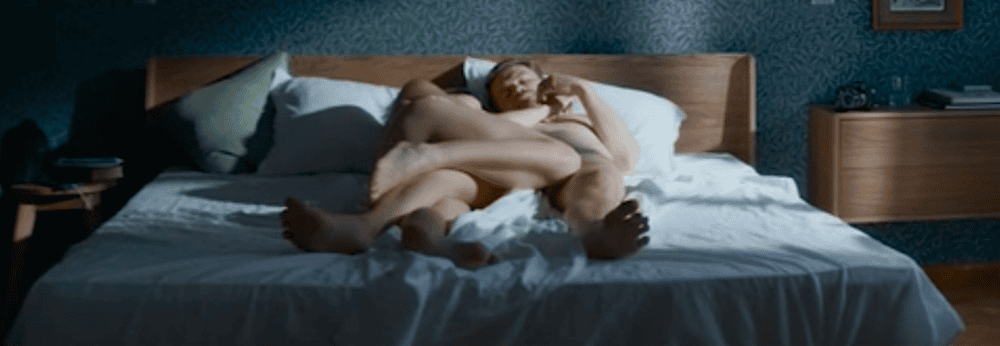
The proper businessman veneer hides a violent nature undernearth Gleb’s dark side begins to emerge when he comes to suspect Galina of having an affair. After hiring a private detective, he finds his suspicions confirmed and learns the identity and address of her lover, a handsome young photographer (Yuriy Zavalnyouk).
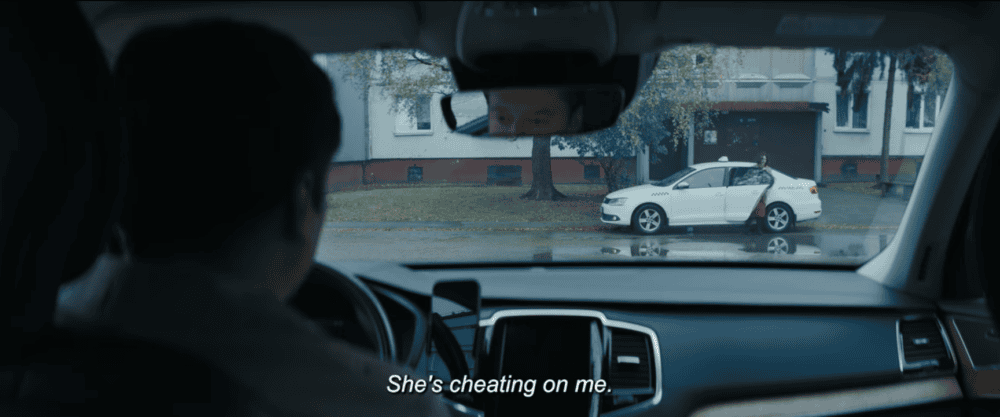
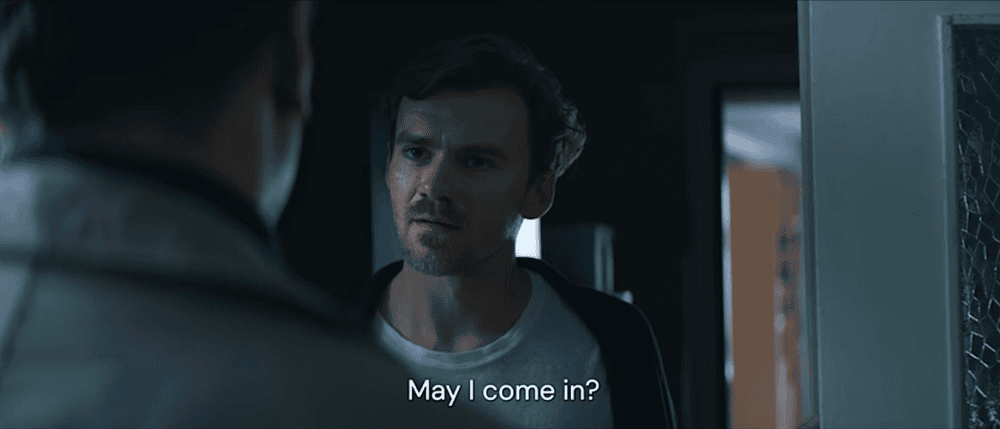
Gleb goes to confront the man without, it would seem, any intent of harming him. But – spoiler alert – after a brief conversation, his rage suddenly gets the better of him and he kills the guy.
Zvyagintsev’s tale of marital discord against the backdrop of Russia’s 2022 invasion of Ukraine. Minotaur’s mise-en-scène is dotted with military recruitment billboards and other wartime propaganda, but aside from the rumors that some of his employees may leave Russia, the situation is at first mostly background noise to Gleb. That is, until he’s tasked by government higher-ups to assist with the conscription effort by choosing fourteen of his own staff members to send off to war.
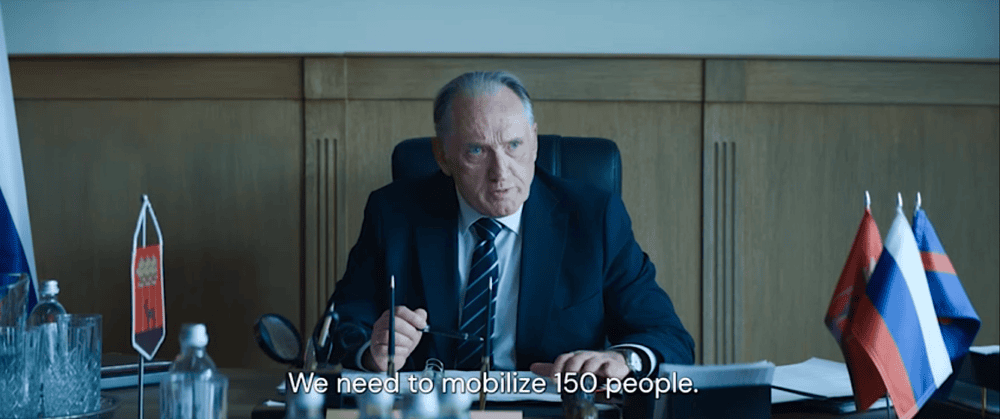
This development directly alludes to the minotaur in Greek mythology. To Zvyagintsev, the beast is Russia itself, a nation that demands human sacrifice to feed its own delusions of grandeur. Gleb essentially has to play God, choosing a group of people who serve under him (the least important ones, of course) to send off to their possible death on the frontlines.
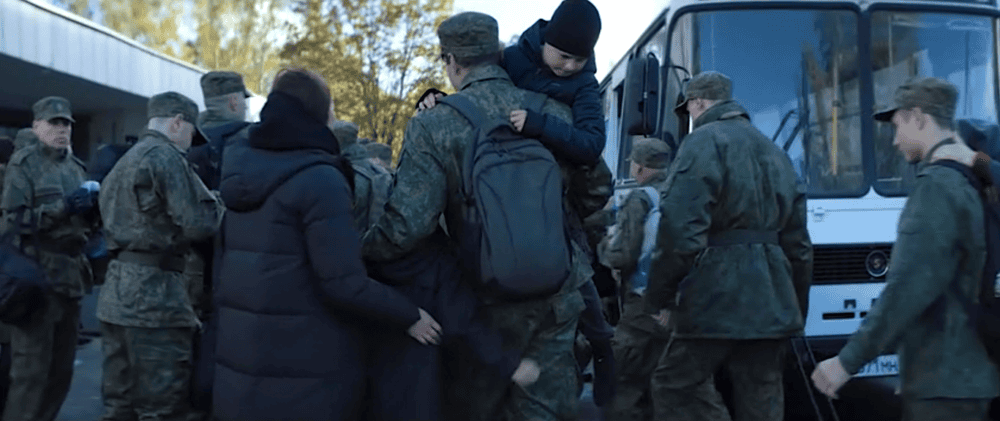
Minotaur’s mise-en-scène is dotted with military recruitment billboards and other wartime propaganda, but aside from the rumors that some of his employees may leave Russia, the situation is at first mostly background noise to Gleb. That is, until he’s tasked by government higher-ups to assist with the conscription effort by choosing fourteen of his own staff members to send off to war.
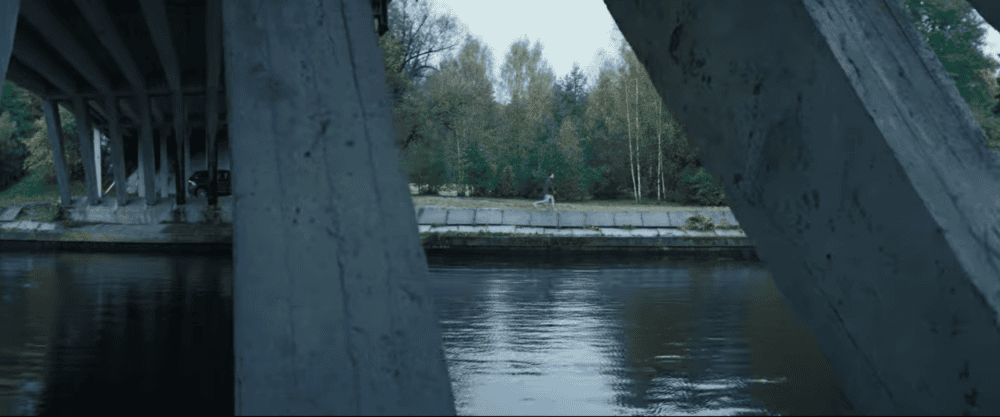
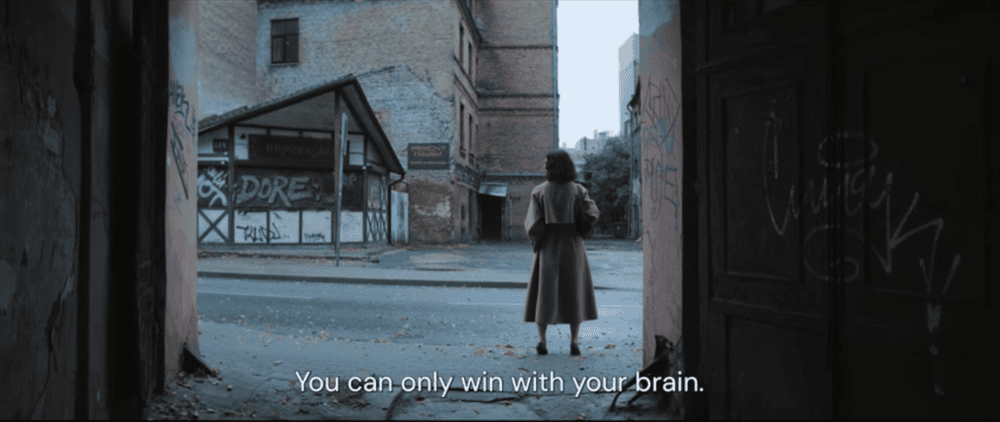
Zvyagintsev is adept at illuminating the absurdity of institutional bureaucracy while excavating the emotional depths of characters that benefit from it. Through the well-chosen compositions that Zvyagintsev and long-time cinematographer Mikhail Krichman employ, the theme of desolation is reified.
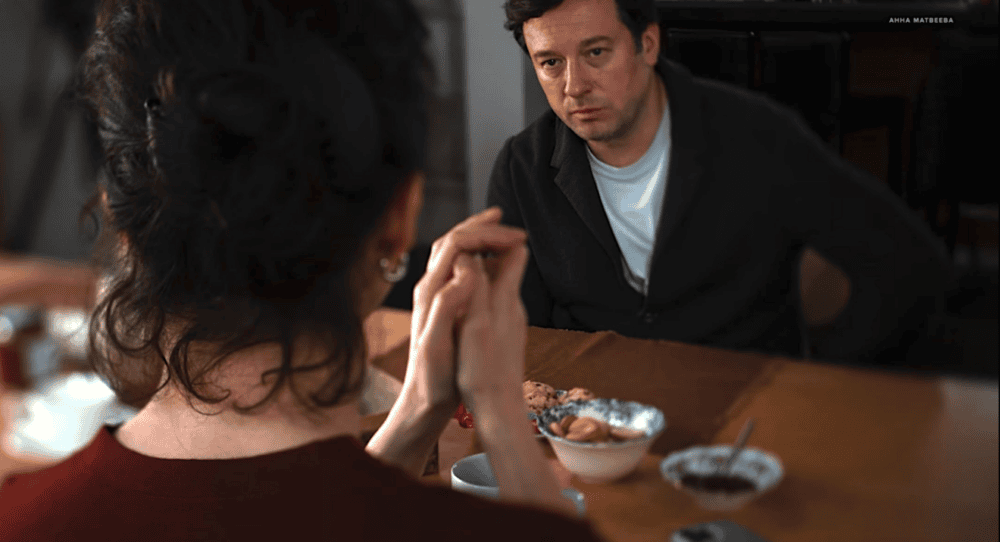
By the time Minotaur reaches its chilling final scene, it is evident that Gleb and his family have fully used their elevated social status to avoid any suspicion of wrong-doing. One is left pondering the degree to which they should be faulted for simply following a code of conduct imposed on their class as oligarchs. Zvyagintsev sees the harm that Gleb commits in his personal life bearing no real difference from the harm that he’s fully authorized to commit on behalf of his country, and that the man’s privileged spot on the social ladder is such that law and order doesn’t apply to him.