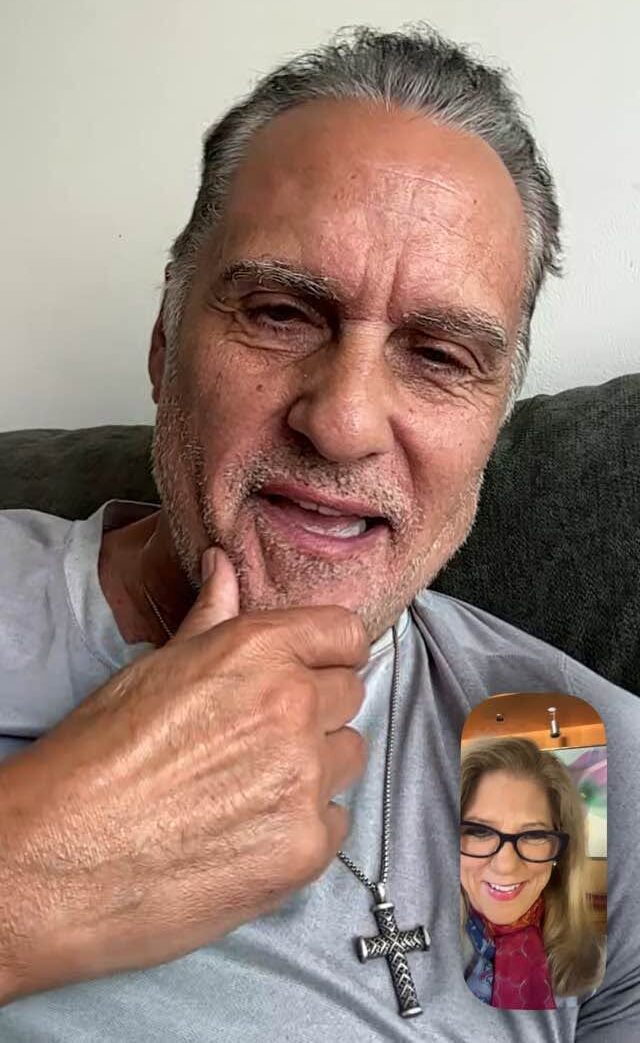
The General Hospital star and State of Mind host opens up about bipolar disorder, vulnerability, Hollywood, asking for help, and why reaching one more person still matters
Hollywood, CA (The Hollywood Times) 5/21/26 – For more than three decades, audiences have known Maurice Benard as Sonny Corinthos, the powerful, complicated and often volatile character at the center of General Hospital. But away from the cameras, Benard has built another legacy, one rooted not in ratings, awards or celebrity, but in something far more personal: helping people feel less alone.
Now, as the cover star of Aspiring Magazine, Benard is speaking candidly about living with bipolar disorder, anxiety and depression, the importance of vulnerability and why he believes conversations about mental health can literally save lives.
For Benard, advocacy isn’t simply another chapter of his career.
It is deeply connected to his own experiences.
“It’s my way of giving back,” he told Aspiring Magazine, explaining that the pain he has experienced through mental-health struggles, and the people who have been lost along the way, continue to motivate him.
Click below for our exclusive interview:
That purpose began taking shape years ago, when speaking publicly about bipolar disorder was far less common, particularly for a successful working actor.
Benard remembers being warned early in his career not to discuss his diagnosis.
People told him that if producers knew he was bipolar, they might be afraid to hire him, worrying that he could become unpredictable on a set.
Then something happened that changed his perspective.
After one interview, Benard received a message from a young man who told him that something Benard had said helped him cope with the suicide of his brother, who had bipolar disorder.
That was the moment Benard understood that his willingness to speak could have consequences far beyond himself.
“And then you couldn’t shut me up after that,” he said with a smile.
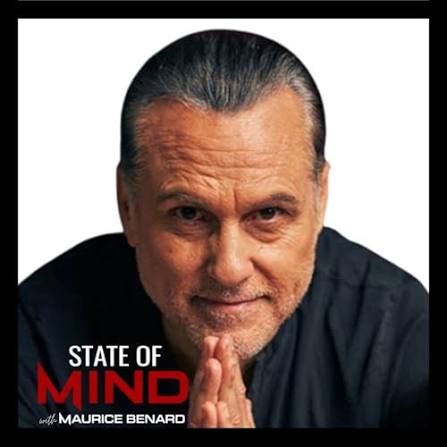 That openness eventually became central to State of Mind, Benard’s podcast and interview platform devoted to honest conversations about mental health, life, trauma and resilience.
His guests have come from vastly different worlds; actors and other celebrities, but also police officers, firefighters and people from many walks of life.
One lesson continues to surprise him: even now, there are people who have very little understanding of mental health.
Benard knows personally how difficult mental illness can become. But he also rejects the idea that struggle means hopelessness.
“Always have hope,” he said.
His approach to State of Mind begins with trust.
Guests already know that Benard is an “open book.” He speaks about subjects many people are still afraid to discuss, and that vulnerability often gives others permission to do the same.
Before an interview begins, he also gives his guests an unusual promise: if they wake up the next day uncomfortable with something they revealed, he will remove it.
The point isn’t to catch somebody in an emotional moment.
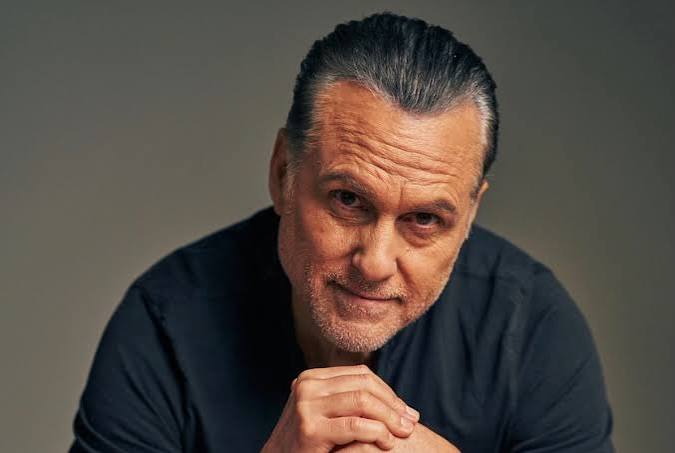
“I’m not in it to exploit anything,” Benard explained. “What I’d like to do with my show is make the guest the star, not me.”
After more than 600 interviews, he said only about five guests have asked him to cut something.
That statistic says something about the atmosphere he has created.
People feel safe enough to talk.
Benard has been speaking publicly about mental health for decades. He remembers discussing the subject with Oprah Winfrey many years ago, yet even a platform that powerful didn’t create the broader cultural shift he hoped to see.
Then came the pandemic.
Benard believes that period fundamentally changed the way many people viewed mental health because millions who had never experienced significant anxiety, depression or isolation suddenly found themselves confronting unfamiliar emotions.
For some, it was the first time they understood what others had been describing for years.
“This is what it is,” became the realization.
He describes what followed as both a blessing and a curse.
The blessing, he said, is visibility.
Mental-health conditions that were rarely discussed openly are now part of mainstream conversations. Television commercials address bipolar disorder, anxiety and other conditions in ways that would have been unusual a decade earlier.
The curse, he said, has been the loss of life through suicide.
The increased visibility doesn’t mean the work is finished.
It means the conversation needs to continue.
Benard’s personal and professional lives have intersected in an extraordinary way through Sonny Corinthos.
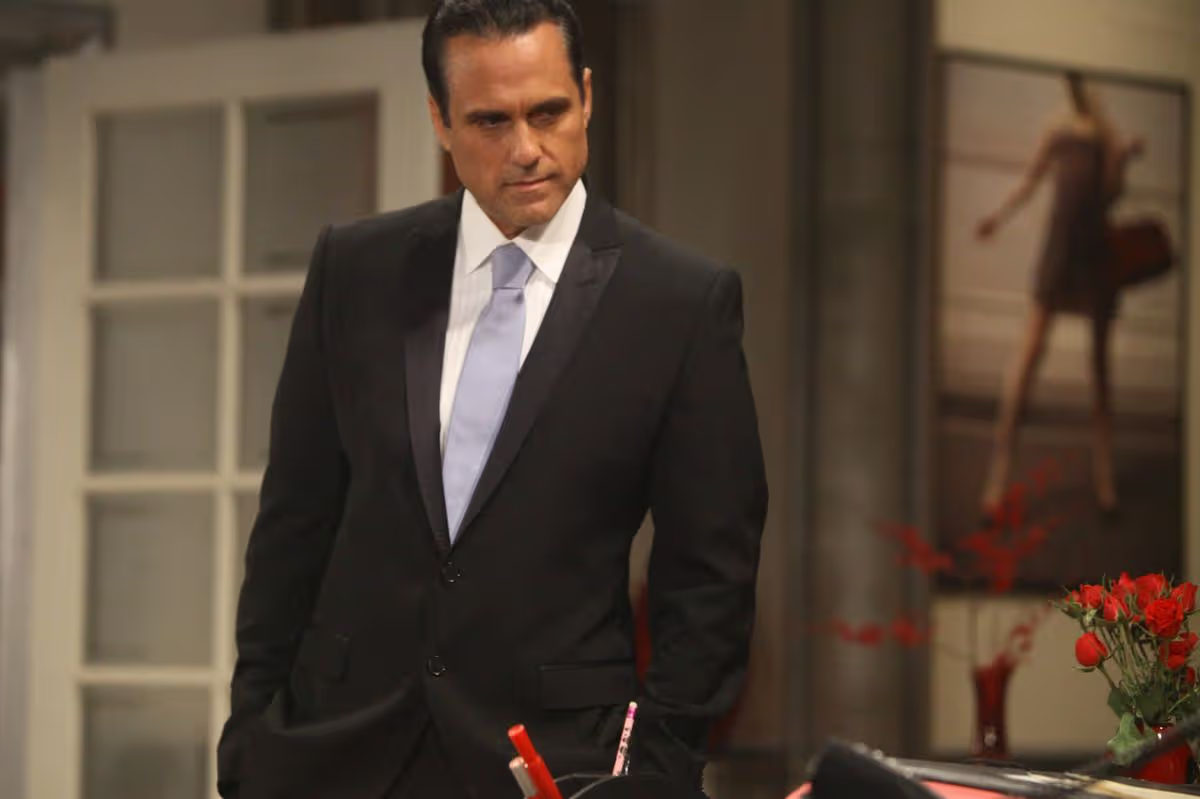
A method actor, Benard had already been playing the General Hospital character when the show made Sonny bipolar.
For an actor who understood the illness firsthand, it created an opportunity to bring something deeply personal into his work.
There have been performances Benard remains proud of.
But after more than three decades inhabiting an emotionally complicated character, he also acknowledges that there can be “wear and tear.”
When asked what today’s Maurice Benard would tell the younger actor beginning that journey, he remembered advice from his mother.
Couldn’t he sometimes give 75 percent instead of 100?
At the time, Benard couldn’t imagine doing that.
“I can only do it 100%,” he recalled thinking.
Today?
“I should have calmed down a little bit. I should have reined it in a bit.”
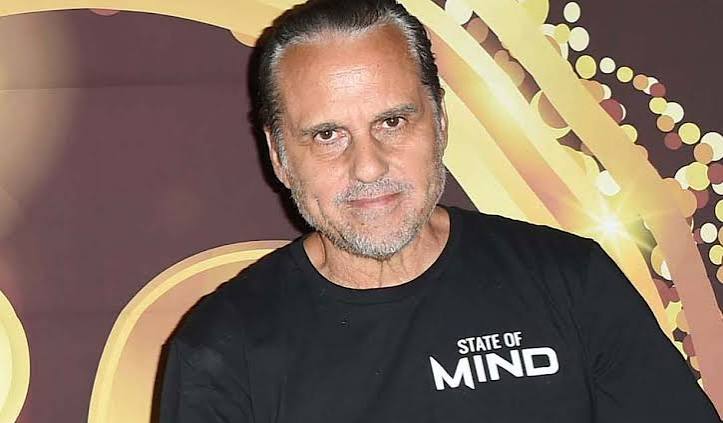
It’s a revealing admission from an actor whose intensity helped define one of daytime television’s most recognizable characters.
Success matters. Commitment matters.
But so does surviving it.
Hollywood, Benard said, has taught him one particularly important lesson: take care of yourself.
He has watched what happens when people don’t.
Awards, fame and professional achievement cannot substitute for mental well-being.
Benard becomes particularly passionate when the conversation turns to men and mental health.
Many men, he said, have been raised to believe they need to remain silent, appear tough and never cry.
He grew up hearing versions of the same message – be macho. Don’t show weakness.
Today he wants men to hear something very different.
“Tears are your strength.”
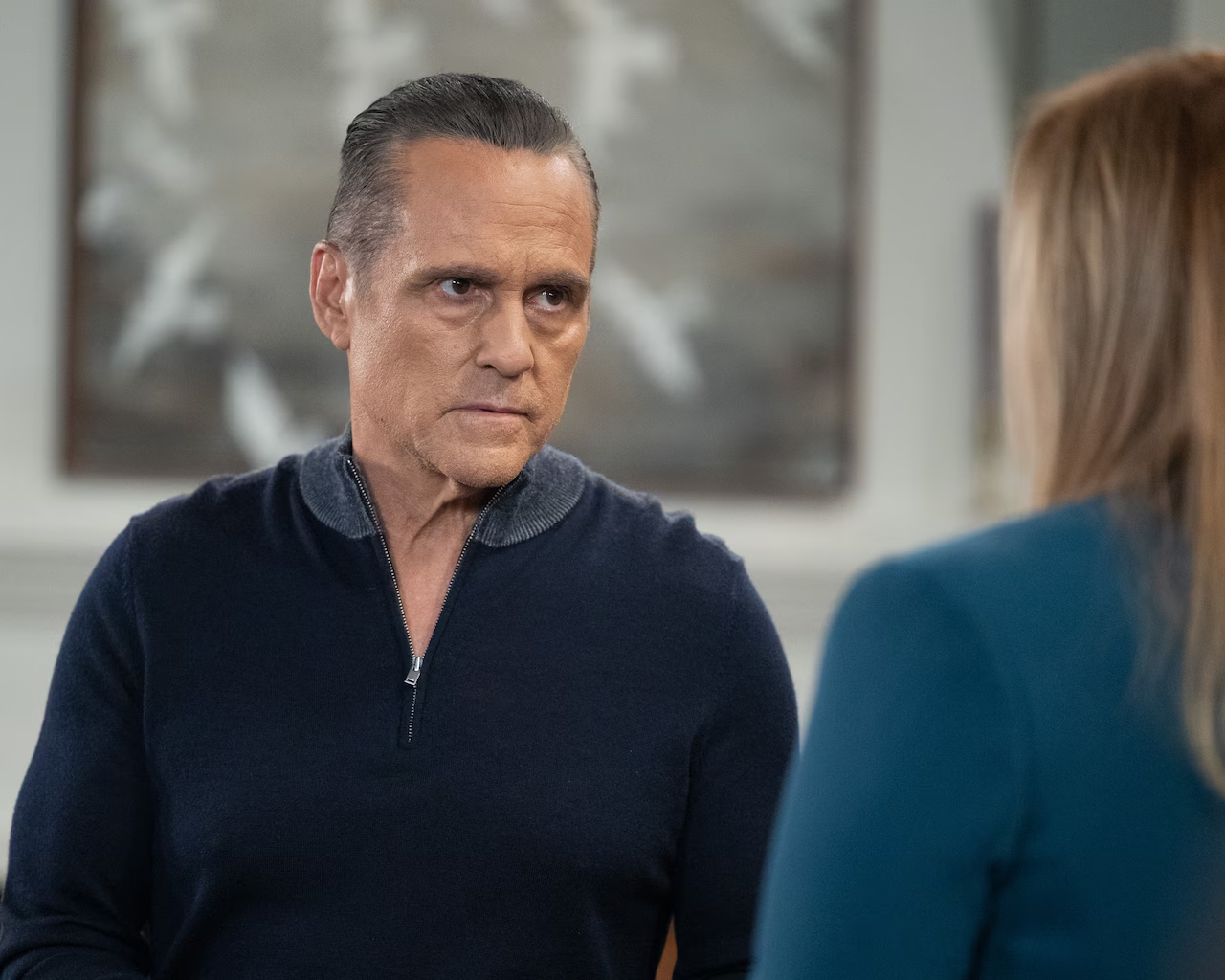
Silence, he believes, can give mental illness more power.
Conversation begins taking that power away.
That willingness to be vulnerable is not weakness. In Benard’s view, it can become one of a person’s greatest strengths.
And that lesson isn’t just for actors or public figures.
It is for the person who is afraid to tell a spouse what’s happening.
The teenager who doesn’t know how to explain what they are feeling.
The father who thinks he’s supposed to handle everything alone.
The successful professional who worries that asking for help will make others see them differently.
Talk.
The word “aspiring” means something particularly fitting for Benard.
Despite decades of acting success, awards, advocacy and hundreds of intimate conversations on State of Mind, he doesn’t talk as though he has arrived somewhere and finished the journey.
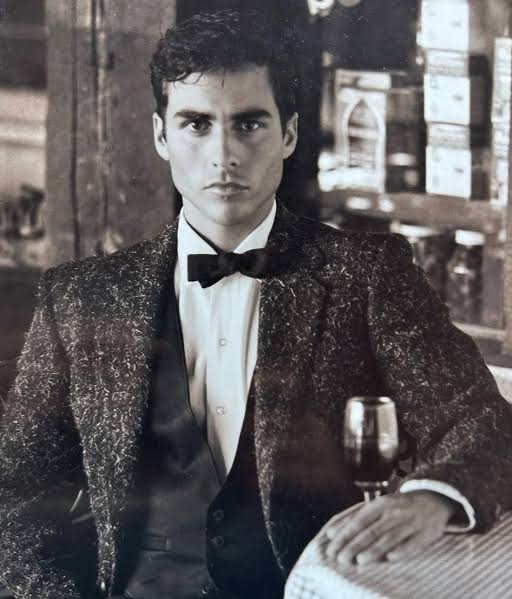
(@mauricebenard/Instagram)
“I just want to keep doing what I’m doing,” he said.
More importantly, he wants to reach more people.
“The more people you reach, the more lives you save.”
Benard says the chapter he is living now always feels like the most important one because there is still more to accomplish, and still more to learn.
Living with bipolar disorder, anxiety and depression means challenges don’t magically disappear because someone becomes successful or knowledgeable about mental health.
Things still happen.
There are still moments when he has to deal with another difficult experience and think, “Oh, not again.”
But now he can learn from those experiences.
And, eventually, he can talk about them.
When asked what he wants someone struggling with mental health to take away from his Aspiring Magazine cover story, Benard returned again to communication.
Don’t keep everything inside.
Talk to family.

Talk to friends.
Talk to people who can help.
For Benard personally, faith has been important. So has the support of the people he loves. He doesn’t drink alcohol, and he is willing to seek whatever appropriate help he needs when he is struggling.
That willingness to ask for help may be one of the most important differences between suffering silently and beginning to recover.
“I’m always asking for help,” he said.
Medication, professional support, physical activity, whatever healthy steps are necessary, Benard is willing to take them.
He doesn’t romanticize pain.
He wants relief from it.
And he wishes more people would allow themselves to seek the same.
Just when our interview seemed to be ending, Benard stopped to add one more thought.
It may have been the most important thing he said.
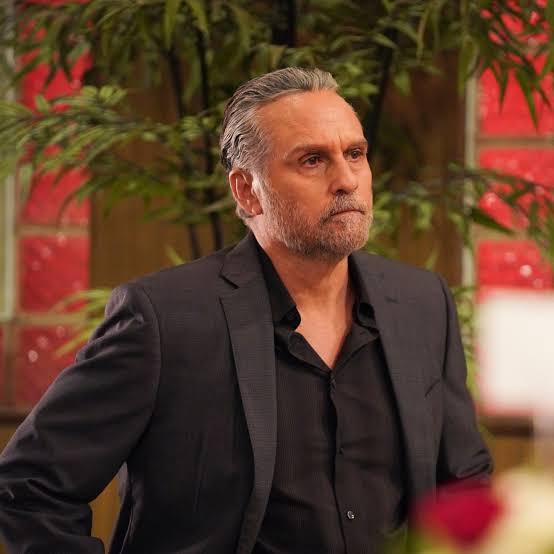
Never lose hope.
During the pandemic, Benard recalled reaching an extraordinarily dark place. He described a period when, minute after minute, he didn’t want to continue living.
But he sought help.
Over the following months, things began to change.
He got better.
He created State of Mind.
He went on to win two Emmys and receive recognition from The New York Times.
Those accomplishments are meaningful, but Benard’s larger message isn’t about trophies.
It is about what can exist on the other side of a moment when someone believes there is nothing left.
“You should never lose hope,” he said. “Because if you keep going, you will be rewarded.”
And sometimes, he added, the reward isn’t an Emmy, an article, a television role or public recognition.
Sometimes the reward is simply realizing:
You made it.
“That’s a reward in itself.”
After 35 years in Hollywood, decades of advocacy and a lifetime of learning how to live with his own mental health, Maurice Benard is still aspiring.
Not toward greater fame.
Toward reaching another person.
Starting another conversation.
Helping someone ask for help.
And reminding anyone who needs to hear it:
Never lose hope.
By Valerie Milano