Los Angeles, CA (The Hollywood Times) 10/14/26
As entertainment capitals and global markets continue wrestling with generative AI, the conversation is no longer about stopping automation, but designing the economic safety net built to survive it.
As generative AI and advanced automation sweep through soundstages, writers’ rooms, and traditional industries alike, a critical economic question looms large: When algorithms and robotics replace human labor by the millions, what will displaced workers actually do—and who will keep the tax base alive?
Economists, tech leaders, and policy directors are tackling the crisis across two distinct fronts: the future of human work and the structural overhaul of public finance.
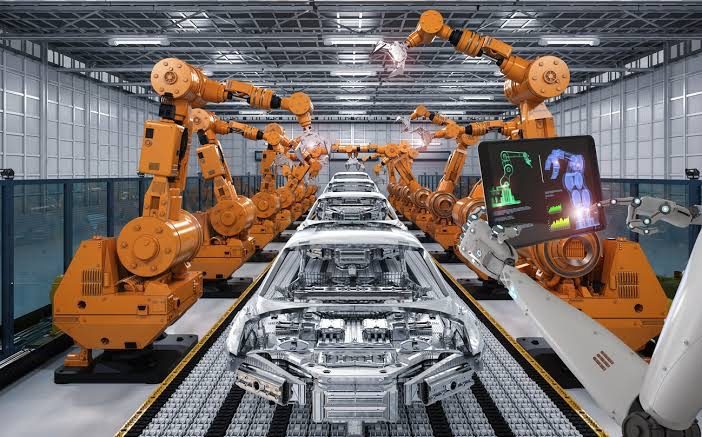
While past industrial disruptions destroyed specific manual jobs only to create new technical roles, the current AI transformation moves at an unprecedented pace. Industry observers point to three primary domains where human labor will adapt:
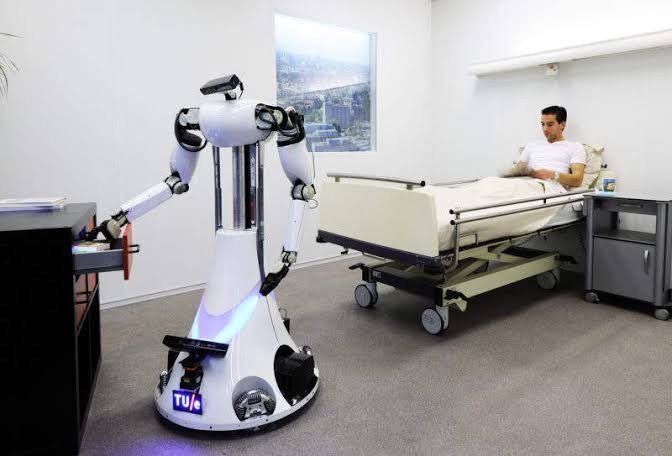
Expect a major shift toward specialized health care, mental wellness, physical trades, live performing arts, and artisan craftsmanship where the value stems directly from human presence and touch.
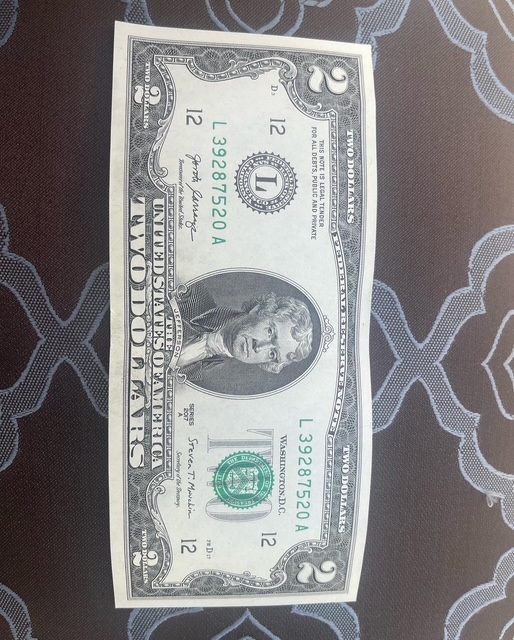
Because standard tax revenues rely heavily on payroll and individual income taxes, a massive drop in human employment threatens municipal and federal budgets. Policymakers are examining radical tax reforms to plug the gap:
Rather than targeting wages, state and national tax structures could pivot to the direct engines of automation—taxing data centers based on megawatt power consumption, charging fees on commercial data pipelines, and imposing windfall profits taxes on hyper-automated corporations.
The AI Aftermath: When Robots Take the Jobs, Who Pays the Taxes?
Under a broad-based VAT, automated companies pay taxes on every transaction across the digital.
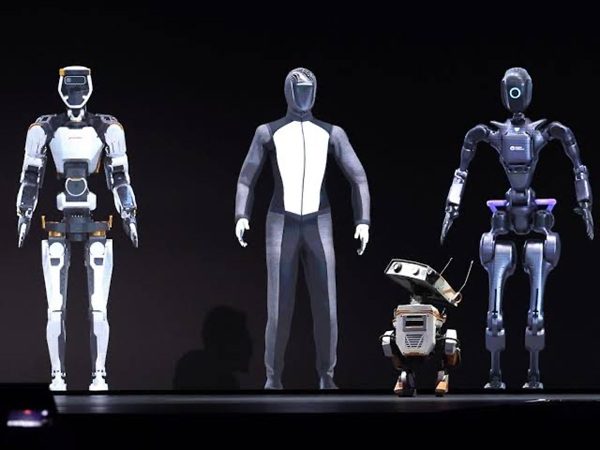
To prevent capital from concentrating solely among tech owners while consumer spending collapses, higher capital gains and corporate wealth taxes could seed public sovereign wealth funds. These funds would finance a Universal Basic Income (UBI), ensuring citizens retain purchasing power to keep the broader economy flowing.
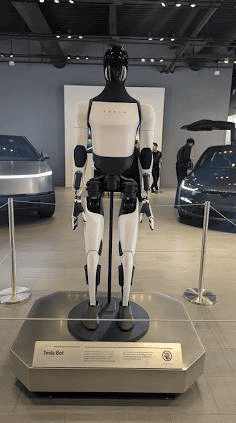
Only for the benefit of the few.
Tom Wright Artist mrtomwright.com