What happens when a care facility turns away an older woman who has nowhere else to go—and the responsibility falls to a stranger who is barely managing his own obligations?
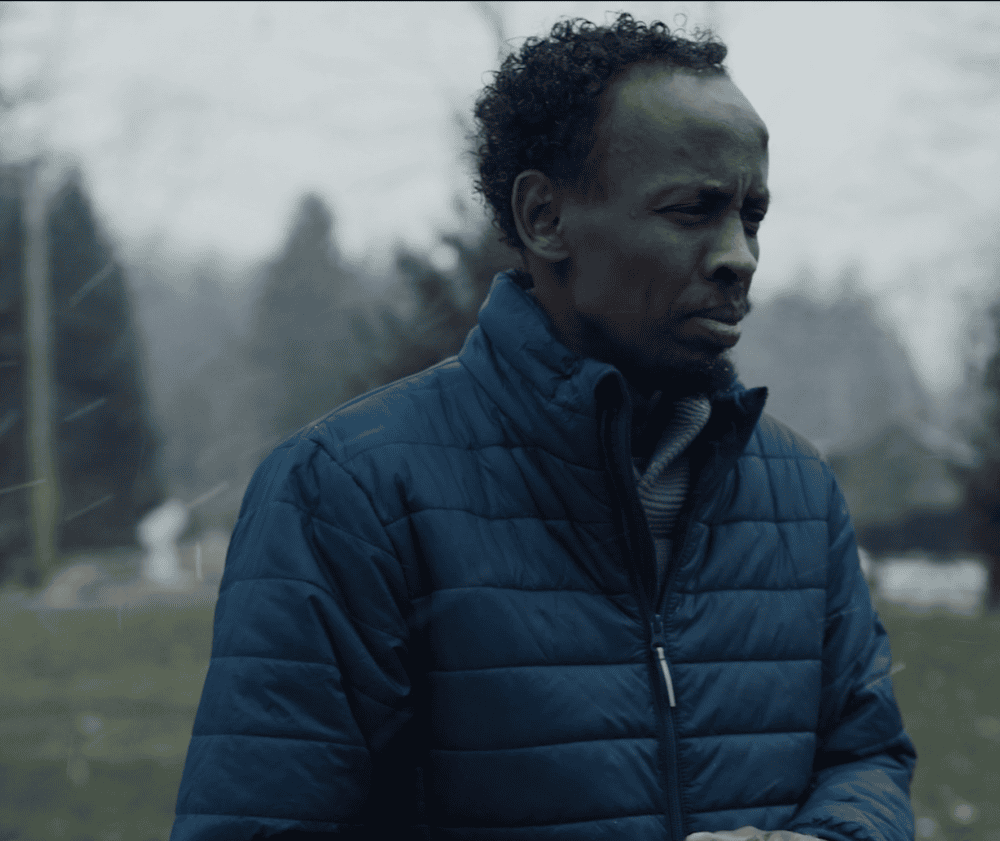
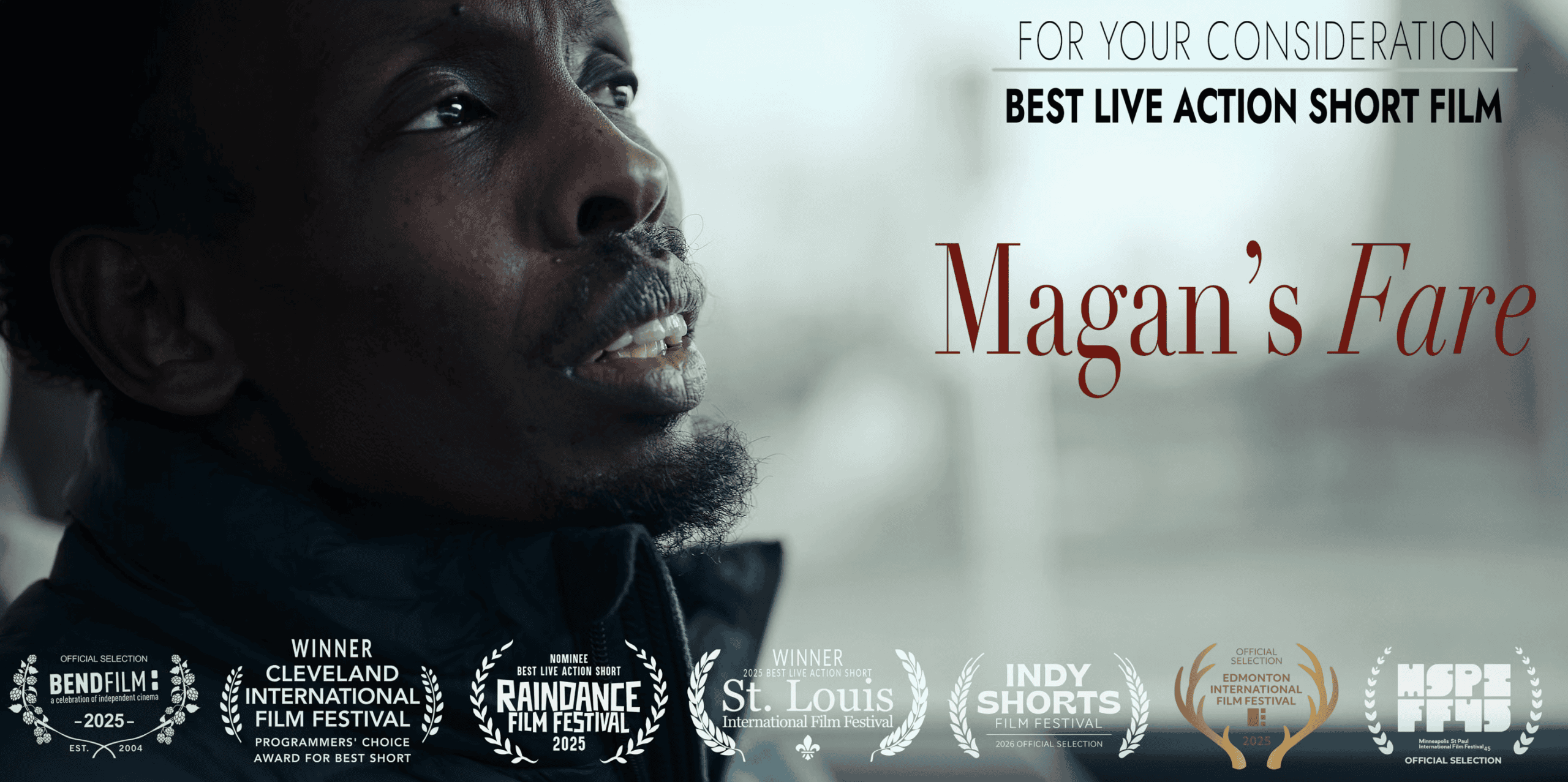
Directed by Dana White and Chris Knoblock, Magan’s Fare stars Academy Award nominee Barkhad Abdi as Magan, a Somali ride-share driver whose already demanding day takes an unexpected turn when Jorani (Alexis Rhee), an older Cambodian woman, enters his car. Magan is juggling an upcoming exam, financial pressures, and recurring telephone conversations with his wife and mother, navigating the competing demands of family and work.
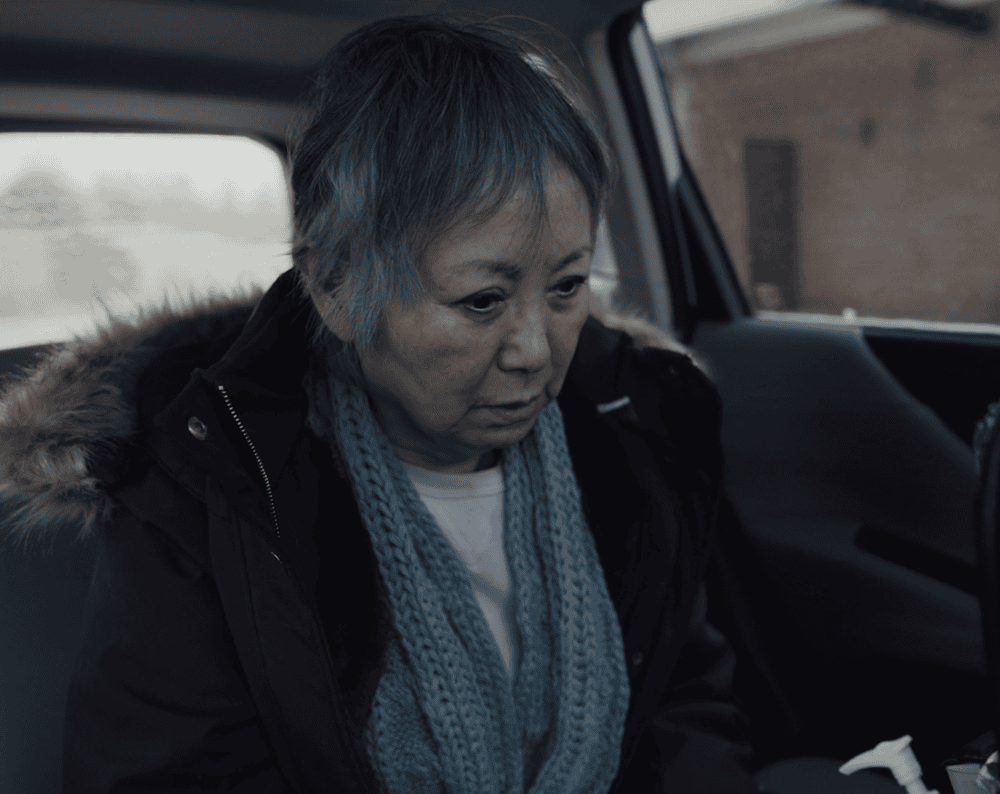
Initially reluctant to accept Jorani as a passenger, Magan eventually agrees to take her to the residential care facility she identifies as her home. Upon arriving, however, he discovers that her bed has been given away because she reportedly left the facility without authorization earlier that day. As Magan questions the decision, an employee hands him a bag containing Jorani’s belongings, while a supervisor remains unavailable and security is threatened. The exchange is unsettling not merely because of the confrontation, but because an administrative explanation seems to substitute for any meaningful concern about where Jorani will sleep that night.
 Remarkably, Magan begins advocating for this stranger before learning anything about her history as a Cambodian refugee and survivor of war. His persistence may also reflect his own family circumstances, particularly his efforts to accommodate his aging mother. The film’s portrayal of institutional injustice becomes especially compelling here. How does someone leave a care facility and, within hours, lose the place she was meant to return to? Although the circumstances surrounding the decision remain unclear, its human consequences are unmistakable. Questions of institutional accountability, individual rights, and social responsibility extend beyond political positions when the immediate reality is an older woman with nowhere to go.
This is where the film’s portrayal of institutional injustice becomes most compelling. How does someone leave a care facility and, within hours, lose the place she was meant to return to? The film does not establish every circumstance surrounding the decision, but it makes the human consequences difficult to overlook. Questions of institutional accountability, individual rights, and social responsibility extend beyond political positions when the immediate reality is an older woman with nowhere to go.

As they drive through the snowy day and into the night, Jorani reveals fragments of a life marked by displacement and grief. Having survived the Khmer Rouge in Cambodia, she recounts the loss of her first husband and children. Later, she rebuilt a life with her second husband, Paul, who bought a house where they created a garden together. Paul died two years earlier, leaving Jorani once again confronting profound loss. Her insistence on returning to that house suggests more than confusion; it evokes an aching attachment to the memories, relationships, and sense of belonging that once defined her life. The film leaves unanswered what became of the house and how she came to reside in institutional care.

Their shared immigrant experiences offer a quiet parallel, although I did not experience their relationship as a fully developed friendship or an equal exchange of support. Magan is struggling to sustain a home and provide for his family, while Jorani is holding on to the memory of one she has lost. He becomes a navigator, mediator, and advocate, continually attempting to resolve difficulties that others cannot—or will not—address. Even the soundtrack shifts from uneasy plucked strings toward a more harmonious arrangement as their journey continues, while the practical dilemma remains unresolved.

In the final moments, Magan calls his wife and announces that he is bringing a guest home. His decision is humane, but it does not answer what will happen tomorrow or who will ultimately be responsible for Jorani’s care. For me, the film ends like a dangling participle; its meaning suspended between an act of individual compassion and an institution’s unresolved responsibility.
Perhaps that is where Magan’s Fare finds its greatest relevance, not in offering a solution, but in reflecting the unfinished nature of our own lives. We continue forward carrying responsibilities, losses, disagreements, and uncertainties, sometimes finding ourselves called upon to support others when our own resources are already stretched thin.
Compassion does not erase those burdens, nor should individual kindness absolve institutions of their responsibilities. Yet somewhere between what we can reasonably give and what another person desperately needs, we encounter the complexities of our shared humanity.
Whether by choice or circumstance, we cannot always determine who crosses our path. What remains within our reach is how we choose to respond.