By: Cameron Knight
Los Angeles, CA (The Hollywood Times) 11/08/2026 – When I was a kid, becoming Batman took about two seconds. I hummed the theme, and suddenly I was saving Gotham. Hum something different and I was Indiana Jones hacking through the jungle after an idol, or a double-O agent with a license to do whatever I wanted. The costume was optional. The music did all the work. I never grew out of it. Now I pair my favorite scores with the novels behind the movies. Listening to John Williams while reading Harry Potter feels like the music was written for the words on the page.
With a James Bond novel in your hands and that iconic guitar riff playing in your ears, tell me you don’t feel a little closer to the action.
Some scores go even deeper. Bill Conti’s “Gonna Fly Now” from Rocky can make me feel like I could actually go the distance, and John Williams’s “Across the Stars” from Star Wars: Episode II – Attack of the Clones can bring me to tears. I skipped school to see that movie on opening day, and something about that music imprinted itself on me. More than twenty years later, it still hits the same way. I can’t fully explain why, and maybe I don’t need to. That’s the extraordinary thing about film music: a few notes can bring back a whole world, a memory, or a feeling you didn’t realize you were carrying.
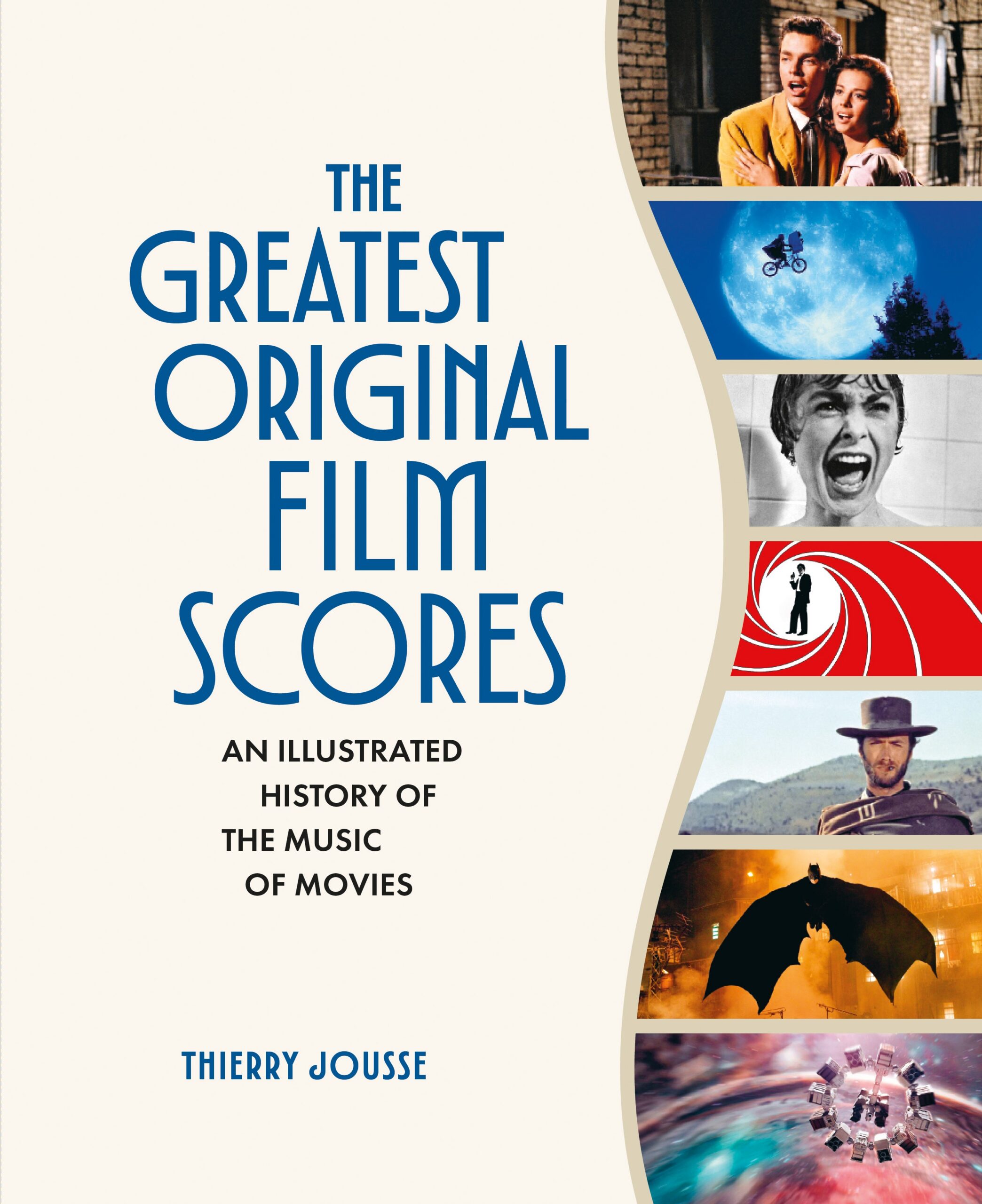
Thierry Jousse’s The Greatest Original Film Scores: An Illustrated History of the Music of Movies, released November 3 by Running Press, explores the composers and collaborations behind those feelings. Through photographs, composer profiles, film history, and suggested listening, Jousse traces film music from Hollywood’s early orchestras through jazz, rock, electronic soundscapes, and today’s blockbusters. We can hum the themes, but how many of us could name the people who wrote them? Jousse puts those musicians in the spotlight.
One chapter introduces Tim Burton and Danny Elfman as “A Devilish Duo,” an appropriate name for the partnership behind Batman and Edward Scissorhands. Burton creates worlds full of strange characters and outsiders, while Elfman’s music gives us the menace and the tenderness within them. It’s a reminder of how much a composer shapes what we think of as a director’s style. The kid humming Batman’s theme never made that distinction. He just knew it worked.
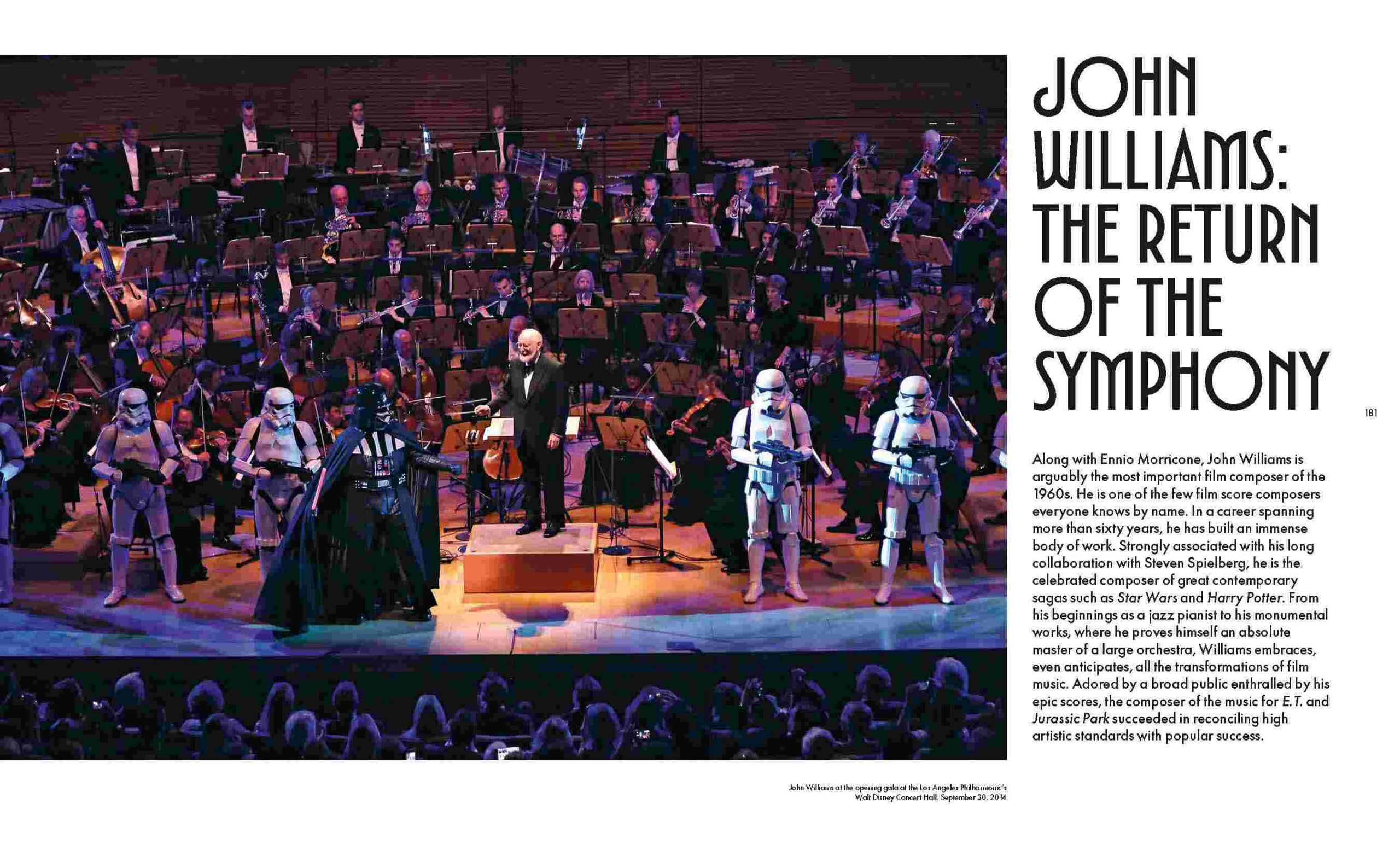
Jousse also explores one of cinema’s great partnerships, Steven Spielberg and John Williams, whose work together includes Jaws, E.T., Jurassic Park, and Indiana Jones. Add the worlds of Star Wars and Harry Potter, and you have a catalog of themes generations of moviegoers recognize. That opening blast of Star Wars promises adventure before we’ve met a single character, and the first notes of “Hedwig’s Theme” pull us somewhere magical. Williams attaches music to characters and places until the theme alone brings an entire story rushing back, and those themes grew from a long tradition of classical composition. The book also goes back to Max Steiner, whose work on King Kong and Gone with the Wind helped establish the sweeping sound of early Hollywood. Bernard Herrmann’s strings for Hitchcock in Psycho are so tied to the shower scene that it’s almost impossible to imagine one without the other. Ennio Morricone and Sergio Leone made a whistle, a guitar, or a human voice feel as vast as the Western landscape. These are the people who taught movies how to sound.
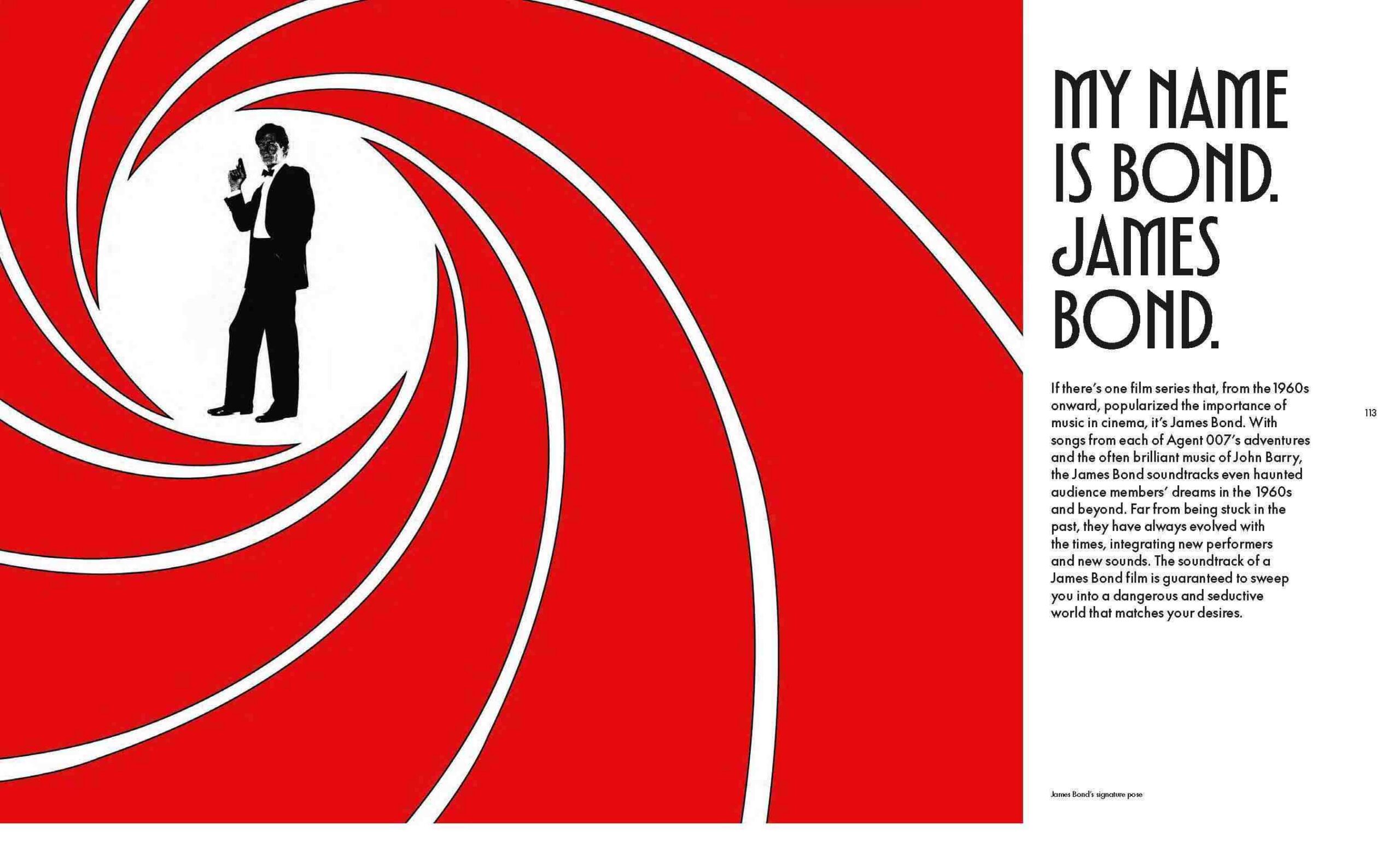
Some themes outgrow the films they were written for. Henry Mancini’s “The Pink Panther Theme,” with Plas Johnson’s sly saxophone, has a life far beyond the original movie, and you don’t need the plot to feel that sneaking, playful mood creep over you. The “James Bond Theme” belongs to far more than Dr. No. It became the sound of 007 himself. Bond gets plenty of attention, and it is one of my favorite stretches of the book. Jousse follows John Barry’s orchestral sound through the composers and singers who defined the series. Shirley Bassey’s “Goldfinger” arrives as commandingly as Bond. For Live and Let Die, George Martin’s score and the Paul McCartney and Wings title song bring rock into the orchestra without losing the swagger. Tina Turner, Adele, and Billie Eilish each brought something different, while David Arnold, Thomas Newman, and Hans Zimmer carried the series into new eras.
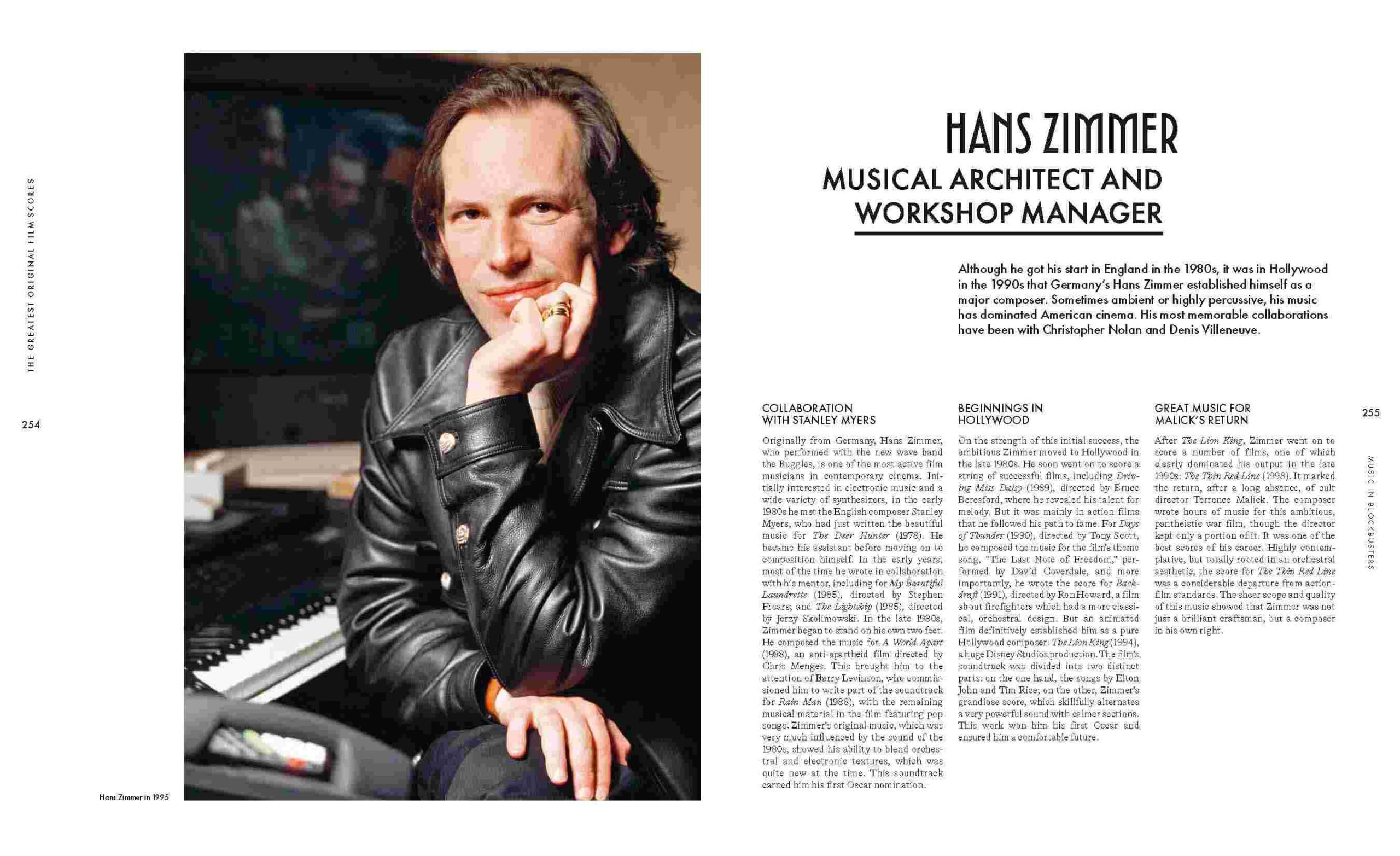
Zimmer gets his own chapter, tracing his career through Rain Man, The Lion King, Gladiator, Interstellar, and Dune. His mix of orchestral and electronic sound can be almost physical. Where Williams gives you a melody to hum, Zimmer creates something that settles into your chest. Jousse notes that Zimmer’s scores for Christopher Nolan’s Batman films are closer to sound design than melody, a long way from the thundering rhythms of Elfman’s Batman. It is fascinating that the same hero can live in two completely different musical worlds. Neither composer changes who Batman is, but each changes how we experience him.
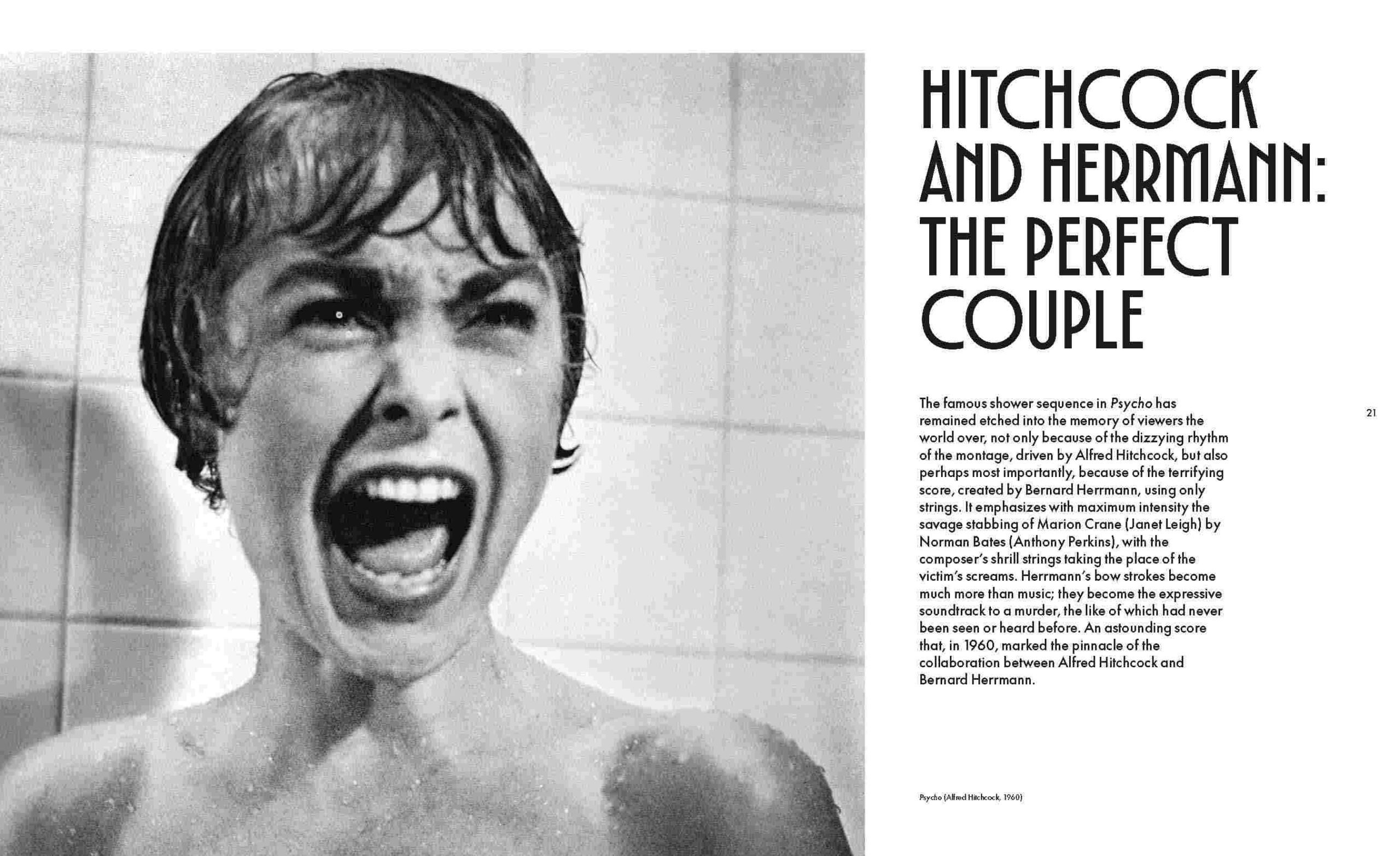
Of course, not every score makes you want to become the person on screen. Some make you grateful you are nowhere near them. John Carpenter’s Halloween needs only a few repeating notes to put us on edge, and Herrmann’s strings in Psycho turn sound into something almost as frightening as the images. Music can make a child feel like a superhero. It can also make an ordinary street feel like somewhere you shouldn’t walk alone. Jousse also explores the unsettling sound of The Texas Chain Saw Massacre and David Cronenberg’s partnership with Howard Shore on Videodrome and The Fly. You may not be able to hum these more experimental scores, but they leave their mark.
Then there are the musicals, where characters do what the rest of us are trying to resist and break into song. Jousse covers Singin’ in the Rain and West Side Story, along with the French musicals of Jacques Demy and Michel Legrand. In a musical, the music is the story. A song can be a love declaration, or something a character can’t bring themselves to say out loud, and the dancing gives those feelings somewhere to go.
The book even steps beyond original scores in “DJ Filmmakers,” which looks at directors who build scenes around existing recordings. Quentin Tarantino is the perfect example. Think of Dick Dale’s “Misirlou” kicking Pulp Fiction into gear, or John Travolta and Uma Thurman dancing to Chuck Berry’s “You Never Can Tell.” Those songs existed long before the movie, but Tarantino gave us new images to attach to them. Jousse follows his choices through Reservoir Dogs, Jackie Brown, and Kill Bill, showing that the right recording can shape a scene as powerfully as an original score. It’s where the book widens from scores to the whole relationship between music and moving images, however it comes together.
That breadth comes with a trade-off. With so much ground to cover, some films and collaborations get only a few pages, and readers hoping for a deep dive into one favorite score may want more. But many of these composers worked with generations of filmmakers and made music far beyond the cinema, yet remain largely unknown to the audiences who have spent their lives listening to them. Giving them faces and histories may be the book’s greatest achievement, and its suggested playlists make it easy to keep exploring after the last page.
I picked up The Greatest Original Film Scores thinking about the themes I already loved. I came away with a much greater appreciation for the people who created them, and a long new list of music I want to hear. These scores have followed me from childhood games of Batman to the pages of my favorite books, and they’ve made me feel heroic and heartbroken.
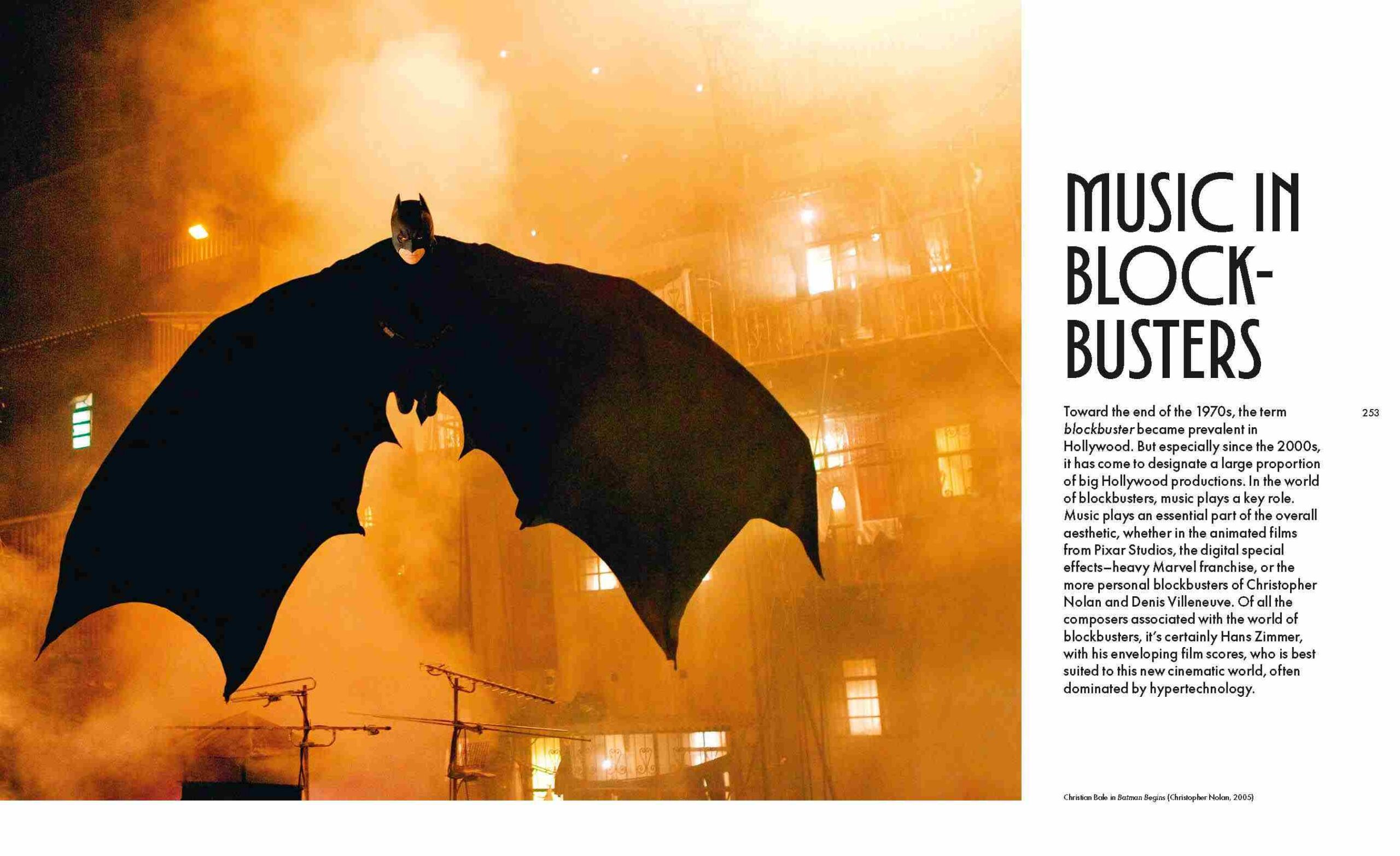
And somewhere inside me, there’s still that kid humming the Batman theme, ready to save Gotham.
The Greatest Original Film Scores: An Illustrated History of the Music of Movies is available from Running Press in hardcover for $45 and as an ebook.