By Jimmy Steinfeldt
Los Angeles CA (The Hollywood Times) 12-31-25
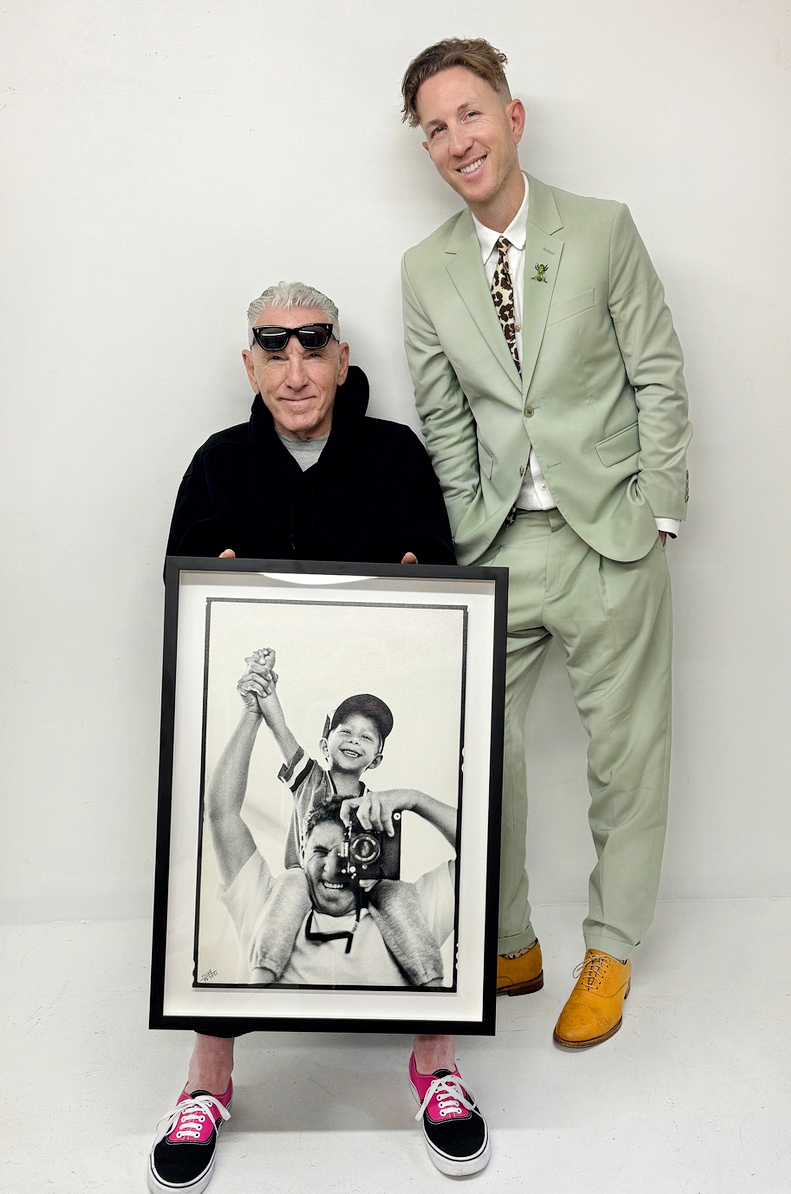
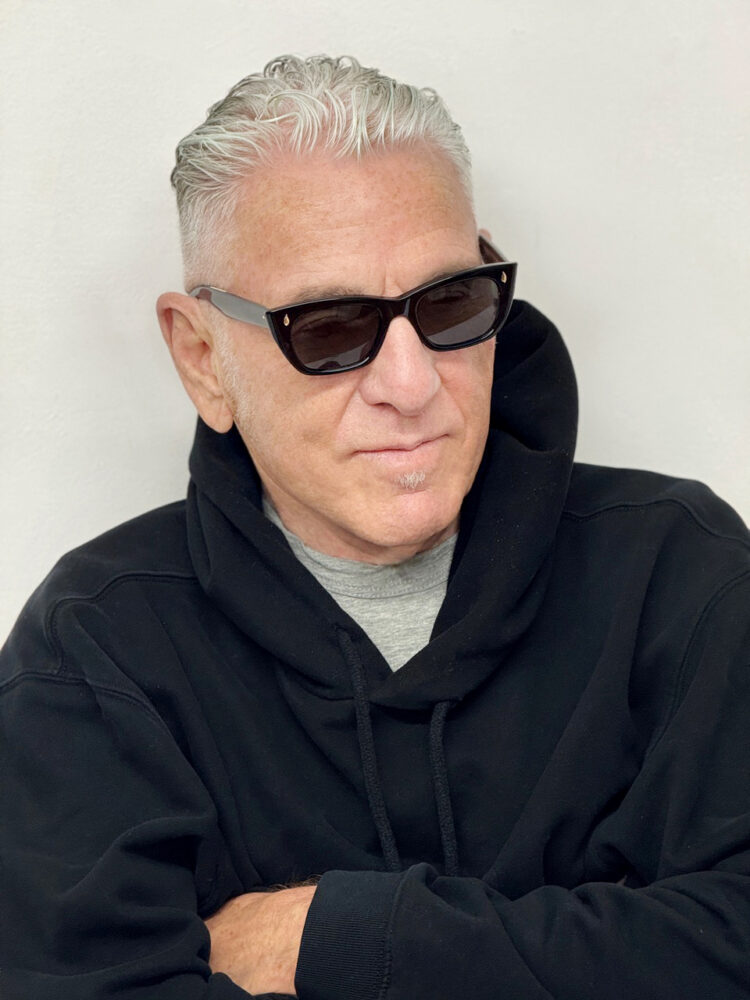
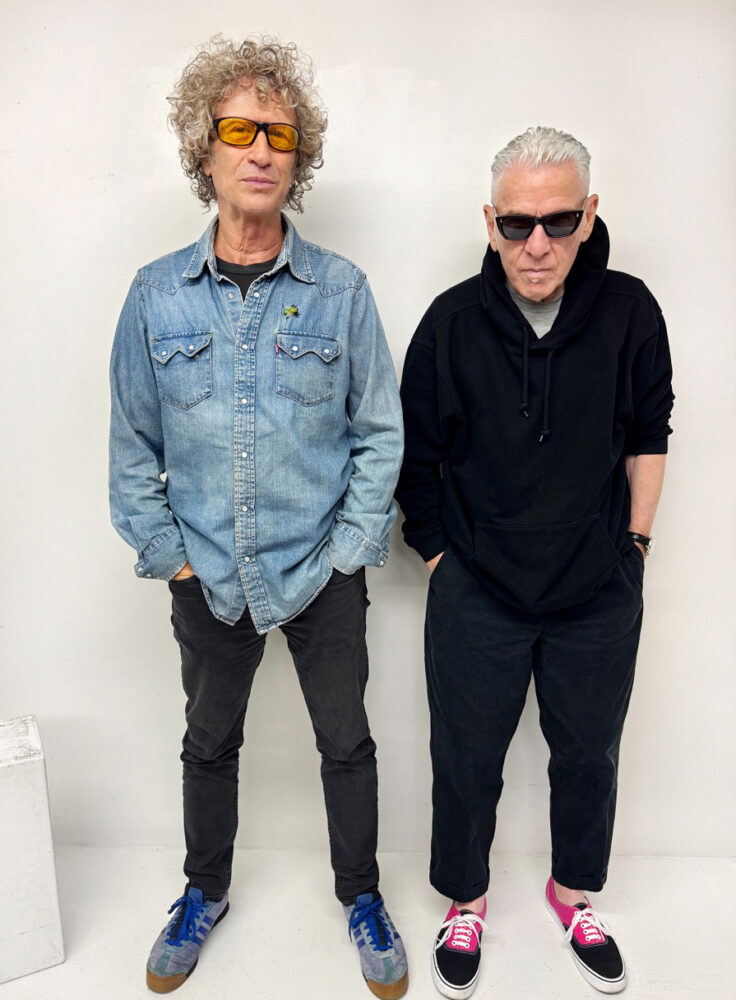
Moshe Brakha and his son Eddie Brakha started collaborating in 2004 forming the artistic duo known as Brakhax2. They went into the Fine Art world in 2008. They have done eleven different series of fine art photographs. The first of which was a series titled Silent Pictures and the latest is called Captured. I sat down with Moshe and his son Eddie at their Los Angeles photo studio to discuss Moshe’s career doing Fine Art, Music, Entertainment and Advertising photography.
Eddie Brakha: The way in which Moshe was part of a band was why he was the photographer. That was his way of playing an instrument. Our collaboration, our artistic flow starts with our language, our generational gap, if he sees something and I see something, it becomes timeless. For Silent Pictures, we put the lyrics or the title, within the actual image. Like for this piece titled L.A. No Cash Plastic Only.
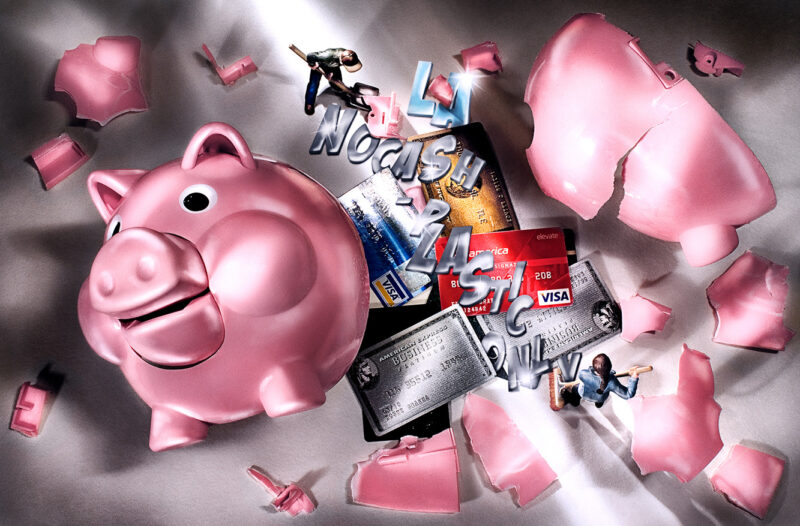
Jimmy Steinfeldt: I like the credit cards in the piggy bank.
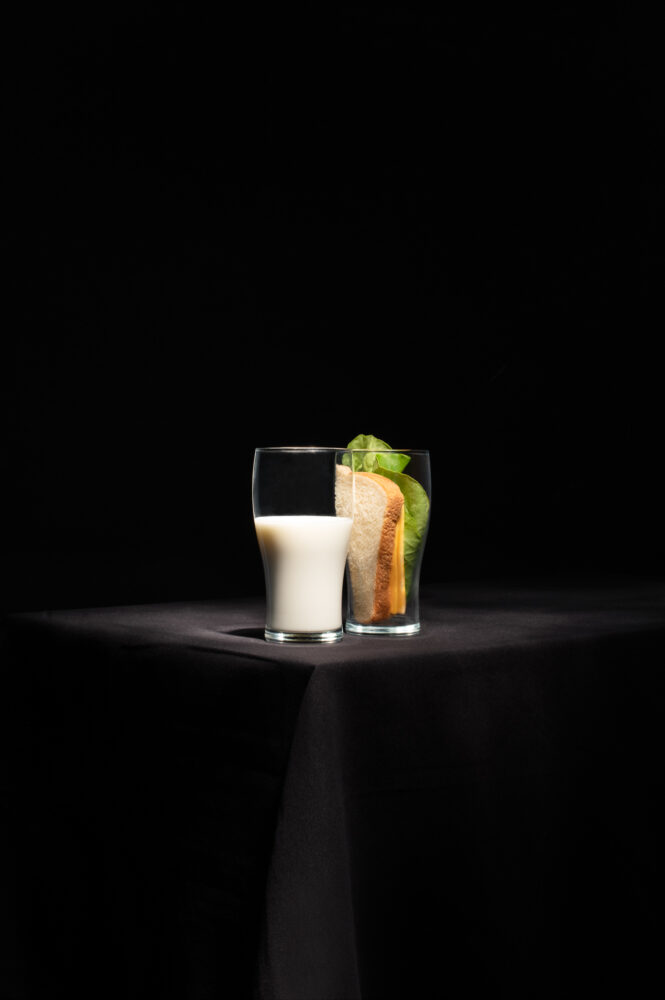
EB: That’s from Silent Pictures as well. There were 56 pieces in the series. This was our first installation within the art world. This is a series we did called Drink Me, which is the pairing of food and drink.
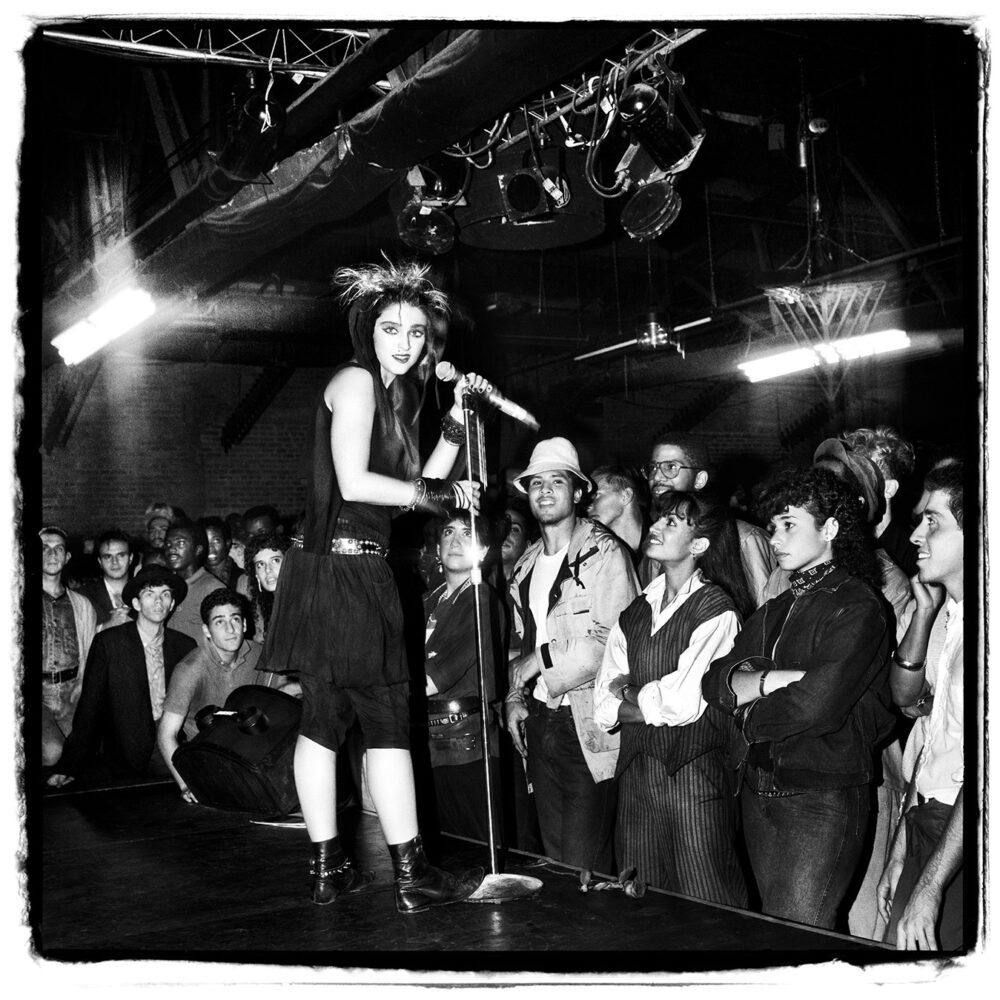
JS: I like this photo of Madonna.
Moshe Brakha: This is a rare photo because I rarely did live performance photos.
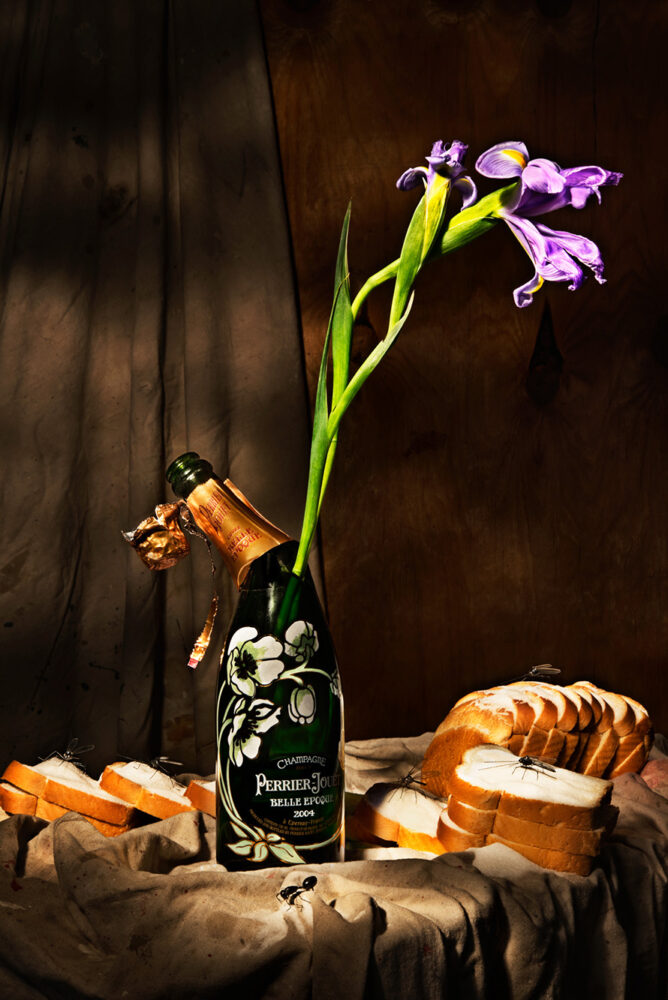
EB: This was another series Flower In A Bottle. The idea of who the person is. Who would take that exact bottle, put their flower in it creating this moment of time.
MB: In advertising I always was doing stories. I shot a lot of advertising over the years and I still do.
JS: An advertising shoot pays some bills.
MB: It has to.
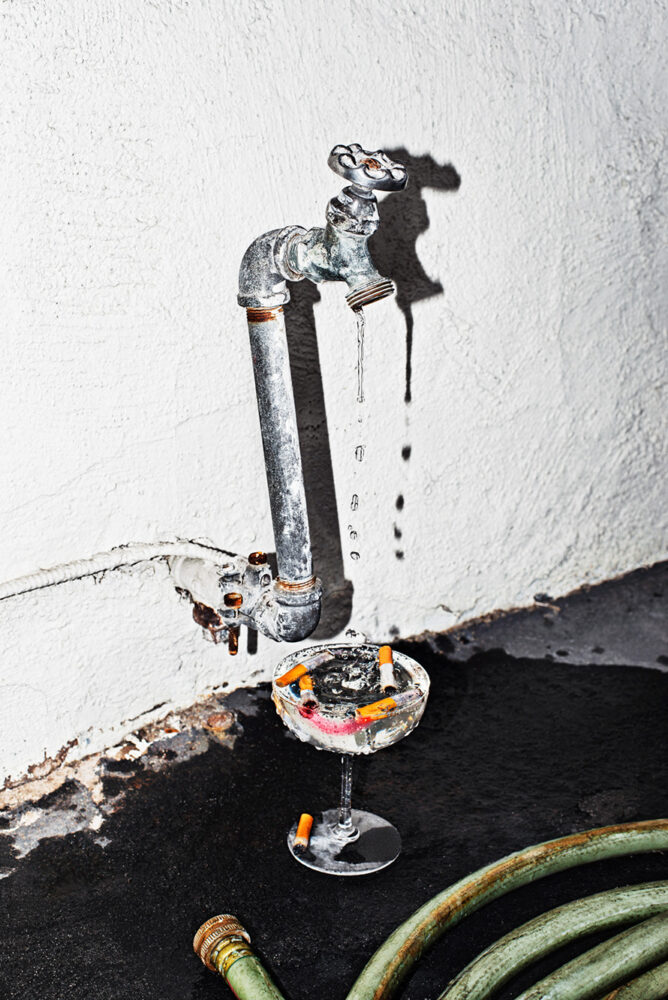
EB: This series is called Man Woman Faucet. Everyone has a faucet at their home. It uniquely looks like the person that inhabits the property. Even the way the water flows out of the spout. You discover a lot of these things. It’s funny because you do a series and then ultimately, when someone sees it, they begin to see the world differently and that’s the magic. Because then your language gets to spread.
This was a series called HighChairs. This was a phase where we did this for four series where we started shooting everything out of Focus.
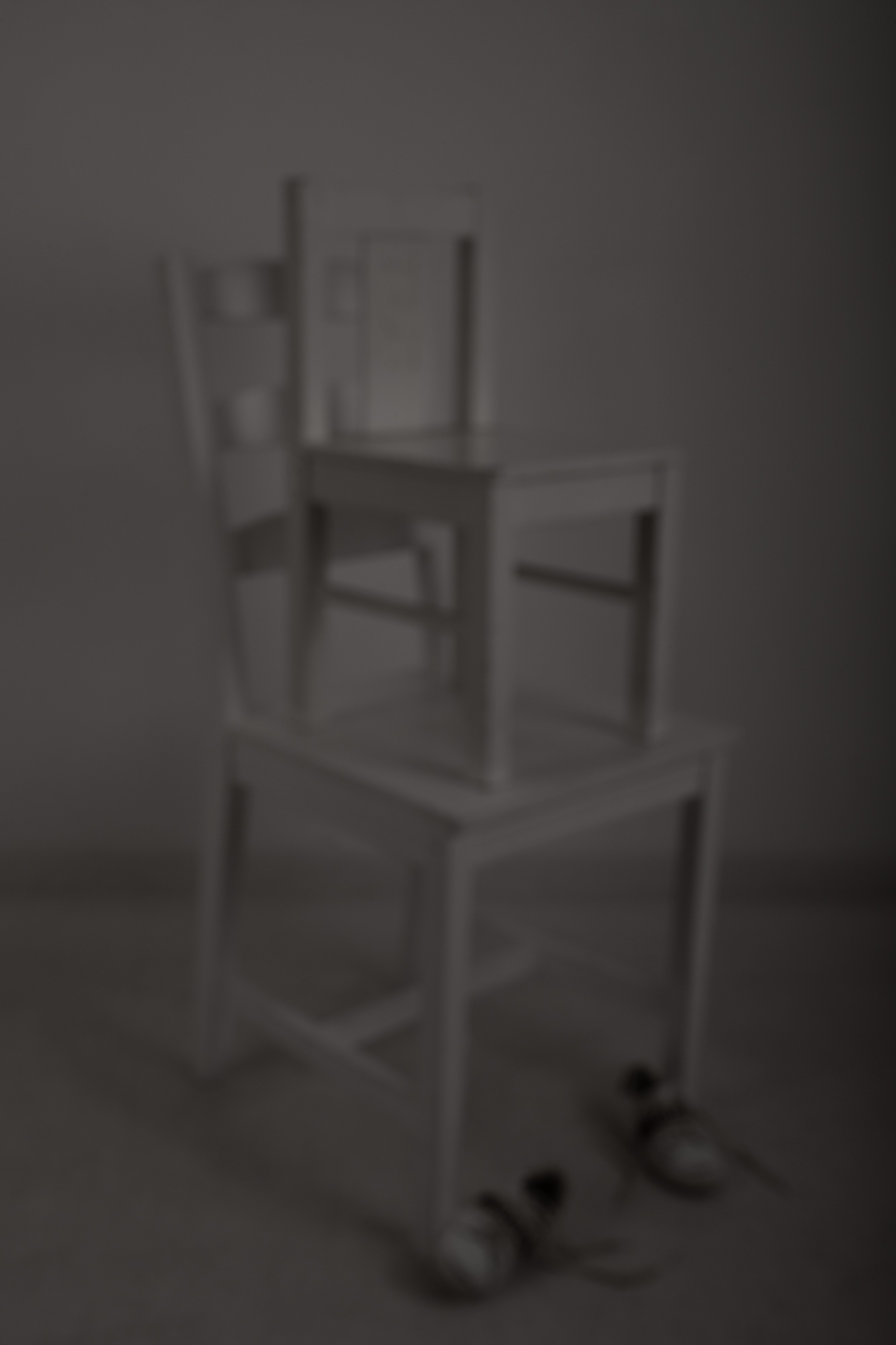
MB: This is Bite Me all about food.
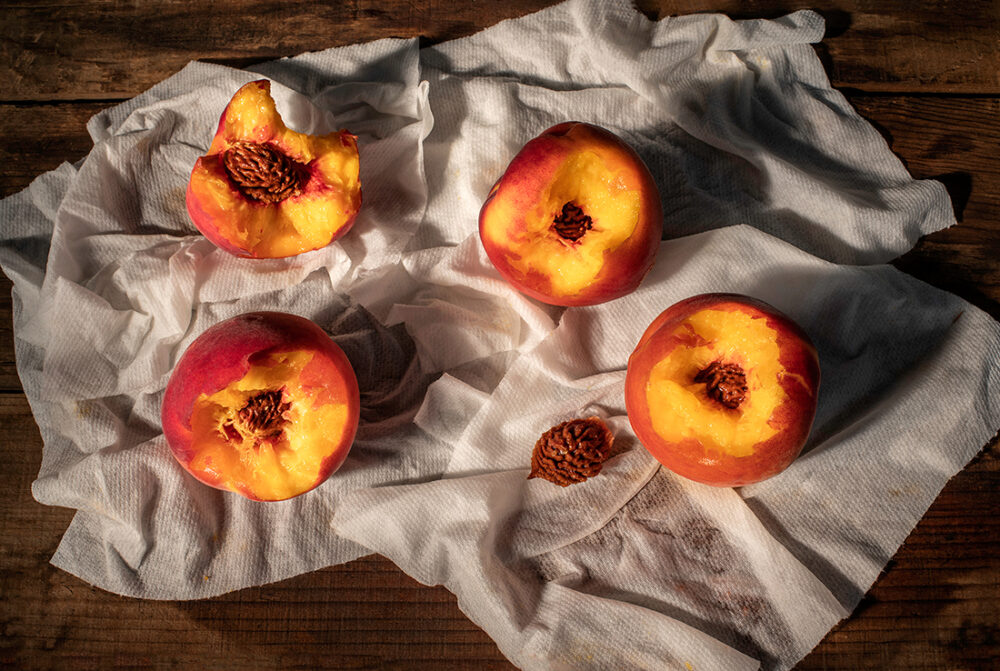
EB: This series from one distance is completely out of focus and if you step about six to eight feet away it gains clarity. This series is called Farsighted. Then we moved onto Hang On.
JS: You did a series of hangers?

EB: How do we tell the story simpler and simpler. We just start the mind going and then the viewer just takes it over from there. My dad will often wax about his music photography not even trying to be a teaching moment. But certain people along the way that you worked with give you ideas of how it should be. Your subjects are collaborators.
MB: Today I don’t have to justify to anybody except us. We did a campaign for tequila. The catchphrase is Work becomes passion in the time of Tequila. We also just finished a campaign for Bushmills Irish Whiskey. I’ve been working with the creative director Jeff Weiss for a 50 year collaboration.
JS: I see a lot of index cards on your bulletin board?
EB: That’s a movie script idea that we were playing around with.
JS: Each card is like a story board in text. I’m writing a book about Alfred Hitchcock. He was famous for storyboarding. I’m interviewing legendary directors on how they were influenced by Hitchcock: Peter Bogdanovich, Mel Brooks, Roger Corman, John Woo, Mark Rydell and dozens more.
MB: This is my book L.A. Babe.
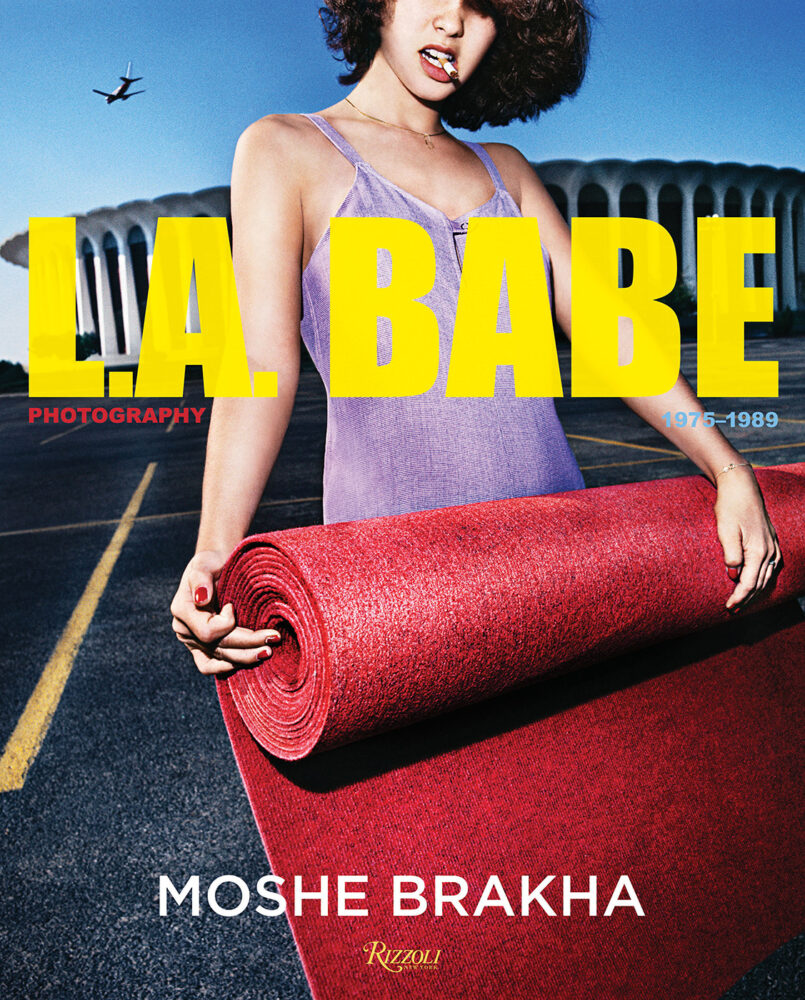
JS: Yes, this is the forum.
MB: This was a poster for the Electric Light Orchestra.
JS: How often do you clean your lens?
MB: Rarely. When I see dirt in my digital camera I go to Samy’s Camera to clean it.
JS: What photographers influenced you?
MB: Weegee, Guy Bourdin, Irving Penn, Diane Arbus.
JS: Who besides photographers influenced you?
MB: I was a student at Art Center here in Los Angeles. It was three years and also city college for two years. I spent about five years in schools.
JS: And were you primarily studying photography?
MB: Yes. Once I got a camera in my hand I didn’t care about anything else. Even today I don’t care about anything except what I do.
JS: What was your first camera?
MB: I had a Pentax from when I was a sailor in the Merchant Marine and Navy.
JS: What cameras are you shooting with today?
MB: It doesn’t matter what camera.
JS: Tell me about your lighting. What is your favorite kind? Strobes, constant source?
MB: All of the above. Lighting is very important for us always.
JS: We have both shot many musicians. I’ve shot portraits and covers but tons of concerts. You’ve done these magnificent portraits and album covers.
MB: I never was a documentary photographer though I like to shoot documentary. I shot my family. Raising a family, that was my documentary.
JS: You photographed one of my favorite covers of all time, which I’m sure you’ve talked about a lot in the past, and that’s the Boz Scaggs cover. Silk Degrees. Can you tell me a little bit about that experience?
MB: It was shot on Catalina Island. I had just graduated Art Center. It wasn’t a big deal. It ended up a big deal because the album became a big deal.
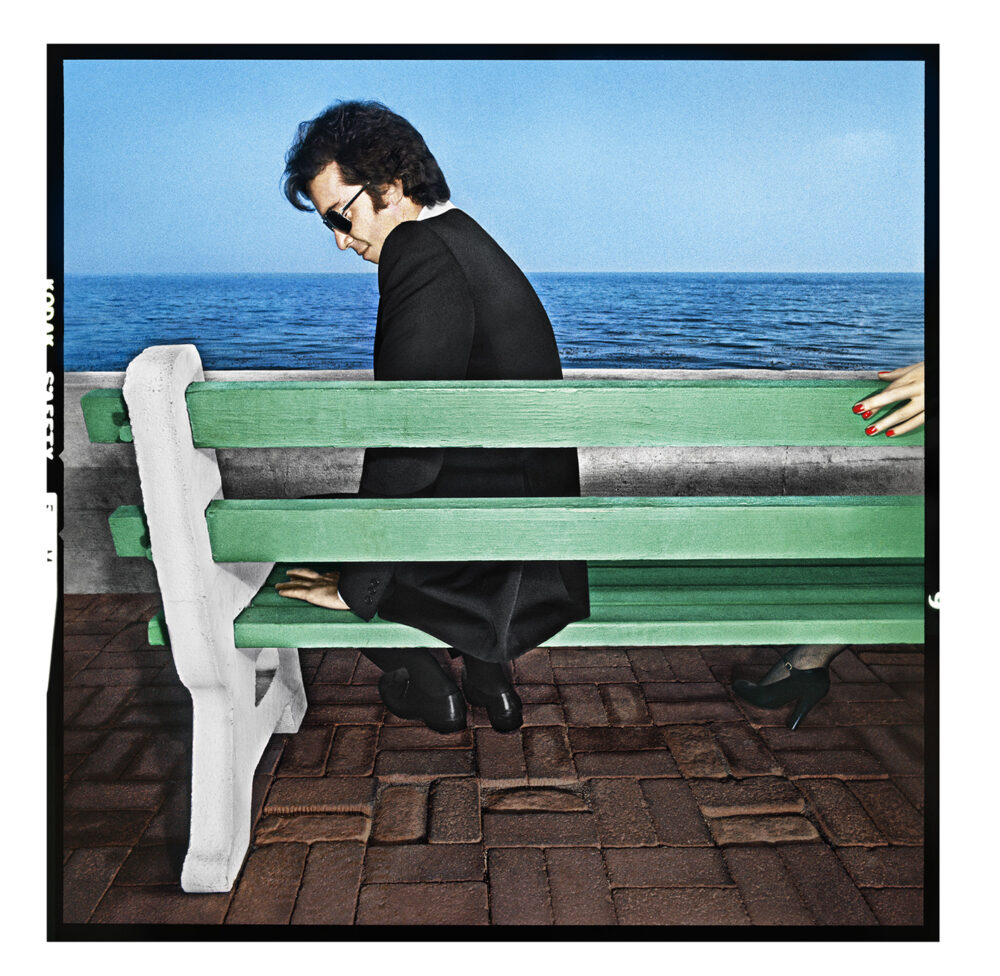
JS: I tend to think that you helped that album become a big deal.
MB: Thank you for the compliment.
EB: Many people ask my dad about this album cover. Why was it so important to you?
JS: The vibrant colors and contrast. Also, the mystery.
MB: My generation started to use flash to bring out color and contrast. This was a new era and a new style. I had a lot of demand after that because of the lighting.
JS: And then you did album cover work for DEVO.
MB: Yes, everything I did was with flash and didn’t look like a documentary style. I shot DEVO with a pre-conceived idea.
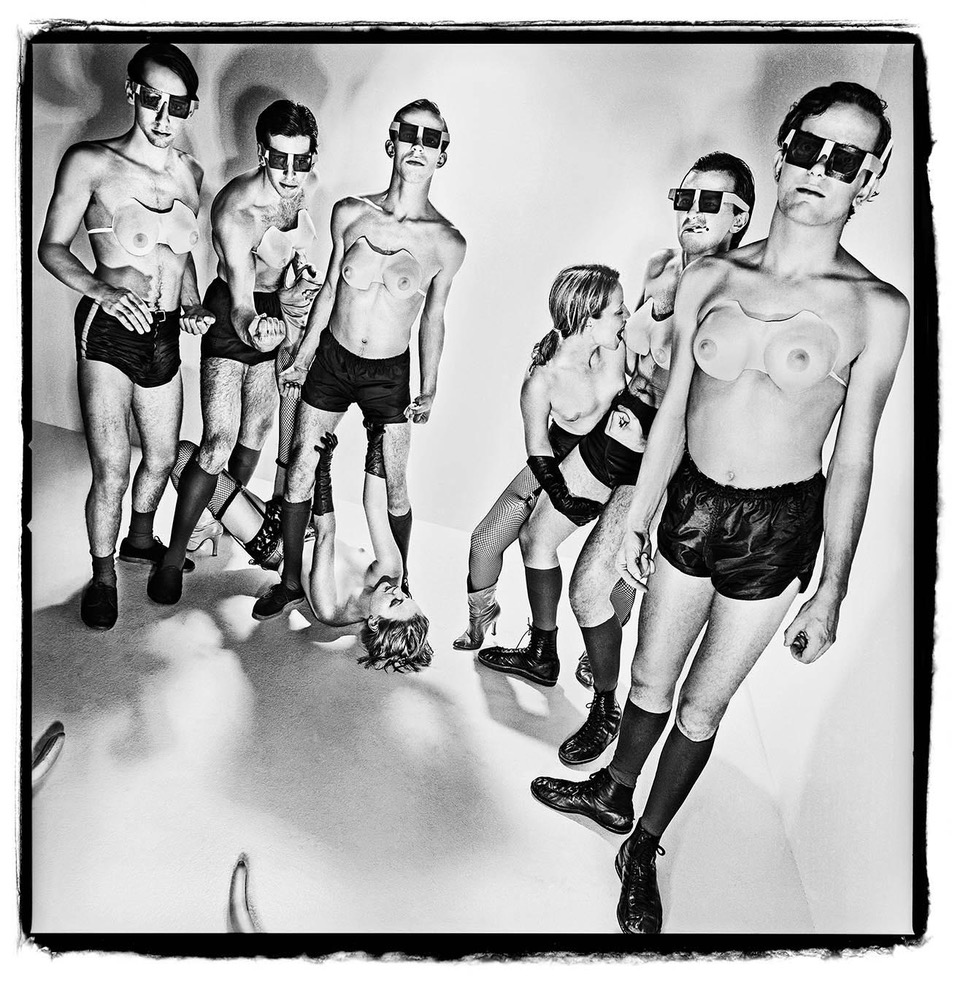
JS: I’m very lucky to know Mark Mothersbaugh. I’ve photographed him and DEVO many times. My photo of Mark appears in my book Rock ‘N’ Roll Lens Volume II and in fact I photographed him at the SHAG art exhibit in Palm Springs recently.
MB: He’s very genius. These are my photos of DEVO from way back. And these are my photos of The Cars.
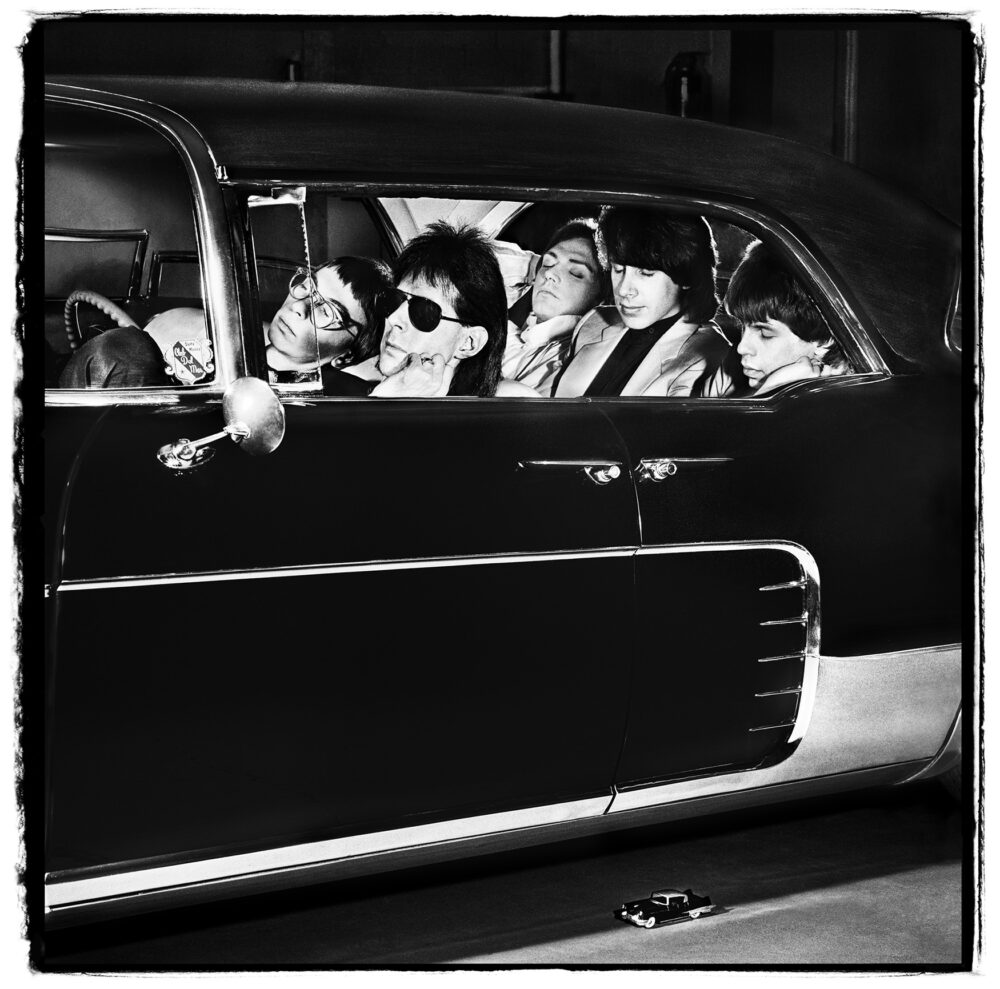
JS: Small world. I’m friends with their great guitarist Elliot Easton.
MB: I did a show at the Grammy Museum. All the music photos that I used to do. DEVO, The Cars, Madness. All the music that I shot in the 70s and 80s. I started working on a book titled Occupation Dreamer so we’ll see where it goes.
JS: Have you done, stills on movie sets?
MB: I did but it wasn’t really my type of photography. I documented the Punk era. I was good friends with the musicians
JS: You also photographed actors like Kurt Russell.
MB: I shot Kurt Russell and one of the photos is on my website.
JS: What type of photography do you like to do just for yourself?
MB: The still life work is really what I like to do now.
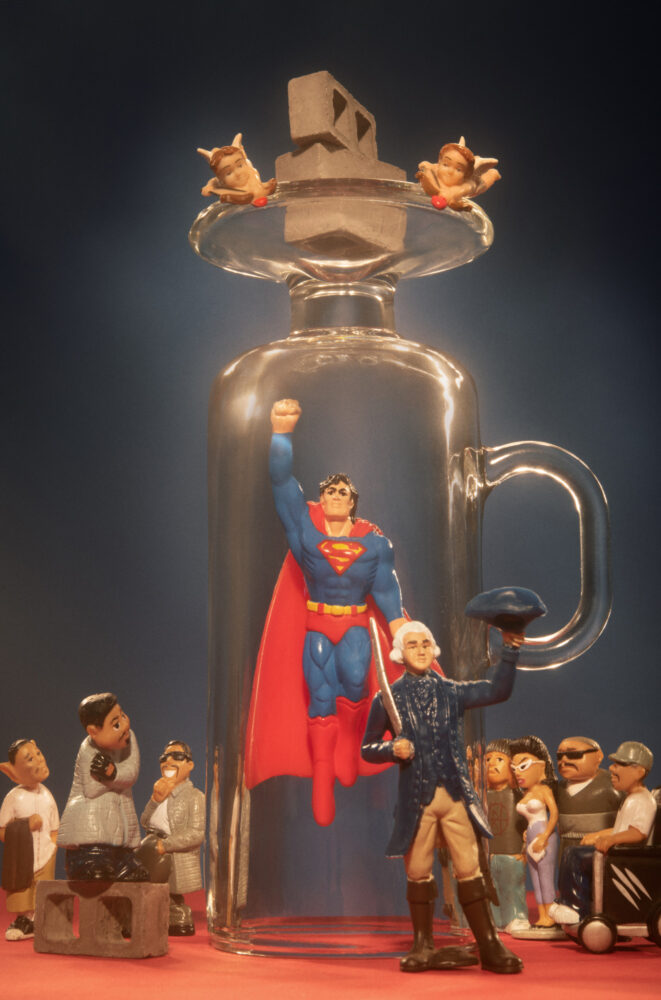
JS: What is your next book or exhibit?
MB: The Fine Art photograph series.
EB: And his archive is well organized.
JS: Do you have an agency that you work with?
MB: No. I don’t belong to any agency. I do this myself, but I never really pay attention to my archive so much. If a request comes in I follow up on it.
EB: Like one of the things he did a little while back was The Replacements Tim Let It Bleed Edition and then a Neil Young box set.
JS: The Replacements are from my hometown Minneapolis. I photographed them when they were pretty young and my pictures are also in a box set.
MB: I photographed them when they didn’t even want to do a video. By the time I came to shoot them in the morning they’re already fucked up.
JS: Moshe, what advice would you have for a young person who wants to make a career in photography?
MB: Just do it. That’s all you have to do is take pictures. Keep taking pictures. If you love it, you love it. It’s a life-long addiction. I get up every morning seven days a week to take pictures. That’s my addiction.
JS: The photography you’re doing most of the time is here in the studio?
MB: Yes. Because expression comes here.
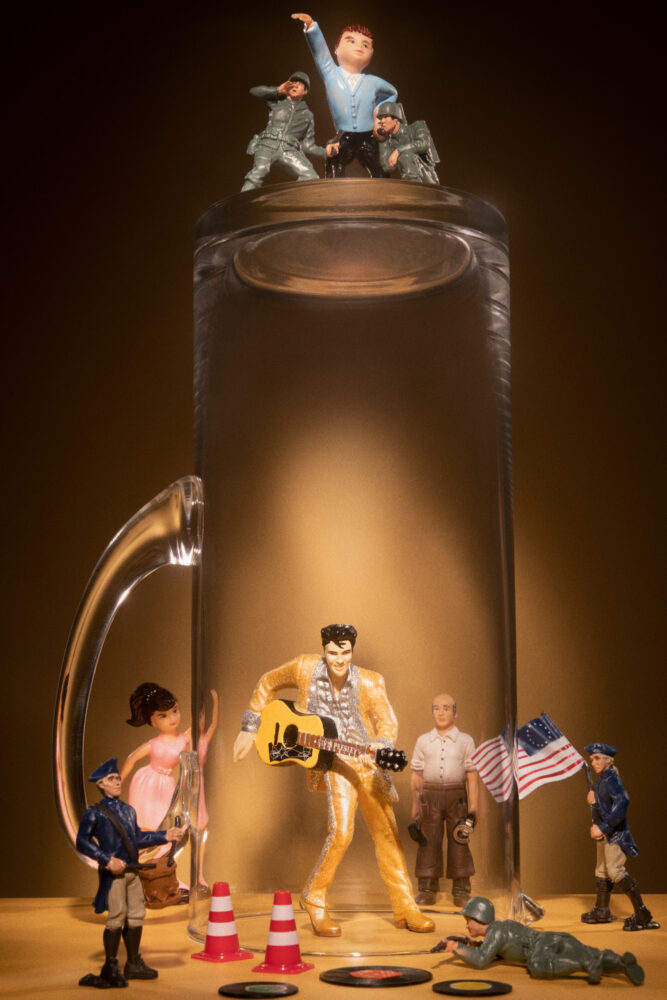
JS: Was your studio always here in L.A?
MB: Always. Eventually I started to do advertising photography and it took over. I stopped doing music and then I started to do TV commercials. I used to travel all over the world. One of my first commercials became so successful in Europe that it blew up. Nonstop work after that. It changed the course of my life.
For more info on Moshe https://brakhax2.com/