By Valerie Milano
Los Angeles, CA (The Hollywood Times) 5/26/26 – There are documentaries that simply tell a story, and then there are documentaries that preserve a legacy. Jewel’s Catch One does both beautifully.
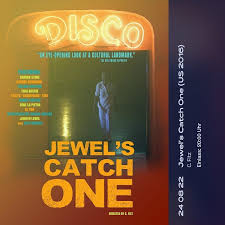
Nearly a decade after first experiencing the film at Outfest in 2016, reconnecting with filmmaker C. Fitz felt both nostalgic and unexpectedly emotional. The acclaimed documentary officially returns June 16, 2026, through Freestyle Digital Media during Pride Month and just days before Juneteenth, timing that could not feel more relevant or more necessary.
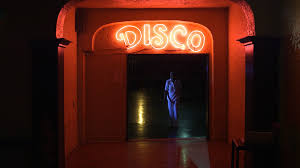
Originally celebrated during its acclaimed festival run, the film chronicles the extraordinary life of Jewel Thais-Williams and the legendary Los Angeles nightclub Catch One, often referred to as the “Studio 54 of the West Coast.” But as Fitz passionately explained during our recent interview, Catch One was never simply a nightclub.
It was a sanctuary.
“When we premiered at Outfest, it was pure joy,” Fitz recalled. “We were sold out. So many people came out who went to the Catch. Evelyn “Champagne” King was there, Thelma Houston was there. Jewel was getting her flowers in Los Angeles, and it was such a celebration.”
Click below for our exclusive interview:
That celebration launched the documentary into a successful international festival run, eventually earning multiple Best Documentary honors and screenings at more than 70 festivals worldwide. But revisiting the film today carries a very different emotional weight.
“It’s more serious now,” Fitz explained. “I hope Jewel’s story inspires people to get active in their own communities because where we are right now is such a mess. We need more people like Jewel.”
That sentiment lies at the heart of Jewel’s Catch One.
More than documenting nightlife history, the film captures an essential chapter of Black and LGBTQ+ cultural history in Los Angeles. Catch One was one of the first Black-owned discos in America, but its true legacy extended far beyond music and dancing.
“She created a safe space, a sanctuary actually,” Fitz told me. “People of all different colors, sexual orientations, backgrounds, everyone was welcome there. And inside those walls, people could truly be themselves.”
For more than 42 years, Jewel Thais-Williams maintained that sanctuary through changing times, social pressures, economic hardships, and the devastation of the AIDS crisis.
One of the documentary’s greatest strengths is how honestly it balances joy with heartbreak.
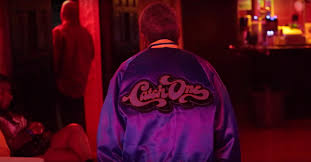 The music, dancing, glamour, celebrity appearances, and freedom of the disco era pulse throughout the film. Yet Fitz also forces audiences to confront the painful realities of the AIDS epidemic and the enormous burden carried by marginalized communities during that time.
“The AIDS chapter was incredibly painful,” Fitz shared candidly. “Going through photos and footage of people Jewel lost personally… every story mattered.”
Fitz revealed that her original rough cut ran an astonishing ten and a half hours because she struggled to let go of the many emotional stories connected to Catch One and its community.
“I cried through so much of it,” she admitted. “I wanted audiences to feel the loss, but also the resilience and joy that survived through all of it. That was who Jewel was. She kept fighting. She kept loving people. She kept showing up for her community no matter how painful things became.”
That resilience becomes one of the documentary’s most lasting impressions.
During our conversation, Fitz spoke emotionally about watching Jewel constantly show up for people in need, whether it was creating outreach programs, feeding people during the AIDS crisis, or simply offering emotional support.
“She never stopped,” Fitz said. “She had this enormous heart and sense of responsibility to her community.”
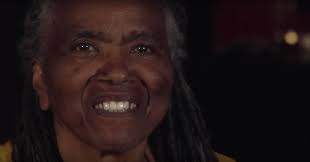
But Fitz also emphasized something audiences may not expect from such an important historical figure: Jewel loved joy.
“She loved music, dancing, friendship, flirting, all of it,” Fitz laughed. “Sometimes people think activists are serious all the time, but Jewel had joy.”
That balance between activism and celebration gives Jewel’s Catch One its emotional richness. The film does not simply mourn what was lost. It celebrates what was created.
One particularly memorable story Fitz shared involved Thelma Houston discovering the power of her anthem “Don’t Leave Me This Way” at Catch One itself, where the song came alive for audiences in a way that helped cement its lasting cultural impact. Stories like these add warmth, intimacy, and authenticity throughout the documentary.
The film also features appearances and commentary from legendary voices including Sharon Stone, Madonna, Sandra Bernhard, Jenifer Lewis, Maxine Waters, and many others whose lives intersected with the legendary venue and its impact on Los Angeles culture.
Visually, the documentary pulses with energy. The archival footage, interviews, music, and editing immerse viewers into an era that feels both nostalgic and urgently relevant today. Fitz’s storytelling style feels deeply personal while maintaining the scope of an important historical narrative.
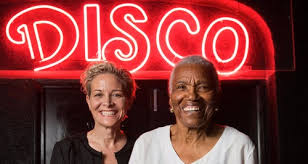
As the one-year anniversary of Jewel’s passing approaches, the film now feels even more like an act of preservation, ensuring younger generations understand both the struggles and triumphs of those who came before them.
“I hope audiences leave inspired,” Fitz said as our conversation concluded. “Maybe it’s helping someone in their neighborhood. Maybe it’s standing up for someone who feels unseen. Safe spaces matter deeply, especially now.”
That message lingers long after the credits roll.
At a time when conversations surrounding LGBTQ+ rights, Black history, community spaces, and visibility remain deeply important, Jewel’s Catch One feels less like a documentary from the past and more like a roadmap for the future.
This is not simply a film about a nightclub.
It is a film about courage, chosen family, activism, survival, resilience, and love.
And now more than ever, it deserves to be seen.
For more information, visit Jewel’s Catch One Documentary.