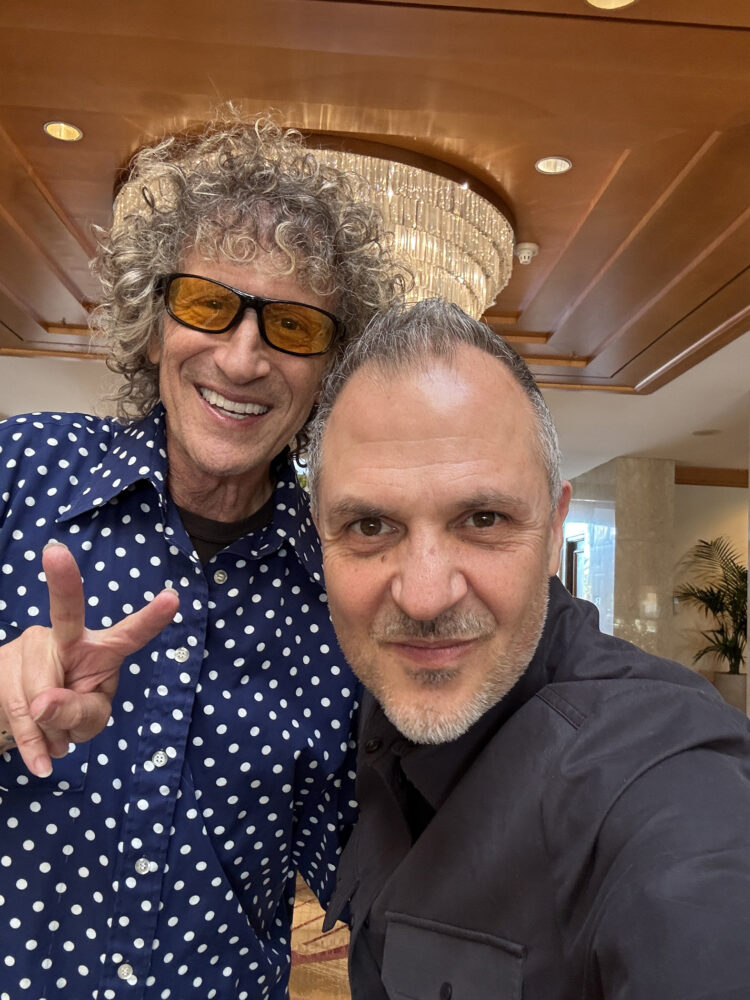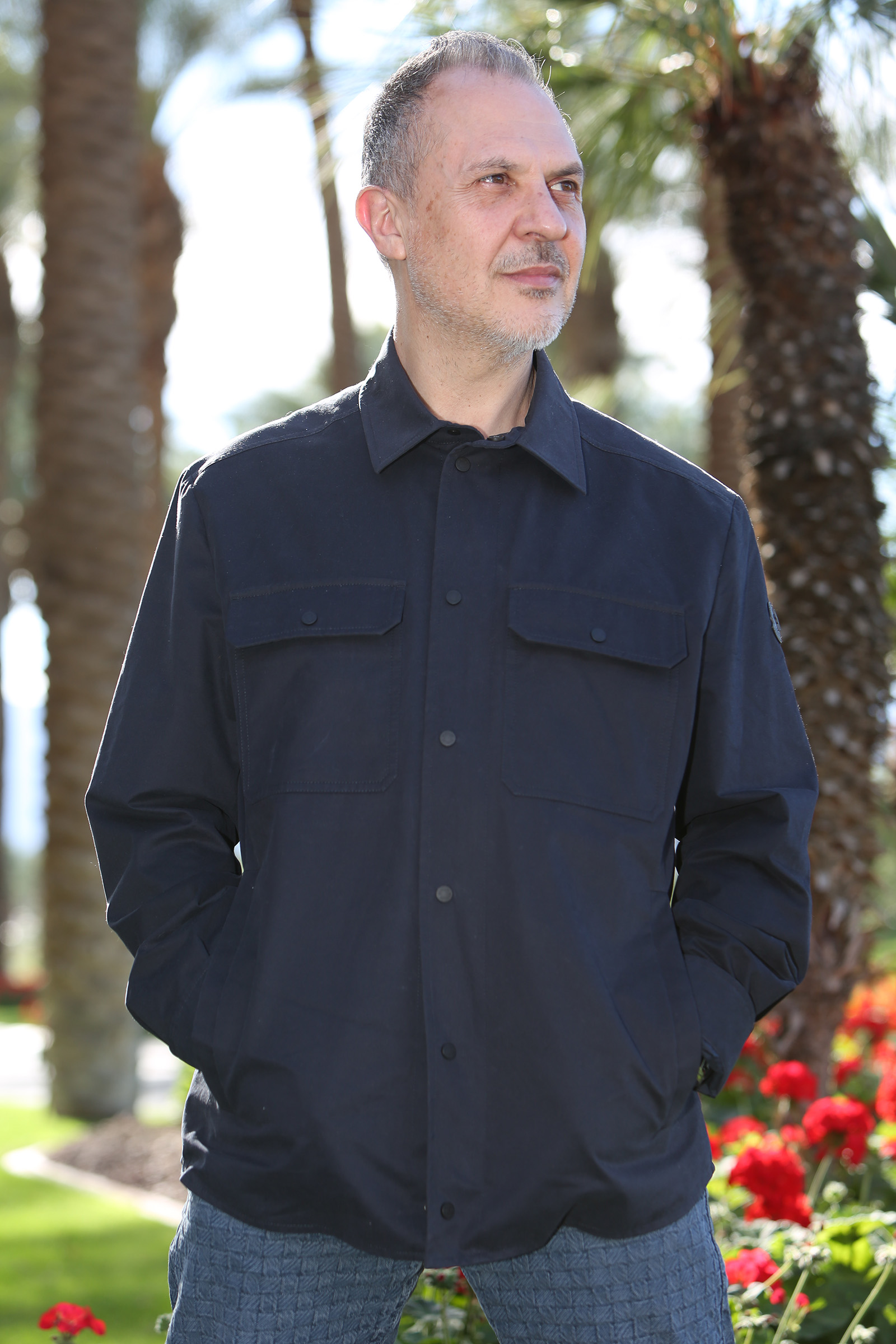
Renaissance Hotel Indian Wells, CA
3-3-26
Jimmy Steinfeldt: How often do you clean your lens?
Platon: All the time. I shoot film, so I have a set of habits that help me focus. Normally on every shoot no matter what it is: a President or movie star or in a Human Rights situation in a revolution. There’s always chaos going on, emotional chaos. Everyone’s distracting you, asking you questions. I need emotional concentration and I wish to focus on details. The camera becomes a tool not just to capture their presence but also to help me focus. The lens and the viewfinder especially must be clean, also the focus screen. I take off the top of the old Hasselblad and clean it. It’s a great way of calming down. Maybe I find a tiny bit of dust in the upper right corner. I need to get my mind set into that rather than if the publicity person is in a bad mood. There might be gunshots going off in a revolution. Secret police might want to arrest us in Burma. It’s very difficult to concentrate on two things at the same time. I’m there to do a picture and that’s the priority. I use the little details to help me focus and get into the shoot.
JS: What photographers influenced you?
P: I don’t really look at photography anymore. It’s gone into my body. An artist, it’s like a fire that you need to stoke. You need enough wood or coal to burn the fire. I call that inspiration. Once it kicks off a career, it goes fast. Your back is constantly against the wall. I’m a huge admirer of Muhammad Ali. I’m a devoted fan.
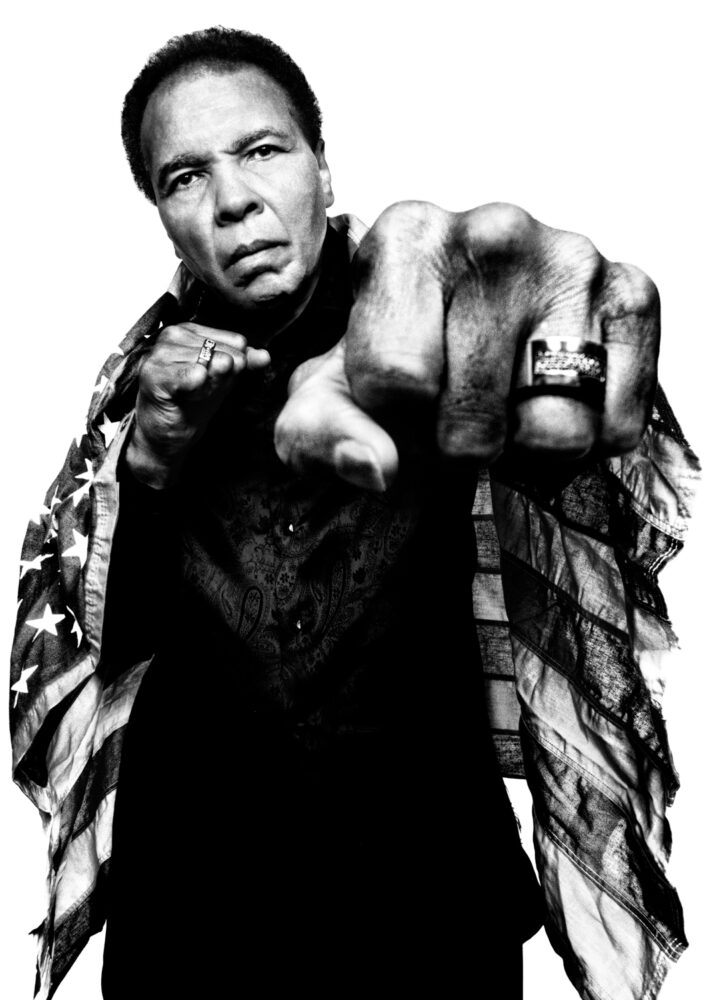
The idea of boxing is really interesting. It feels similar to what I do. Boxing and wrestling. It feels like when I’m against the ropes, I’m being stripped of all the things I’d choose to focus on. I’m being thrown a set a problems and challenges that I didn’t see coming. Someone is in a bad mood, someone is wearing the wrong clothes. I’m given thirty seconds instead of twenty-five minutes. Jimmy, you’re a photographer, so you understand this. Basically, you are against the ropes.
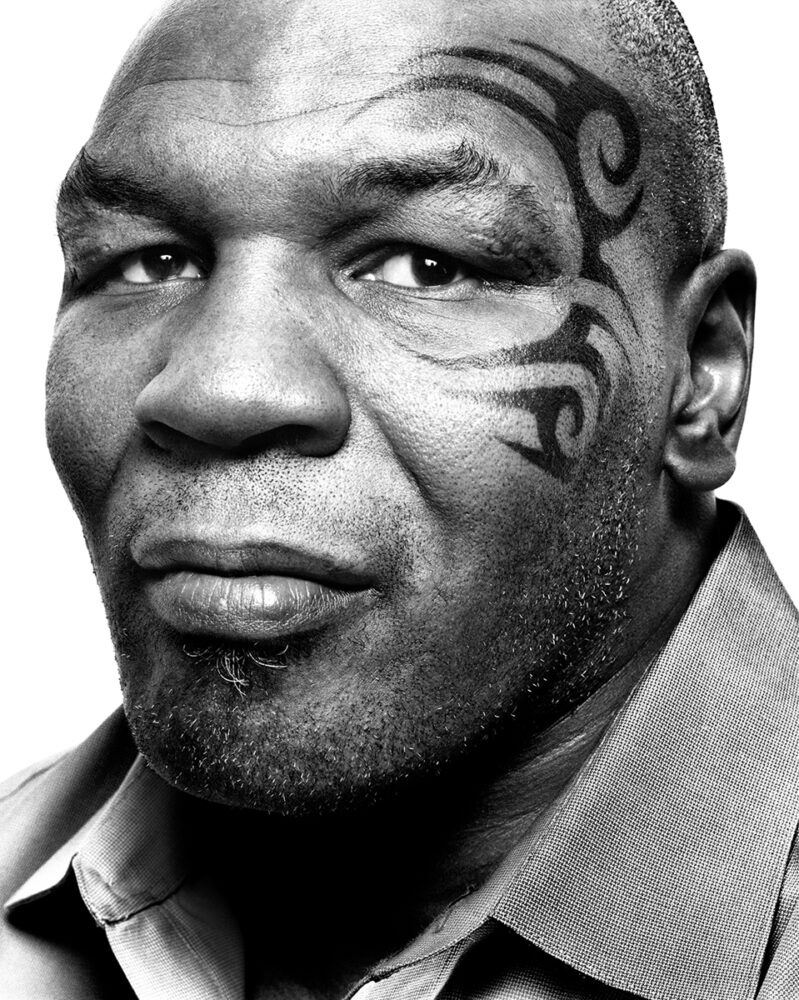
When I photographed Mike Tyson he told me “Everyone has a plan until you get punched in the face.” That’s exactly what it’s like. I go into a shoot with focus and planning. I’ve laid out all my equipment and then you just get whacked in the face. You’re dazed and confused, punch drunk, giddy. It’s like that creatively. You go to the deepest darkest corner of your memory of cultural art references. Maybe going back to when you were a child. You pull something out from your inspirations that’s right for that moment of panic. Photography was part of that nourishment for me. It helped me understand.
I was never taught to be a photographer. I never had a teacher, and I never assisted anyone. I’ve always had this deadly curiosity about how photographers work because I never knew. I learned from books. I’m dedicated to my library that I’ve kept going since I could afford my first book.
The first photography book that really opened the doors for me was David Bailey’s. His contrast black and white. Pure white background hard contrast, often pushing angles. More important was the closeness he had with his subjects. His best work was not like Avedon and Penn. Avedon, in terms of professionalism in America, was the big Cheese. Also, Helmut Newton because he was a great story-teller. His work doesn’t look like mine, but in terms of atmosphere and narrative his photography is important. Bailey was the same age as his subjects. He was dating Jean Shrimpton. He was best friends with Mick Jagger and Terence Stamp. He knew the Beatles socially. Photography was almost secondary. He was one of them.
When a band starts out, they are the same as their fans. They are as poor as their fans. They wear the same clothes. Gradually as they become more successful, they get more money and they become separated from normal society. If you become famous, you can’t go to the same cafe or same bar without being harassed all the time. Your commentary on life starts to change. You’re no longer writing songs about what it’s like to be like everybody else. You’re living a completely different kind of life. Bailey’s best work was when he was the same as his subjects.
JS: I met Bailey and photographed him with Jack Nicholson. I mention Avedon in my book and he’s one of my two big influences.
P: He was a showman. Penn was the master craftsman. He was the greatest of all of them. There’s this quiet dignity to his work.
JS: Did you meet Bailey?
P: He’s cantankerous, difficult.
JS: I had the same experience with him.
P: He pretends everything is nonchalant. As if he doesn’t care. Clearly, he cares. He’s given his life to it. That’s his style and personality. It’s the life he’s led. He was married to supermodels. He was friends with Warhol.
JS: He was an archetype for the movie Blow-Up.
P: Yes, we all wanted to be that guy. I was, however, always upset with the film even though I loved it. I always dreamed of having a studio like that and now I have one. In the film, the photographer was reckless. I always thought why did he go to that party. Why didn’t he stay and process his film? If he had, his studio wouldn’t have been broken into, and he would have found out more about what was on that roll of film. He went out and got hammered with all the pop stars. Photography didn’t come first. For me, photography comes first. I take pictures like my life depends on it.
JS: And it shows.
P: Thank you. I am not ashamed to say to my subjects “You are moving a million miles an hour and so am I. I’m prepared to commit to this moment, and I’m prepared to make this random moment meaningful. You’ve got an energy force, but I can’t do it alone. We each have 50%. If you want to join me and pause history let’s do it.” That also works just as well if someone is not famous. I can take a really important picture of an unknown person. If I talk to them in that way, we can show the world something they will never forget. That’s definitely true when I photograph Human Rights issues. Right now, the world is distracted and looking over there, and no one’s looking over here. But over here is really interesting if we make it so.
Growing up, we all want validation, respect. To be patted on the back and told “you’re doing good.” We also have to have confidence in ourselves, self-respect. If you get into the party it doesn’t make you a cooler person. If you get promoted it doesn’t mean you’re a more important person. What makes you a more important person is if you live a life that’s worth living. That you did something that was worth doing with your life. You used your skills to change something for the better. I figured out early on I might not get invited to that party or be in with that crowd the way Bailey was, but that’s not who I am. I’m a very private person. When I have down-time I like to just be with my family, calm down and rest. Walk in the garden. That allows me incredible freedom in my work. I want nothing from my subjects other than the precious commitment we will put into the picture. If I’m working with a head of state, they know I don’t want their power. Their power has no value to me. None. I’m around hangers-on all the time. I see them and it freaks me out. I never want to be like that. Because your life is not in your hands. It’s in someone else’s hands all the time. It distorts your personality. If you have self-respect, believe in your work, it’s the work that matters. Ironically, my subjects know that. It gives me an opportunity to meet them human to human. There is no hierarchy with my subjects.
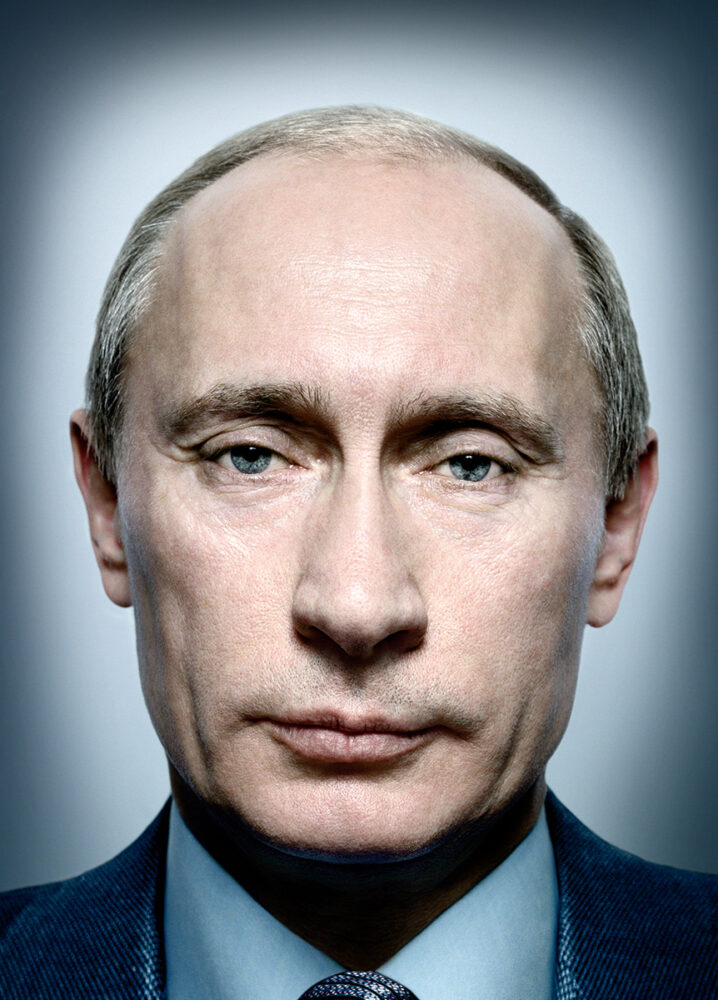
Same with Putin, Trump, movie stars. They can tell I’m not there to be their friend. I’m there to make history. To document that as best I can. I’m not going to judge them in my pictures. It’s not for me to judge. It’s for history to judge.
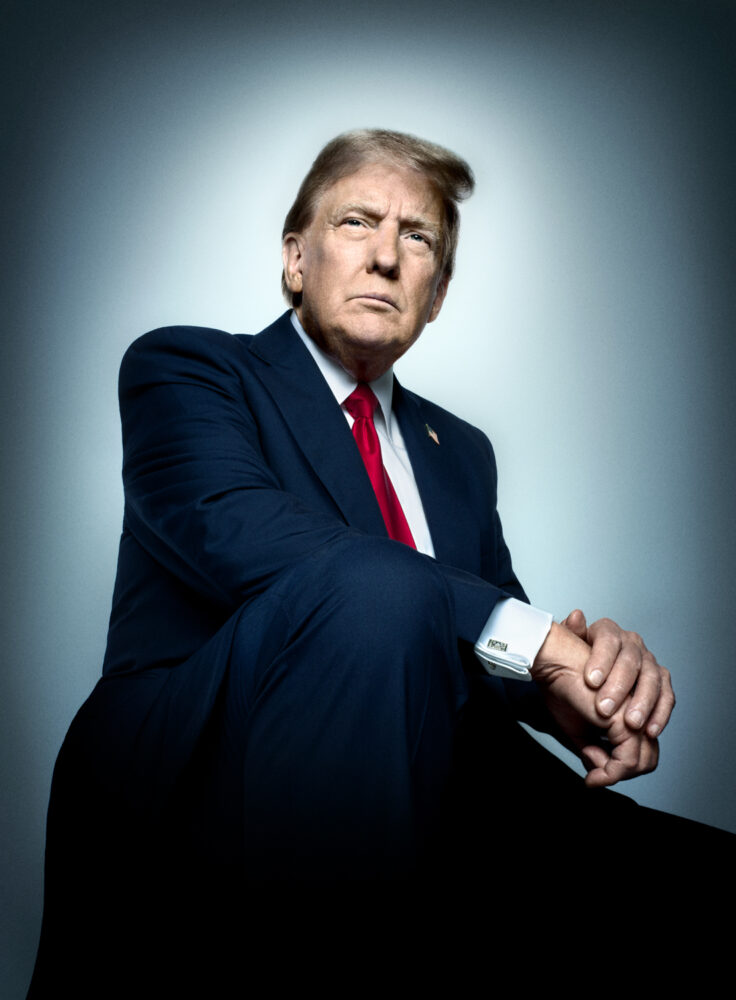
I’m just there to be curious and consider who are they, and I try to tune into their frequency and capture it. Freeze time. Something only photography can do.
JS: Who else influenced your photography?
P: You have to fill your soul with art history when you kick off your career. I’m very glad I spent my youth so hungry for answers. People like Martin Scorsese.
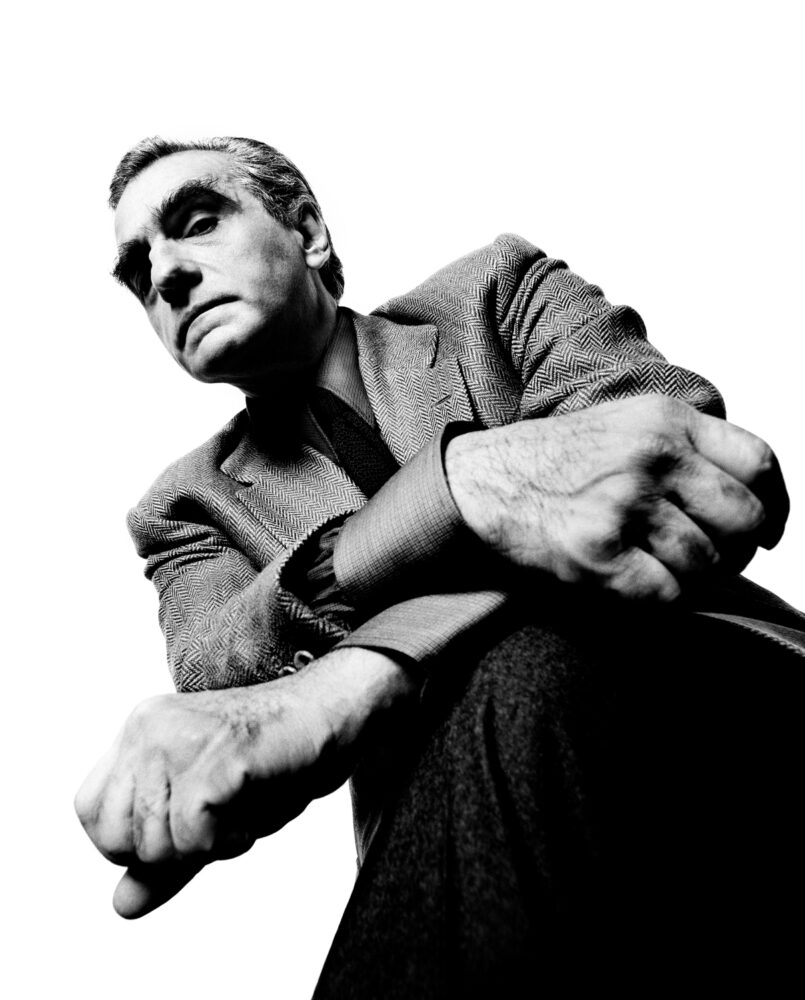
I wouldn’t just watch the movie I’d write out the dialogue. I didn’t have access to scripts before the internet. I’d get an old VHS and write out every line of the script and made notes above every word. What was happening, visualize, trying to understand the atmosphere and pacing and De Niro’s acting.
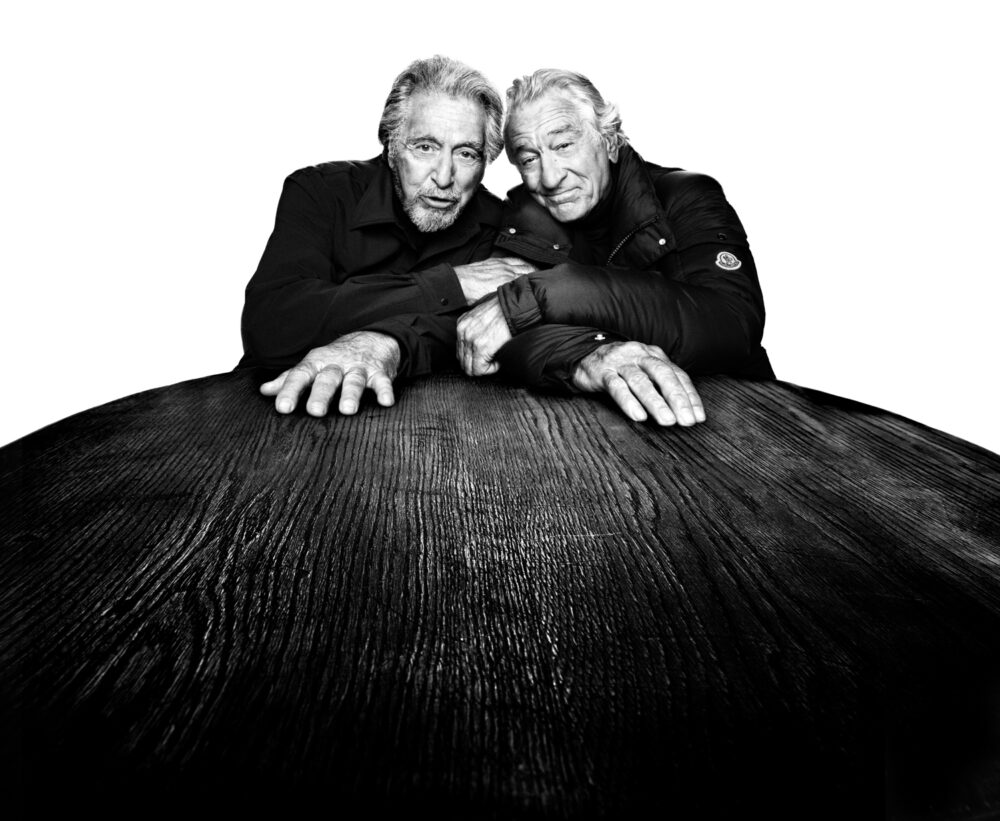
I had no idea I would later work with De Niro and Scorsese and so many of my heroes. Back then I just wanted to understand how to tell a story. How to communicate real emotion. Cinema is a really big influence. I’ve stopped looking at photography and am now hungry again for cinema. I’m looking at Tarkovsky movies, Italian and French New Wave. I obsess about Orson Welles, Kubrick. I’m learning again. It’s exciting and it doesn’t stop. I don’t realize if I take something that Orson Welles did. All these influences are just to replenish a sense of equilibrium as a creative person.
JS: You mention Orson Welles, and we also have to mention Greg Toland his favorite cinematographer. Regarding Taxi Driver here’s a coincidence. Last week I photographed Cybill Shepherd.
P: That’s very cool. Also, Picasso and Van Gough are massive influences. Describing texture. Putting emotion into surface. Outlines of people. Playing on distortion. Hands become bigger in a Van Gough painting. Picasso can make a line look like someone. He’s a master at capturing someone’s spirit. That’s what I’m trying to do. Anyone can take a picture of someone. The iPhone can do that. I’m not knocking it. They can take a really good picture. But how do you really connect with another human being and document that on film. Picasso virtually possesses his subject’s soul in one of his portraits. Rodin is a huge influence. I used to go to shows of his work. Monumental scale carved out of stone.
JS: Is Rodin The Thinker and Michelangelo David?
P: Yes, you will see The Thinker in many of my photographs, especially the wide-angle imagery. Music is very interesting to me, the structure. How Mozart would construct the first movement. He would have an introduction giving you the main theme. Then he will develop the theme, starting to deconstruct the theme and experiment with it. Then the theme comes back at the end and it’s bigger, bolder and more mature than at the beginning. That’s how I structure my books. There’s a narrative through my books. Also, my photo essays for the New Yorker are based on the Mozart symphony structure.
JS: I should listen to more classical music. However, many of my favorite Rock songs are, shall I say, mini-operas like “Band on the Run.”
P: Yes, It’s a movie. Paul McCartney is a genius. I’ve never met him. My son is named Jude. My dog’s name is Sgt. Pepper. The first song I heard as a baby was Hey Jude.
JS: That’s the first song I learned on guitar. My teacher wrote it out by hand, and it’s framed and sits on my piano. How old are your kids?
P: My son is 17 and just got into NYU film school. My daughter is nearly 19 and is at Parsons. They are on their way and I’m proud of them. Finally, on the subject of music, I have to say Sinatra. I’m a massive fan. We’re in the right place today being here in Palm Springs. His capacity to tell a story and to invest himself in it is greater than any other singer.
JS: Sinatra recorded one of my cousin’s songs, “Here’s to the Losers.”
P: I love that song. That’s an amazing song. Regarding Sinatra I can tell you I worked with Henry Kissinger a lot.
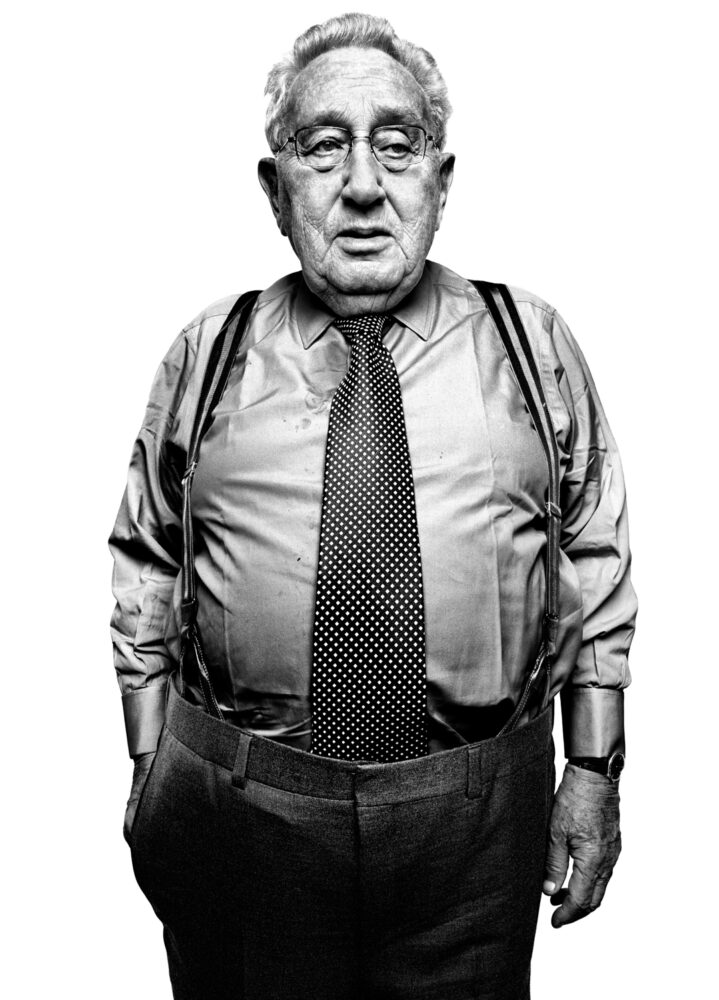
He was friends with Sinatra, and I asked Kissinger if he could tell me about Sinatra. Kissinger paused and thought. Cleared his throat and said in that deep voice “I’m at the Sands Hotel in Las Vegas. I’m sitting in the front row. Sammy Davis Jr. is at my table, Dean Martin, maybe Marilyn Monroe, and we are waiting. The room goes dead silent and dark. A tiny spotlight comes on the side of the stage and this shadowy figure walks on stage. You can hear every footstep. No one dares breath. He walks up to the mic. Says nothing. Puts one hand in his dinner jacket, takes out a cigarette, puts it in his mouth. Puts his other hand in his other jacket pocket, takes out a zippo lighter. Flips it, lights the cigarette, flips the lighter closed and puts it back in his pocket. Brings the cigarette up to his mouth takes a hard drag. Takes the cigarette out and blows the smoke sideways into the spotlight. Then effortlessly leans into the mic and says ‘Good evening Vegas’ and the crowd goes wild. Like wild.”
I then said to Dr. Kissinger “Why did you tell me that particular story?” Kissinger then said to me “That’s power I never had.”
What is that power? It’s not political or financial power. That’s charisma and a capacity to tell a story so much so that people see themselves in the story. If you can have a whole room watch you light a cigarette that’s incredible and I think photography can be like that. It’s only a moment. My photos are only 1/500th of a second. Imagine getting the whole world to think about that split second that happened once, somewhere, and they weren’t even there. It’s a magical mystical process that I try to find every time I photograph someone. I can’t always find it, but I can always try.
JS: Tell me something about George Lois
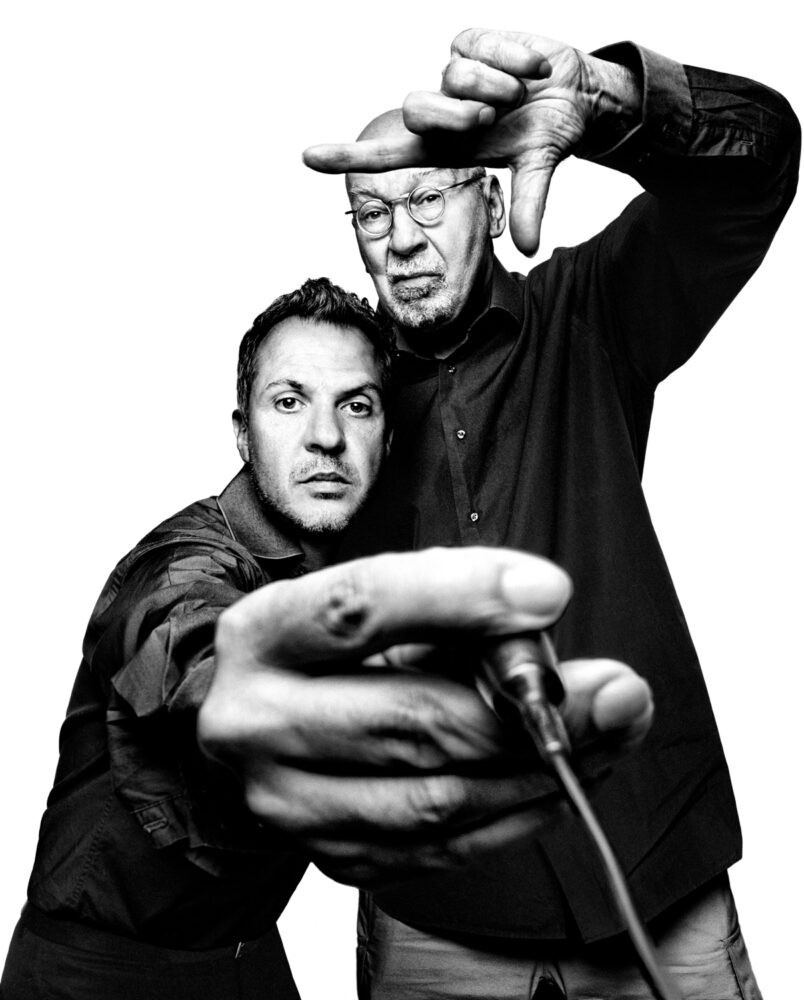
P: He was America‘s best creative director ever. Bar none. You might know him as the guy who designed the great Esquire magazine covers including of Muhammad Ali and JFK. Of Andy Warhol drowning in a can of Tomato Soup. The TV show Mad Men was kind of inspired by him. He was nothing like the Don Draper character in the TV show. George was a family man. He cared deeply about Women’s Rights, Civil Rights and a visionary of story-telling. I got to know him in the last 10-15 years of his life. He became my mentor. I would go with him on his lectures, hold his papers, help him in and out of taxis. We became really close. When my father died he became like a father figure. He taught me to be a cultural provocateur. It’s not enough just to take pictures that resonate with people. You have to go beyond and understand and read the rhythm of the times. The ripples to society and try to provoke society to have a debate that often is not comfortable but is necessary. We tend not to want to have the debate. Especially now we tend to want to go back to our corner where it’s more comfortable. The news today is online, so it probably confirms what you already believe. This traps you in an echo chamber. The magical shared experience is disappearing.
I live in the shared experience. Let’s have the debate about where we came from, where we are and where we are going. I’m not naïve but I’m an optimist. I’ve seen the horrors of the world, but we can be curious about each other again. We can be less judgemental. We all like to know what the other guy is thinking. Stop announcing what we believe. Put that aside for a minute. I know what I think. I’m bored with what I think. I want to know what you think. I want to know why you believe the things you believe. Especially if I disagree with you. That curiosity is burned into my work. I photograph people I fundamentally disagree with. I photographed Gaddafi and he had one of my friends killed. I was still able to say who are you? How did you come to this? I could simply turn to rage and anger and make judgements but then I haven’t learned anything. There would be no need to take someone’s picture.
For me, it’s an opportunity to discover something new and broaden the context. Sometimes I have to think twice. The longer I’m in this game, the more confusing it gets. The line between right and wrong is not always bright. I thought it was clear when I was younger. What happens if you get two wrongs or three wrongs and you have to choose which. There’s no right choice. I’m very interested in what power does to people.
JS: What was your first camera?
P: Hasselblad.
JS: What’s your main camera today?
P: Hasselblad and Leica. Hasselblad in studio. Leica for outdoors with available light. I got two Leica M6s.
JS: I am a Leica Ambassador.
P: That’s a badge of honor.
JS: How do you choose a white vs black background?
P: Purely emotional. Do I want to close in the tension or open it up? Do you want to walk through a narrow corridor, or do you want to be in a big church-like atmosphere? How do I best communicate to the viewer on how I feel with my subject? Compression vs expansion.
JS: You often shoot from a low angle. How did this come to be?
P: When you photograph someone, they are not at their most relaxed. They are self-conscious. It’s a bit like going to the dentist. The worst thing I could do is to stand over them. Almost always I will sit on the floor by their feet and break the formality of a photo shoot. The power dynamic has greatly shifted. They are now above me. I’m literally at their feet. That gives them space to breathe, settle. They are not being attacked or invaded. This is especially good with politicians or royalty because normally people are busy curtsying or bowing. If I’m crossed legged by their feet, I’ve destroyed the formality of power, but I’m being respectful because I’m below them. They can’t be offended. I’m stripping myself of all opportunity to have any authority on set. That gives them all the power.
My name means The Wrestler in ancient Greek. I asked my dad once “Why did you call me Platon? I’m not a wrestler. I’m a little guy.” He explained something that is fundamental to my work. He said in ancient Greece all the philosophers believed in wrestling to make themselves strong. But it’s not about making you strong, it’s about you using the strength of your opponent against them. Therefore, on set I’m not going to go into combat mode with my subjects. That’s a conflict. I have zero authority. I just want them to express themselves. Whatever they have they can do it. If they tumble and fall or if they become invincible, it’s been their choice to express that.
JS: Can you share a couple of stories about the people you’ve photographed?
P: JFK Jr. was the reason I came to America. He plucked me from obscurity in London when he was starting this magazine called George. It’s in the news again from this new TV series. When I started, I was poor, broke living in London. We’re in a recession. There is no way there is a career in photography. We would look at what was happening in America. You had Annie Leibovitz. Power, glamour. In England it’s always raining, damp and cold. I was part of a movement that wanted to react against the glamour. It was not the world we knew. There was no access to such a world. I started taking pictures that weren’t about trying to look cool or glamorous. Most celebrities, that is their aim.
For me it was about connection, reality, humanity, empathy. It was more like Punk Rock, less glamour. I started in the early 1990s shooting that way. It was a whole movement coming out of London. In music, art. We weren’t against America, but we wanted to do something uniquely British that came from the streets of London. Bands like Oasis, the Sensation art movement. Alexander McQueen in fashion.
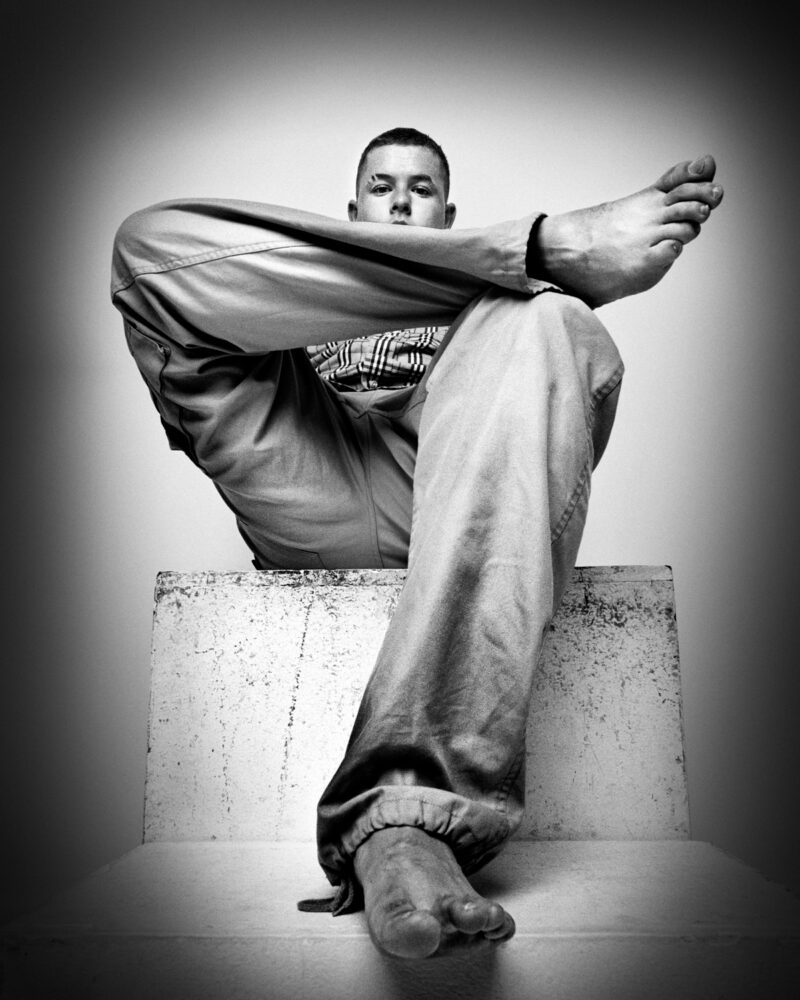
I was at college with him and others of that time. We were all aware of each other moving into art, fashion, culture. I was doing it in photography.
Ironically John Kennedy Jr. decided to do a magazine in New York, and he grew up in power. He didn’t want to show it from the outside. He wanted to show what it’s like being in it. He wanted to show what it’s like to be in the room. To him the President wasn’t the President. It was his dad. He was playing underneath the desk in the oval office.
Fortunately for me, John knew nothing about photography. He sat with his team and had them bring in all the magazines that were happening at that time. He decided to spend two days going through everything and when he saw a photo that interested him, he’d tear it out and set it aside. He made a stack maybe a foot high and handed it to his art director Matt Berman. John said he didn’t know who these photographers were but this was the look he liked. Get these people to work for us” he said. Everyone on the staff started looking at the names and most of it was my work.
I was shooting for underground magazines like Face, Arena and ID magazine and all my pictures of real human connection must have resonated with John. I got invited to New York, and I had never been to America. I met him in his office, and he said “I’ll make a deal with you. You are not qualified really to be in the room with all the people I’m going to put you in touch with but there is something real about your work. I will put you in touch with the most powerful people in the world for you to photograph, but your side of the deal is that you must not drink the Kool-Aid. You must show me what they are really like as people. The moment I see in your work that you are intimidated or enamored by them, the moment you start to fall back into the system you’re going straight back to London.” I had to set aside that I was photographing Senators, Congressmen, Congresswomen, Governors, and world leaders. Just focus entirely on their character. That’s how I got a footing into the madness of American culture.
JS: What’s coming up next for Platon?
P: I’m making a film about America that I’ve been working on for ten years about showing us what it is to be a hero. As we are celebrating 250 years of America, it will probably be out in festivals early next year. It’s about what is the next 250 years? It’s a hard look at what challenges we face. Anyone that knows my work knows I don’t take political sides. I’m talking about the humanity and the challenges we face. I’m putting it back to the audience to have a debate. We are talking about poverty, homelessness, opioid crisis, racism, immigration. In a way that doesn’t play on guilt, accusation. Focuses on real courage and compassion for people underneath the poverty line. They have so little and yet they are doing so much for their friends and neighbors. I’ve spent so much time around power and I know what power really is. I see real leadership in the people that have nothing.
I have a book coming out in November. It shows 40 years’ work. That’s my best work without a doubt. I started out as a kid just practicing taking pictures. It documents life without modernity. That will be my tribute to democracy. Democracy comes from Greece, and goes back to Greece.
For more info: https://www.platonphoto.com/