Photos: THT
Los Angeles, CA (The Hollywood Times) 10/8/26 – How do you care deeply for someone without losing yourself in the process? That question brought humor, vulnerability and heartfelt conversation to Barnes & Noble at The Grove on Wednesday evening, October 7, as psychiatrist Dr. Tamir Aldad discussed his book, Too Close for Comfort: Coping With a Dependent Loved One.
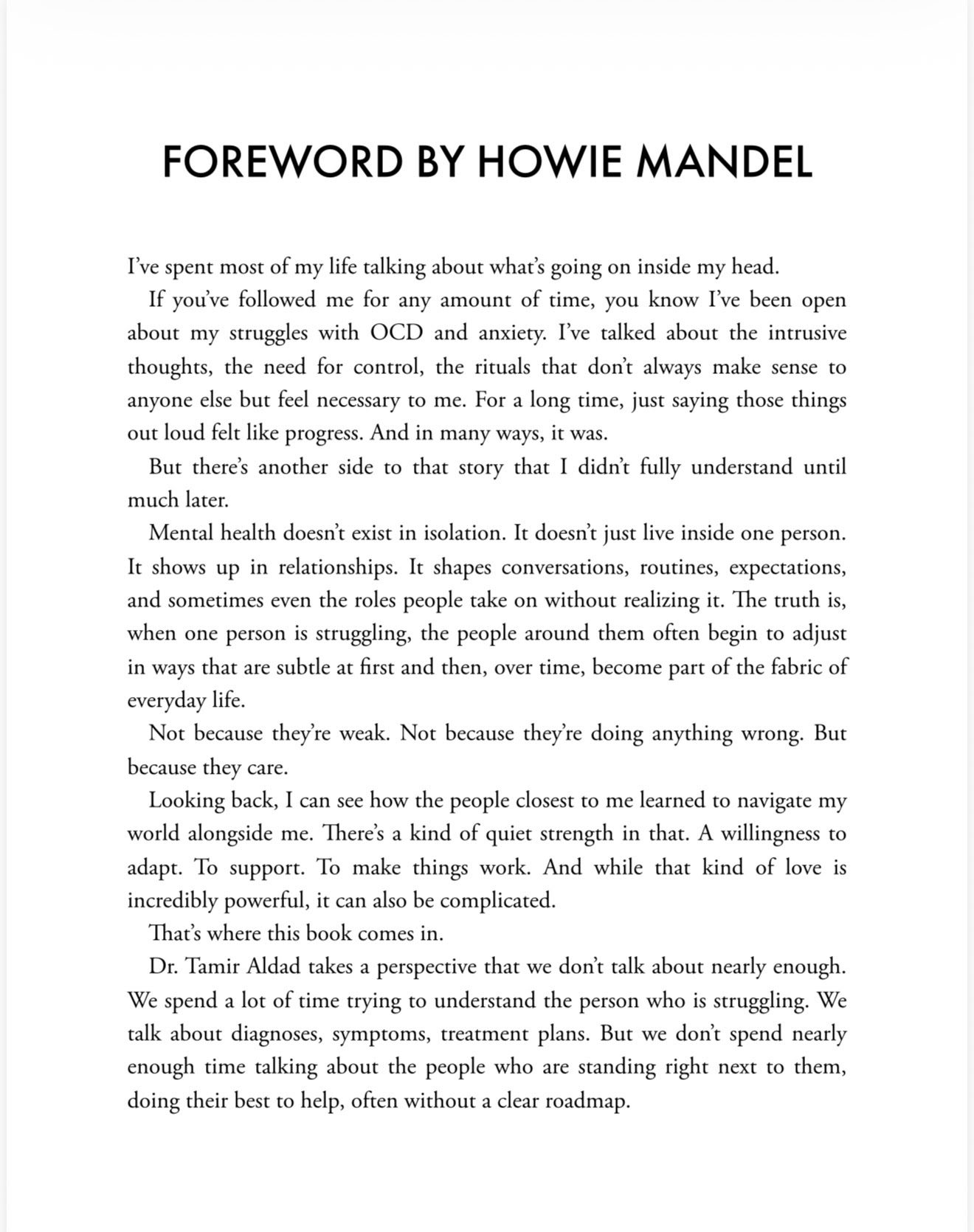
Joined by Howie Mandel, who contributed the book’s foreword, and a panel featuring Love on the Spectrum’s Connor Tomlinson, his mother and autism advocate Lise Menard Smith, and Layla Luna of Just Bee the Change, Aldad explored the sometimes difficult space between supporting a loved one and taking responsibility for every part of their life.
For those of us listening, the evening offered much more than a book introduction. It opened a conversation about belonging, independence, caregiver exhaustion and the courage it takes to let ourselves, and the people we love, grow.
An early exchange over seating set the tone. As the panel settled in and an awkward pause followed, Mandel offered an observation that would resonate throughout the evening.
“I’ve gotten very comfortable with discomfort,” he said.
Aldad described the gathering as a reunion: the panelists had appeared on his podcast, and the evening offered an opportunity to continue those conversations together. He said the book had taken a little over a year to put together, drawing on his clinical experience and a need he had encountered repeatedly, the loved ones of patients needed support, too.
As founder of Mindful Care, Aldad described his work expanding access to same-day and next-day mental health services. In that work, he said, he had seen how people supporting others could become overwhelmed themselves.
Mandel brought his familiar humor, but his reflections on childhood were especially moving. He described growing up feeling isolated, misunderstood and excluded by other children. Behaviors that audiences might later interpret as comedy, he explained, often began as impulsive actions rather than carefully planned jokes.
He recalled a time when mental health struggles were poorly understood and being different could make a child an outcast. Even his famous rubber-glove routine had an unexpected origin: Mandel said he carried gloves because he did not want to touch surfaces in public restrooms. During an early, unplanned appearance on a comedy-club stage, he reached into his pocket, found a glove and pulled it over his head.
The story was funny, but its context revealed something more complicated about the distance between a performer’s public image and private experience.

Mandel explained that his enthusiasm for Aldad’s book came from wanting the people closest to him to have help, too.
“The best gift I could offer the world is to tell my wife and children how to make their life easier,” he said.
He also spoke candidly about how his efforts to control germs and manage anxiety affected his family. Accommodating those fears could make him more comfortable while leaving the people around him increasingly exhausted.
Mandel recalled a turning point during a family trip to the airport. After a child’s foot touched his pants, he insisted they turn around so he could change and wash. His wife refused and told him he needed to get help.
It was a difficult boundary, but one he described as pivotal. He acknowledged the stigma that had made seeking psychiatric care hard for him and explained that treatment, including therapy with his wife, had helped them find ways to navigate life together.
“You don’t have to live in my world. I have to learn to live in your world,” Mandel said, recalling what he tells people who apologize after offering him a handshake.
For him, Aldad’s book addresses the needs of partners, parents and other loved ones whose own struggles can be overlooked when attention focuses entirely on the person receiving treatment.
 “I want people to take care of our mental health the way we take care of our dental health,” Mandel said.
Throughout the conversation, Mandel challenged the assumption that everyone should fit a single definition of normal. He described his admiration for Connor and for a show that celebrates people’s individuality rather than asking them to conceal it.
“Let us celebrate our uniqueness,” Mandel said. “Let us celebrate who we are.”
He also credited his parents with finding humor and beauty in him when others saw only trouble. Their support helped him find a place in a world where he had often felt he did not belong.
“We have to abolish normal,” he told the audience.
Aldad approached the evening’s central question through a distinction between caring for someone and carrying them. Repeatedly stepping in to solve every problem, he argued, can deprive a loved one of opportunities to develop independence while placing an increasingly heavy burden on the caregiver.
“Boundaries aren’t meant to be walls,” Aldad said. “They’re meant to create the rules of engagement for the relationship.”
 As he explained it, setting a boundary does not mean loving someone less. It means establishing how a relationship can function in a way that allows both people to remain well.
Aldad described a recurring pattern he calls the four Rs: rescue, relief, resentment and relapse. Someone steps in to resolve a loved one’s problem, experiences temporary relief, then begins to feel resentment. After a calmer period, the same dynamic returns.
Mandel immediately recognized the pattern in his family’s experience.
“Perfectly described,” he said.
Aldad argued that repeatedly rescuing someone can reinforce dependency by taking away opportunities to exercise agency and build independence. The challenge, as he presented it, is to remain supportive while establishing boundaries that make the relationship sustainable.
He encouraged listeners to consider how much their lives had changed around another person’s needs. Were they still making their own decisions? Could they be themselves? Had worry about another person’s reaction begun to govern their plans, conversations or daily routines?

Those questions gave the discussion a practical focus: recognizing a pattern before deciding how to change it.
Connor offered a personal perspective on that process. Speaking about recognition from Love on the Spectrum, he described opportunities he once could not have imagined and his continuing journey toward independence.
“While it’s important to listen to the suggestions and ideas of others, always remember, at the end of the day, it is you who needs to take control of your life,” he said.
His mother, Lise, spoke candidly about the difficulty of stepping back when someone you love is uncomfortable. After Connor’s diagnosis, she recalled hearing predictions about what he would not be able to do. She wanted to help him discover his potential rather than let those expectations determine his future.
That sometimes meant creating carefully supported opportunities for him to work through challenges instead of immediately rescuing him. Watching that discomfort was painful, she acknowledged, but helping him build skills mattered for a future in which she could not always be beside him.
She expressed pride in the ways Connor had continued to challenge the limitations others had placed on him.
 Lise also discussed the isolation caregivers can experience and the importance of finding community. Through her Talk To Me Sis podcast and advocacy, she hopes other parents and caregivers can feel less alone.
Her advice to those supporting a loved one was direct: rest and care for yourself, too.
“Respite isn’t a luxury,” she said.
Layla Luna broadened the conversation to include autistic people with high support needs and families whose experiences may receive less public attention. She described raising her son Rio, who is nonverbal, and encountering situations in which her family was excluded or misunderstood.
A frightening traffic stop, she explained, became a turning point. Sirens and flashing lights overwhelmed Rio, prompting her to pursue changes that could help first responders recognize and respond more safely to autistic people.
Luna discussed her advocacy for Rio’s Law, including vehicle identification and autism training for first responders. Her story underscored the need to pair greater visibility with practical support for people whose needs differ widely.
“Together, we can create the world that we want our children to inherit,” she said.
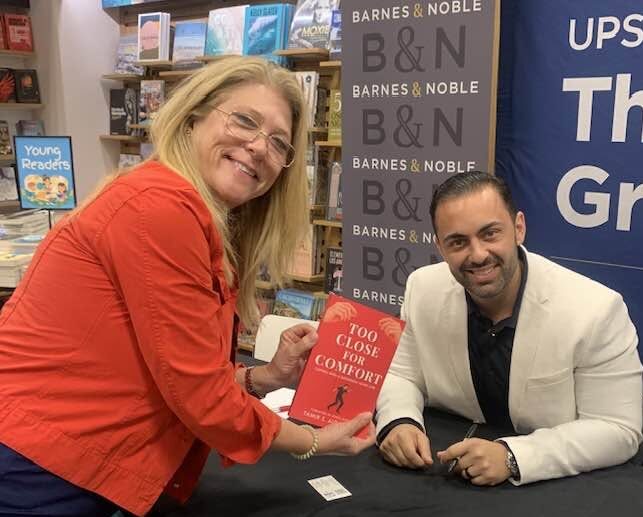
Following the discussion, I had the opportunity to speak with Aldad as he signed the complimentary copy of the book I received that evening. I asked a question that had surfaced repeatedly throughout the program: How do you create healthy boundaries without feeling as though you are abandoning someone you love?
His answer began with allowing room for guilt rather than expecting it to disappear immediately. He suggested pausing before responding to requests, calls or messages, giving both people time to process and allowing space to think about what the boundary should look like.
“The first thing you should do is pause,” he told me.
He described gradually lengthening that pause as one possible starting point while working out how to communicate a boundary. In the context of the evening, it was a small, concrete example of a larger idea: care does not have to mean an immediate response to every demand.
I also spoke with Connor and asked what sharing his story had taught him about himself, along with what he wished people understood better about dating on the autism spectrum. His response focused on discovering confidence he had not known he possessed.
He credited his family with encouraging him to step outside his comfort zone and shared a question his brother Jack often asks: “What’s on the other side of fear?”
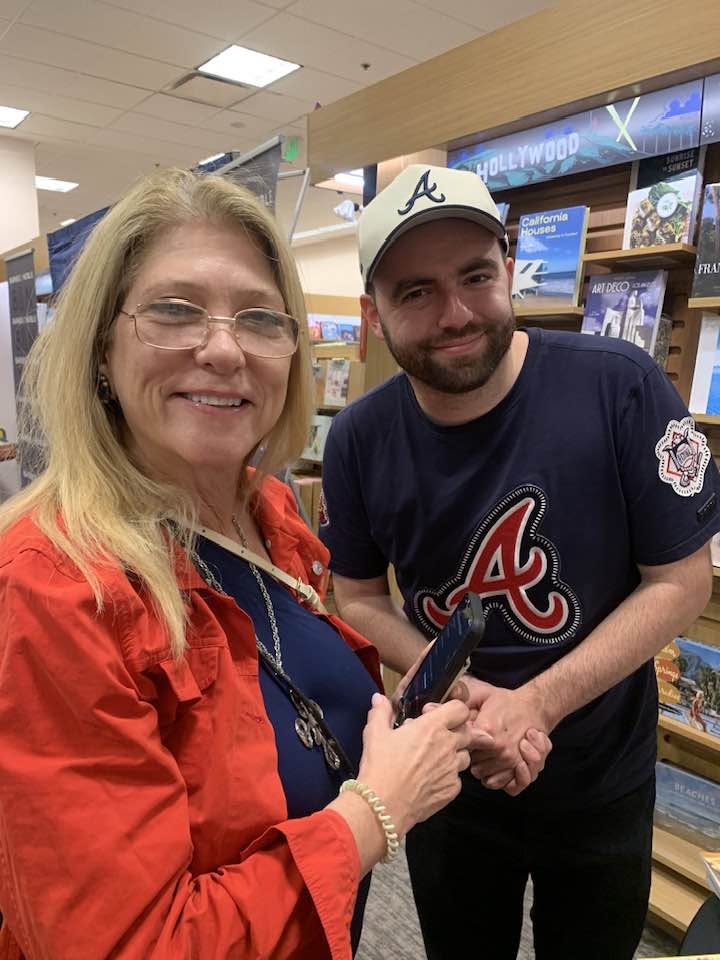
“Greatness,” Connor said.
In another interview following the panel, Connor discussed his podcast, What the Fact. Responding to a question about caregivers, he returned to the balance between accepting support and finding one’s own way.
“It’s good to have someone to be supportive,” he said. “But at the end of the day, you got to learn to live your own path.”
It was a fitting thought to take home from an evening in which people spoke openly about experiences that can be difficult to explain. Mandel described the cost of feeling different. Lise and Layla spoke about the demands and possibilities of caregiving. Aldad asked listeners to consider how boundaries could sustain the relationships they value.
And Connor offered a glimpse of what can happen when support leaves room for someone to discover their own strength.