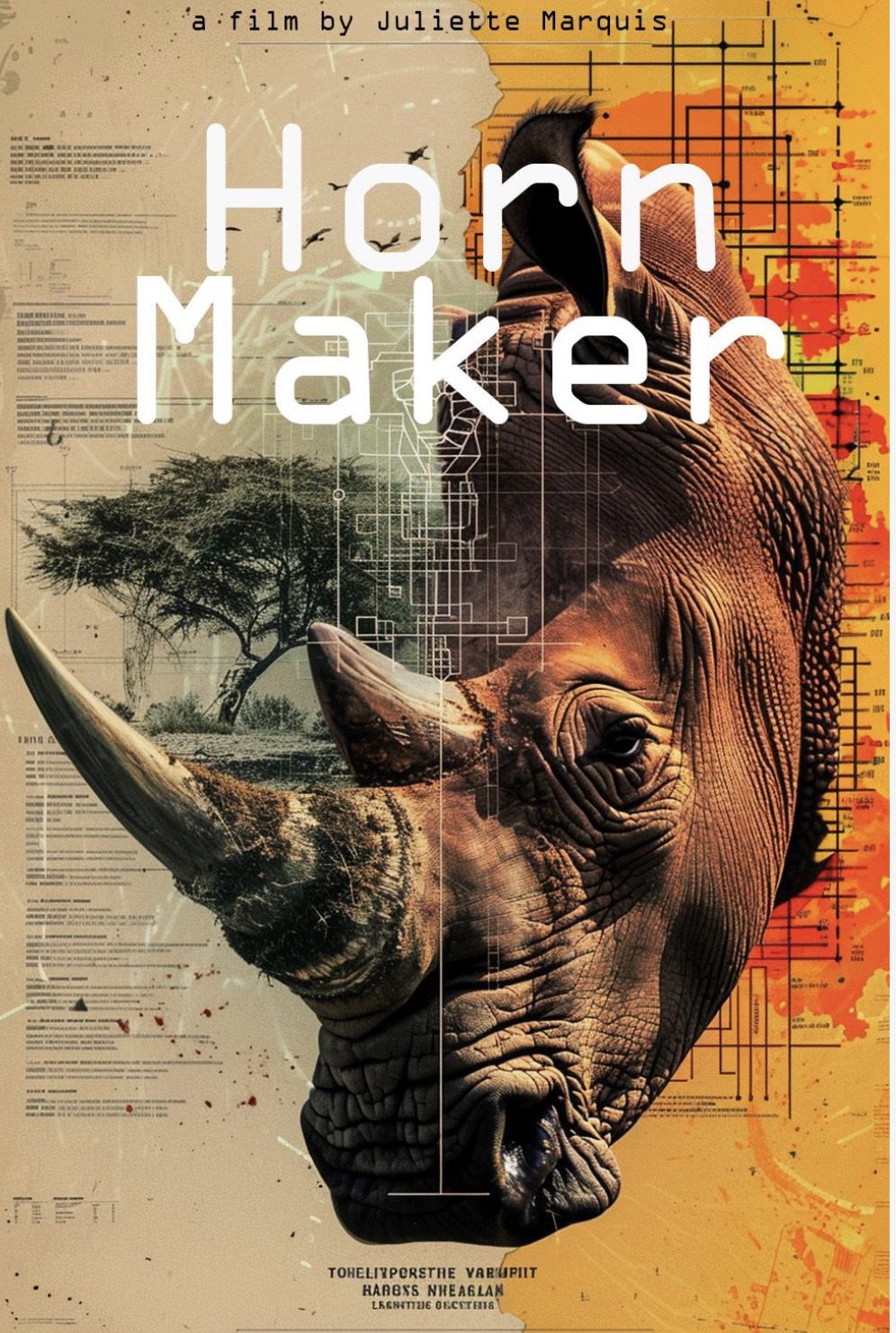
There are documentaries that inform us, documentaries that challenge our perspectives, and then there are films that fundamentally change the way we understand a conversation we thought we already knew. Juliette Marquis’s Horn Maker, winner of Best Special Focus Documentary at the 22nd annual LA Femme International Film Festival, does something particularly compelling: it asks us to look beyond the opposing sides of an argument and recognize the human beings caught within it.
The recognition comes from a festival with a mission that makes this particular award especially meaningful. Founded in 2005 by Leslie LaPage, the LA Femme International Film Festival was created to champion women writers, directors, and producers and to provide greater visibility and opportunities for their work. Guided by its philosophy, “By Women, For Everyone,” the festival has grown into an international platform celebrating women’s contributions to film and entertainment. In its 22nd year, LA Femme continues to make space for stories that challenge perspectives, broaden conversations, and deserve a wider audience. Horn Maker is certainly one of those films.

At first glance, Horn Maker might appear to be another documentary about rhino poaching, wildlife trafficking, and the ongoing battle to protect an endangered species. But Marquis takes a far more layered approach. Through the story of entrepreneur Matt Markus and the controversial possibility of biofabricating rhino horn, the film opens up a much larger conversation about economics, conservation, science, and the complicated human systems that keep the illegal wildlife trade alive.
The central scientific proposition is both ambitious and provocative: what if biofabricated rhino horn could help disrupt the market that makes poaching so lucrative? Could creating an alternative undermine the scarcity and value driving the illegal trade? It is an idea that raises difficult questions, and Marquis allows those questions to remain complicated rather than forcing the audience toward an easy conclusion.
What makes the film especially distinctive, however, is not simply the science it explores. It is the humanity Marquis brings to every side of the story. She doesn’t automatically cast conservationists as heroes or poachers as villains. Instead, she takes the time to explore the people, families, circumstances, and systems behind the positions they occupy. That doesn’t mean excusing the harm caused by poaching or diminishing the urgency of protecting wildlife. It means recognizing that understanding why something happens is an essential part of figuring out how to change it.
One of the film’s most extraordinary narrative turns begins with an unexpected email received by Matt Markus. It comes from Drew Capone, an American Peace Corps volunteer living in Massingir, Mozambique, who explains that he lives next door to the leaders of the country’s two largest rhino-poaching cartels. He teaches their children, lifts weights with their nephews and cousins, and then poses a remarkable question: “Do you want to meet them?” That unexpected invitation becomes a doorway into a world rarely explored with this degree of access and humanity. It is a striking reminder that the people connected to the illegal trade are not abstractions. They are parents, children, neighbors, and members of communities shaped by circumstances that extend far beyond the crime itself.
One particularly poignant sequence follows American teachers working with children of poachers in Mozambique. The film reveals a difficult disparity: while many children in the local school system may not have the opportunity to continue their education beyond seventh grade, children from poaching families can sometimes continue because the money their families earn provides access to further schooling. It is an uncomfortable reality, and one that brings the economic incentives of poaching into sharp focus. For these children, the consequences of the illegal trade are not just about wildlife or money; they are intertwined with their opportunities, their families, and their futures.
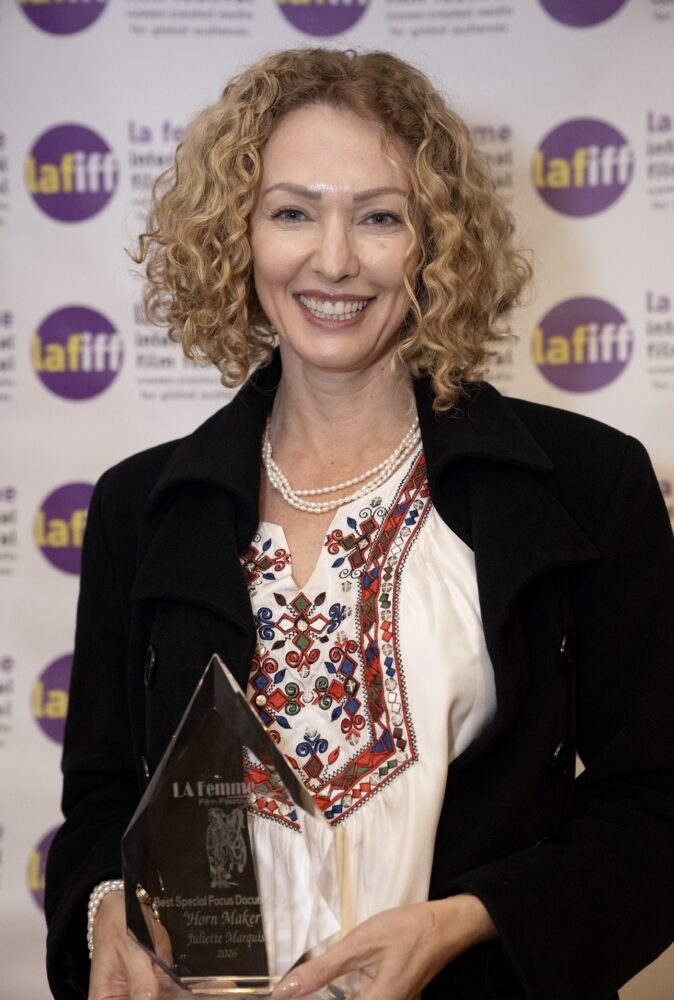
Marquis’s willingness to enter these communities and spend time with the people most viewers might instinctively judge from a distance is one of the film’s greatest strengths. She invites us to see the layers of complexity that are so often absent from conversations about conservation. As Marquis puts it, “their layers of complexity. We’ve been missing from a comfortable distance.” It is a sentiment that captures the film’s larger purpose: distance makes it easy to assign blame, but getting close enough to understand people makes the answers much harder—and much more meaningful.
The film also turns its thoughtful scrutiny toward the conservation movement itself. During a conservation conference, Vu Thi Quyen, Executive Director of Education for Nature–Vietnam, offers a candid perspective on the shortcomings of conventional anti-poaching efforts. The discussion raises an uncomfortable contradiction: significant resources and attention can go toward campaigns, public awareness initiatives, and celebrity endorsements, while the economic forces sustaining poaching remain unresolved. It is a revealing moment because Marquis does not simply ask viewers to question the motivations of poachers; she also encourages them to examine whether the strategies used by those fighting poaching are actually addressing the root of the problem. Even work undertaken in the name of an undeniably important cause deserves honest examination.
That willingness to resist easy answers is what gives Horn Maker its depth. The film does not ask us to choose a side and stop thinking. It asks us to consider whether the systems we have built, the narratives we repeat, and the solutions we continue to fund are truly moving us toward change.
Ultimately, Horn Maker is about much more than rhinos. It is about the ways people become shaped by the systems around them, the assumptions we make about those whose lives look different from our own, and the difficulty of creating meaningful change when we refuse to look beyond the surface of a problem. Marquis gives the audience an opportunity to see people who are often discussed but rarely heard, and to recognize that the path toward solutions may require a more honest understanding of everyone involved.
As Marquis reflects, “systems train us how to think, coding us into habits that become our lives.” It is a powerful thought to leave an audience with, particularly after a film that challenges us to reconsider the habits of thought we bring to issues as complex as conservation.
The most extraordinary thing about Horn Maker may not be the scientific possibility it explores, but the humanity it refuses to leave out of the conversation. Juliette Marquis has made a documentary that doesn’t simply tell us what to think about poaching. It asks us to look closer, question more deeply, and recognize that meaningful change begins when we are willing to see the full human story. Its recognition as Best Special Focus Documentary at LA Femme is a fitting acknowledgment of a filmmaker willing to look beyond familiar narratives and bring overlooked human stories into focus.