By: Lotti Pharriss Knowles
Los Angeles, CA (The Hollywood Times) 7/17/2025 – There were few people in the world who weren’t affected by the COVID-19 pandemic, and whose livelihoods weren’t impacted. Those of us in the entertainment industry certainly remember how production shut down – or became infinitely more complicated and expensive due to required precautions. But there were a few ingenious folks who figured out how to create filmic content even at a time when distance from each other made collaboration difficult.
One of the standout examples of this was the British horror film Host, which was shot entirely on Zoom, edited and released in 2020. Not only was Host well-made and very scary, but it was also so “of-the-moment” that it caused a sensation among critics and audiences alike.
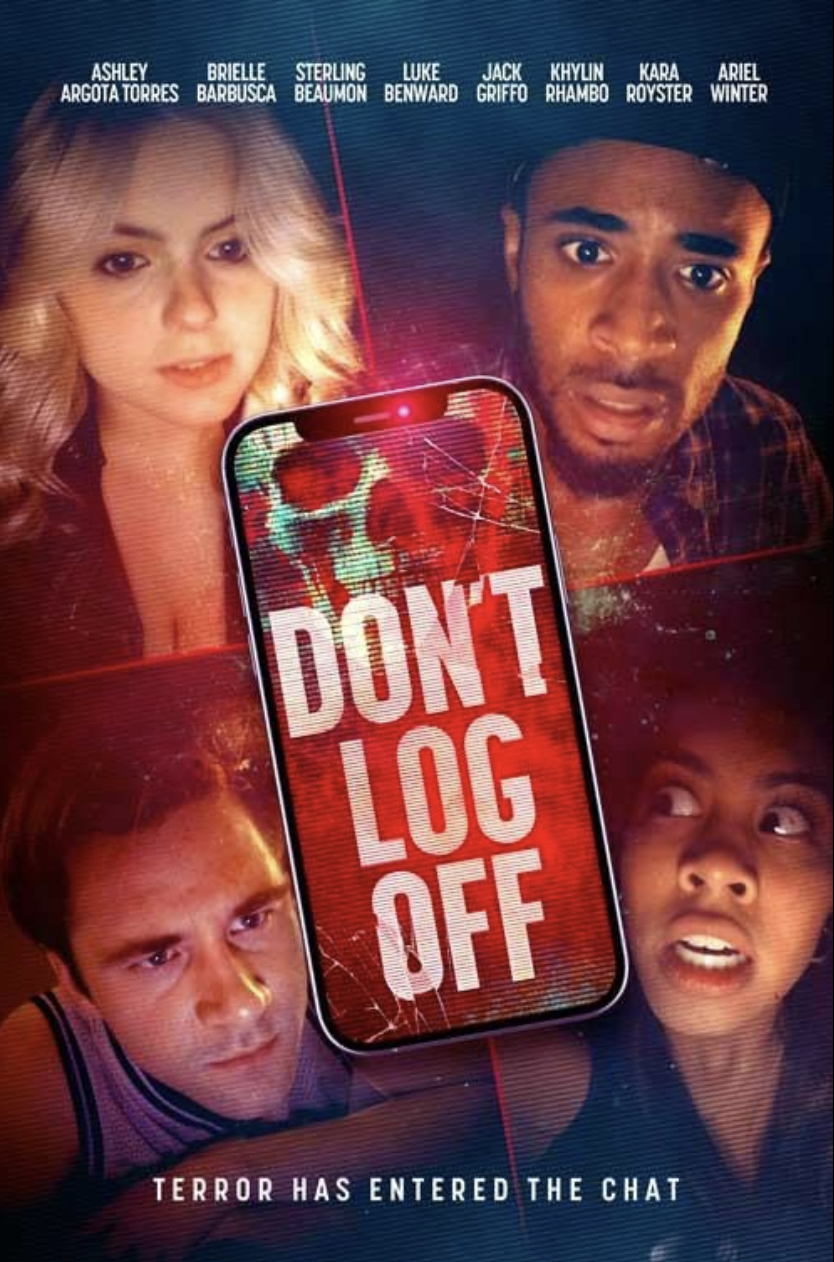
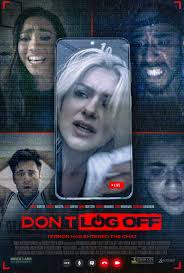
Another Zoom horror movie that was filmed during the pandemic but is just being released now is Don’t Log Off, by filmmaking brothers Brandon and Garrett Baer. The thriller centers around a group of friends gathering online for a birthday celebration. After the birthday girl vanishes, they must use the skills and information available to them online to solve the mystery before they all fall victim to the same fate.
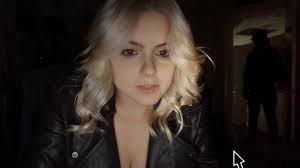
 I liked the premise of Don’t Log Off, but only some of the execution. On the positive side, the cast is strong and has an easy rapport, which makes the onscreen friend group believable and relatable. Besides the main Zoom screen and mystery unfolding therein, there are sub-threads via side texts and FaceTimes, which cleverly play up alliances and paranoias within the circle of friends that are exacerbated by pandemic-specific fears. There are also some genuinely scary moments when I watched through my fingers, waiting for the jump scare sure to come at any moment.
Unfortunately, the movie forgets one basic rule of horror movies: never say “Let’s split up” (or, for you Scream fans out there, “I’ll be right back”). Don’t Log Off’s characters make the same mistake, one by one, of trying to solve the mystery IRL on their own while the others watch helplessly in front of their screens. Social distancing be damned – if one of my friends had possibly been in danger in 2020, nothing would have stopped my posse from double-masking and charging to the rescue together.
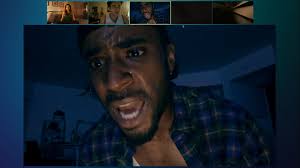 The disregard of that rule makes it more difficult to stay invested as the movie goes on, as does the suspension of disbelief that the police would not investigate once the friends have evidence of foul play. Another disappointment is the reveal of the villain’s motive at the end, which is unclear (at least to me) and therefore unsatisfying.
The timing of the movie’s release is also peculiar, and I’d be curious to know why it took so long. As an independent filmmaker myself, I’m sympathetic that a myriad of issues can hold up the completion and/or distribution of a project. But it’s a shame because Don’t Log Off feels late to the pandemic party…unless audiences decide that the horror of the lockdown is already “retro” and primed for nostalgia.
 Don’t Log Off is written and directed by Brandon Baer and Garrett Baer and stars Ashley Argota, Luke Benward, Jack Griffo, Khylin Rambo, Kara Royster and Ariel Winter. It’s enjoying a limited theatrical release (to see if it’s playing near you, check out: https://epic-pictures.com/film/dont-log-off), and it can be streamed via AppleTV.