Burbank, CA (The Hollywood Times) 8/5/26 – Included in this year’s Burbank International Film Festival is a fine documentary “Beyond the Border: Latino Representation in Hollywood. Directors Clara Kuperberg and Julia Kuperberg have done something special here. Through a series of interviews with Latin-American filmmakers, actors and industry insiders, they tell the story of a community that helped build Hollywood and was so often pushed aside. Since the 1920s, Hollywood cast Latinos as bandits, exotic dancers, or anonymous foreigners, often even replaced by white actors in disguise. But across the decades, the community pushed back. Icons like Rita Moreno and Edward James Olmos, fueled by the social movements of the ’60s and ’70s, opened the door to a more authentic presence on screen. Today, filmmakers like Guillermo del Toro and Alfonso Cuarón, along with actors such as Pedro Pascal and America Ferrera, break stereotypes and bring Latino heritage into universal stories.
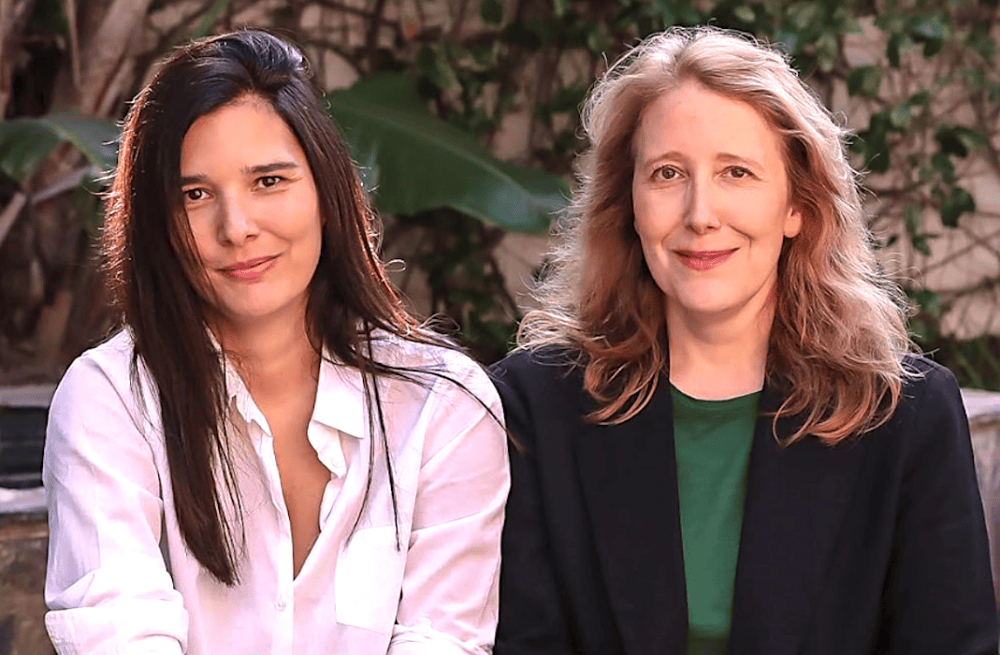
Featuring archives, film clips, and voices from within the community, including John Leguizamo, Jimmy Smits, Jose Zuniga, Esai Morales, and Edward James Olmos, this documentary takes us from the black-and-white era to today’s cinema, showing how representation shapes the way we imagine the world.
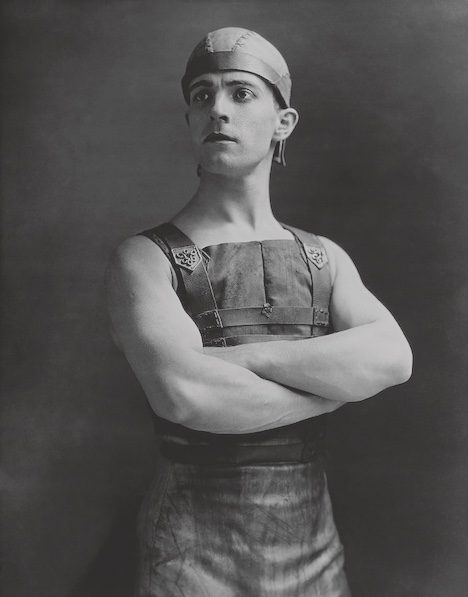
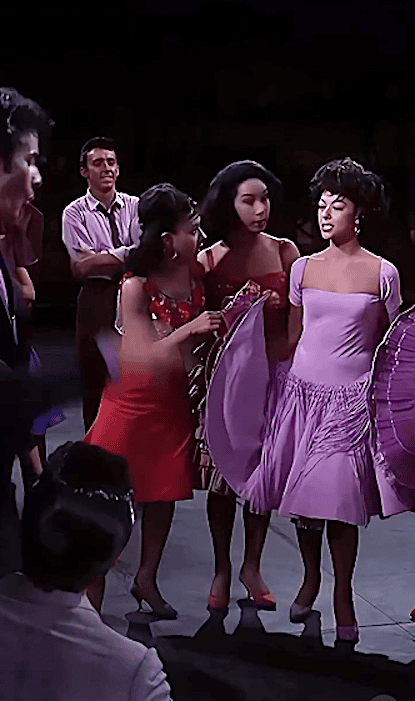
In the silent movie era, Mexican American actor Ramon Novarro starred in the blockbuster Ben-Hur, helping bring MGM Studios to prominence. Mexican American designer Bill Travilla created the iconic white dress Marilyn Monroe wore on the subway grate in The Seven Year Itch. Rita Moreno, who is Puerto Rican, had her skin tone darkened to look more ethnic as Anita in West-Side Story (1961) opposite the non-Latino Natalie Wood as Maria, although Rita Moreno did win the Best Supporting Actress Award for that role.
“Latinos have been involved in the film industry since the beginning of Hollywood,” said Reyes, a scholar and the author of several books about the history of Latinos and the film industry. “We are not recent immigrants or new arrivals to this world. We were there from the beginning” – explains Luis I. Reyes, an expert on the subject with his book Viva Hollywood: The Legacy of Latin and Hispanic Artists in American Film. Reyes is one of many interviewed in Beyond the Border. Many top Hollywood executives have outdated or inaccurate perceptions about Latinos. “There is a serious lack of understanding about our community. Many executives see Latino audiences as niche or believe that we are mostly immigrants (which is not true) or that we are only interested in Spanish-language content.” Instead of strategizing about how to reach Latino audiences, studios are too often “kicking the can down the road.”
Today Latinos represent 30% of the population of the United States and yet they representation in film and television is less than 3%. In the 1920s, Mexicans were encouraged to come to the USA for work due to the high demand for workers in agriculture, construction, factories and even the railroads (after the Chinese Exclusion Act). At least 1 million Mexicans came and eventually many became citizens. When the Great Depression hit, the government panicked and began a deportation system, forcibly separating families but not nearly as harsh as the current ICE program today.
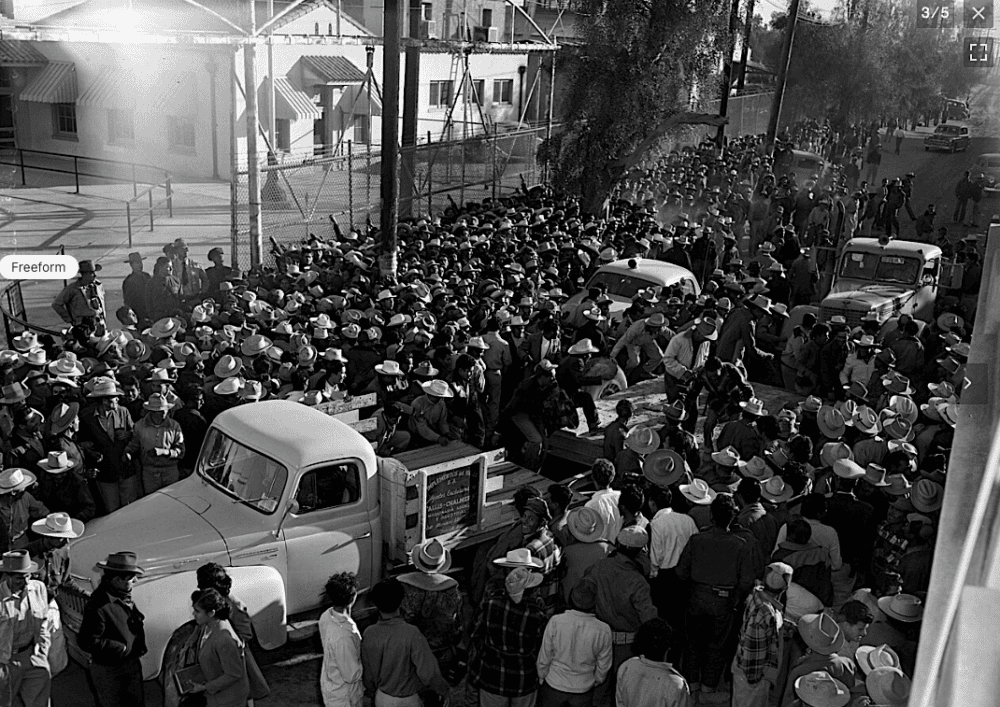
However, 1942 and World War II produced a huge labor shortage as the Bracero Program was created to fill the gap for workers. Between 1942 and 1964, diplomatic agreement bringing millions of Mexican men to the U.S. for short-term agricultural and railroad labor during and after World War II. It became the largest U.S. guest-worker program, heavily impacting regional economies like California’s despite widespread worker exploitation. Workers frequently faced low pay, wage theft, poor crowded housing, discrimination, and forced deductions (including a 10% withheld “savings” fund many never received). Agribusiness growers favored the system to maintain cheap labor and block domestic union organizing.
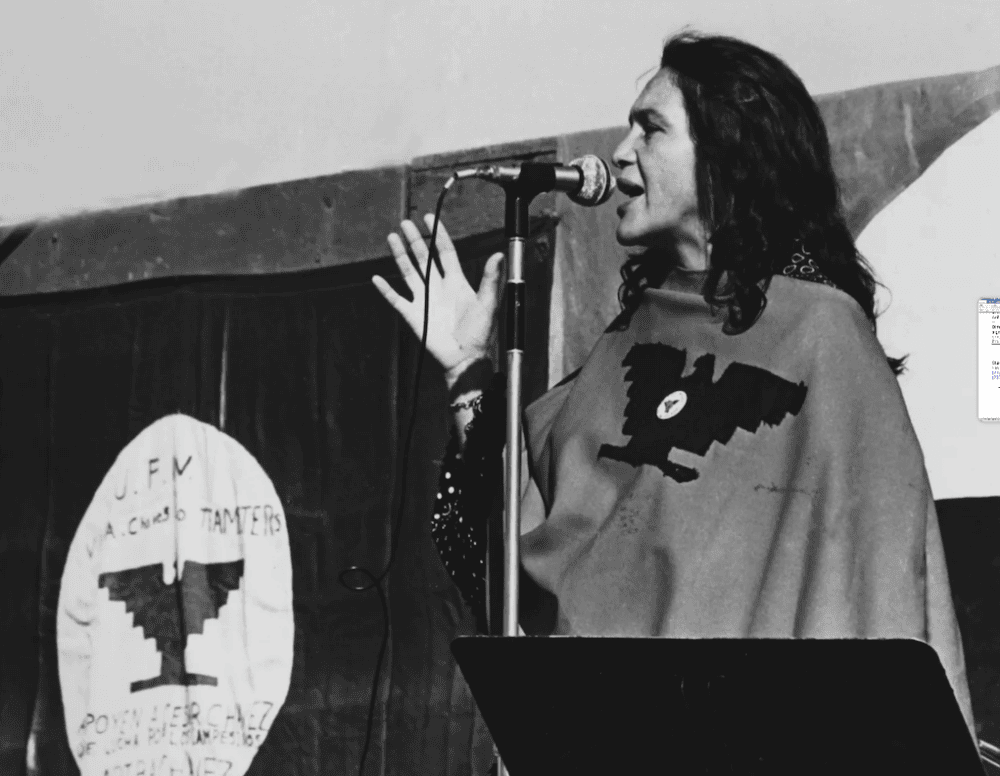
However in the 1970s, Cesar Chavez and Dolores Huerta began fighting for unionization of the farmers workers – a battle than they eventually won.
During the era of the silent movies, it was easier for actors, despite their national origins or language background, to be cast in films. However, there was studio typecasting of Latino actors as bandits or low-life criminals and rapists. Portrayals of Latinos got so bad that the Mexican president Alvaro Obregóno banned the import of movies from Hollywood in 1922. There were exceptions with the image of the Latin lover that harnassed roles for Ramon Navarro and Italian-born Rudolf Valentino.
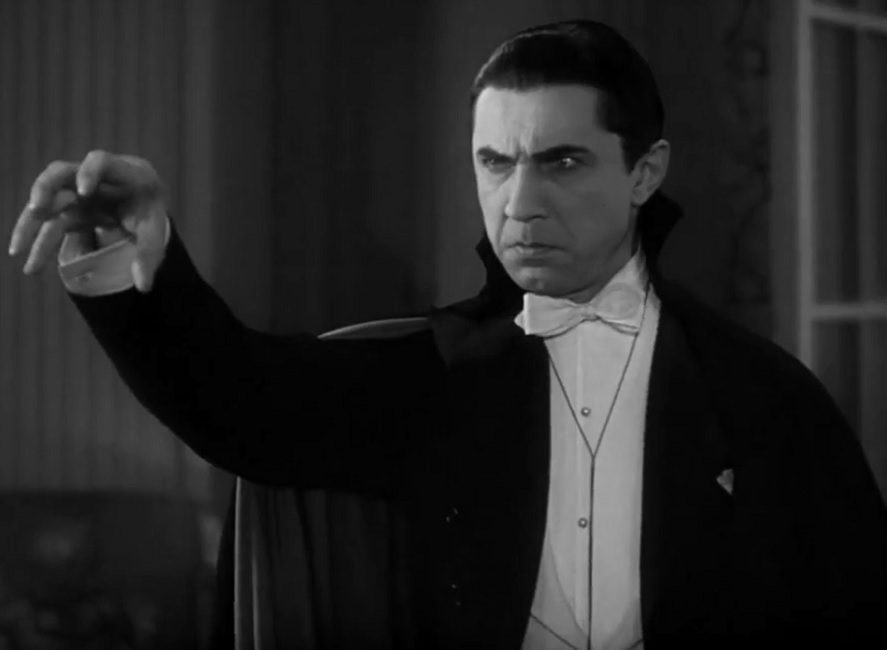
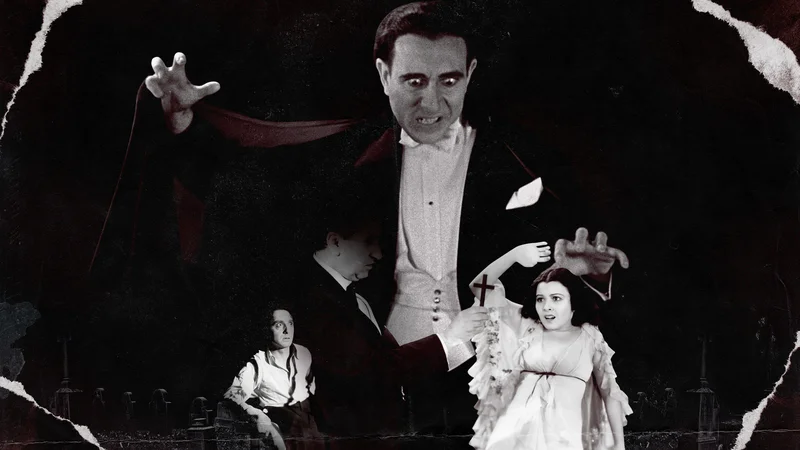
With the arrivals of “talkies,” things quickly changed. In order to keep their Spanish-speaking audiences in Latin America, the studios began shooting English language films during the day and using the same sets for shooting a night with a different set of actors speaking in Spanish. A key example is Todd Browning’s Dracula (1931) starring Bela Lagosi, which George Melford shot simultaneously at night in the same Universal Studio, featuring Carlos Villiárias as Count Dracula.
Dolores Del Rio was the one of the first Mexican movie stars with international appeal and who had meteoric career in 1920s/1930s Hollywood. Del Rio came from an aristocratic family in Durango. In the Mexican revolution of 1916, however, the family lost everything and emigrated to Mexico City, where Dolores became a socialite. She soared to stardom in 1928 with Edwin Carewe’s Ramona (1928) The film was a success and Del Rio was hailed as a female Rudolph Valentino. Her career continued to rise with the arrival of sound in the drama/romance Bird of Paradise (1932) and hit musical Flying Down to Rio (1933). Dolores returned to Mexico in 1942.
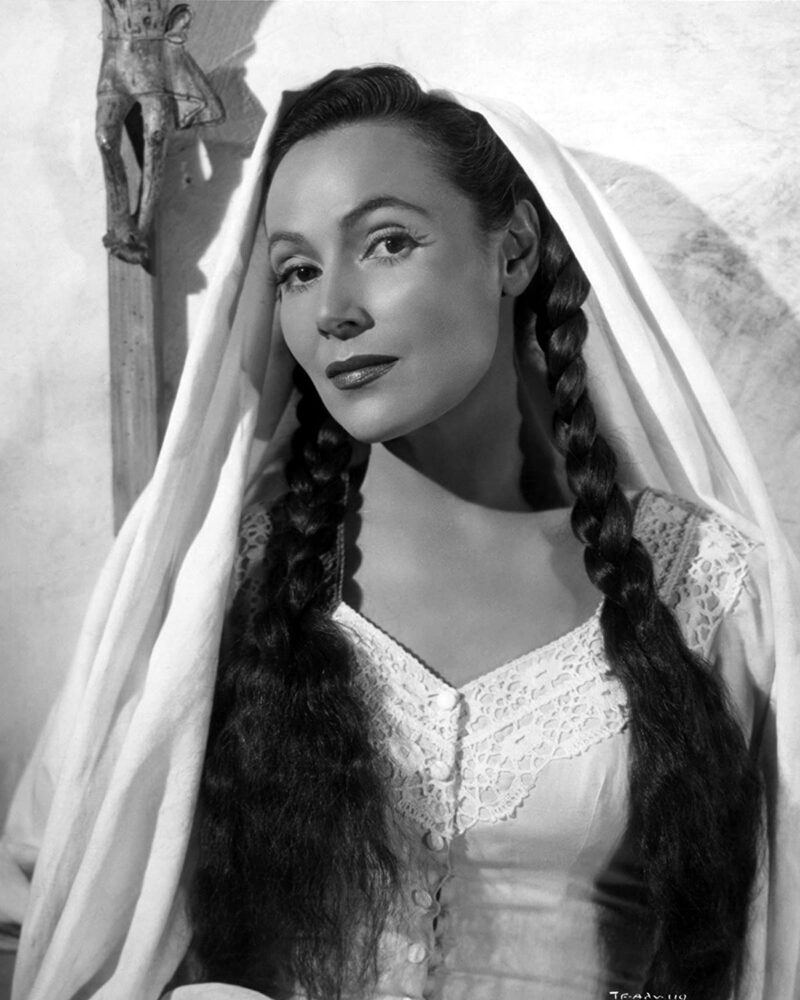
Her Hollywood career was over, and a romance with Orson Welles – who later called her “the most exciting woman I’ve ever met” Mexican director Emilio Fernández offered her the lead in his film Wild Flower (1943), with a wholly unexpected result – at age 37, Dolores Del Río became the most famous movie star in her country, filming in Spanish for the first time. Her association with Fernández’ team (cinematographer Gabriel Figueroa, writer Mauricio Magdaleno and actor Pedro Armendáriz) was mainly responsible for creating what has been called the Golden Era of Mexican Cinema. With such pictures as Maria Candelaria (1944), The Abandoned (1945) and Bugambilia (1945), Del Río became the prototypical Mexican beauty.
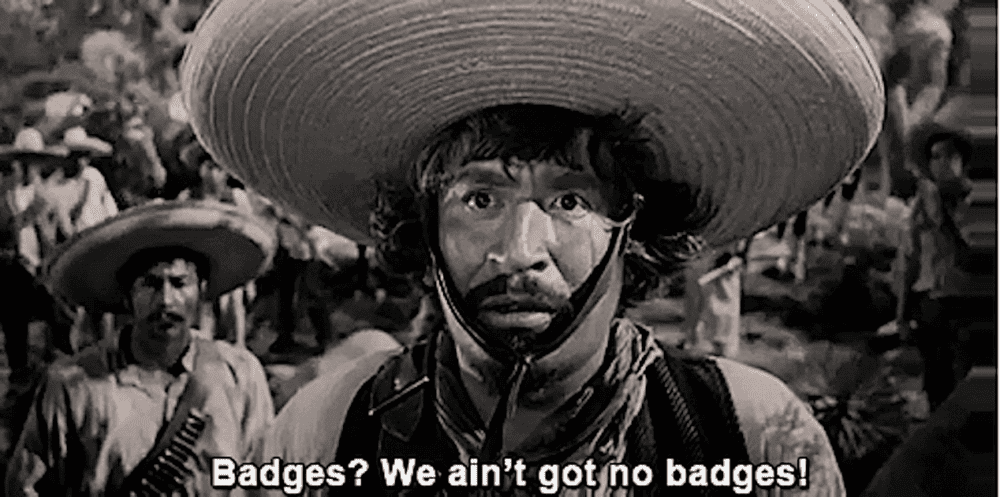
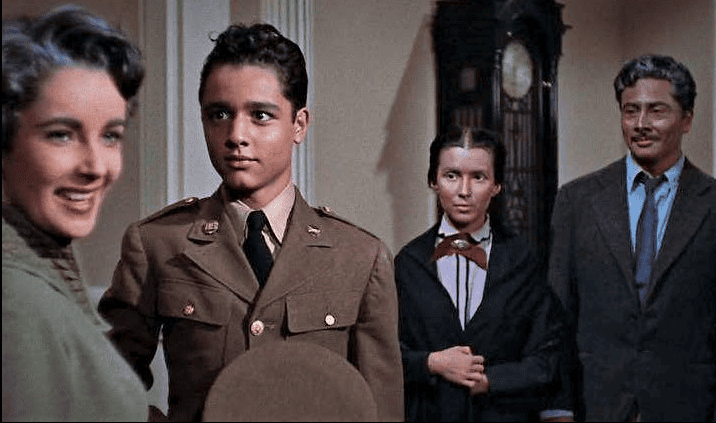
The rise of fascism in Italy and Spain, along with the rise of Hitler in Germany created an exodus of talented actors and film directors to the United State, Mexico, and other Latin American countries. These actors and directors were determined to fit in and make very American Hollywood films for the most part. This was especially true during and after World War II, where almost every film focused on white soldiers and sailors in the USA – roles given to John Wayne and other macho types, overlooking the half million Latino soldiers (and Black soldiers) in the military. The key exception was George Steven’s classic 1956 epic film Giant with actor Sal Mineo playing the supporting role of Angel Obregón II with very dark make-up to make him look very ethnic. Mineo played a young Mexican-American soldier from a local family who enlists in World War II and suffers a tragic fate.
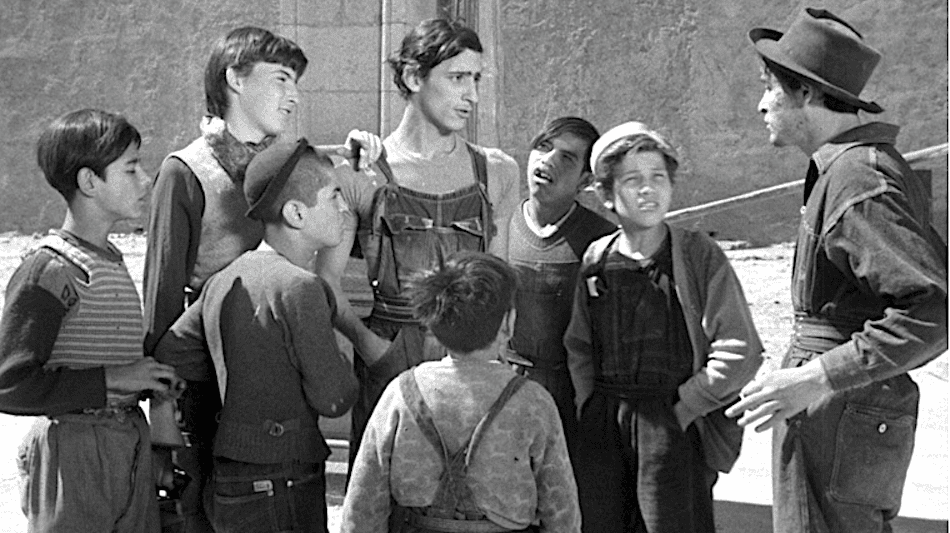
About this time came Luis Buñuel who after mixed success in Hollywood headed to Mexico where he made Los Ovidados (1950), a Mexican crime film about impoverished boys in Mexico City. It was virtually impossible to Mexican actors to get work in the few roles that were available except as “bad guys” in Westerns and drug cartel films. There were exceptions like Anthony Quinn, who moved pass the stereotypes to star in many major movie pictures.
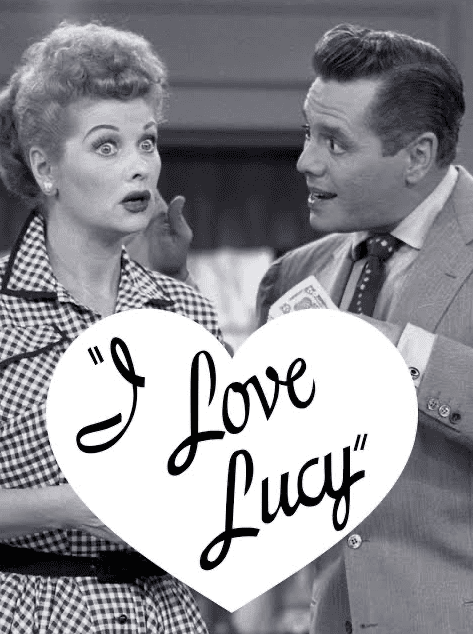
In the world of television beginning in the 1950s, Desi Arnaz turned his Cuban nightclub singer and exasperated husband Ricky Ricardo into one of television’s most iconic characters in I Love Lucy (1951-1957). He was credited with developed the multicam sitcom setup still used today, as well as the syndicated rerun.
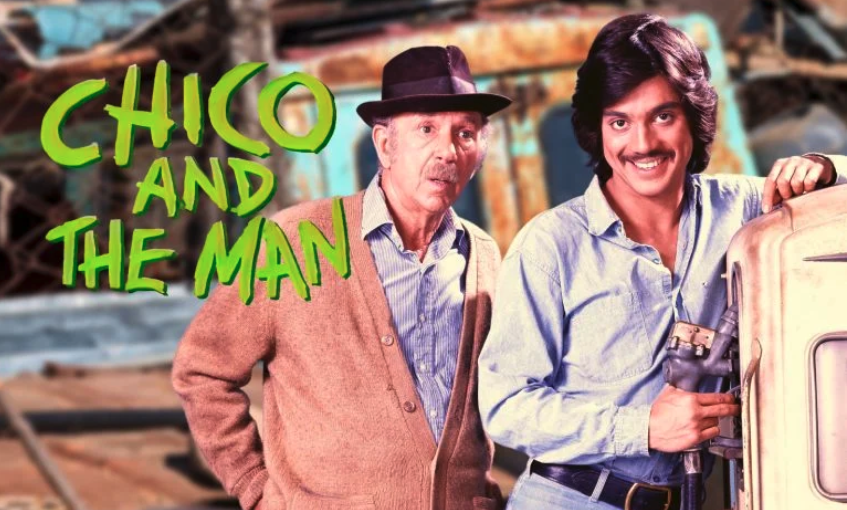
Chico and the Man (1974-1978) starring Puerto Rican actor Freddie Prinze took 20 years to arrive afterwards. In the realm of film, Susan Kohner who was Mexican-born starred in Douglas Sirk’s race and class drama Imitation of Life (1959). As mentioned above, Puerto Rican actress Rita Moreno became the first Latino to win an Oscar for her role in West Side Story.
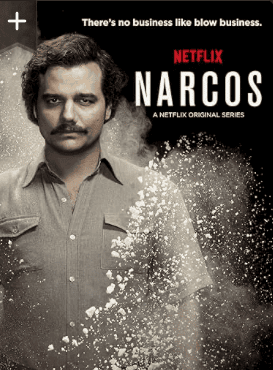
In the 1960s through the 1980s, there were usually standard roles for Latinas as maids in white households. El Paso-born Lupe Ontiveros was cast 150 times as a house maid, but she left her mark in other roles, including the mother in Zoot Suit (1981) and Real Women Have Curves (2002). Throughout the 1980s and 1990s, the Latino drug lord was the favored use of Latino actors. However, the main roles were usually given to white actors, such as Al Pacino as the Cuban cocaine fiend Tony Montana in Scarface (1983). This stereotype did real damage to the way society came to view Latinos. Audiences were fed a surplus of Spanish-language drug-themed films and telenovelas, plus popular U.S. shows such as Netflix’s Narcos, based on the real life of Colombia’s cartel boss Pablo Escobar. These images persist in the memories of the generation that watched these television series and helped to explain the current U.S. misunderstanding of typical Mexicans during the past several decades.
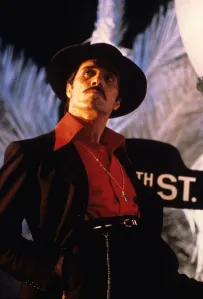
Helping to combat the negative stereotypes of Latinos was Edward James Olmos’ performance as the Garfield High School Calculus teacher Jaime Escalante in Stand and Deliver (1988). Of course, Olmos has had a storied career as an actor that pushed him into fame with his role as El Pachuco in Daniel Valez’s Zoot Suit (1981). In this documentary Beyond the Border, Olmos is one about 10 key interviewees who talk about Latino representation in film and television.
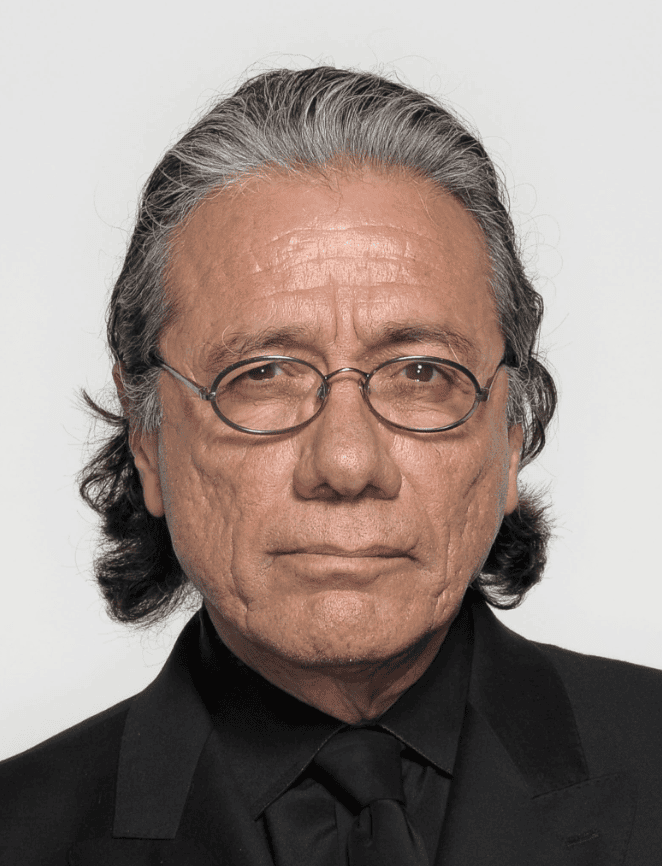
Edward James Olmos was born February 24, 1947, in East Los Angeles, at The First Japanese Hospital to Pedro Olmos and Eleanor Huizar. After graduating from Montebello High School in 1964, he received an Associative Arts Degree in Sociology and Criminal Justice at East Los Angeles College in 1966. He says that he is of Aztec and Spanish ancestry. His father was a Mexican immigrant and his mother was American-born of Mexican descent. He was in a number of long-running television shows but his signature role as El Pachuco in Zoot Suit (1981) catapulted him to fame.
He gained 20 pounds and thinned his hair to prepare for the role of Jaime Escalante, the famous calculus teacher at Roosevelt High School in Stand and Deliver (1988), one of the most enduring films about teaching in the barrio. He has achieved extraordinary success as an actor, producer and humanitarian. The Tony, Emmy and Academy Award Nominated actor, is probably best known to young audiences for his work on the SYFY television series Battlestar Galatica as Admiral William Adama. Although the series kept the actor busy during its run from 2003 through 2009, it didn’t stop him from directing the HBO movie Walkout in 2007, for which he earned a DGA Nomination in the Outstanding Directorial Achievement in Movies for Television category.
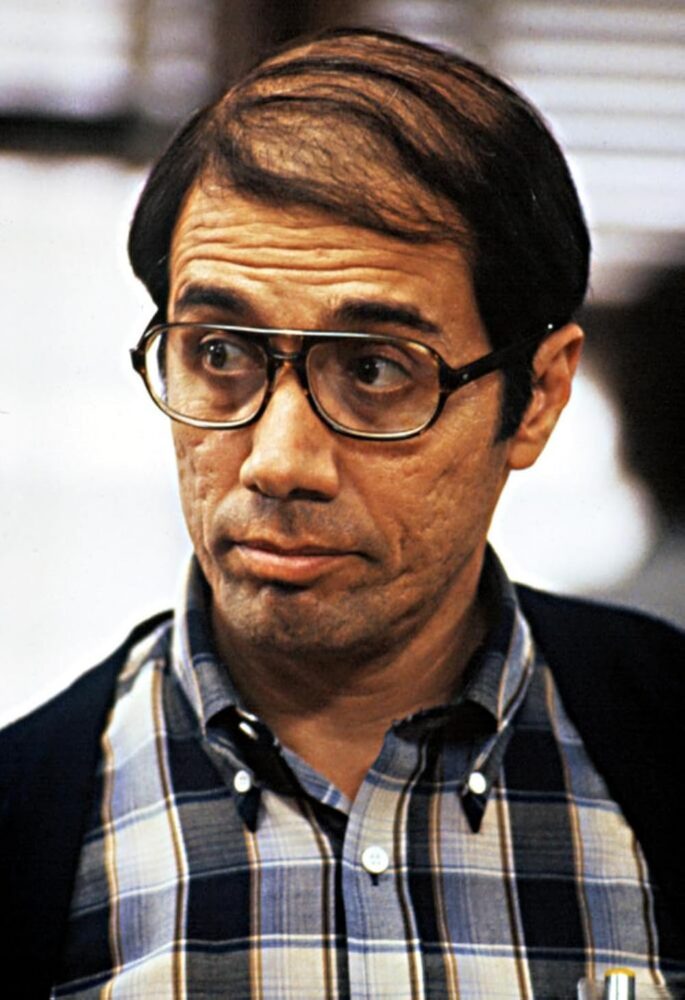
The interviews in Beyond the Border are uniformly strong. The casting director Carla Hool speaks about what Latino actors actually go through in Hollywood. Veteran director Gregory Nava is wonderful, full of anecdotes about shooting El Norte. And José Zúñiga’s interview is simply touching. Carla Hool has over two decades of experience in both U.S. and Latin American film and television. She began her career in Mexico before transitioning to major studio productions, contributing to films such as Man on Fire, Apocalypto, and Sin Nombre. She is best known for her casting work on Narcos, Coco, Flamin’ Hot, A Million Miles Away, and Emilia Perez projects that reflect her expertise in assembling diverse, multidimensional casts.

Carla Hool is a two-time Artios Award winner with eight total nominations, honoring her excellence in casting for both film and television. She won her most recent Artios for Emilia Pérez (2024), and previously for the animated feature film Coco (2016). She was also recognized with NALIP’s Industry Pioneer Award in 2019 and received the 2022 Heller Award for Feature Casting Director of the Year. Hool has expanded her role as a producer, developing projects that highlight underrepresented voices and culturally specific stories. Her deep knowledge of the industry and strong cross-cultural networks allow her to bridge talent across borders and genres. With a focus on authenticity and nuance, she continues to shape stories that challenge industry norms and broaden the scope of inclusion in mainstream entertainment. In the documentary, Hoot points out that casting in order to get financial backers seems to require at least one white lead actor to be with a Latino.

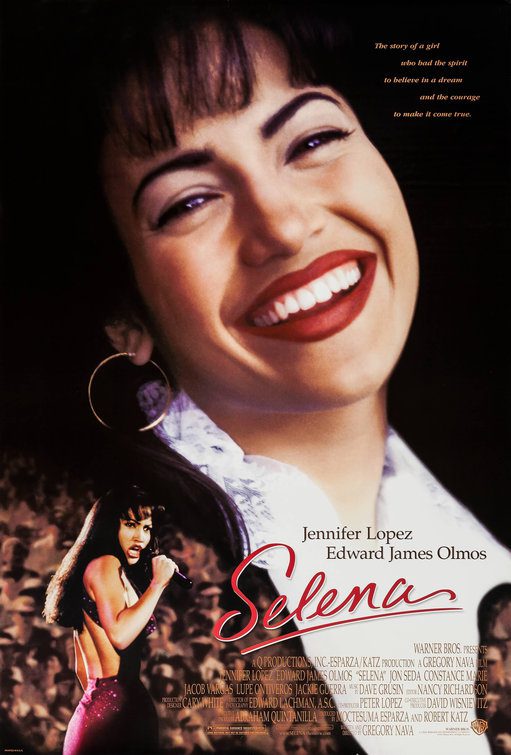
One of the major voices in the documentary is that of Gregory Nava is an Oscar, Golden Globe and Emmy nominated American writer, director and producer. An acclaimed filmmaker, his cinema has captured the American Latino experience and is considered to be one of the most influential and important Latin filmmakers today. Three of his films (El Norte (1983), Selena (1997), My Family (1995)) have been selected by the U.S. Library of Congress National Registry for Culturally Significant “American Classics.”
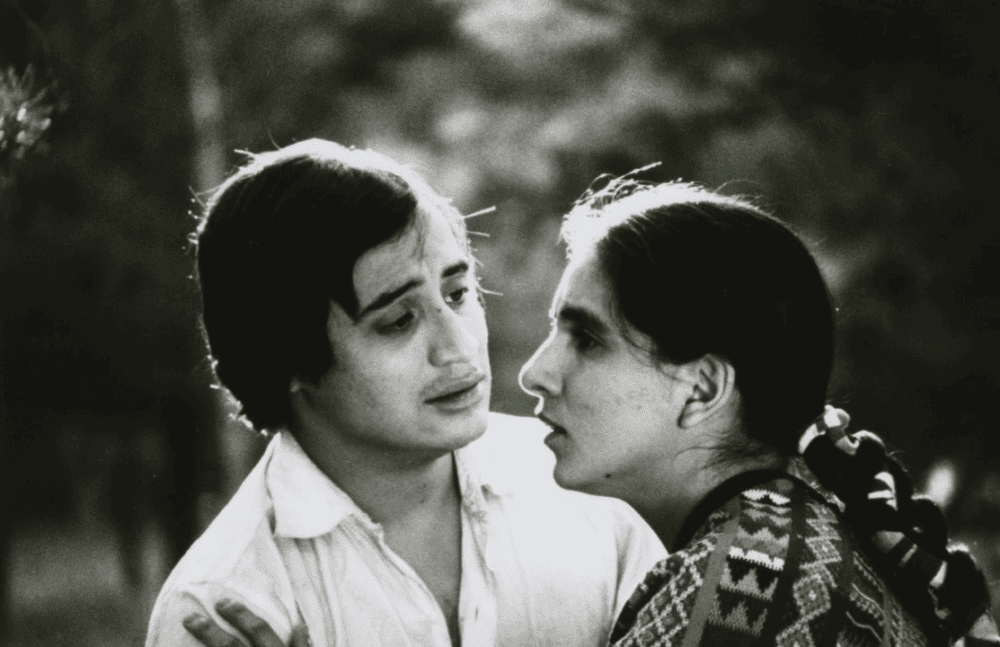
His debut feature film El Norte (1983) received an Oscar nomination for Best Original Screenplay and was an official selection of the Cannes Film Festival. Critic Roger Ebert lauded El Norte as a milestone in American Independent cinema, with 4 stars and famously called it the “Grapes of Wrath” of our time.
In television, Nava has been nominated for both the Emmy and Golden Globe for “Best Limited Series” as the Creator and Executive Producer of American Family, the first dramatic Latino family series in the history of U.S. broadcast television.
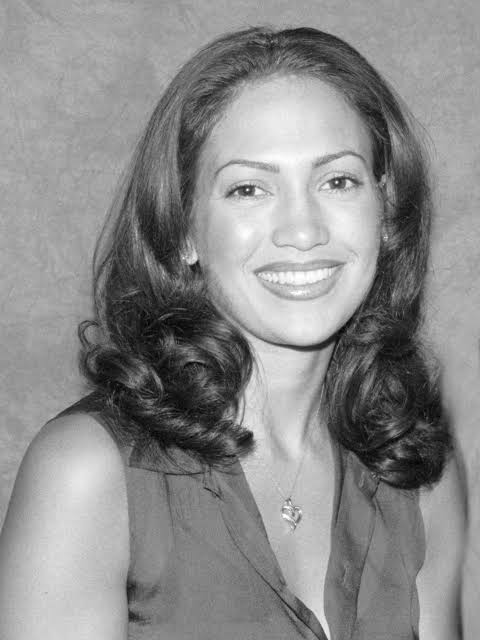
The award winning and critically acclaimed series aired for three seasons and boasted an all-star cast including Academy Award winner Rita Moreno and Oscar nominees America Ferrera, Edward James Olmos, Demián Bichir, as well as Michael Peña, Jay Hernandez and the legendary Raquel Welch. Through his company, El Norte Productions, Nava continues to develop films and television projects. Nava is writing and directing a dramatic feature film about the iconic civil rights and labor leader Dolores Huerta.

Daniel Villareal provides a charming interview in the documentary as he drives around Boyle Heights in his decked-out convertible low-rider showing us sites along the L.A. River that separates Boyle Heights from Downtown L.A. Villareal got first job in Hollywood as a production assistant on Stand and Deliver. Later Villareal landed his first acting part in Stand and Deliver playing Chuco, the finger man. He is best known as Little Puppet in American Me. Now he writes and produces own material. The love of acting is still there and he is always looking for that one great part.
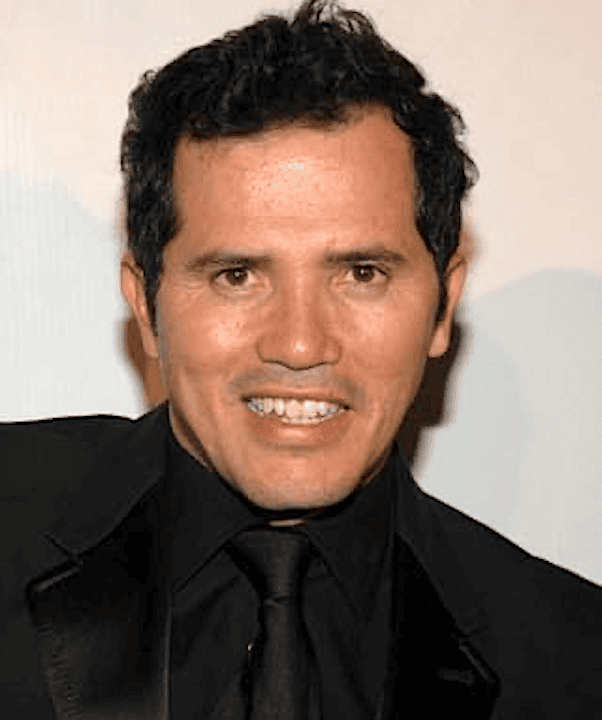
Fast-talking and feisty-looking John Leguizamo, who was born in Colombia, has continued to impress movie audiences with his versatility: he can play sensitive and naïve young men, such as Johnny in Hanging with the Homeboys (1991); cold-blooded killers like Benny Blanco in Carlito’s Way (1993); a heroic Army Green Beret, stopping aerial terrorist in Executive Decision (1966); and drag queen Chi-Chi Rodriguez in To Wong Foo, Thanks for Everything! Julie Newmar (1995). Arguably, not since ill-fated actor and comedian Freddie starred in the smash TV series Chico and the Man (1974) had a youthful Latino personality had such a powerful impact on critics and fans alike.
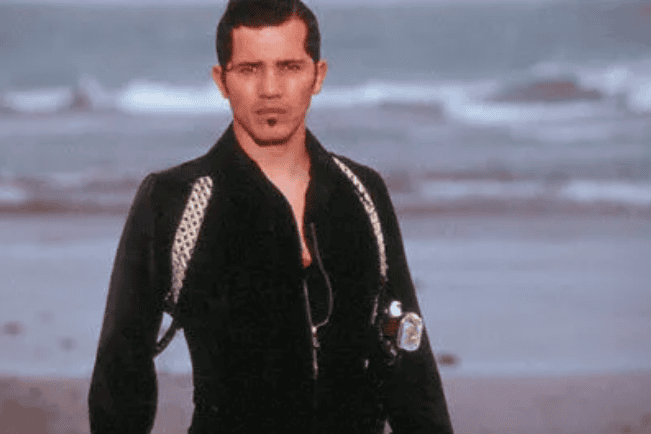
The gifted Leguizamo has kept busy in films, with key appearances in Super Mario Bros.(1993), Baz Luhrman’s Romeo + Juliet (1996) and Spawn (1997). In 1998 he made his Broadway debut in John Luguizamo: Freak, a “demi-semi-quasi-pseudo-autobiographical” one-man show, which was filmed for HBO by Spike Lee. Spike Lee directed Summer of Sam (1999) with Leguizamo as a guilt-ridden womanizer, as the Genie of The Lamp in the exciting Arabian Nights (2000) and a Henri de Toulouse Lautrec in the visually specular Moulin Rouge! (2001). He also voiced Sid in the animated Ice Age (2002), co-starred alongside Arnold Schwarzenegger in Collateral Damage (2002) and directed and starred in the boxing film Undefeated (2003). None of these roles called for Luguizamo to portray anything particularly Latino but he easily took on virtually any role.
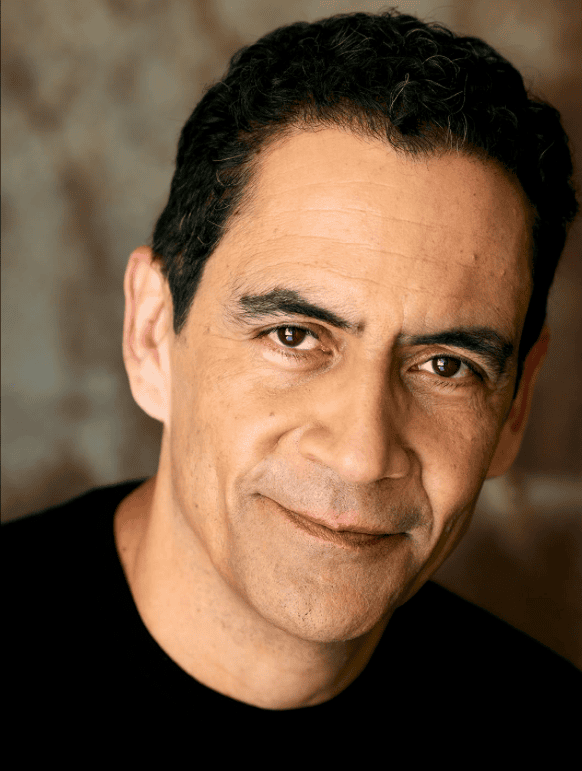
In a similar vein, José Zúñiga provides us with the gradual acceptance of Latinos as regular actors who speak English fluently and show little or no connection to Latino culture. Zúñiga was born in Honduras and moved to New York City at the age of 7. His first film was Riding the Rails, where he rode on freight trains and lived in homeless shelters during the 4 months of filming. When he returned to NYC his then agent secured him an audition for Alive directed by Frank Marshall. He was in the Spanish film Alive as the only Latino in the cast of white actors who portrayed the Uruguayan soccer team. He had a major role in Twilight (2008) as Mr. Molina and The Dark Tower (2015) as Dr. Hotchkiss – roles that were really not Latino as all. The same might be said of Óscar Isaac who was born in Guatemala, to a Guatemalan mother, María Eugenia, and a Cuban father, Oscar Gonzalo Hernández-Cano, a pulmonologist. Oscar was raised in Miami, Florida. Before he became an actor, he played lead guitar and sang vocals in his band, the Blinking Underdogs. He attempted Julliard School where he graduated from the Juilliard School in 2005.

Julissa Calderón, one of the stars of the acclaimed Netflix series Gentified, said she has seen progress in Hollywood representation, especially since the Black Lives Matter movement emerged in 2020. “I feel like we’ve seen a shift in roles and representation. Although we are just scraping the surface, it is long overdue, and we are doing.”
About the directors of Beyond the Border: Clara Kuperberg was born in 1975 in Paris, France. She is a writer and director, known for Bearing Witness: Native American Voices in Hollywood (2025) and Conversations avec Martin Scorsese, en notes et en images (2024). Julia Kuperberg is known for Hollywood Babylon (2025), and Et la femme créa Hollywood (2016).