By Valerie Milano
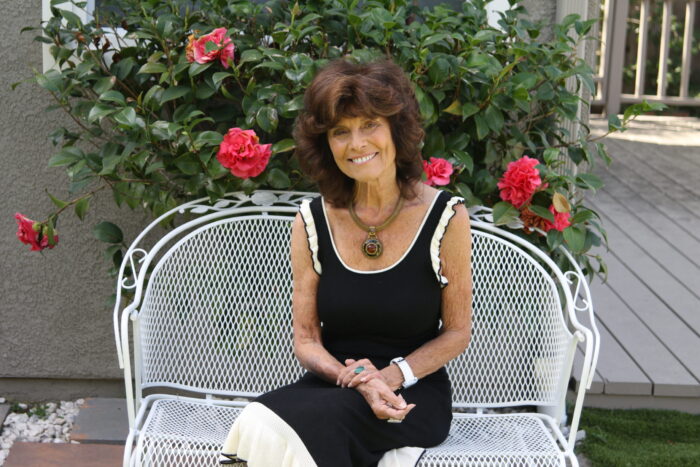
Studio City, CA (The Hollywood Times/Aspiring Magazine) 5/12/26 – Some careers in Hollywood flash brightly and fade quickly. Others evolve, adapt, and endure. Few artists embody that longevity quite like Adrienne Barbeau.
From Broadway stages to groundbreaking television, cult horror classics, voice acting, and bestselling memoirs, Barbeau’s career has crossed genres and generations. During my recent conversation with the legendary performer, who graces the cover of Aspiring Magazine, one word stood out when she reflected on her remarkable journey.
“Sustain,” Barbeau told me with a thoughtful smile. “I’ve been very fortunate to earn a living doing what I love and never had to step outside of that and take a day job. I don’t take that for granted.”
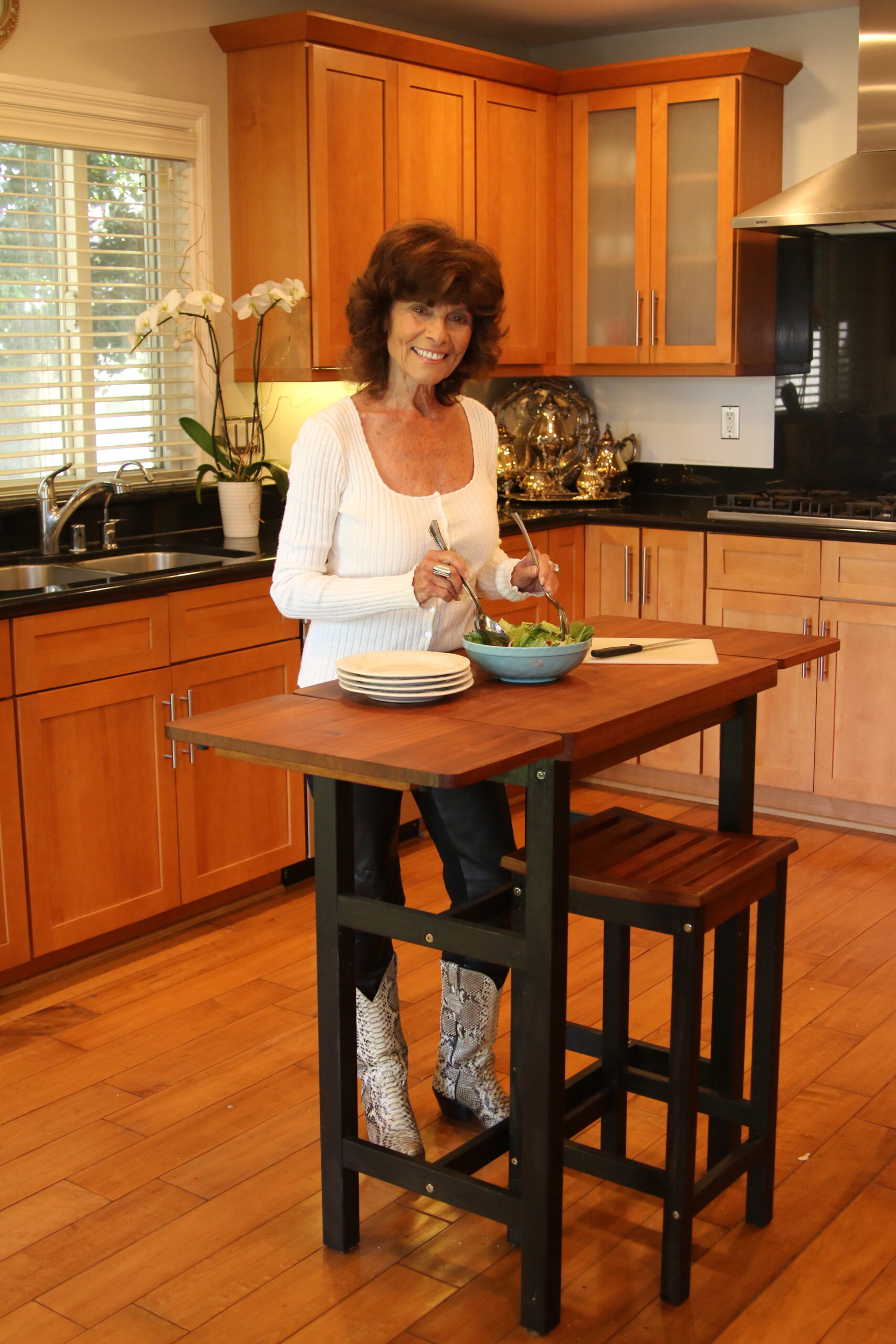 That gratitude and humility have guided her through more than five decades in the entertainment industry.
Before television audiences knew her as Carol Traynor on Maude, Barbeau was building her craft on the New York stage. Her Broadway breakthrough came when she originated the role of Rizzo in the stage production of Grease, earning a Tony Award nomination and launching the next phase of her career.
Enjoy our conversation here:
But the road there was anything but glamorous.
Arriving in New York at 19 with no connections, Barbeau hustled to find housing and auditions.
“I walked the entire length and breadth of Manhattan answering ads for roommates,” she recalled. “Eventually I ended up with two roommates in a tiny apartment, one turned out to be taking money for dates with men, and the other was an alcoholic. It was an introduction to living in New York.”
Still, she persevered.
“You have to want this profession more than anything,” she explained. “You don’t know if it’s ever going to work. And the most important thing is not to take rejection personally.”
Barbeau’s life changed dramatically when television producer Norman Lear attended a performance of Grease. Soon after, she was cast opposite Bea Arthur on Maude, one of television’s most socially significant sitcoms of the 1970s.
The series tackled issues rarely discussed on television at the time, from feminism to reproductive rights.
“I became aware very quickly that we were part of something important,” Barbeau said. “We weren’t just doing pratfalls. We were having an effect on people.”
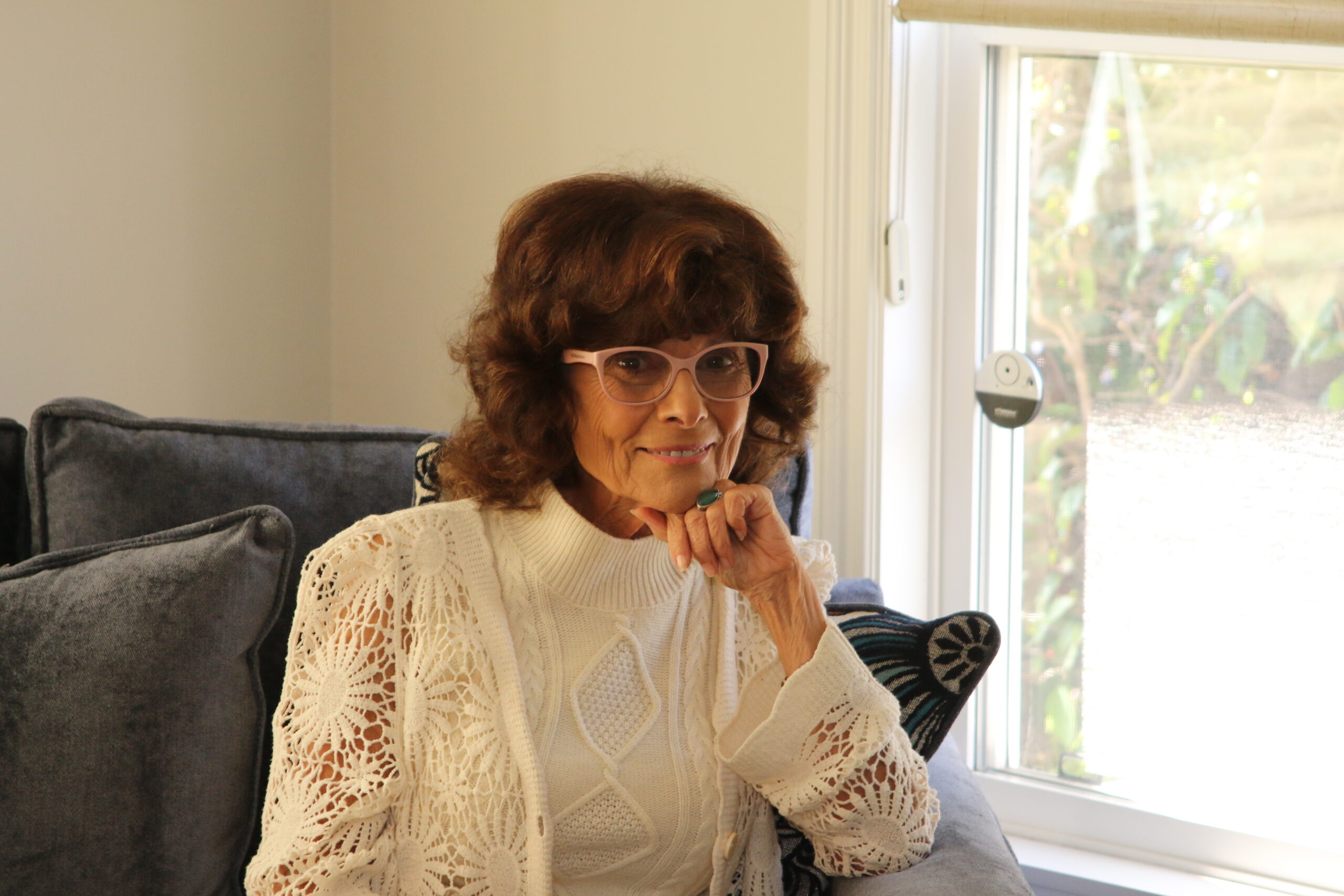 She also credits Arthur with teaching her lasting lessons about professionalism.
“Bea was always the first one out of her chair at a table read to greet new actors,” Barbeau remembered. “What mattered most to her was the success of the show, not her own spotlight.”
When Barbeau transitioned into film, audiences discovered another side of her talent.
Her work with director John Carpenter on films such as The Fog and Escape from New York cemented her place in genre cinema.
Ironically, she wasn’t even a horror fan when she first read the script for The Fog.
“I thought, this isn’t socially significant, it’s a ghost story,” she laughed. “But I loved the character and I trusted John.”
Decades later, she’s still amazed by the loyalty of horror fans.
“None of us realized people would still be watching those movies forty years later,” she said. “The horror community is incredible. They love to be scared.”
Barbeau’s career has continued to evolve through voice acting, including her celebrated role as Catwoman in Batman: The Animated Series.
“It’s wonderful,” she said with a laugh. “No makeup, no wardrobe, no worrying about your hair. You just show up and have fun.”
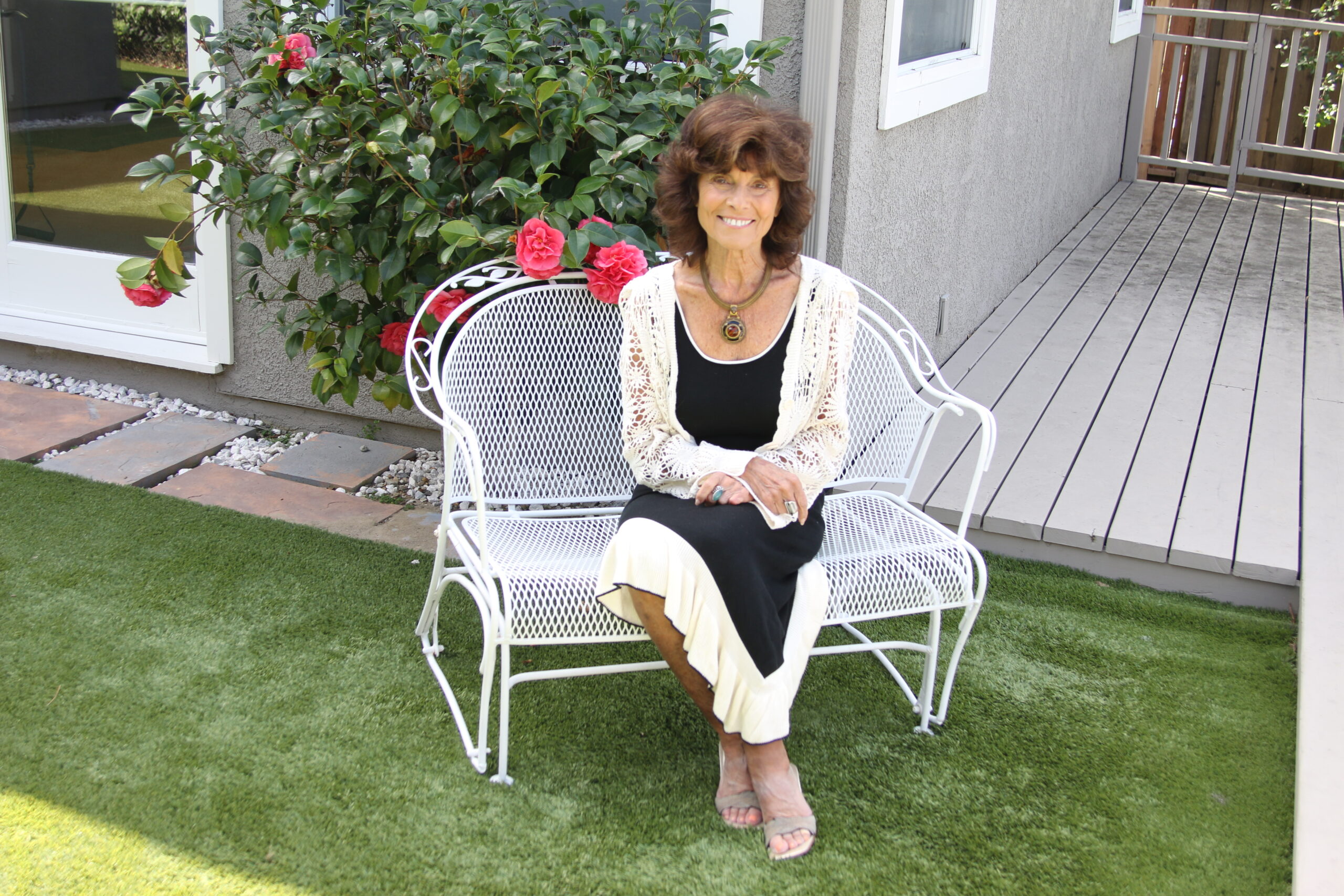 She also remains selective about the projects she chooses.
“If the script doesn’t make sense, or if the writer didn’t even run spell check, I’m not interested,” she joked. “I look for characters that feel real and logical.”
During our conversation, Barbeau also shared a remarkable memory from her Broadway days, watching another future legend begin her ascent.
While performing in Fiddler on the Roof, she shared the stage with a young performer who would soon become one of the most celebrated entertainers of all time: Bette Midler.
“Bette and I did Fiddler on the Roof together for about two years,” Barbeau recalled. “She played the eldest daughter, Tzeitel. I watched her performance every night for two weeks after I was hired, and she brought me to tears.”
Even then, Barbeau could see the star power emerging.
“She would come into the dressing room with her list of songs; she was starting to create ‘The Divine Miss M.’ And there was never any question in my mind that she was going to be the huge superstar she became. She was brilliant.”
Beyond her professional achievements, Barbeau speaks most passionately about motherhood and personal growth.
She became the mother of twins at nearly 52 and credits family as the greatest joy in her life.
Her memoir, There Are Worse Things I Could Do, offers readers an honest look at her journey through Hollywood, relationships, and personal transformation.
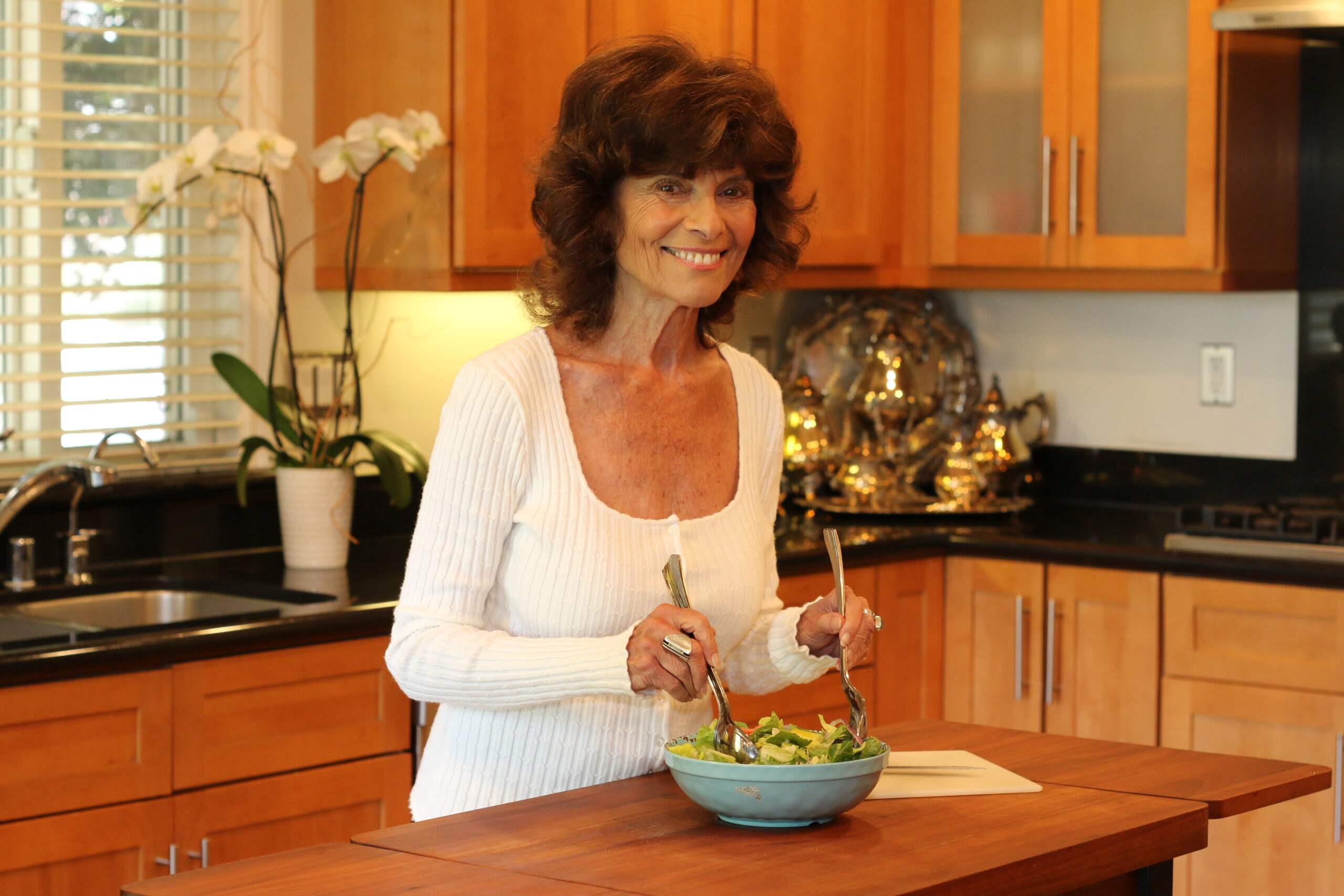 “I’ve always believed in personal growth,” she said. “Understanding yourself makes you a better actor, and a better person.”
Even now, Barbeau shows no signs of slowing down.
She recently completed two new films, including the thriller Oddities, directed by filmmaker Tyler Savage, and another horror project titled Hannah Goes to Hell.
At a time when many actors look back on past achievements, Barbeau continues looking forward.
And that, perhaps, is the secret behind a career that has sustained itself for decades.
As our conversation came to a close, it became clear that Adrienne Barbeau’s legacy is not defined solely by iconic roles or cultural milestones.
It is defined by authenticity.
Her journey reminds us that a lasting career is not built on a single moment of fame, but on courage, reinvention, humor, grit, and heart.
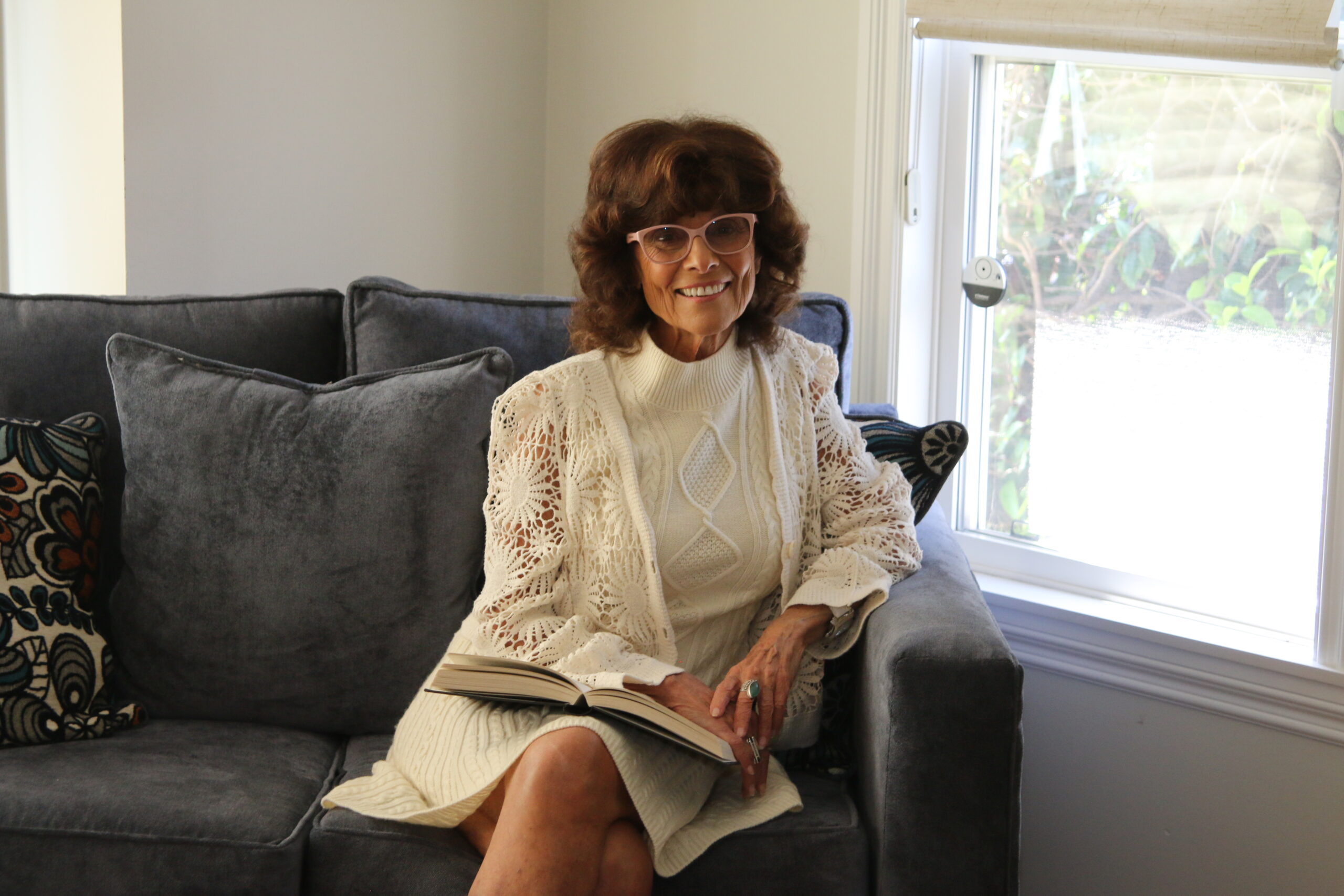 From Broadway stages to television history, from cult cinema to voice work and motherhood, Adrienne Barbeau continues to inspire new generations who are discovering her work for the very first time.
And that enduring influence may be her greatest performance of all.