By Ramelle Carter
Gang territory can no longer be the deafening algorithm that describes a city we call Watts. Watts, California, began as Mud Town. Yet as stated by a young Maryland Gonzalez in the documentary as her “putting Watts on the map.” She hesitated to ascertain that descendants of enslaved people already had Watts on the map during the historically important Civil Rights movement known as the significant Watts Riots that took place in August 1965. Essentially, this was the beginning of America’s profile of Watts, California.
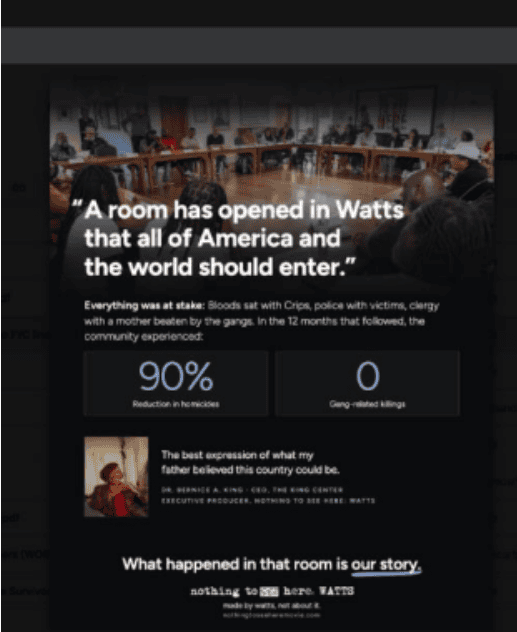
The documentary, Nothing to See Here: Watts, is a gritty and astounding look at the now of Watts, California, from the perspective of its citizens. The cast includes actual residents from the famed Grape Street to the plains of inner-city life. The hustle and bustle of crime is only perpetuated by rival gang territories and unimaginable pain that disguises the scene for disaster in the making.
I applaud the unique authenticity of community member involvement. If more documentaries allowed those who lived it to participate in such a way, what a trailblazing number of ideas would make such a strong work of art. The Watts citizens filmed for over 200 hours using an iPhone; proof that film making can go against the grain.
The documentary is not just about citizens’ commentary on life in a gang rival territory. It is a special creative adornment of people with differences coming together to speak up about tragedies, gang rivalry, policing, crime, and raw alliances of the Working class.
All lives matter, but the life of a black person sees this film as a possible wake-up call for America. Latin culture also makes a statement on how the clash can make you more aware that tensions are a small part of the bigger picture in the chaos.
The film shows hope and nurturing that put out the fire of racial divide and chaotic misfortunes. The working-class community deserves the recognition they put in deep perspective for the concerns and dangers that arose from crime-ridden damage to the area. The most important aspect to the creative work of this documentary is the citizens posing the facts instead of a narrative upstaging the actual ups and downs that they themselves have witnessed in the distress and decisions on the wrongs that put the city in jeopardy.
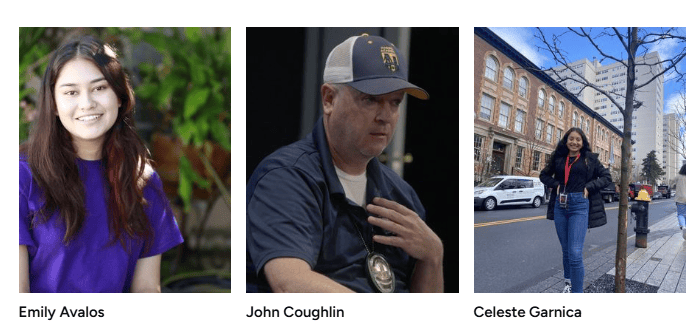
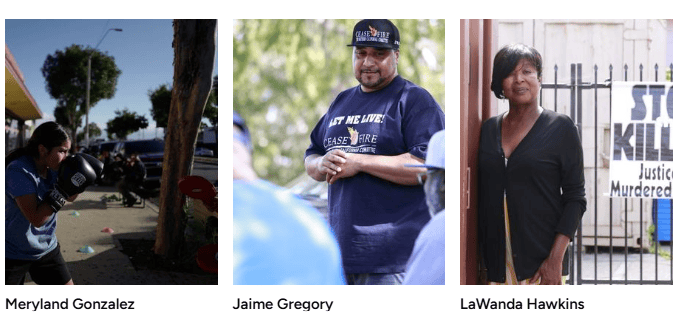
The filmmakers.
Rival gang members, police officers, victims of violence, children growing up in the middle of it. No outside director. No script.




The film doesn’t just sound a loud alarm or put a bandage on the sore. Nothing to See Here: Watts paints a defining image of how community involvement can influence the human spirit.
I want to appeal to audiences to check out this film and there will be more on the documentary because December 1, 2026, a special event is in the works to keep the momentum afloat.
See the documentary Nothing to See Here: Watts
I gave it 8 out of 10 score.
Resources: https://www.britannica.com/place/Watts