Cinema Diverse Film Festival in Palm Springs, where is will screen on Friday, September 18, at 4:15 pm at the Palm Springs Cultural Center.
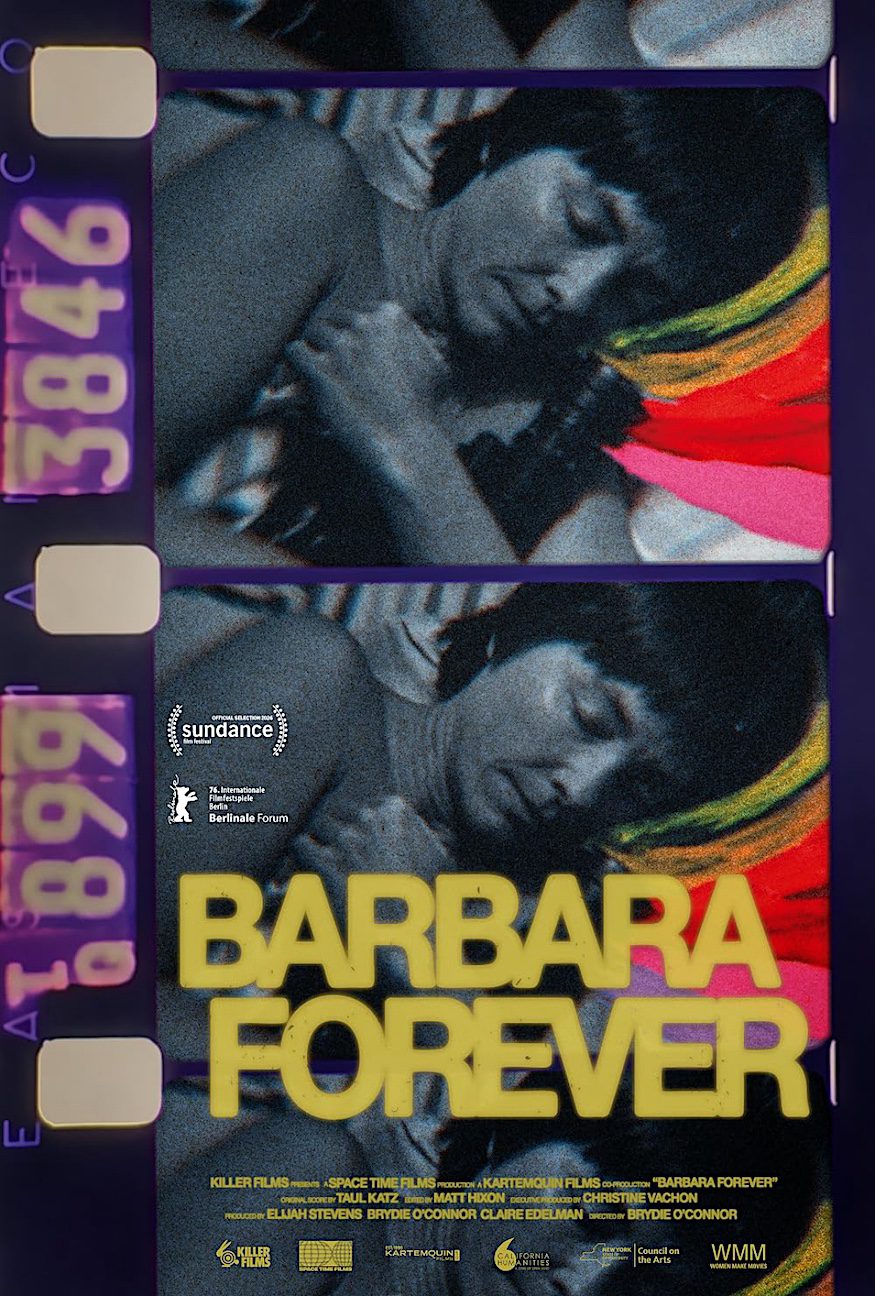
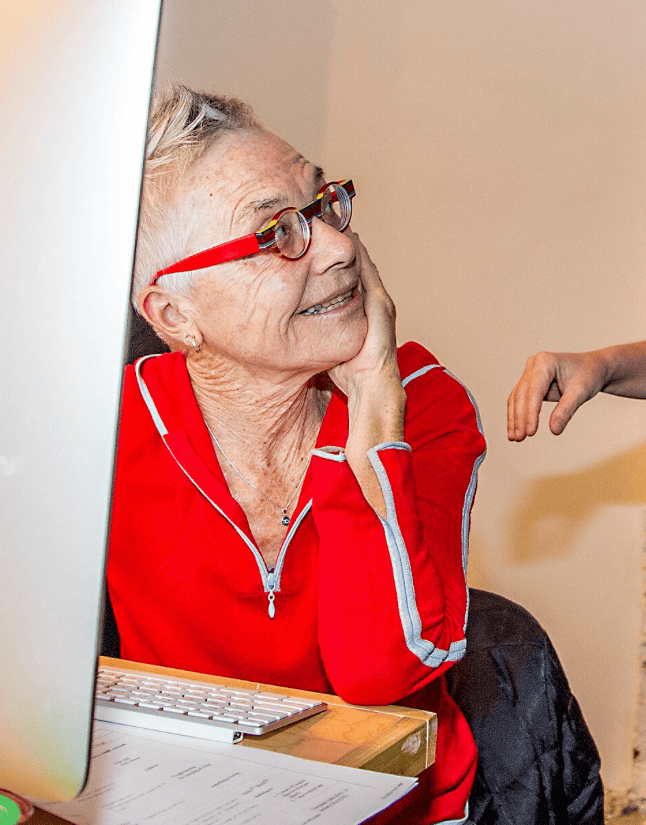
Barbara Forever is an expansive, immersive exploration of the life, work, and ongoing cultural impact of filmmaker Barbara Hammer – a pioneering artist who lived boldly, created urgently, and transformed cinema through her singular vision. Driven by her canon of over eighty films, a vast collection of unreleased archival materials, and extensive audio interviews, Brydie O’Connor’s portrait allows for Hammer’s voice and images to shine through, becoming both a tribute and an extension of her legacy.
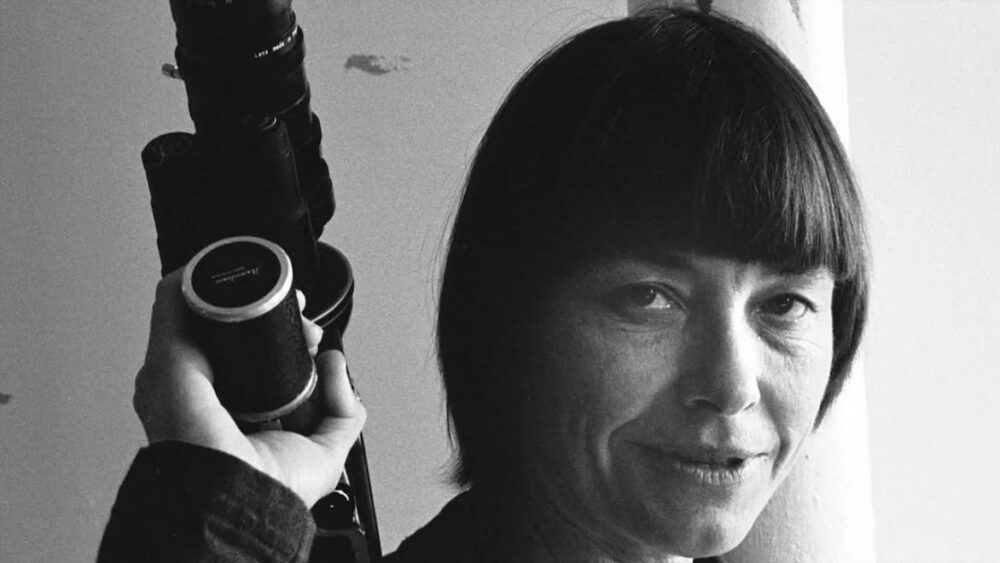
Barbara Forever builds on O’Connor’s 2022 short Love, Barbara, which interviewed Hammer’s longtime partner Florrie Burke about Hammer. This time, Hammer narrates her life story through archival interviews, lectures, and her own works carefully stitched together by O’Connor and editor Matt Hixon.
Retracing her steps from childhood to her first marriage, and later divorce and sexual awakening, Barbara Forever introduces Hammer first as a person then as an artist who found almost no representation of herself or her lesbian community. When she picks up a camera, she begins to experiment with cinematic language, developing a queer aesthetic that centered joy and desire beyond conventional narrative trappings. Her voice leads viewers through her story with openness and sharp sense of humor.
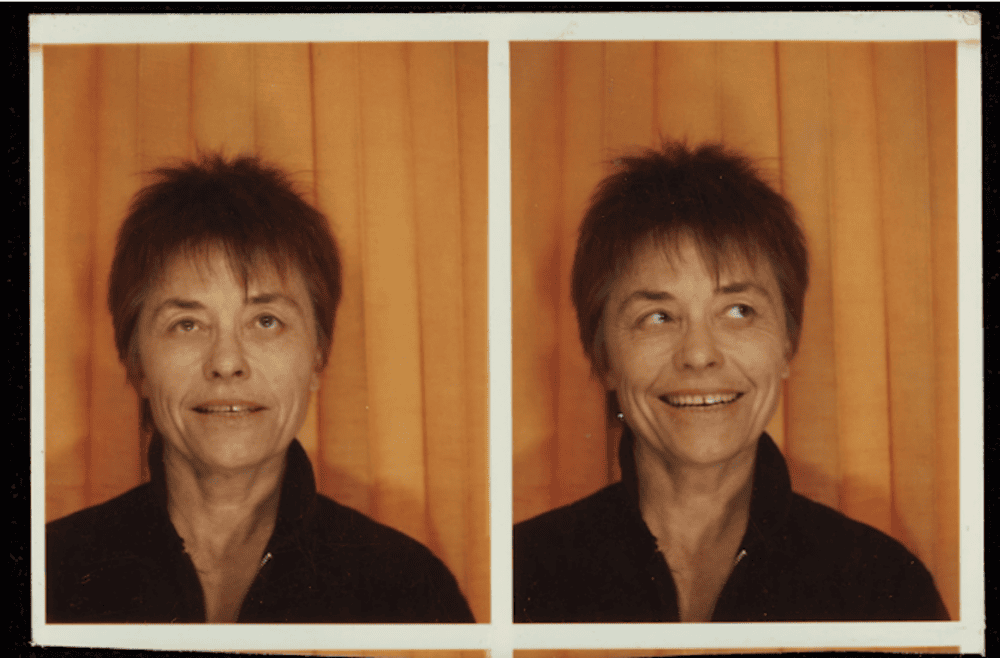
Barbara Hammer is known for being one of the pioneers of the lesbian film genre, and her career spanned over 50 years. Hammer is known for having created experimental films dealing with women’s issues such as gender roles, lesbian relationships, coping with aging, and family life. She resided in New York City and Kerhonkson, New York, and taught each summer at the European Graduate School. Hammer was born on May 15, 1939, in Los Angeles and grew up in Inglewood. She became familiar with the film industry from a young age, as her mother hoped she would become a star like Shirley Temple, and her grandmother worked as a live-in cook for American film director D. W. Griffith.
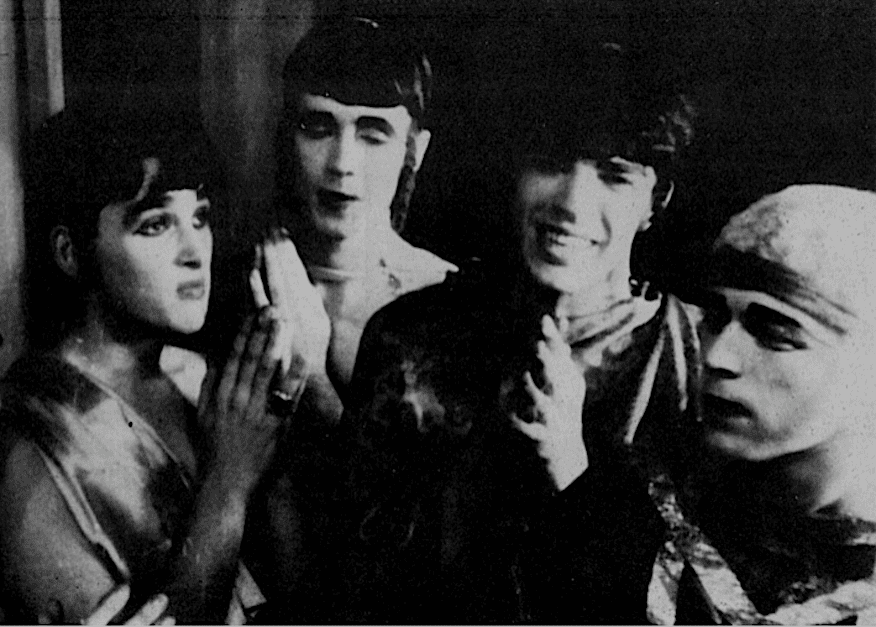
In 1992, she released her first feature film, Nitrate Kisses, an experimental documentary about the marginalization of LGBT people in the 20th century. combines interviews with homosexual couples, videos of four couples making love, footage of 1933 homoerotic film Lot in Sodom and image of LGBT history. It was nominated for the Grand Jury Prize at the 1993 Sundance Film Festival and won the Polar Bear Price at the Berlin International Film Festival.
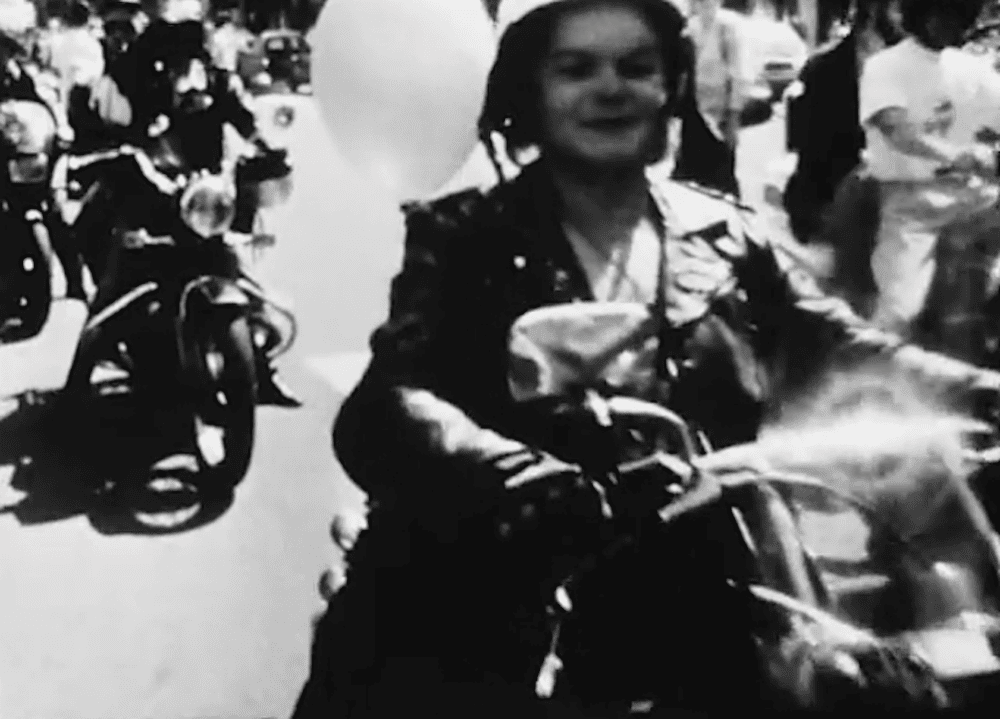
After many years of being married to a man, Barbara Hammer left that relationship and took off on a motorcycle with a Super-8 camera, and became America’s progenitor of lesbian filmmaking with her film Dyketactics! (1974). One of the reasons for making this film was that there were no lesbian films existing during that time. An artist and experimental filmmaker having completed 50+ films and videos, Hammer’s work is iconoclastic, sexually explicit and inextricably connected to her lesbianism and feminism. Hammer often talked about death and history in the same sentence. “In America, we allow our history to die. There’s only a certain privileged few who get to write history.” Nitrate Kisses explains the silences around that history and who controls the silences? That’s just as important as the history itself.
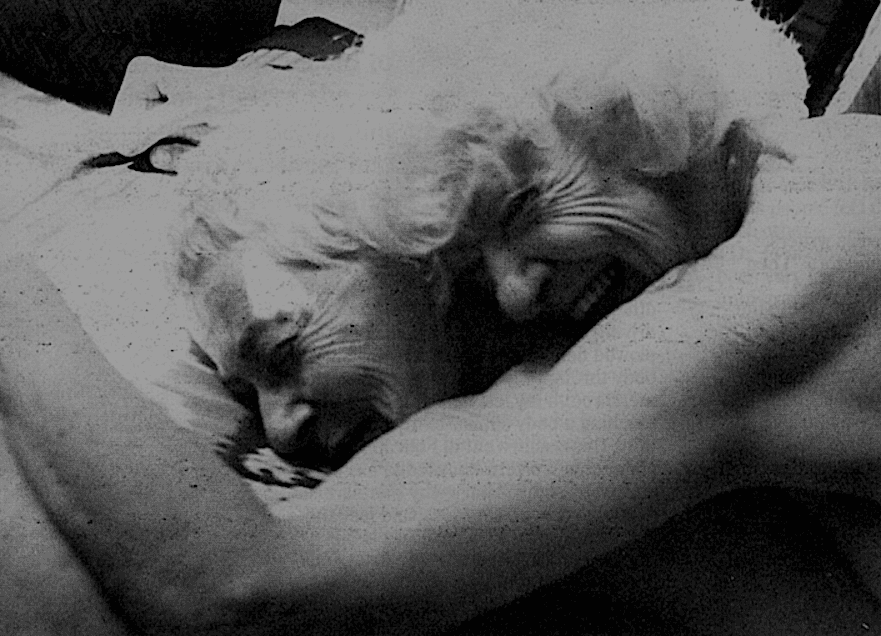
Barbara Hammer: “I also think it’s time for idealism again. We have been living in cynicism, depression, and a sort of status quo for a number of years. I don’t think we can have a diversified culture by just accepting it. We need our personal energies behind that.”
Forever Barbara was a lauded film at the 2026 Sundance Film Festival. It is currently playing at the Laemmle Royal Theatre in West Los Angeles. It is in the line-up of the Cinema Diverse Film Festival in Palm Springs, where is will screen on Friday, September 18, at 4:15 pm at the Palm Springs Cultural Center.