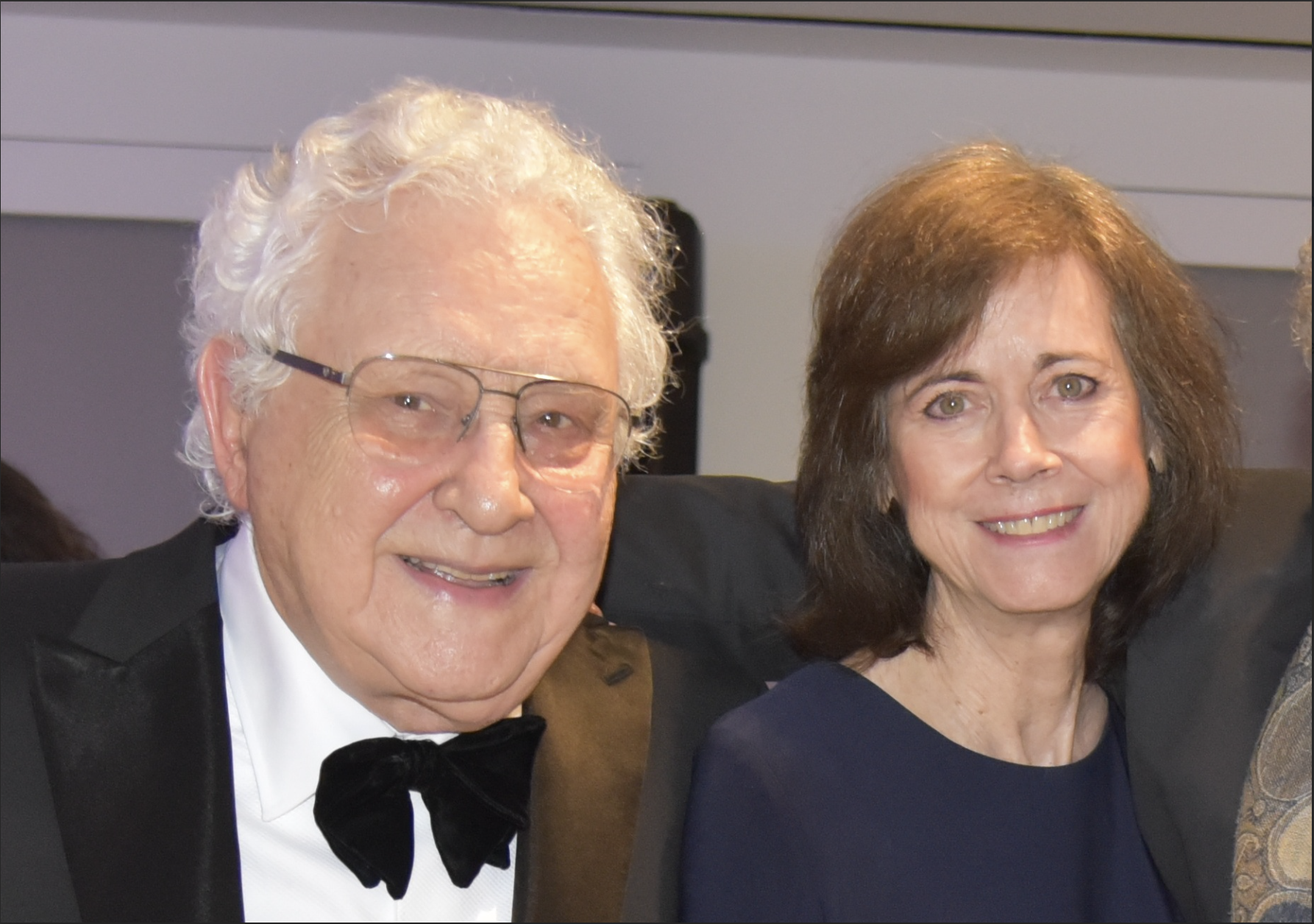
What a pleasure to draw upon the passion of Jeremiah and Wendy Ginsberg, the creators, along with producer Bradford May. We had a wonderful conversation about Mendel’s Messiah and the films still to come.
We captured the energy, the insight, the enthusiasm, and the depth of the work. We elaborated on the choreography, the rhythm, the music, and the biblical themes, including the challenge of shaping extended text into a single operatic moment. There was a clear desire to entertain the audience beyond the fourth wall, to take them on a journey beyond current consciousness and into a lived experience of the story.
Join me as I sit with the creators and a producer of Mendel’s Messiah. I think you will enjoy the journey as much as I did.
I had the opportunity to talk with the creators following my viewing of the film. What emerged was an interview that continued the story itself—an experience rooted in reflection, interpretation, and the evolving nature of Mendel’s journey.
Our conversation moved alongside the story in a way that felt layered, evolving, and deeply human. Mendel’s path is one of questioning, searching, and transformation, and it became clear that this was not only a character arc, but an invitation extended to the audience as well.
As the discussion progressed, we explored the transition from stage to screen and the creative decisions that shaped that shift. One moment that stood out centered on a scene that was described as particularly difficult to create. What had originally been extended dialogue was reworked into an operatic sequence, compressing a substantial amount of biblical text into a single musical expression. The process required both technical precision and emotional depth, and it was shared that the actors themselves were initially hesitant, given the demands of the performance. The result carries both intensity and clarity, reflecting the level of care that went into bringing that moment forward.
A more specific layer of the conversation focused on the presence of Beelzebub and the surrounding tension within the story. Wendy brought attention to the scene and its weight within the narrative, and Jeremiah spoke directly to the connection to antisemitism, giving language to its role and clarifying the intention behind that portrayal. This grounding helped bring coherence to earlier moments in the film, connecting them within a larger framework.
What remained throughout the conversation was a steady sense of engagement with the material as something lived and experienced. The work continues to open through that process.
This conversation reflects that same movement—present, engaged, and continuing to take shape through those who encounter it.