At a rapidly evolving intersection of science, wellness, and entrepreneurship, the LA gathering revealed the multidimensional nature of the longevity movement.
By John Lavitt
Los Angeles, CA (The Hollywood Times) 04-09-2026
At the InterContinental Hotel in downtown Los Angeles, the 2026 Biohackers World Conference & Expo brought together a diverse group of the modern longevity movement — scientists, entrepreneurs, investors, and everyday health enthusiasts — all united by a common question: how far can human optimization go, and how quickly?
Over two days in late March, the Biohackers World Conference & Expo showcased more than just emerging technologies. It exposed a space in transition—where rigorous science, consumer wellness, and ambitious business models are increasingly linked, sometimes effectively, and sometimes with tension.
The main keynote stage featured accomplished speakers, including Dr. Nathan S. Bryan, renowned for his research on nitric oxide and cardiovascular health, and Tom Kerber, CEO of SunPower LED. While their areas of expertise differed, a common theme emerged: the growing effort to translate complex biological science into practical tools to improve everyday health. Whether through supplementation, light-based therapies, or metabolic optimization strategies, the focus remained on measurable results — energy, recovery, and long-term resilience.
Yet, beyond the presentations themselves, the conference’s atmosphere was influenced by its accessibility. As Elias Arjan, Founder and Chief Community Officer of Healthspan Collective and Emcee for Day 2, noted, the event held a unique position within the larger ecosystem.
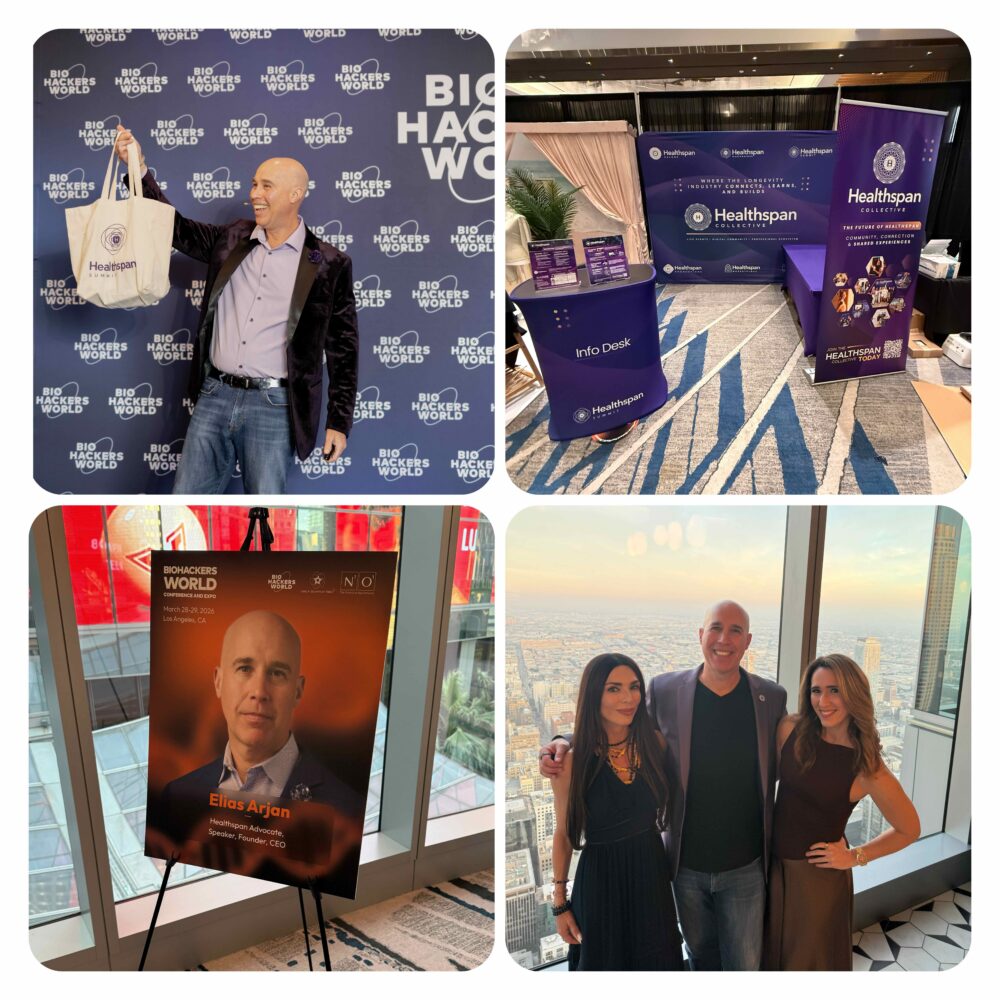
“When this community comes together, the energy is undeniable,” Arjan said. “What I value most about Biohackers World is the opportunity to connect with people who are just beginning to explore health optimization. It’s a more accessible, introductory environment compared to the clinical and industry-focused conferences we typically host, and it creates a unique space to engage, educate, and bring new people into the conversation around healthspan.”
That accessibility was most evident on the expo floor, where attendees moved from booth to booth, experiencing the latest in wellness technology firsthand. Red light therapy panels, electrical muscle stimulation devices, and a wide range of supplements and functional foods created an environment that felt part laboratory, part marketplace.
For entrepreneurs, the expo offered more than visibility — it was a proving ground. Products were not just displayed; they were tested, tasted, and debated in real time. Conversations flowed seamlessly among performance benefits, scientific validation, and market viability, reflecting a space where innovation and commercialization are tightly linked.
That intersection was exemplified by figures like Brad Turner, CEO and Chief Investment Officer of Marketing Completion Fund, who operates at the crossroads of capital and emerging health technologies. With events such as the Health AI Summit 2026 this weekend in Anaheim and the upcoming Newport Beach Investor Conference, Turner symbolizes a growing network of investors seeking scalable, consumer-facing opportunities in the longevity sector.
Turner’s presence here and beyond highlights a key truth: the future of biohacking is being shaped not only in labs or wellness studios but also in boardrooms and investment circles. As funding in the space increases, the pressure to turn promising ideas into sustainable businesses continues to grow.
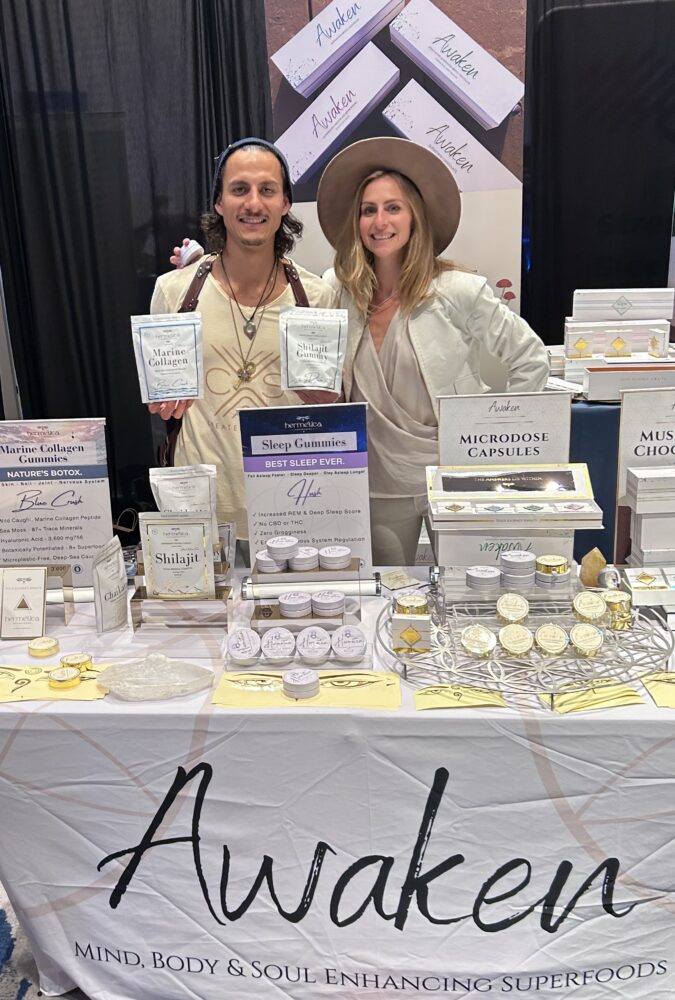
At the same time, the expo highlighted the market’s diversity and uneven development. Brands like Awaken, now part of the Hermetica Superfoods umbrella, showcased a range of products from mushroom-based supplements to collagen formulas. Their booth drew steady attention, mainly because of their emphasis on direct interaction, including product sampling that encouraged repeat visits. Their Chai Tea was especially well-liked, yet they were willing to ask the hard questions.
Beyond their enthusiasm for their products, a larger question arises: how much of the biohacking movement is grounded in solid science, and how much is driven by consumer desire for optimization? In a field where innovation often advances faster than regulation and long-term research, that difference remains a crucial — and open — question.
On one hand, advances in diagnostics, personalized health strategies, and preventive care are progressing quickly. On the other hand, the rapid pace of commercialization raises ongoing questions about effectiveness, access, and long-term impact.
By the end of the event, one thing was clear: the biohacking movement is no longer just a niche subculture. It is expanding into a wider industry, attracting serious investment, broadening its audience, and inching toward the mainstream. Whether it ultimately fulfills its most ambitious promises remains to be seen. But in Los Angeles, at least for two days, the future of health felt not only possible — but actively under construction, being built in real time, with all the uncertainty that entails.