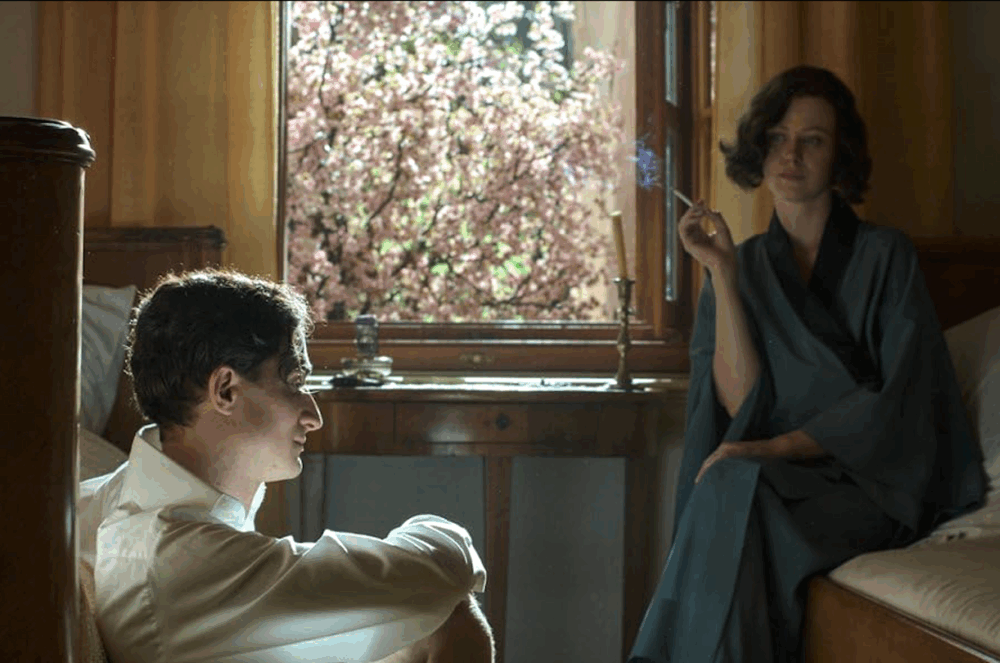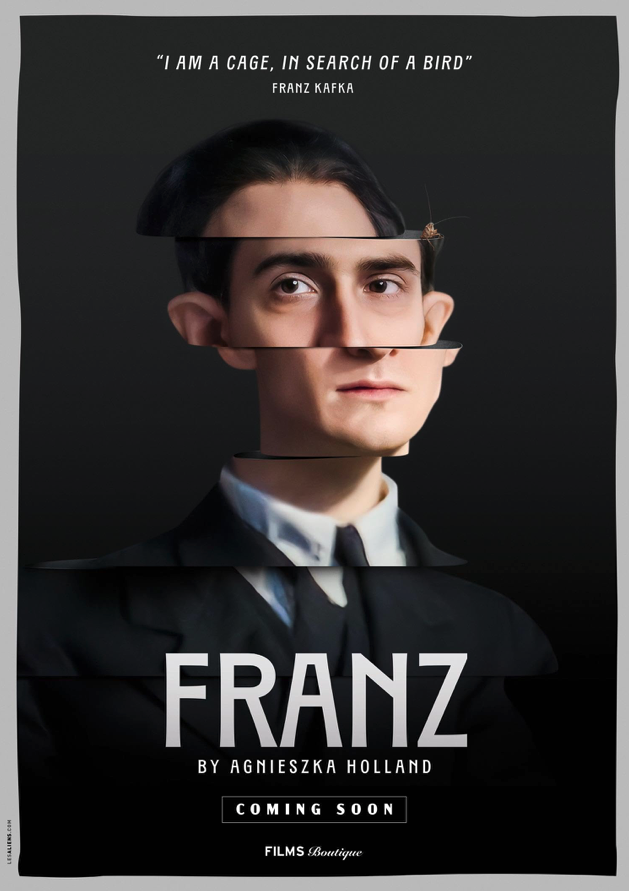
Currently on screen at the Laemmle Monica Film Center in Santa Monica is Agnieszka Holland’s 2025 biographical dramatic film Franz – which traces the life of Franz Kafka from his childhood in Prague to his death in Vienna in 1924. Born in 1883 in Prague, Bohemia, which was then part of the Austrian-Hungarian Empire, Kafka was a German-speaking Czech writer of Jewish background, whose works fuse elements of realism and the fantastique, and typically feature isolated protagonists facing bizarre or surreal predicaments and incomprehensible socio-bureaucratic powers. Agnieszka Holland’s film depicts Franz Kafka as a man torn between his aspiration for a banal existence and his irrepressible need to write, marked by tormented romantic relationships. Agnieszka Holland is a Czech filmmaker who has made many of her films in Poland. As Poland was the main backer of Franz, it seems appropriate that Franz was selected as Poland’s submission for Oscar consideration in 2026.
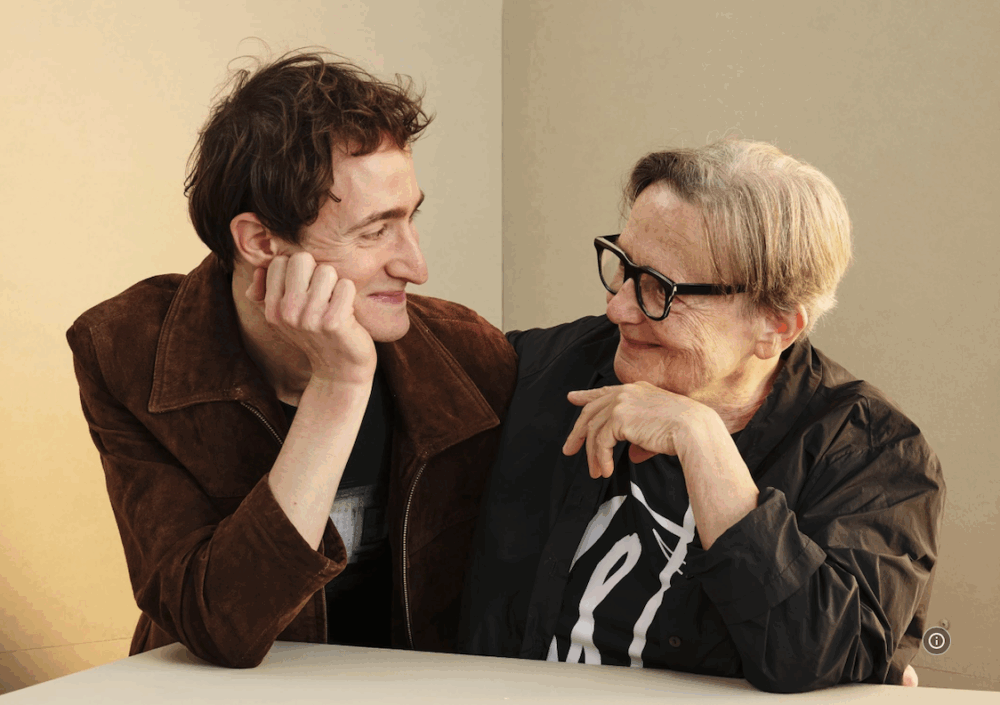
At the beginning of the 20th century in Prague, Franz Kafka (Idan Weiss) is torn between the strict expectations of his father Hermann (Peter Kurth), his monotonous daily routine at an insurance company, and his deep-rooted urge to write and thus give literary expression to his innermost feelings. His texts finally receive initial attention, while he continues to try to lead a life between conforming to others, such as his dominant father, and self-realization. Time and again, Franz experiences intense relationships with women who enchant him to the utmost, inevitably facing the tensions between closeness and withdrawal.
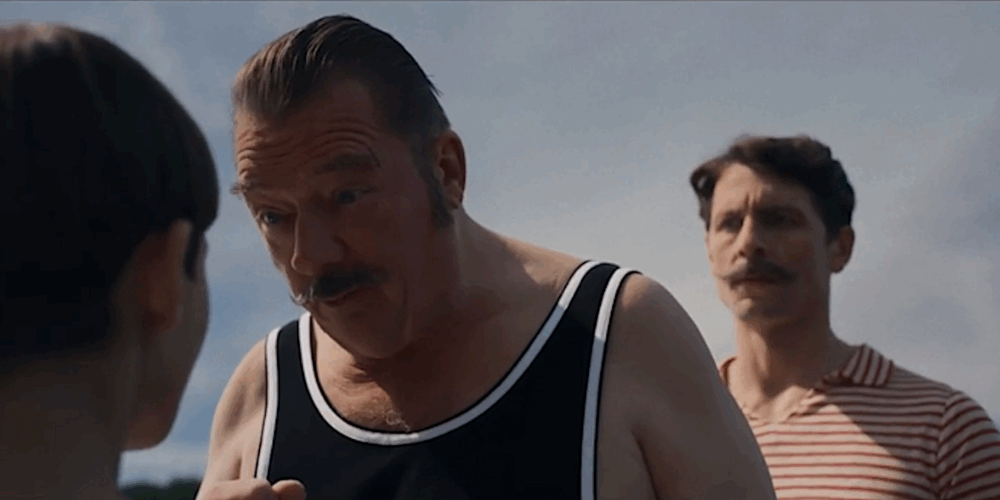
Supported by his friend and publisher Max Brod (Sebastian Schwarz), the picture emerges of a man searching for his place in the world – between a sense of duty, inner turmoil and creative expression. His best-known works include the novella The Metamorphosis (1915) and the novels The Trial (1924) and The Castle (1926). He is also celebrated for his brief fables and aphorisms. Holland and Marek Epstein’s screenplay regurgitates the known facts of Kafka’s life. We follow Kafka from his early readings through his torrid, long-distance affairs with countless women, until his eventual death from tuberculosis. There are occasional flashbacks to his childhood, as well as moments out-of-time, where Kafka finds himself in the modern-day Czech Republic, but the film does tend to get caught in the doldrums of a conventional biopic.
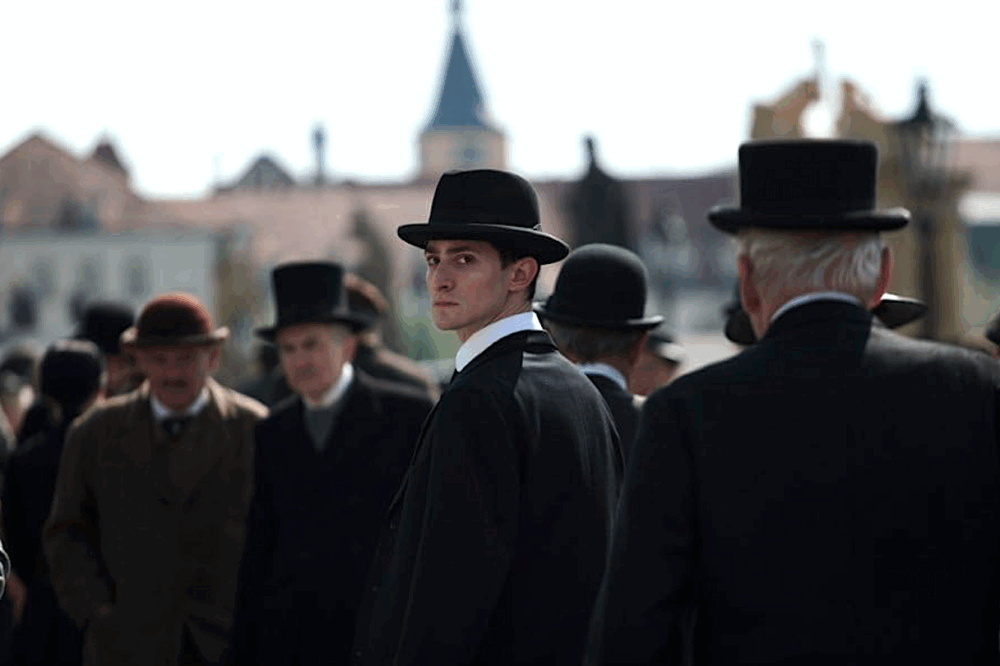
Director Agnieszka Holland does take some daring swings in her film. Perhaps the most obvious way in which Franz shows its unconventional approach to the biopic is in how frequently it breaks the fourth wall. Most characters have scripted interviews throughout the movie in which they talk about Franz Kafka (Idan Weiss), complete with little outtakes that make it feel natural. It’s almost as if Franz was a documentary about the man that was recorded at the time of his life. Holland and cinematographer Tomasz Naumiuk also make frequent use of crash zooms that add to the feeling of improvisational camera work you might find in a documentary.
Much of Kafka’s work was published after his death and against his wishes. If you walk into a bookstore today, you can pick up and read all of those stories that he wanted Max Brod (Sebastian Schwarz) to burn. Not just that, you can also pick up his personal diaries, where you can read about his anxiety and seemingly autistic fear of being perceived.
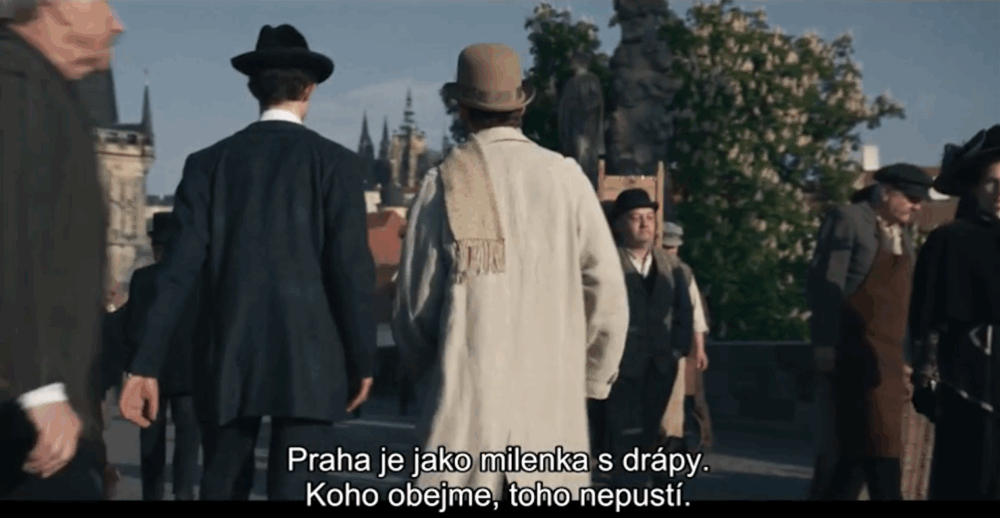
Perhaps you want to have a look at his private love letters to his wife, Felice (Carol Schuler), or even the secret letters of admiration he wrote to her best friend, Grete (Gesa Schermuly). At the aforementioned Franz Kafka Museum in Prague, you can visit an exact replica of his home, take a look at photographs of him as a child and his family.
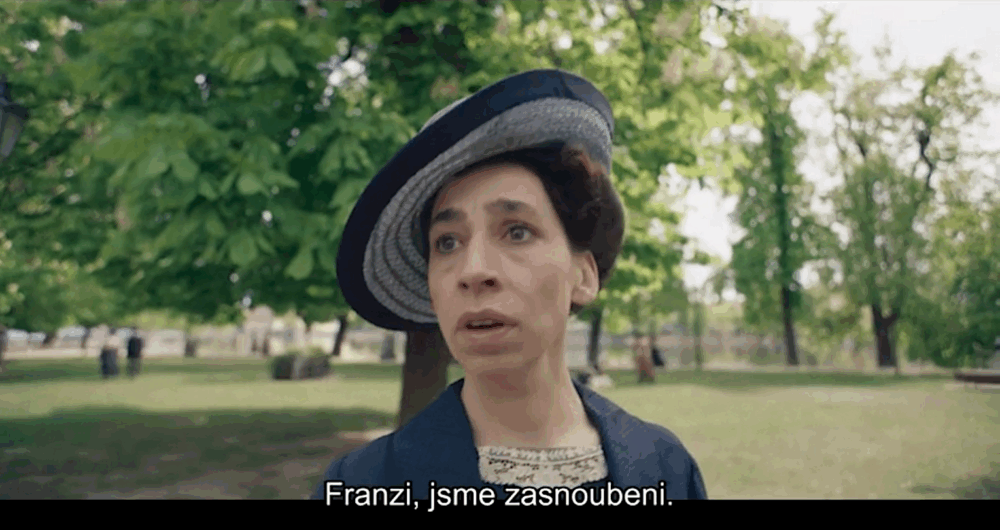
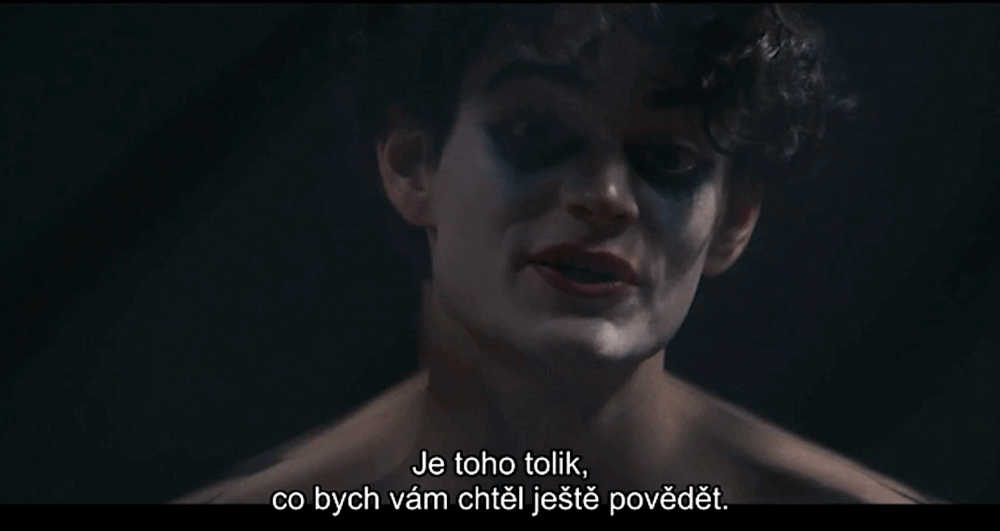
As a filmmaker Agnieszka Holland is, however, a maximalist, to both her benefit and detriment – as one can see in some of her best films like Europa, Europa, In Darkness, and Green Border.She is at her best in complex scenes like the dramatization of In the Penal Colony. The set-piece is brutally gruesome, darkly comic, and viscerally ambitious. It evokes not just what made Kafka unique, but also how his sensibility has proliferated throughout all genres of art over the past century, from the surrealists of the ’20s to the grindhouse cinema that followed a few decades later.
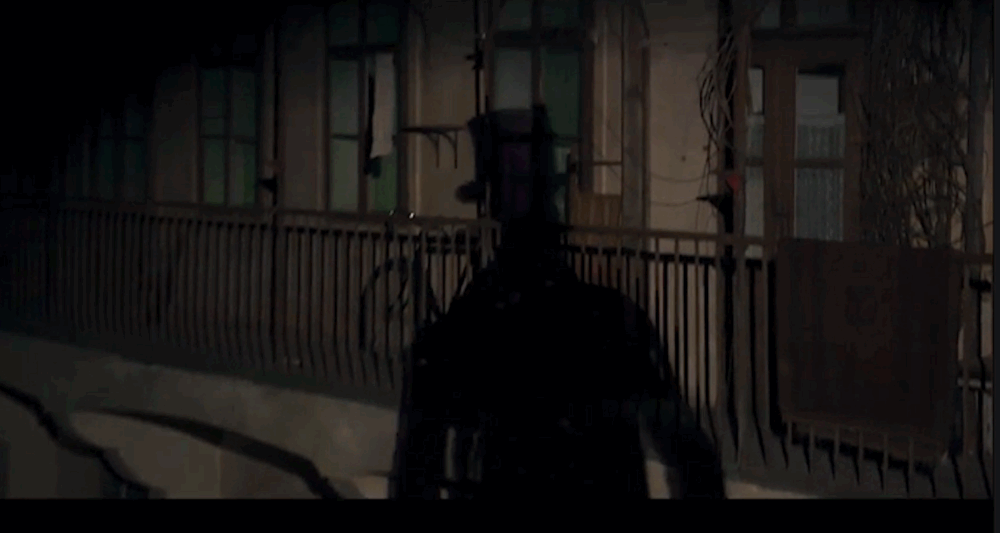
Agnieszka Holland uses stylings of expressionism and magical realism found in Kafka’s own work to tell his story. In the opening scene, a large shadowy figure looms over Kafka. He runs into a mysterious double on a busy street. Throughout the movie his body goes through weird changes and takes on animal traits. But the weirdest and simultaneously most interesting element screenwriter Marek Epstein has brought to this biopic, and the most horrifying one to deal with for Franz Kafka, is the future that keeps intruding into the film and confronts Kafka with his own legacy.
We first see young Franz with a view of a barber from behind, busy on the job. At first, the camera focuses on the barber’s shoes and the hair which falls to the floor. We then see a boy with a particularly brutal pudding bowl haircut in the barber’s chair. The boy’s face is replaced by that of the older Franz Kafka. We are often flitting between Kafka’s adult and childhood life, and occasionally the post-Kafka present. Several characters occasionally break the fourth wall and talk directly to camera.
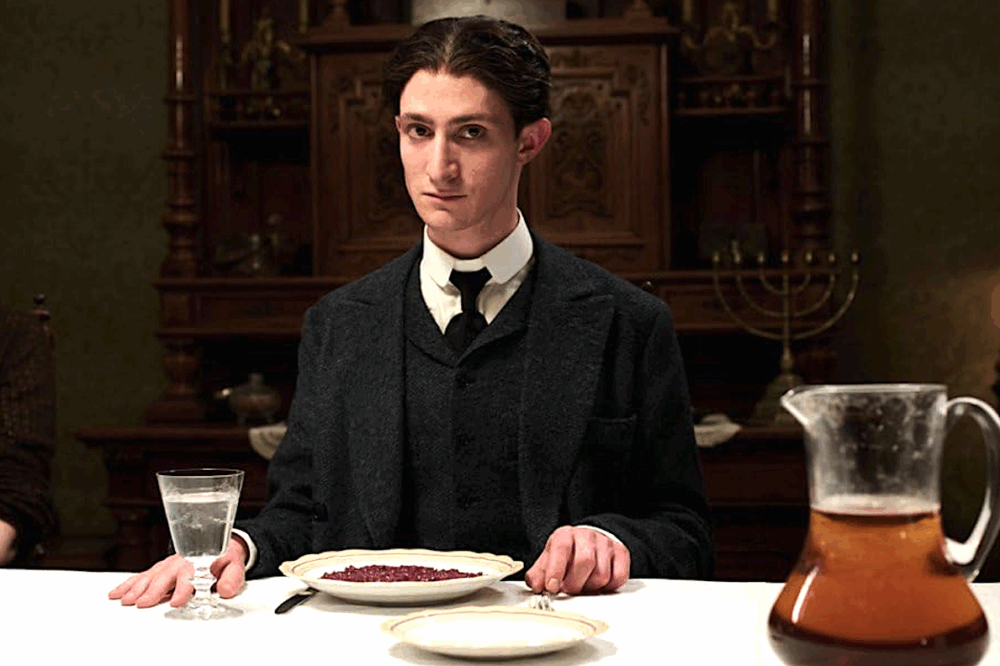
Hermann Kafka is annoyed because one of his accountants has walked out on him. Kafka’s father switches between denouncing the man as a dangerous Leftist and stating how absolutely essential it is to win the man back. Hermann orders his son, Franz, to drop everything and win him back. Franz meekly agrees immediately, but Hermann still accuses him of treachery. Even when Franz’s sister Ottla (Katharina Stark) reminds Franz that he’s supposed to do a public reading tomorrow, he does what his father tells him.
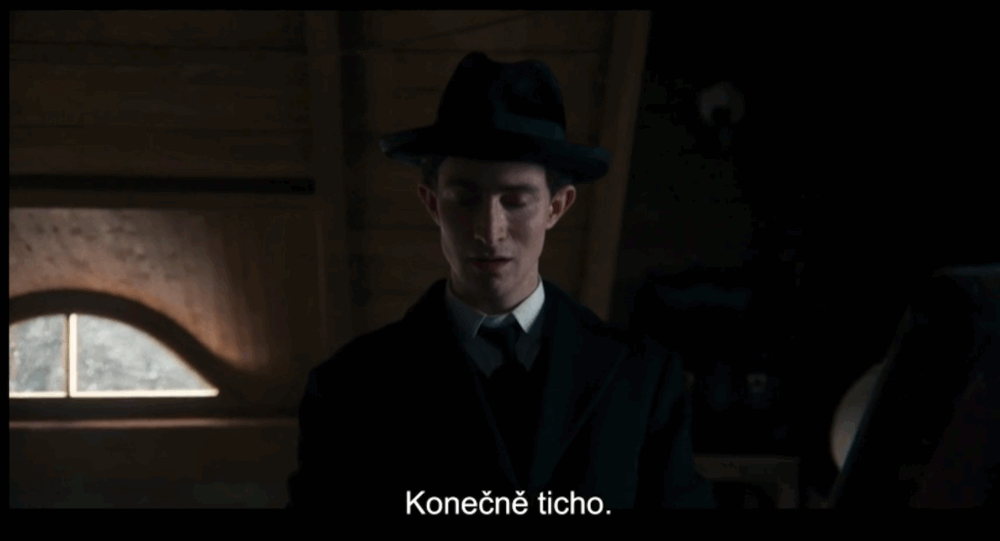
Franz’s day job is as an insurance agent for the Workers’ Accident Insurance Institute for the Kingdom of Bohemia. He works in a large faceless building, whose great advantage is the paternoster lift in which a memorable image of Kafka descending below our sight level is filmed. He almost sleepwalks into an affair with the poor Berliner Felice Bauer, the third cousin of his friend and agent Max Brod. Franz’s bourgeois parents think that Felice is beneath them, thus further alienating their son.
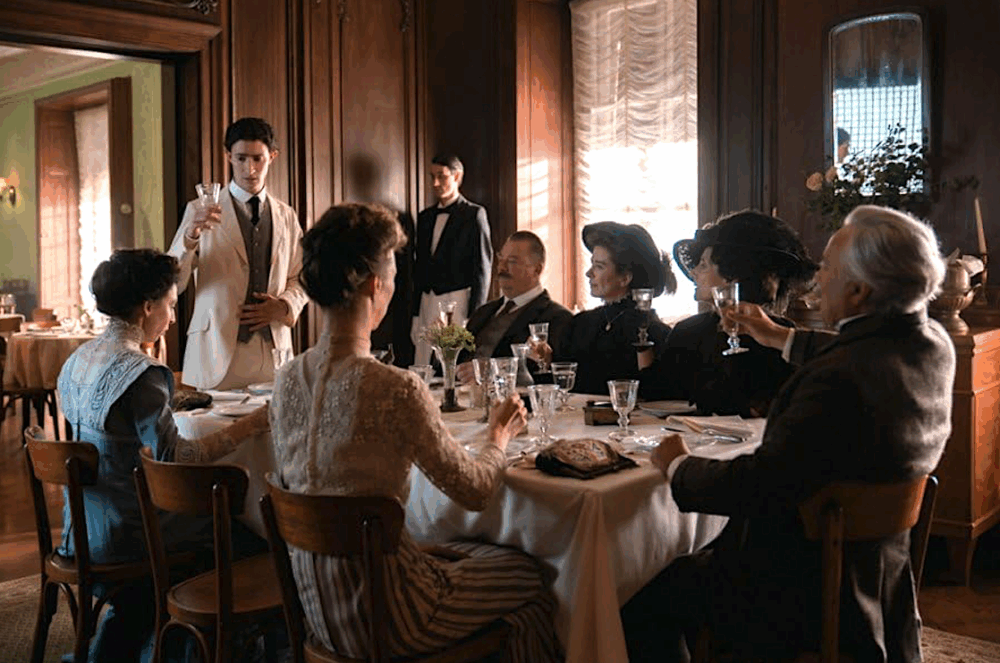
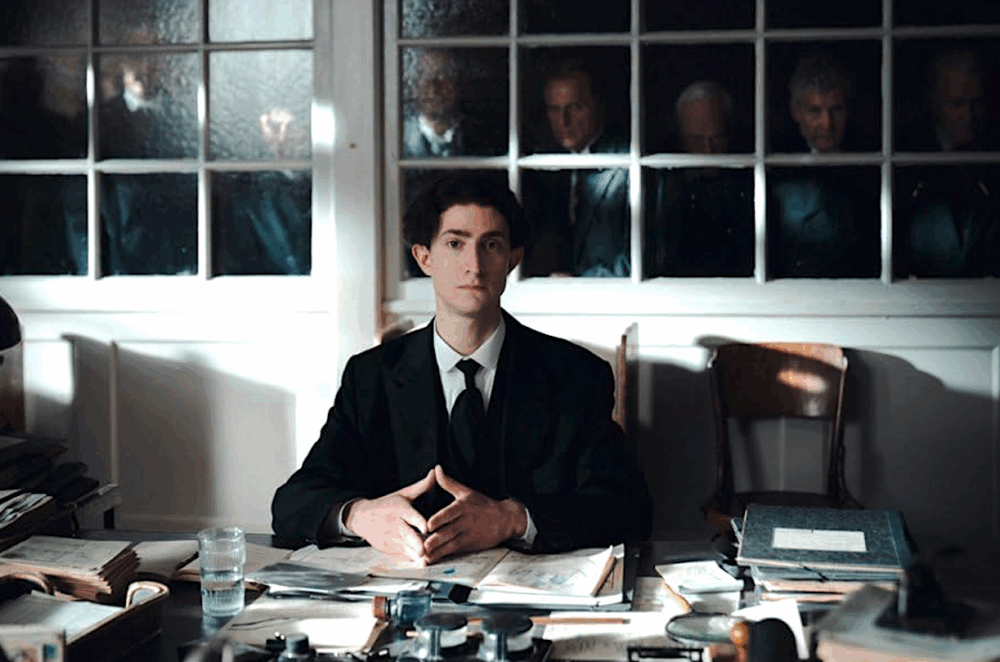
After he moves out of his parents’ house and is left alone in his room, Kafka can’t shake the feeling that he’s being watched. Looking into his room are visitors of the Franz Kafka Museum in Prague that is erected around his room in modern times. Agnieszka Holland directly confronts Franz Kafka with the image people would turn him into many years later. I
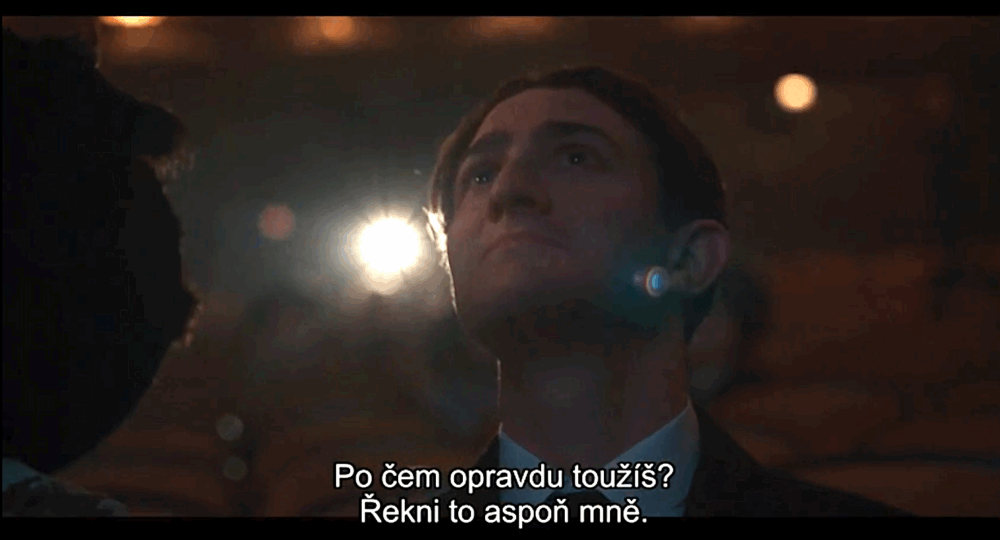
n order to understand Kafka, you first have to accept the high probability that he was on the autism spectrum at a time when no one knew such a thing even existed. I realize that it’s impossible to diagnose anyone posthumously but at least consider the possibility and be open minded to understanding that detail is the gateway to understanding Kafka at the meta level. As Kafka put it: “I was ashamed of myself when I realized life was a costume party and I attended with my real face.”