LA Opera’s James Conlon and California baritone Craig Colclough unite for a triumphant, laughter-filled Falstaff at the Dorothy Chandler Pavilion
By John Lavitt
Los Angeles, CA (The Hollywood Times) 04-22-2026
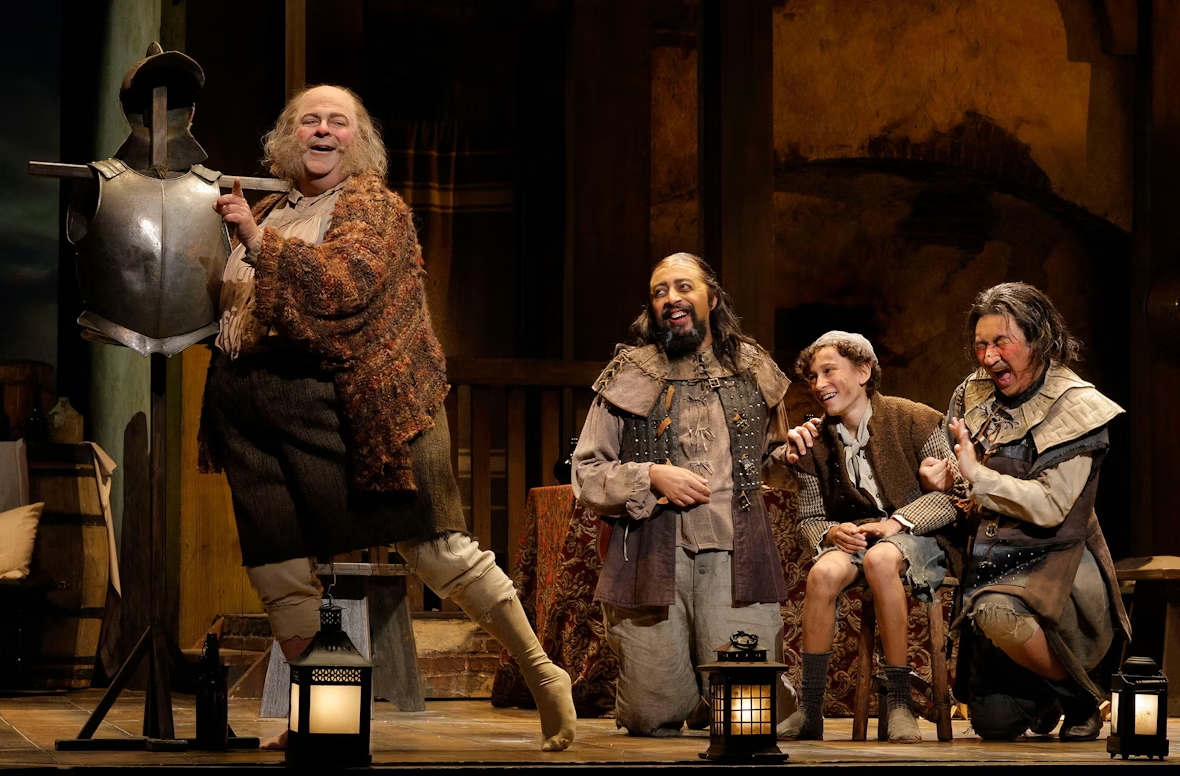
At the Dorothy Chandler Pavilion, LA Opera’s 2026 staging of Falstaff arrives not as a museum piece, but as a vibrant comedy of ego, appetite, and consequence. At its center stands Craig Colclough, whose Falstaff is less a caricature than a force of nature—boisterous, shameless, and irresistibly human.
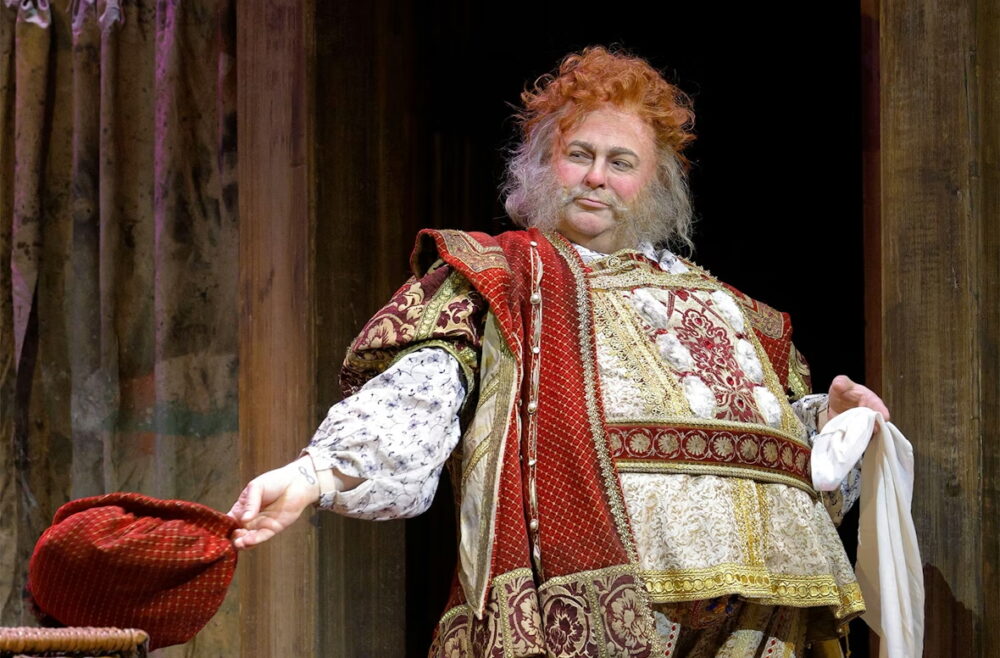
Colclough’s performance drives the entire production. From his first entrance, he commands the stage with a swagger that feels earned, not imposed. His Falstaff for the LA Opera is raucous and ribald, yes, but also disarmingly charming — a rogue who fully believes in his own mythology.
Vocally, Colclough balances Verdi’s late-career finesse with a muscular, expressive baritone that never sacrifices clarity for bravado. Every phrase lands with precision; every comic beat is grounded in character rather than shtick. The result is a Falstaff who invites laughter without ever begging for it.
That command is no accident. Colclough’s past collaborations with Gustavo Dudamel — from Timur in Turandot with the Simón Bolívar Symphony Orchestra to Beethoven’s Ninth with the Los Angeles Philharmonic — have clearly honed his ability to merge vocal authority with theatrical instinct. His earlier turn as Figaro under James Conlon in The Marriage of Figaro (2022) revealed this balance, but here his talent fully blossoms.
And Conlon, in his 20th season as Music Director, proves the ideal partner. Conducting one of his beloved scores, he shapes Verdi’s intricate ensembles with precision and warmth, allowing the comedy to unfold organically rather than forcing it. There is a sense of culmination in his work here — a seasoned maestro savoring every turn of phrase, every orchestral wink. His upcoming transition to Conductor Laureate only underscores the significance of this moment: a final chapter written with unmistakable authority.
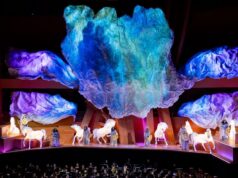
Together, Colclough and Conlon create the production’s beating heart. Around them, the ensemble — Nicole Heaston, Ernesto Petti, Hyona Kim, Deanna Breiwick, and Anthony León — delivers a lively, cohesive performance, while Lee Blakeley’s classic staging and Adrian Linford’s sumptuous period designs provide a visually rich Windsor.
Indeed, you will feel transported back in time to a lost age when a man of such tremendous appetites as Falstaff could live and, at times, even thrive.
Yet it all circles back to Falstaff himself. In Colclough’s hands, the aging knight is not merely the butt of the joke but its architect, undone not by others but by the glorious excess of his own appetites. In this final flourish of Verdi’s career, laughter becomes something deeper: a recognition of folly, shared and enduring.
After all, every once in a while, most of us see Falstaff staring back at us in the mirror as we contemplate our next questionable plan to conquer the world and prove to everyone that we are worthy of love and fulfillment.