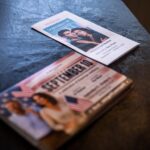
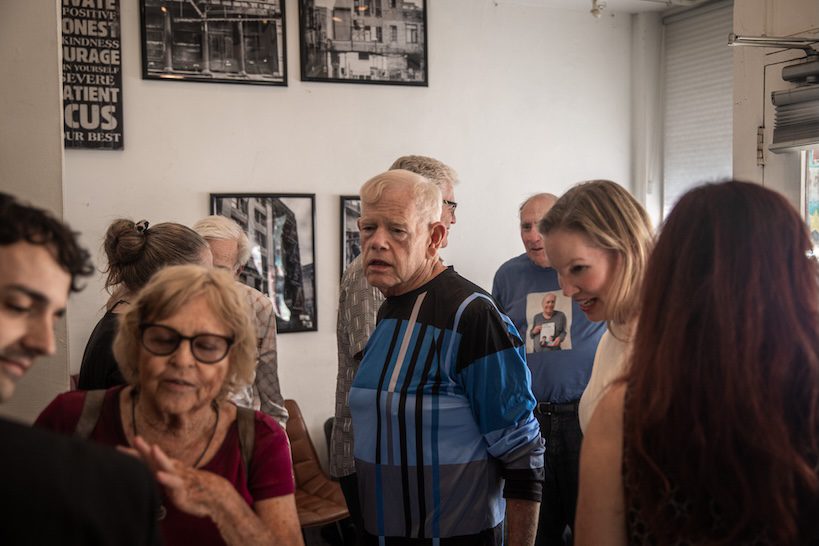
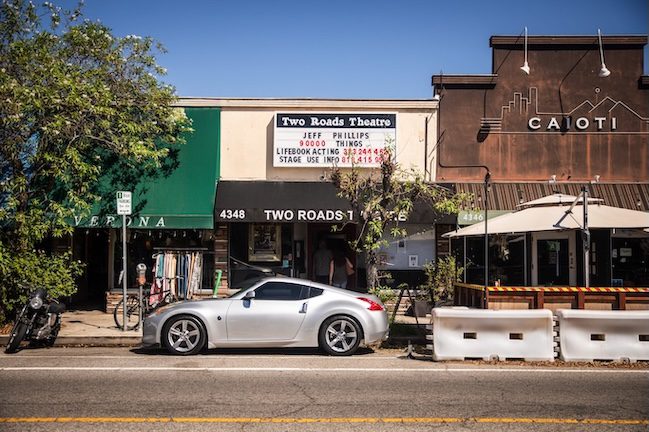
Studio City, CA (The Hollywood Times) 9/10/2026 – I arrived at the Two Roads Theatre in Studio City just in time to take in the atmosphere, meet the people and experience the character of this intimate venue on Tujunga Avenue. The Sunday matinee began at 3 p.m., but before the performance, guests had an opportunity to mingle with the playwright, director and patrons—many of them dedicated members of Los Angeles’ theater community—on the comfortable couches in the lobby.
After walking through the space, I couldn’t help imagining the plays, musicals, cabarets and other events that would be ideal for this black-box theater. With its close-up views, excellent acoustics, pedestrian accessibility and creative atmosphere, the Two Roads Theatre feels like a home for artists and audiences who are passionate about live performance. I hope more producers discover and utilize this unique venue.
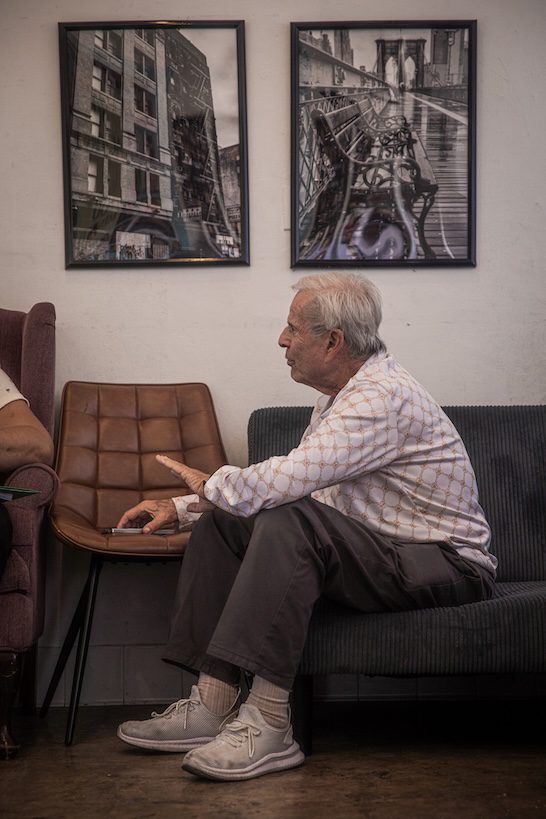 Before the show, I spoke with playwright Art Shulman, whose hands-on approach to the production was immediately apparent. The performance marked the 25th anniversary of the September 11 attacks. In the playwright’s note included in the program, Shulman describes how “the United States was devastated by the attack on the World Trade Center and Pentagon” on September 11, 2001, leaving him, “like many people … dazed, frightened, wondering [and] angry.”
“Over the next few months I watched many, many hours on television, not just news coverage, but how others were dealing with the attacks, and how it affected ordinary lives,” Shulman writes. “I started writing this play, and so many of the events described in the play are heavily based on what I saw, with some imagination thrown in.”
The beauty of September 10th is that it deals with real-life events through imagined circumstances that help fill in the blanks and allow audiences to draw their own conclusions. Rather than advancing a political agenda, the play searches the American consciousness for “what if” scenarios and unanswered questions about human nature, good and evil, faith and resilience. Before the performance began, Shulman offered one final message as a storyteller, calling 9/11 perhaps the single most important day in contemporary American history. He invited us to remember what we saw and how we felt as we faced the tragedy together.
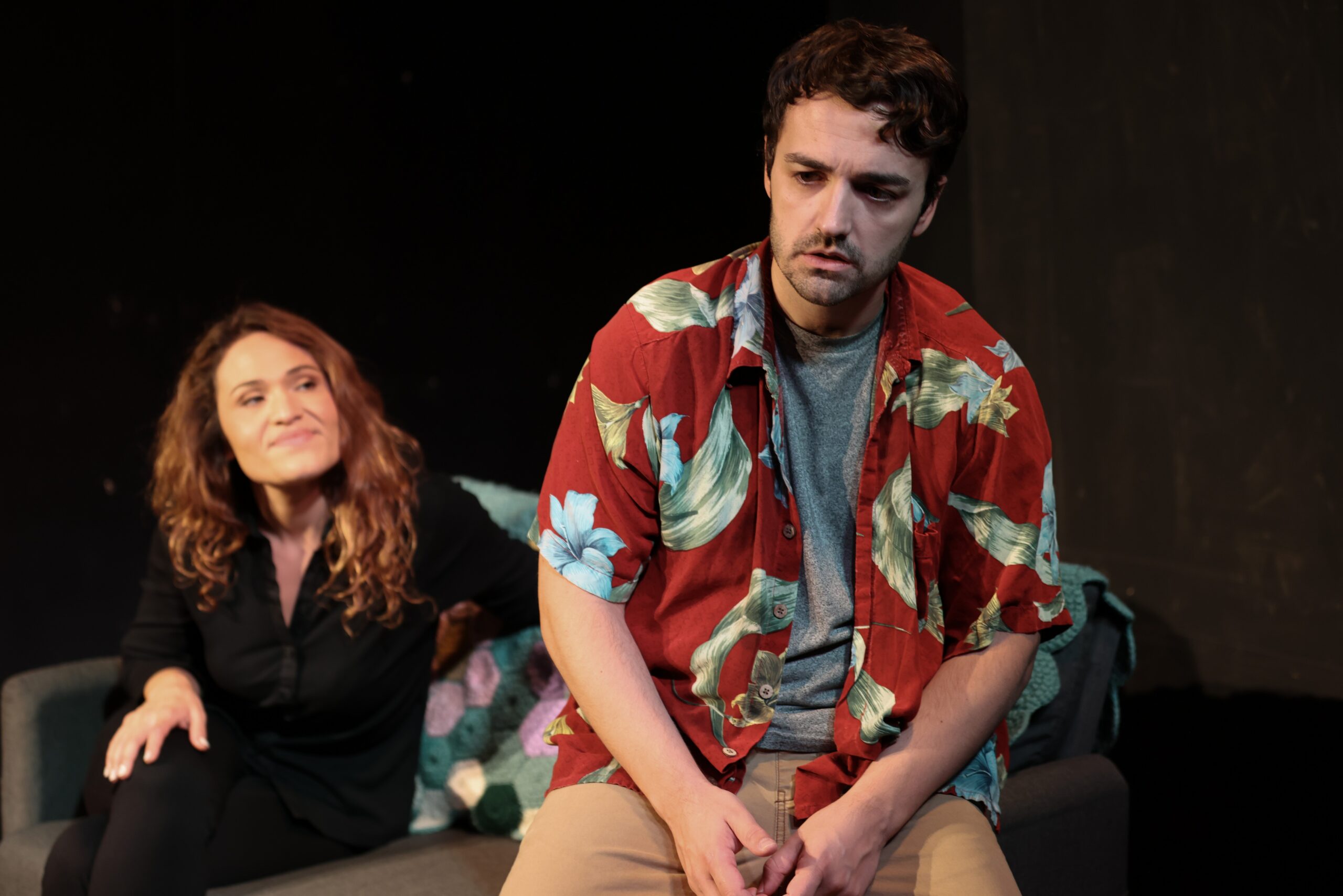
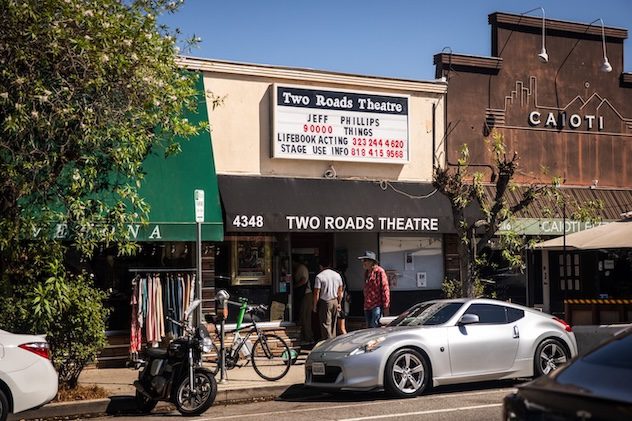 Dan, played by the extremely likable and consistently entertaining Skel Osmani, opened the show by lying on the floor and working out—a fitting introduction to the physical and emotional endurance demanded by this two-act play with one intermission. Like an athlete, Osmani carried himself, his scene partner and the brilliant ensemble through an ongoing performance marked by continuous action and character development.
Tammy Mora’s portrayal of Jodi was equally powerful and set the tone for the entire piece. Although Jodi is presented, flaws and all, as a fairly straightforward character, Mora brings her a nuanced complexity that makes her relatable to the women in the audience and understandable to the men watching this couple navigate their relationship against the backdrop of disturbing current events.
Expertly written, September 10 transcends the page by exploring questions at the heart of the American experience: Should authority figures be questioned? Will life ever be the same? Simple yet powerful scenes center on Dan and Jodi in the living room of their home on the day before September 11, 2001. Their private lives are interrupted by breaking-news reports delivered by Michael Berckart, an impressive actor who serves as the narrator of the events that follow the attacks.
 Berckart brings depth and emotional maturity to the role, creating a reassuring presence as the audience processes the unfolding tragedy. The play begins on September 10, 2001, as its title suggests, and continues over the two months that follow. Using the framing devices of a relationship in crisis and a live news broadcast, the production follows this Los Angeles couple as they watch the aftermath of September 11 unfold on television from the opposite coast.
A conversation about intimacy and love develops into an allegation of adultery, but the conflict is handled realistically. It never becomes overwrought or slips into melodrama. Throughout the performance, I noticed that the cast appeared genuinely moved by the material and its subject matter. There was a particular look in the company’s teary eyes that seemed to tell the audience it was acceptable to express what we felt—to grieve, celebrate and remember an important day in American history that can easily become overshadowed by political polarization.
Instead, September 10th presents multiple points of view and imagined scenarios that ask the questions that have haunted Americans since that day. The play encourages debate about patriotism and democracy without insisting on a single answer. Theater is an adaptable and provocative medium, capable of escorting audiences into a kind of think tank where everyone has room to make sense of a senseless tragedy.
 Shulman won me over by fearlessly entering territory that many writers might avoid. He does not calculate every moment for an easy laugh or applause. By refusing to ignore difficult questions and remaining inclusive of different perspectives on September 11 and its aftermath, he earns the audience’s trust—an invaluable feat in a work of this nature.
In the right hands, a script like this becomes a catalyst for exceptional acting and genuine connection. As we move beyond our individual experiences and begin to think collectively, the boundaries between what belongs to one person and what belongs to another become blurred. We become part of the much larger “melting pot” of thoughts and feelings that defines America.
The play demonstrates this through two people—a man and a woman—who navigate the dangerous, uncharted territory of love. Dan and Jodi depend on each other, especially in the aftermath of tragedy. Over time, they begin to heal by confronting their problems and experiencing the events of September 11 together, forcing them to reevaluate their lives and their relationship.
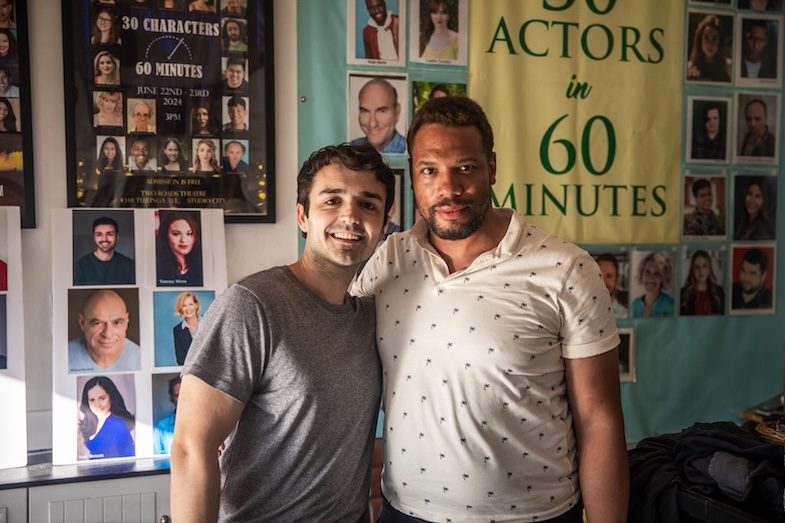
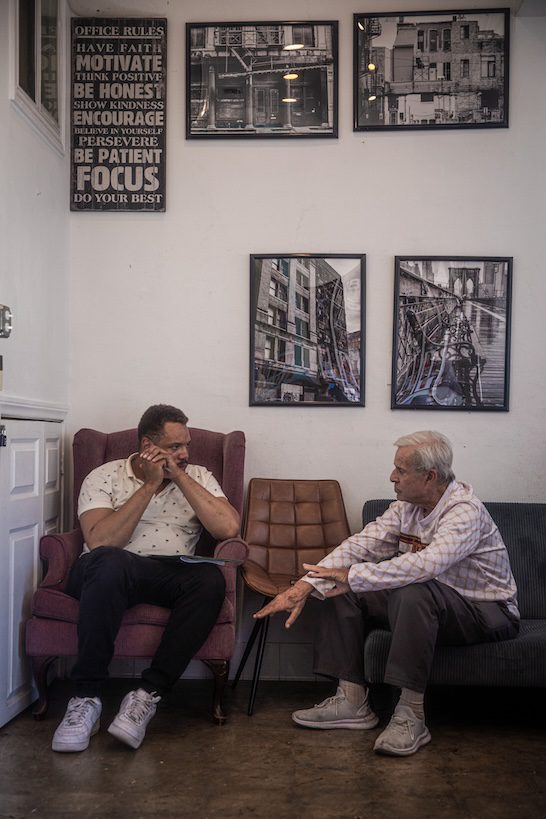
 Before the performance, director Stan Mazin gave me insight into the production and shared stories from his distinguished career in entertainment, which began as a dancer on Broadway. He spoke about working with Chita Rivera, acting alongside Carol Burnett, performing at the Tony Awards and dancing for Janet Jackson. Conversations like this are part of what makes a Sunday matinee at the Two Roads Theatre so special: They reveal the depth and diversity of Los Angeles’ theater community.
Our candid conversation brought new meaning to my work and reminded me why I was there in the first place. Mazin had the difficult task of addressing the script’s many elements while finding staging that showcased the ensemble’s talents. His background in musical theater and television served him well, particularly in the production’s varied acting styles, which range from choral moments to passionate, character-driven monologues.
Fortunately, this was not Mazin’s first time working with Shulman or directing September 10th. He also directed the play for the Group Rep’s 10th-anniversary revival in 2011. The chemistry between playwright and director is best understood as that of two old friends reuniting to bring the play’s timeless message back to the stage.
Their collaboration is ultimately an artful compromise: Shulman advocates for his script while Mazin finds new ways to stage its action, give life to every character and address the many topics on display.
 Each ensemble member brought a distinct character and perspective to the production, proving that there are no small parts. Working together, the actors brought out the colors in one another’s performances while continuing to paint the larger picture of American life before and after September 11.
Harout Yesayan’s portrayal of an American Arab was especially memorable. His character’s pride and patriotism eventually make him the target of a hate crime, and Yesayan’s steady performance felt genuine, particularly for an actor making his theater debut.
Jane Bonem’s clever street vendor provided a welcome breath of fresh air. She provoked laughter with a sharp speech about consumerism while selling American flags—and Rolex watches—to support her own version of the American dream.(Insert – Photo #20)
Morry Schorr was another standout. As the businessman and sports reporter, he displayed the stage presence of a seasoned veteran and delivered both roles with finesse. His polished performances helped anchor the ensemble from his first appearance to his last. Schorr has previously appeared in several of Shulman’s plays, including Bias, The Rabbi and the Shiksa, Bagels and I’m Not Just a Comic Genius.
Genny Wilson offered a heartfelt portrayal of a guidance counselor who needs someone to talk to herself. Wilson’s performance was honest and captivating as she introduced the character and slowly unraveled in a teary-eyed speech—a beautiful moment that reminded us it is alright not to be okay.
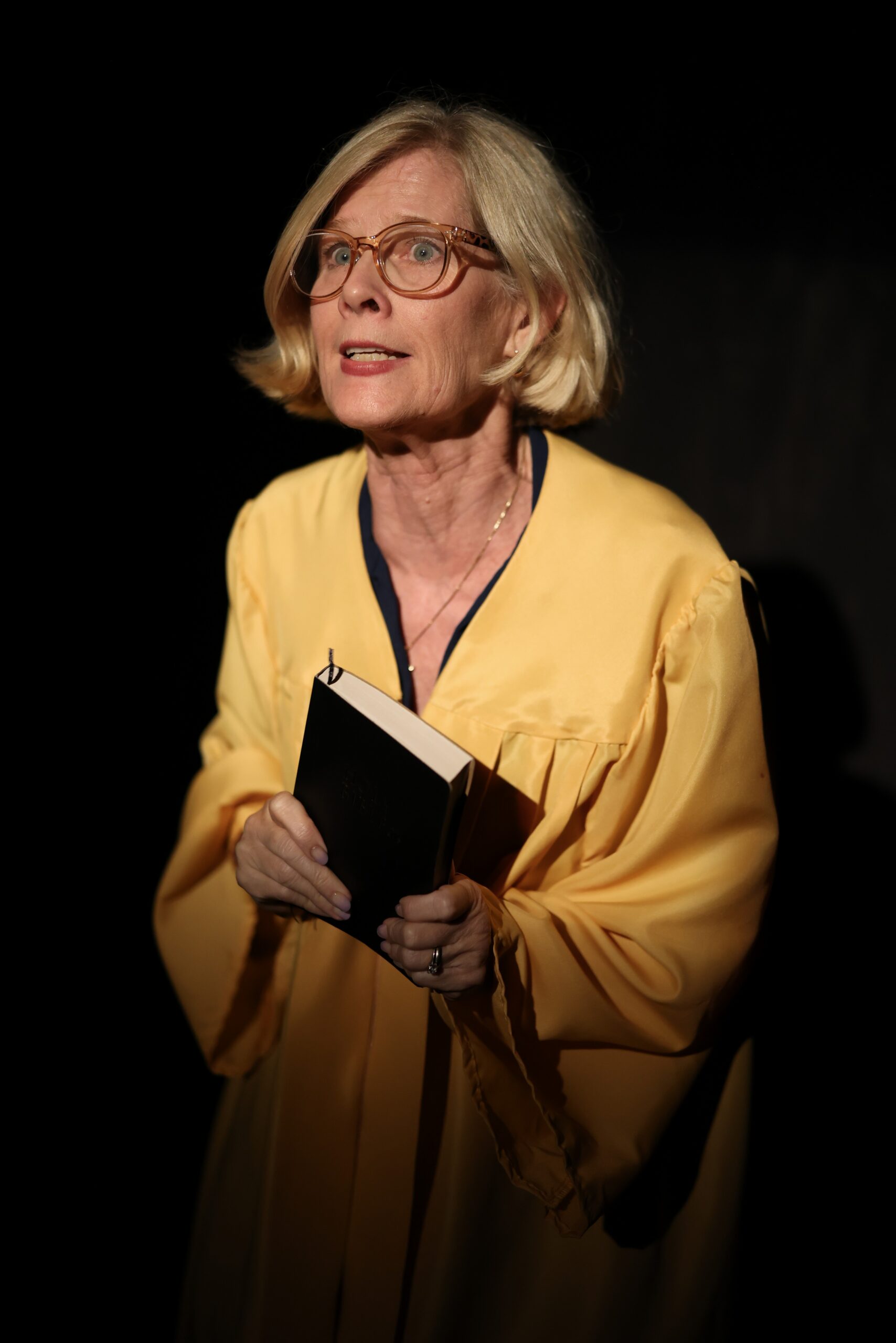
 Jillian McWhirter’s turn as a churchgoer and later as an evangelist sent chills up my spine. She transitions from a well-meaning mother and wife who rediscovers her faith into a fire-and-brimstone preacher who spreads fear and hatred among her congregation. McWhirter is a versatile actor, and her appearance in a production of this kind was especially welcome.
Ezra Black and Marcia Woodridge also delivered memorable performances as they juggled multiple roles throughout the show. Alongside Andrew Edmonson, who played several parts with a level of commitment the audience could not help but notice, they moved through a series of powerful vignettes and monologues. From a Red Cross worker to a tagger/graffiti artist to a firefighter searching for his brother at Ground Zero, the performers created a colorful tapestry of American life.
The simple set design was highly effective. It kept entrances and exits clear and helped organize the actors as they moved between multiple roles, ensuring that the audience was never confused about who was coming or going. That clarity allowed the performances—and the play’s difficult questions—to remain at the center of the experience.
 The lighting design helped guide the audience toward the action and signal important moments while creating smooth transitions from scene to scene. The costumes were appropriate to each character and never distracted from the work onstage, while also helping us recognize the passage of time.
Sound was never an issue in the theater’s intimate space. The powerful acoustics, sound effects and music established the tone from beginning to end. The choice of “Fallin’” by Alicia Keys at the top of the first act was particularly effective. The song foreshadowed the play’s themes and brought us back to the summer of 2001, when it appeared on Keys’ debut album, Songs in A Minor, a few months before the September 11 attacks.
With its intimate staging, committed ensemble and willingness to engage with complicated emotions, September 10th offers audiences more than a historical reflection. It creates a space to remember, question and connect—and demonstrates the enduring power of theater to help us process the events that shape us.