Joshua Tree 1-30-26
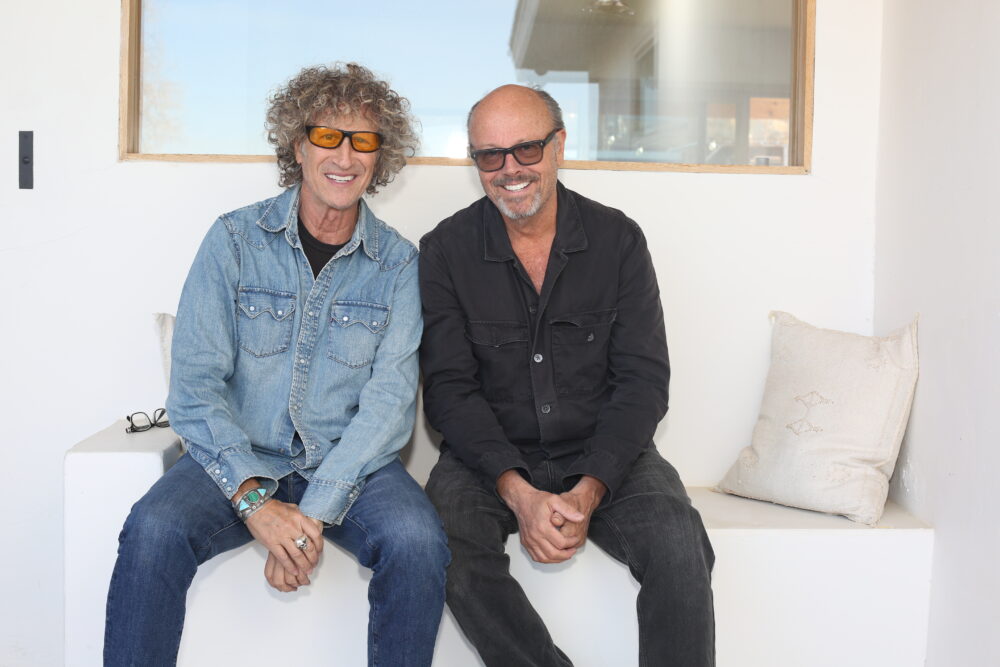
Jimmy Steinfeldt: How often do you clean your lens?
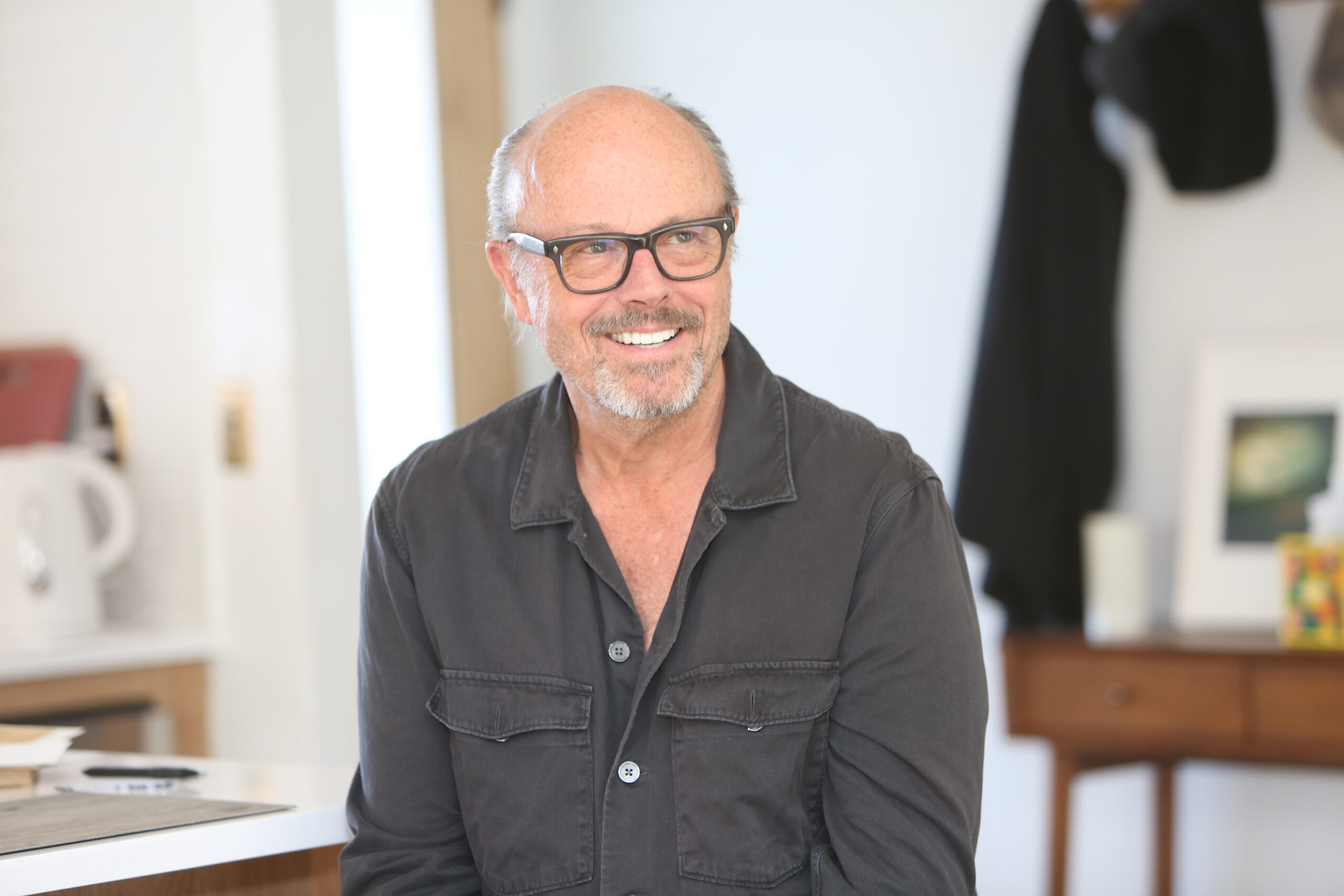
Andrew Eccles: Funny you should ask. Just before you arrived, I cleaned my glasses because I’m very particular about being able to see the world clearly. That applies to my camera lenses, my phone, and computer screens. To a degree that may be symbolic of how I see. My photography has been described by some as technically perfect, clear, and crisp. Focus is important to me. I also admire photographers whose work is softer by using shallow depth of field but my work is pretty sharp front to back.
JS: And beautiful it is. What photographers influenced you?
AE: The first was Arnold Newman. I may have learned about him in a photography class. What I loved about his work was that it introduced me to the idea of taking pictures of people inside a structured setting. It seemed like a beautiful solution. His work is like architectural photography; he would find an interesting location then place the subject somewhere in that location. It was less about making a connection with the person and more about composition. This approach appealed to me because at the time I was a shy kid and a little afraid to photograph people. Ironically now it’s one of the most common things I hear about my work; how comfortable and connected to the camera my subjects look.
When I was in Art College I had a framed poster in my dorm room of an Irving Penn photograph of Woody Allen as Charlie Chaplin. The other work of Penn’s I’d seen was beautiful but simple, this photograph was conceptual, which unknown to me, was something I’d revisit later working with Annie Leibovitz, who I believe is the matriarch of conceptual portraiture.
Another photographer that influenced me back then was Jerry Uelsmann. One of his most famous images is a black and white photograph of a tree floating in the sky over a lake. Today we would look at his work and say it must be photo-shopped but he was doing double exposures and making collages in the dark room. I was also drawn to album cover photography that I later discovered was created by Hipgnosis, a design team in London. Pink Floyd’s album Wish You Were Here is one of their best known covers. I studied that cover for hours. How did they get that guy on fire? Led Zeppelin’s Houses of the Holy was another one that blew me away. They all had this surreal combination of photography and illustration and I thought what an amazing thing to do for a living; take photographs that end up on a physical thing like an album cover.
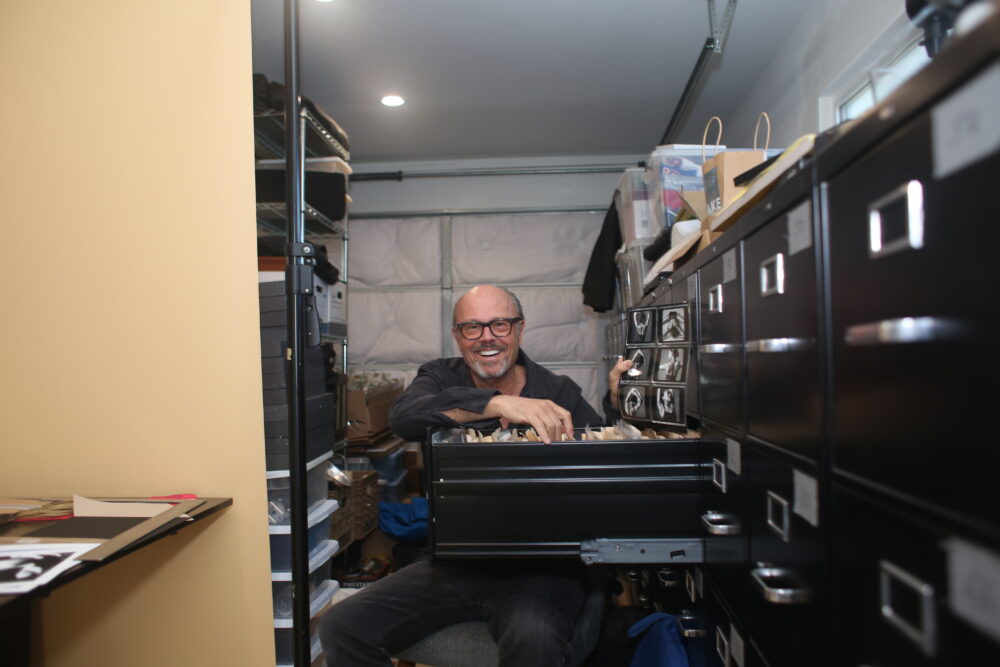
JS: You worked with three legends in the business, Annie Leibovitz, Robert Mapplethorpe, and Steven Meisel. What was that like?
AE: I worked with Annie full time for three years and then with the other two on a freelance basis afterwards. I don’t know if it was destiny, fate or some predetermined path but it certainly was a weird coincidence that I ended up at age 22 in Annie Leibovitz’s studio.
The brief backstory is that I grew up in Canada and my parents took us to Hawaii on vacation. Maybe they had a few too many Mai Tai’s but they decided to move there! We all got Green Cards so I could go back and forth to Canada attending High school in Vancouver, Art College in Toronto then eventually moving to New York. I met up with a Canadian friend who had gotten a job working for the photographer Hiro. That friend sent his resume to Annie who loved Hiro’s work and she hired him on the spot. My friend pulled me in as 2nd assistant, he got fired, and I ended up being Annie’s first assistant for the next three years. This was after her time at Rolling Stone when she’d just begun shooting for Vanity Fair. She had a small studio, it was just me, a studio manager, and Annie. I got to see firsthand a professional photoshoot from inception all the way through its final execution. It was like a light turned on, I realized what I had wanted to do with photography all along. In Art College I would come up with these little ideas, they weren’t any good, but I was trying to make pictures not take pictures. And here I was working with and learning from one of the best at making pictures. In my opinion Annie might be the greatest portrait photographer of all time.
After Annie I worked with Robert Mapplethorpe and Steven Meisel. I got access because they were both represented by Annie’s prestigious agency Art and Commerce. Working freelance was less stressful, I didn’t always have to get up early and work through the night like I had for Annie. All three photographers had such different ways of working. One day Mapplethorpe did one of his masterful Still Life photos of flowers. It was so calm. Working with Annie was always so intense but that was her method, it’s what she felt she needed to get the shot. Robert was completely opposite, mellow, relaxed. We’d set up his lights and blend them with the sunlight coming through the levolor blinds of his 23rd St. loft. He’d shoot a polaroid then sit back, contemplate, then slowly shoot some film. I worked on fashion shoots with him and a couple of cigarette ads. Sadly, he was quite sick by then but still had that sexy bad-boy attitude and dry sense of humor.
Steven Meisel was a bundle of energy. He wore a black hat, had hair down to his waist, and ran around the studio with a long cable release, putting on records, turning them up really loud and yelling directions at whatever supermodel was leaping across the cyc. I would stand over a Hasselblad camera on a tripod desperately trying to focus while famed hair stylist Oribe handled two giant wind machines and whacked the girl’s hair with brushes. It was like performance art. It was a completely different way of working. I was really fortunate to have worked with such brilliant diverse photographers
JS: Steven’s way of working reminds me of a New York version of my friend Norman Seeff.
AE: Yep!
JS: How did you land your first shoot when you opened your own studio in 1987?
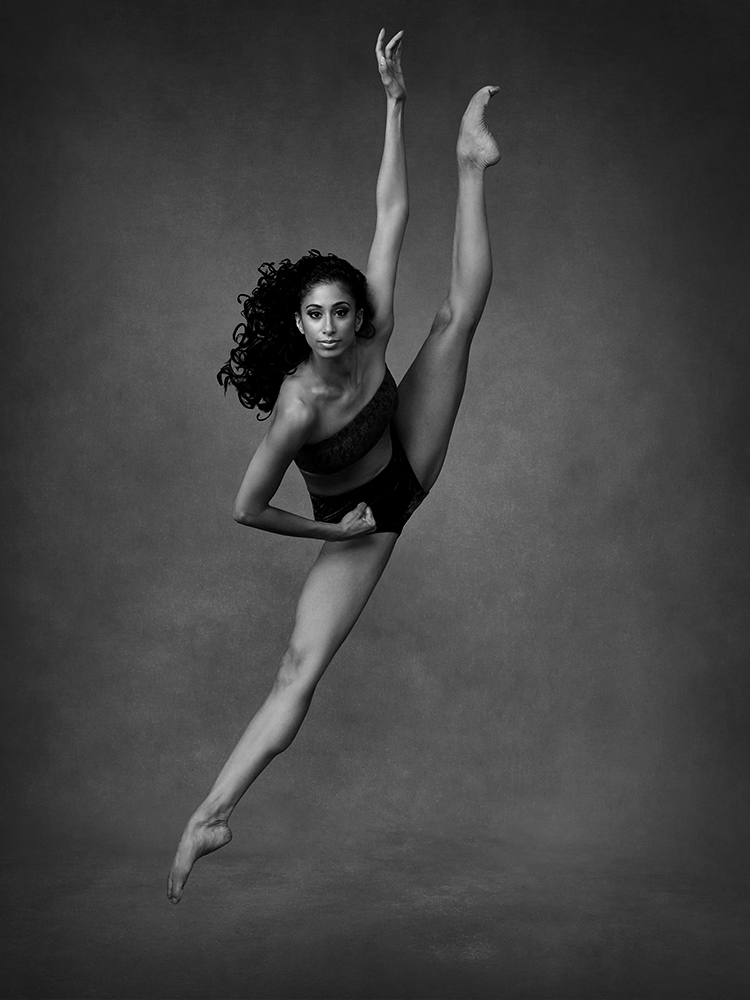
AE: My first shoots came from my association with Annie. She had shot a dance company and their manager came to me knowing they couldn’t afford Annie and asked me to shoot for them. They had no money but I did it and it went well. After the shoot I got the phone numbers of all the dancers and did test shots of them. My early portfolio was almost all dancers in tights. This led to getting jobs shooting fitness and exercise for women’s magazines, which led to a beauty shoot, which led to an actress, which all led to where I am now.
Before I left Annie, the famous Japanese art director Eiko Ishioka asked Annie to do a self- portrait for a Fashion ad. We went to the Caribbean to shoot, Annie set up her self-portrait but I pushed the button. At the end of the day Annie seemed in a good mood so I said “Hey Annie you look amazing why don’t we take some shots of you near the water.” She was wearing a hot-pink coat and the sea was turquoise. I had Annie stand knee deep in the water and we did a bunch of portraits. That ended up being the picture they used in the ad. The next year after I’d left, Eiko came to me to shoot that year’s campaign. She decided I was a good enough technician to execute her idea so I shot this huge campaign that ended up all over Tokyo. So much goes back to working with Annie.
JS: Andrew you and I may have met back in 1984 when Annie came to Minneapolis and signed my copy of her book with her hand print.
AE: I probably brought the books and certainly brought the ink pads.
JS: Besides photographers who influenced your photography?
AE: The film director Stanley Kubrick. When I was young my parents took me to 2001: A Space Odyssey. It is not a kid’s movie, terrifying in fact. I remember being moved by it though. Even as a kid I saw that Kubrick was holding a frame and having people move through it. I learned later that he was an accomplished still photographer.
JS: I went to his exhibit at LACMA. They had set up a giant exhibit table with his cameras and lenses under glass. Each piece had a description card. One which said the item was custom built to his specifications. It was explained that some of the things he wanted to photograph couldn’t be done unless this special item was made for him.
AE: He used that technique a lot; locking down the camera and holding the frame in one place, often using a wide lens from a low angle
JS: Like in Dr. Strangelove.
AE: Yes, and Wes Anderson does that a lot. He makes these beautiful symmetrical compositions, the camera doesn’t move, the actors do, it’s like a moving still photo.
I’m also influenced by painters and illustrators; Magritte, Edward Hopper, Andrew Wyeth, Ken Danby. Back in Art College I was gravitating towards painters who had a photographic look. I took painting and illustration and was always trying to create photo realism. I thought I wanted to be an illustrator and one of my friends took that path. I realized why don’t I just do photography instead. Looking back, I’m glad I did. I’ve spent my life flying all over the world and meeting all these interesting people instead of sitting at a desk drawing.
JS: What was your first camera?
AE: I started with a camera that my father gave me, a 35mm Pentax. I didn’t use it to just snap photos of my friends. I was already setting things up, moving things around in my bedroom. Then my dad would actually go to the expense of getting black and white contact sheets made. He gave me a grease pencil and let me crop them and then he got prints made. It must have cost a fortune! I used that camera through art college then got a really good deal on a ‘like new’ Mamiya RB67. The entire system was around 300 bucks. I eventually upgraded to the RZ67 and used it for virtually my entire film career.
JS: Your father was an accomplished photographer?
AE: He was a very accomplished amateur photographer. His pictures were really good. He was a businessman but he loved photography. He would take color slides of our vacations and then set up a screen and a carousel projector. He’d edit the slides in order and then our family would spend the night watching the presentation. It had an enormous influence on me, those pictures kind of permeated my soul. My dad took a wonderful photograph of my mom taking my sister for a walk in Vancouver after the rain. They’re both looking at their reflection in a puddle. It’s black and white and beautifully composed. It’s emotionally moving. Dad was good!
JS: What cameras are you using now?
AE: I changed from film to digital by first putting a Phase One digital back on my analog Mamiya camera. Those pieces never really talked to each other accurately but we made it work. Later Phase One put out their own camera which I used for a while until I tried the Hasselblad digital camera. That was my industry standard for many years until Fuji came out with the GFX. Now I’m shooting with that. I’ve always liked my Nikon film cameras too. I have a Nikon digital camera that’s my pick up and go camera for personal work.
JS: Tell me about photographing Jamie Lee Curtis, Ron Wood, and you also made Roger Ailes look like Alfred Hitchcock.
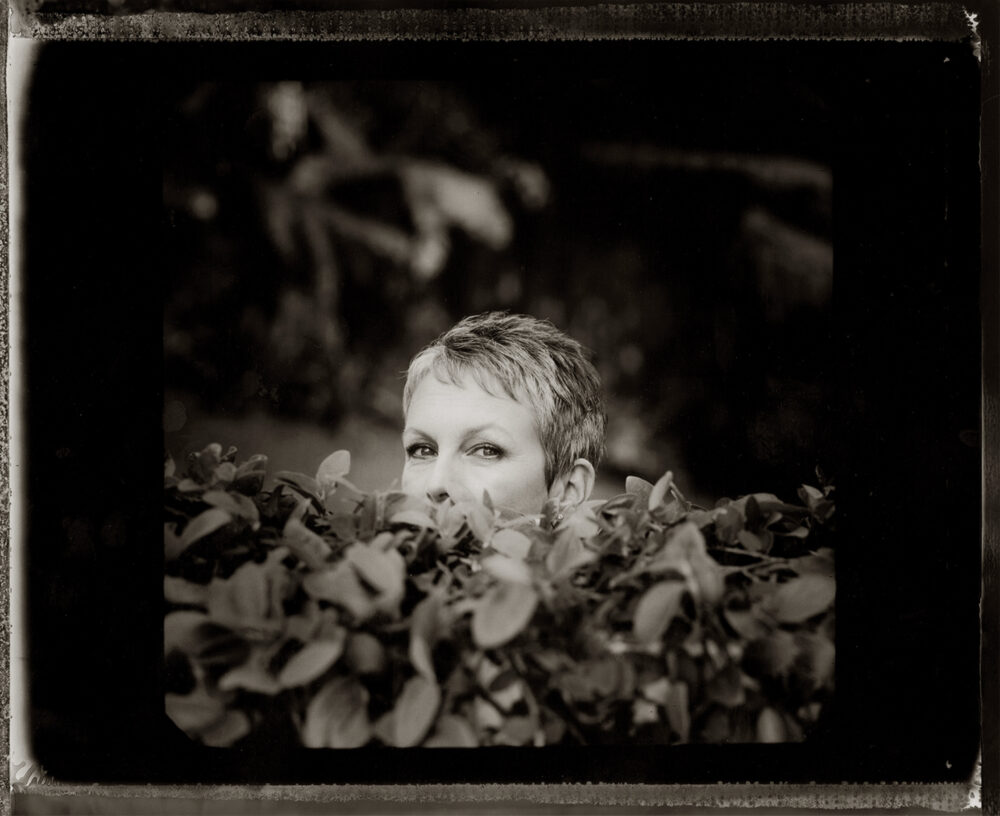
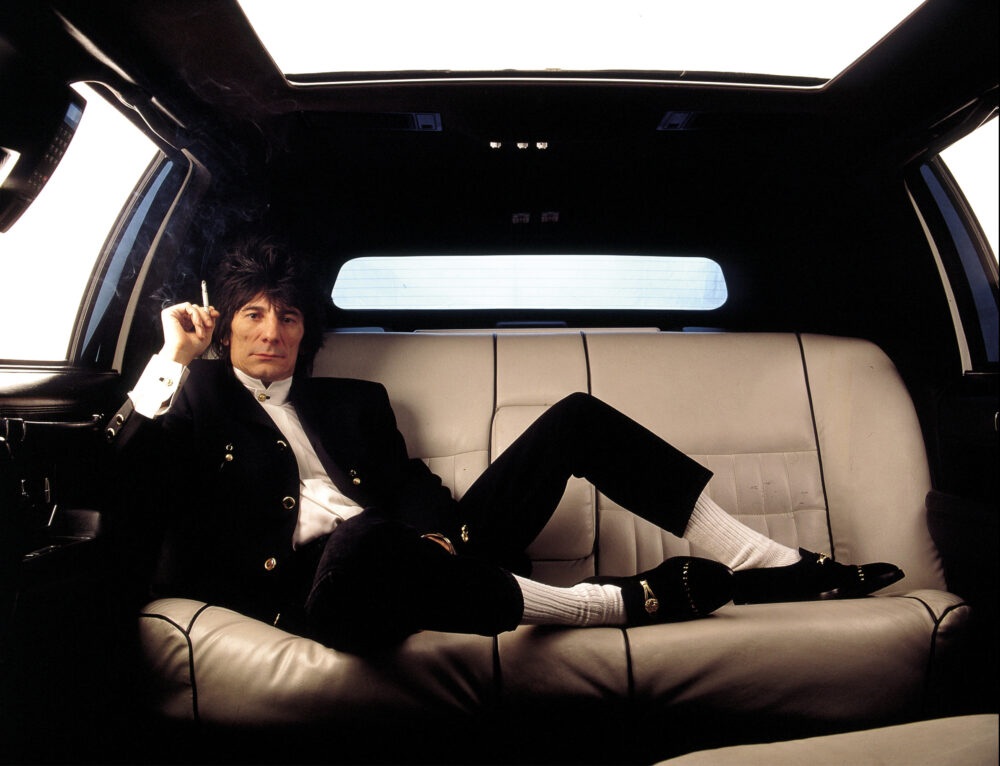
AE: Jamie Lee Curtis has become a very good friend. We connected immediately when I first met her. I’ve photographer her the most of any subject. We’re both sober and she’s been a significant person in helping me through that phase of my life. Everyone adores her. I have nothing but love for her. I haven’t shot a lot of musicians in my career but I did shoot Ron Wood. Sometimes you only get 15 minutes to do a shoot. Ron Wood’s people wanted me to do the shoot in his hotel room. I asked them if I could park a limo on the street outside his hotel in New York. They said yes. I lit the limo from the outside so there were no lights inside the car. They whisked him through the lobby, across the sidewalk and directly into the limo. It was a busy street and Ron Wood jumped in and shut the door and it was utterly silent. I heard that he liked Guinness and smoked Marlboro’s so I had a six pack of Guinness and a pack of Marlboro’s. He just fell into a good pose, opened a can of Guinness lit a cigarette and the world stopped. No music, no other sounds, just the click of the camera shutter.
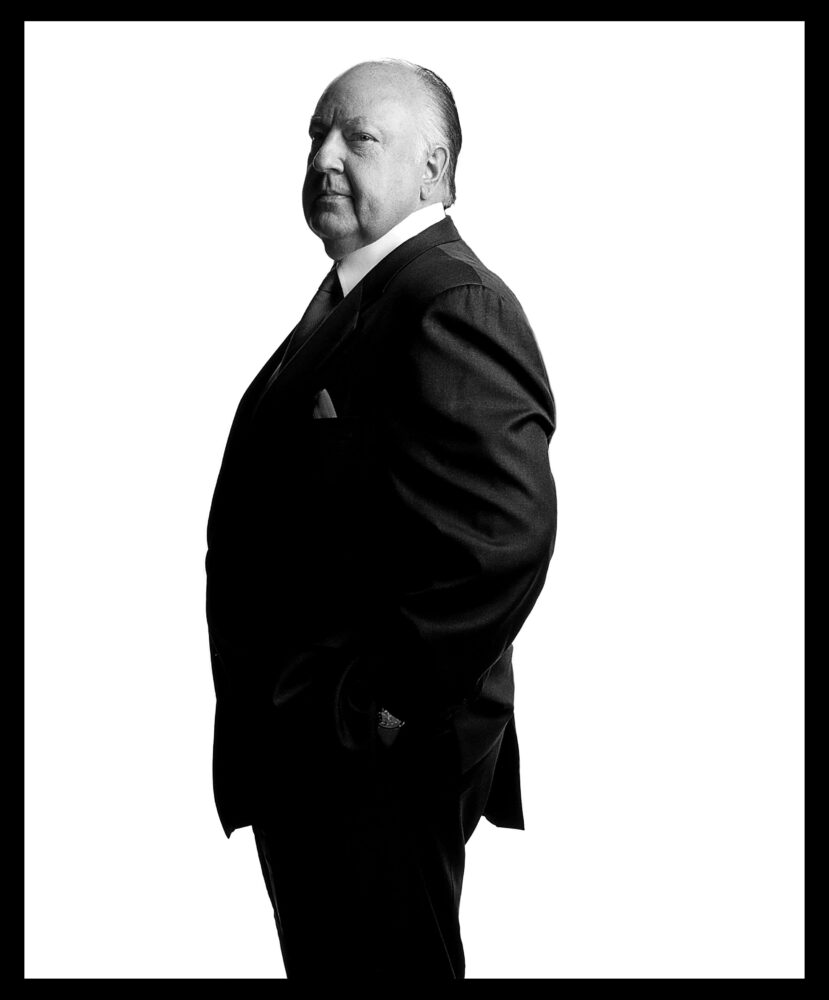
I was assigned to photograph Roger Ailes for the New York Sunday Times magazine. His influence on our culture was beginning. He was already being perceived as the head of an evil media empire and dangerous. I was working with Jody Quon the photo editor of the Times. We knew we wanted to take a negative photo but it’s not my style to make someone look ugly.
JS: You are not like Karsh of Ottawa who pulled the cigar out of Churchill’s mouth.
AE: Right. Roger didn’t want to stand in profile, he knew he was overweight, but I assured him he looked great and I whispered to Jody “Hitchcock!” He was hating every minute of it then while he was in profile, he turned his face to me and click—gotcha!
JS: Is there anybody that you want to photograph?
AE: I’m asked that a lot. I wish I had photographed Nelson Mandela and I’d liked to have photographed Barak Obama even though I’ve photographed several presidents. People say I’ve photographed everyone but I haven’t. I’ve not photographed Brad Pitt, Julia Roberts, George Clooney. I’m happy that I’ve been able to photograph the people I have and I’m particularly proud of the work I’ve done with The Alvin Ailey American Dance Theater, who are arguably the greatest modern dance company in the world
JS: Tell me about the switch from film to digital.
AE: I wasn’t dragged by wild horses but I didn’t want to go. We had worked so hard, all of us photographers to master this very challenging and complicated art. There were levels of perfection that you needed to attain to do it well. You couldn’t make mistakes. We were constantly testing, testing, testing. It was time consuming and expensive. I had everything down. How I filtered the lens, colors of the strobes. I would process to an 1/8th of a stop. I knew about push processing and color shifting. A lot of photographers fell away that weren’t as disciplined. In early digital photography Capture One had only two sliders in the tool bar. You would shoot and the image would come up and you’d go all the way with saturation and all the way with contrast and it still looked like crap. After twenty years of working so hard to create a look and now I can’t get it!
Previously I could show clients Polaroids and they loved that. Now clients would look at the images on the screen and I felt like they were thinking “Gee I thought Andrew was supposed to be good.” The digital techs back then were more like salesman at a camera store instead of a studio assistant. We were all handcuffed by the shortcomings by this thing we had mastered. It was very frustrating. By then clients were getting used to seeing every frame as I shot. If I went back to film they couldn’t see what I was shooting and would feel excluded. It was just a mess. Eventually the capture software caught up so that my digital photos looked like what I had worked so hard to get on film
JS: What advice would you have for a young person who wants to be a photographer?
AE: There are many avenues. Many of us back then would find a great photographer to work for. Whether in New York, London or Paris. Preferably full time so you’d be immersed in the experience. I think that’s a great way to do it. Today there are a lot of DIY videos on YouTube and social media. And digital technology gives you opportunity to make mistakes without spending all your money on film and processing. I still believe the best way to learn anything, a sport, art, acting is to learn from experts. People who got where they got through hard work, education and by studying their craft. They know more than other people because of the path they took. Instead of going to art college you can do online workshops or master classes. But I still think the best way is to learn is by working for people whose work you admire.
JS: Have you done stills for film and TV?
AE: I’m not in the union. The photographers in the union who cover entire productions work very hard and long hours. I shoot Behind the Scenes (BTS) occasionally alongside a marketing campaign. I’ll shoot on set for a few days trying to capture an artful view of the movie making process. I’ll have a different point of view than the unit photographer which can be a useful asset for my clients
JS: Is there a cause or charity you support we should know about?
AE: After this interview I’m going to New York to do my annual shoot for Broadway Bares, sponsored by Broadway Cares Equity Fights Aids. I’ve been doing it for 30 years. The funds go to help people suffering with HIV/AIDS and other life threatening illnesses. Many talented creatives from Broadway come together in June for a single night of entertainment. It’s a sexy, funny, smart, musical with a lot of nudity. It’s very entertaining. I’ve shot the campaign pro bono for years to advertise this charity event. Jerry Mitchell is the choreographer extraordinaire behind it. He’s choreographed over 50 Broadway musicals: including Rocky Horror, Hairspray and Kinky Boots. Early in his career in the 80s he would strip on the bar at a club called Splash and people would put dollars in his G-string. He would donate the money to people suffering with AIDS. Over time it grew into this giant charity event that’s raised over $300 million.
JS: What’s next for Andrew Eccles?
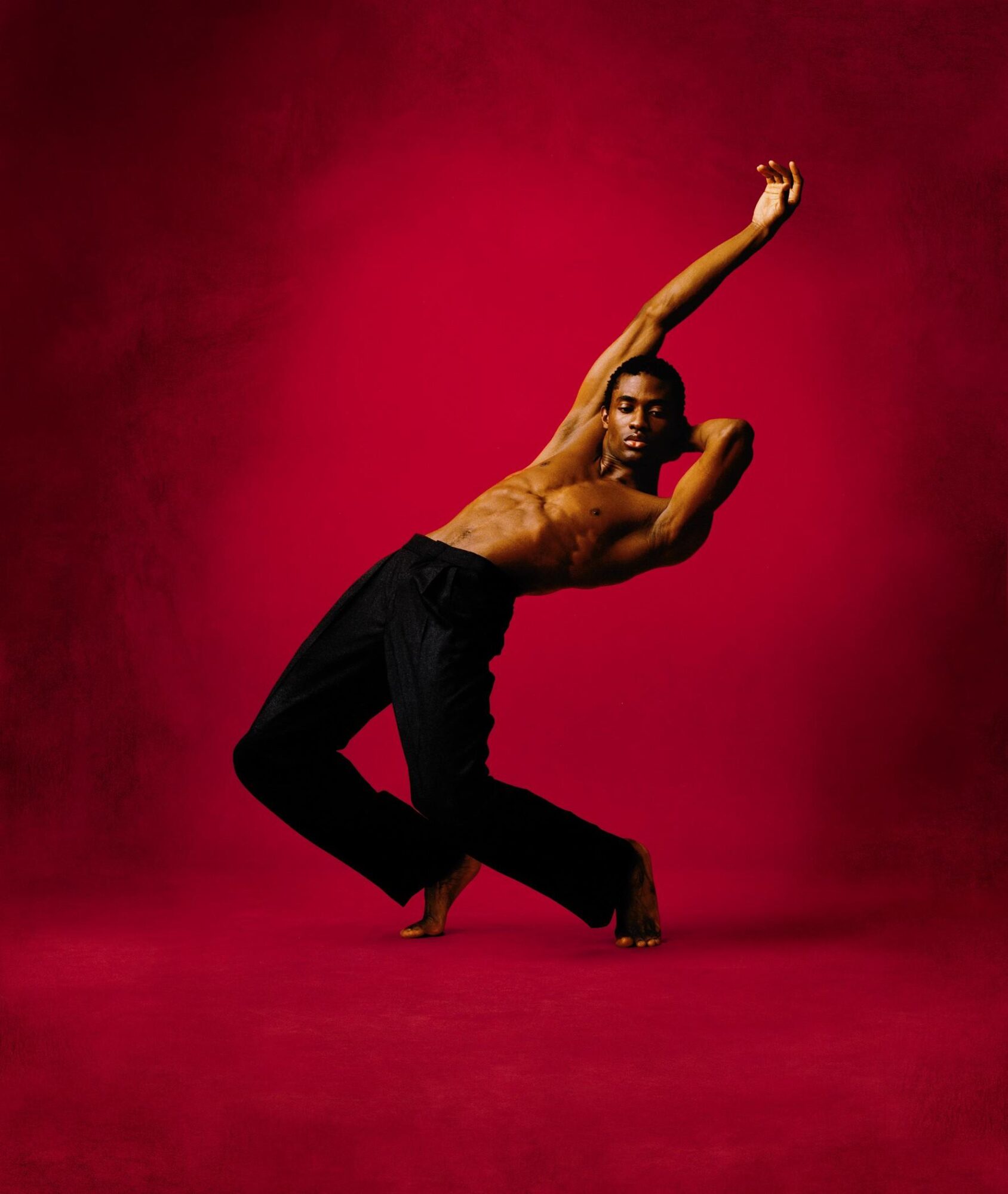
AE: I live in the middle of nowhere. I picked Joshua Tree because it’s a beautiful place, I love the Desert, and it’s close to Los Angeles. Being here also gives me time to work on a long overdue book which will be a retrospective of my photography. I’m also working on gathering together my entire Alvin Ailey archive. There are only two photographers who have documented that dance company. Jack Mitchell did the first 30 years and I’ve done the second 30 years. I also want to write a book about my experiences. I want to teach workshops.
JS: Finally, will you be present at the opening of the time capsule with your Robin Williams photo?
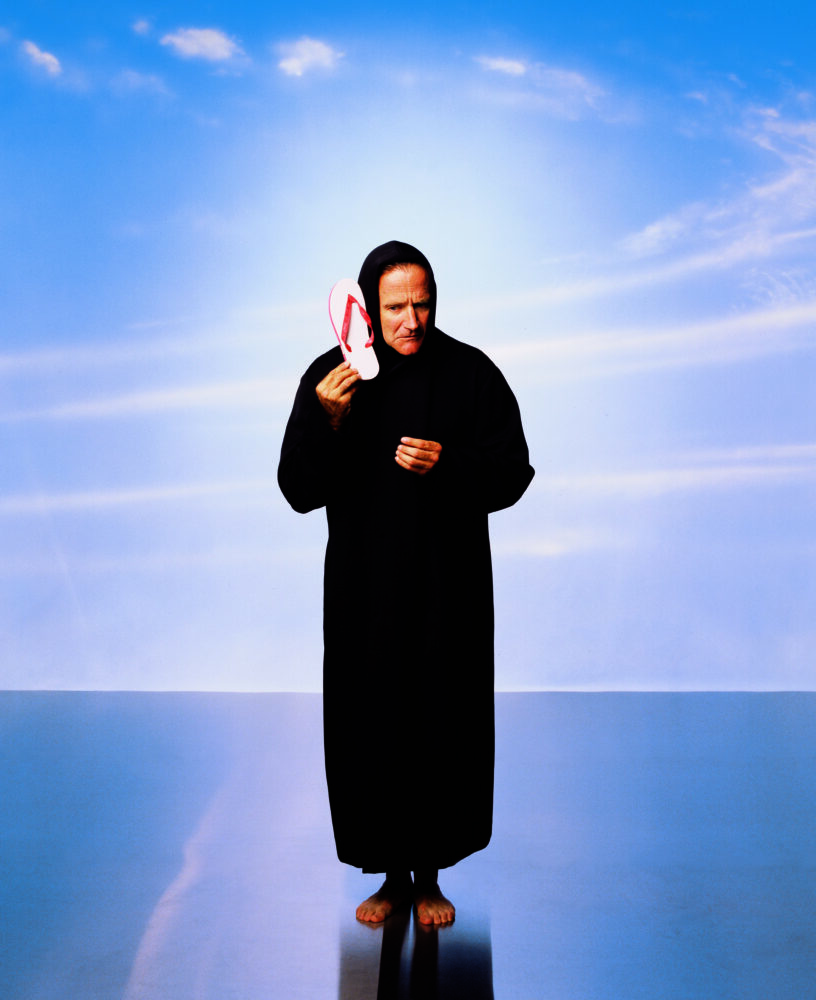
AE: It was such an interesting idea. In the year 2000 the New York Times had a world-wide design contest to create a time capsule which they called the Times capsule. It was filled with not only intellectual property but also everyday items including a copy of the magazine with my picture on the cover. This very beautiful sculpture is housed safely behind the Museum of Natural History not to be reopened until the year 3000. It’s hard for us to wrap our heads around this concept. So ya, don’t think I’ll make it to 3000 but even if I could climate scientists predict Manhattan will be under water by then. But if anyone is there to open it, when they do they’ll find my photograph of Robin Williams and how cool is that!
Here is his website: https://www.andreweccles.com/