By Robert St. Martin
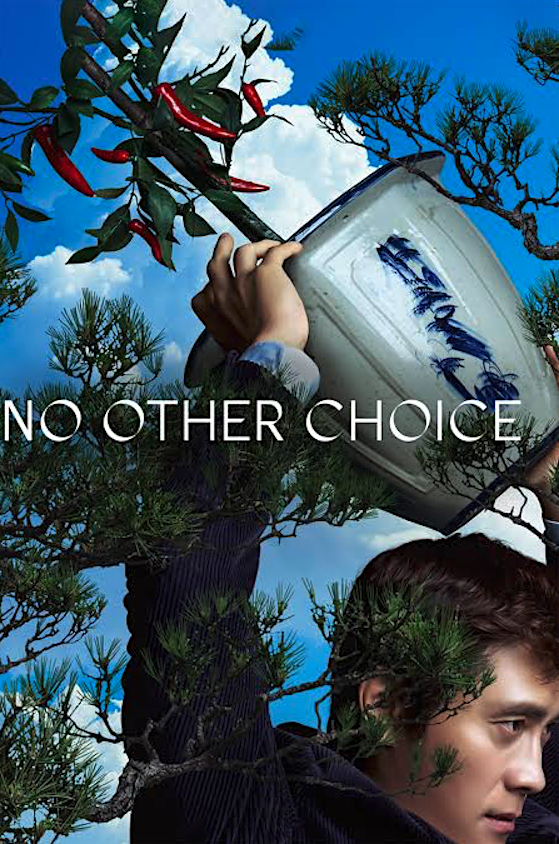
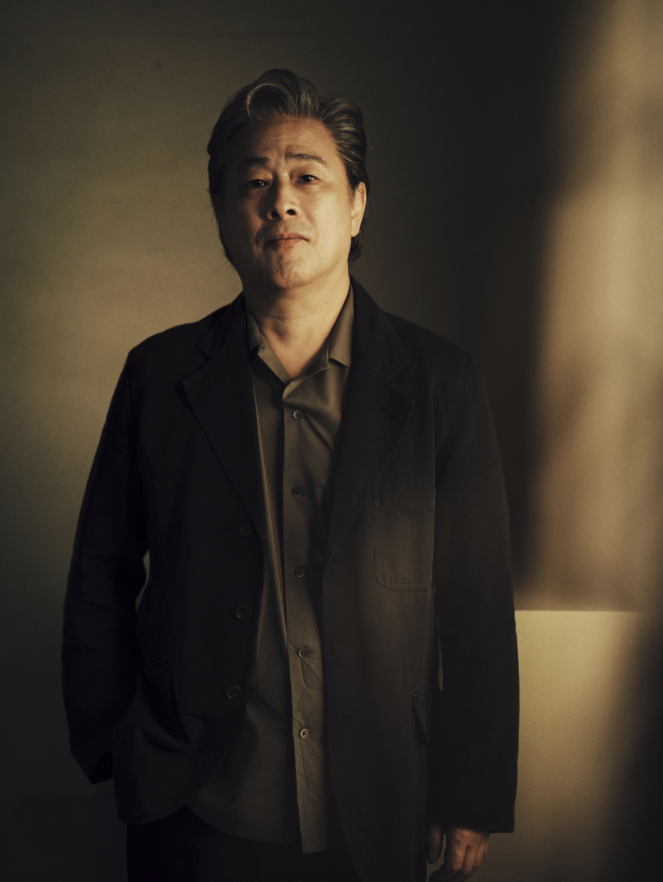
Los Angeles, CA (The Hollywood Times) 12/30/25 – Friday night in Los Angeles was the first major screening of Park Chan-wook’s No Other Choice at the Vista Theatre in Los Feliz, where it has a long run, as well as a few selected theatres. Korean director Park Chan-wook’s new film brings his usual effortlessly fluent, steely confidence and a type of storytelling momentum that can accommodate all kinds of digressions, set-pieces and the occasional trance-like submission to mysterious visions. It starts out like an Ealing comedy-type caper then somehow morphs into something else: A portrait of family dysfunction, fragile masculinity and the breadwinner crisis, and the state of the nation itself. It is based on Donald E. Westlake’s satirical horror-thriller The Ax from 1997, previously filmed in 2005 by Costa-Gavras, to whom this film is dedicated. The title of novel works as a double entendre for both the main character’s firing and his violence. No Other Choice found a slot on Friday, January 2, at the Palm Springs International Film Festival and there are tickets left.
The film opens with a family having a barbecue on their luxurious home, as patriarch Young Man-su (Lee Byung-hun) claims that he’s “got it all.” Immediately you notice how the sky is perfectly blue and how the yard is too well-manicured. Right down to Man-su’s dogs, who are cheekily named after his children, everything within Park’s images is meticulously composed as the family smashes together in a group hug.
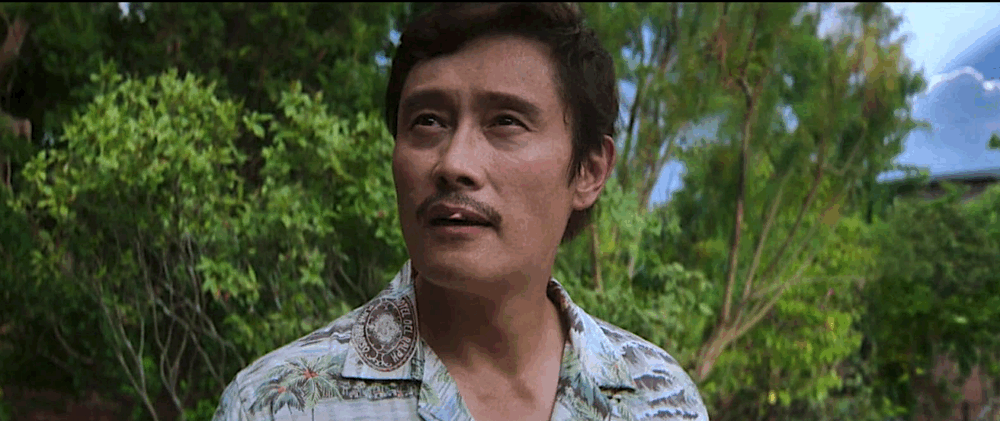
He is busy grilling some eels that have been given to him by the new American owners of the paper factory where he is employed. Adoringly looking on are his wife Miri (Son Ye-jin), her teen son from a previous marriage, their daughter (a cello prodigy), and their two lovely Labradors. But those eels are in fact a heartless and misjudged part of a job payoff; the new US masters are driving through brutal redundancies and Man-su is among them.
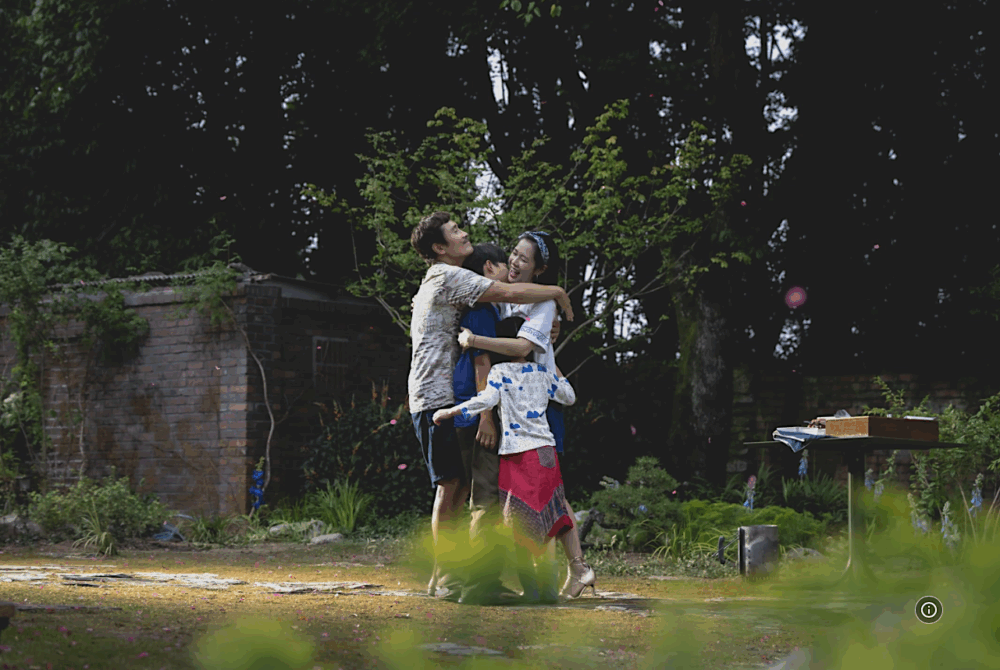
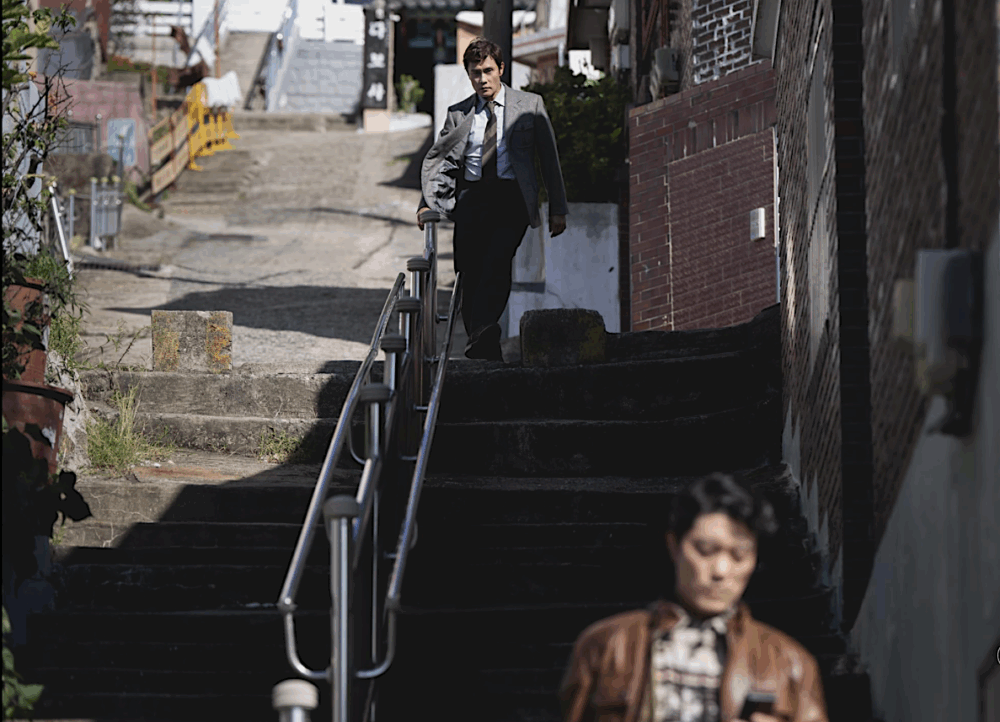
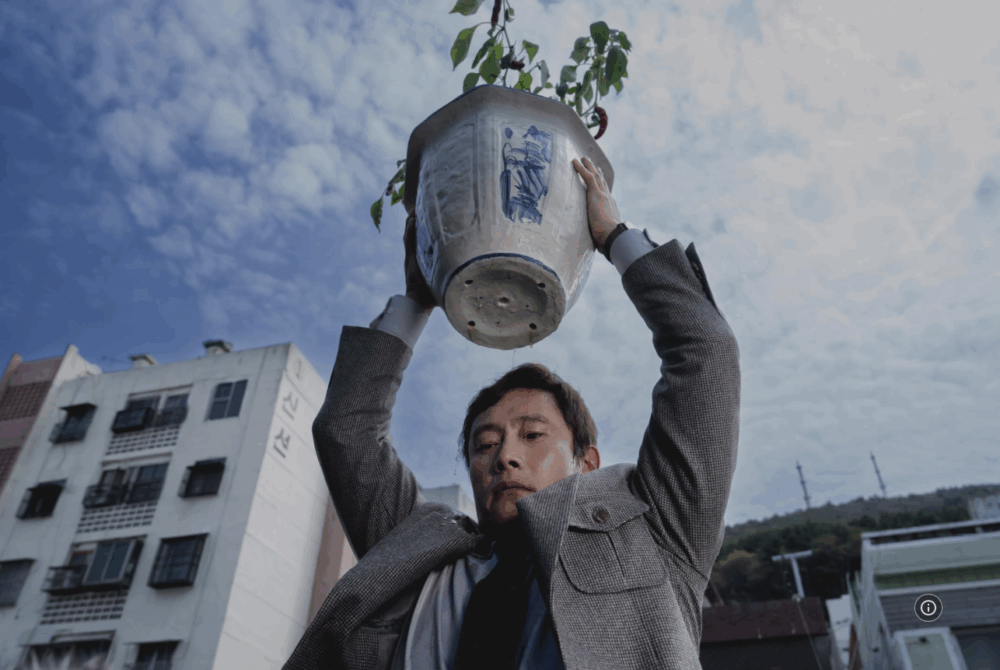
The new U.S. owners are driving through brutal redundancies and Man-su is among those laid-off. He is devastated, but without the emotional language to express or understand how profound this loss is to him. He is fanatically desperate to reclaim his manhood in the eyes of his wife, children and pets by getting a new job in the paper industry within the three months before his severance pay runs out. Young is initially a staunch advocate for everyone on his team who was also laid off, but after months of unemployment and doing menial labor, he’s only out for himself. Trying to land a job in his sector, he sets his sights on a position at Moon Paper, and stoops to violent measures to secure it.
Park changed the title of his film from The Ax to No Other Choice to reflect the farcical way his version unfolds in which “no other choice” becomes the motives for the actions of the characters. Right away in the film, the Americans who lay off Man-su nonchalantly claim that they had “no other choice,” which is the same sentiment that his potential new employers echo when rationalizing the need to replace more of their personnel with artificial intelligence. At one point, even Man-su says that he has “no other choice” while psyching himself up to commit his violent acts.
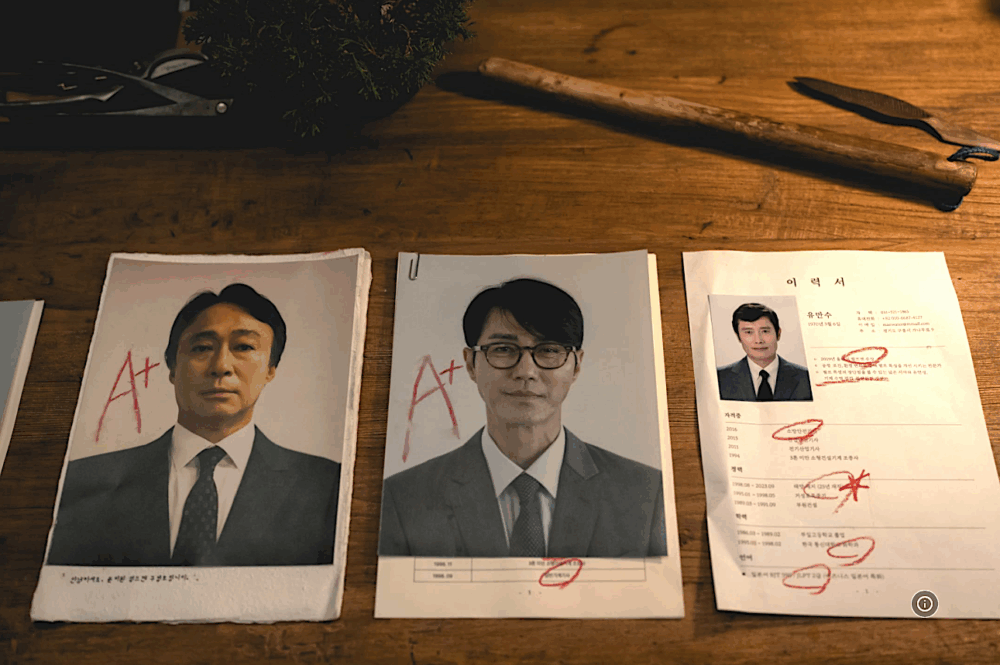
Man-su sets up a phony recruitment ad in a paper industry trade magazine. He makes it clear that, as the head of a paper firm committed to the product, he will not accept online applications. They have to be on paper via the post, thus leaving no digital trail for the crime he intends to carry out. Using the personal information that these trusting applicants will send him, he will murder them all, thus creating a string of job vacancies in the cases of applicants who are in work, and, in the cases of the unemployed, a reduction in the amount of competition.
Park’s heavy sense of irony pervades the film and the “choices” or lack thereof on the part of Man-su. He could sell his expensive house and move his family into an apartment. His wife, Miri (Son Ye-jin),could revitalize the career she gave up to have children. They could rely on assistance from Miri’s parents.
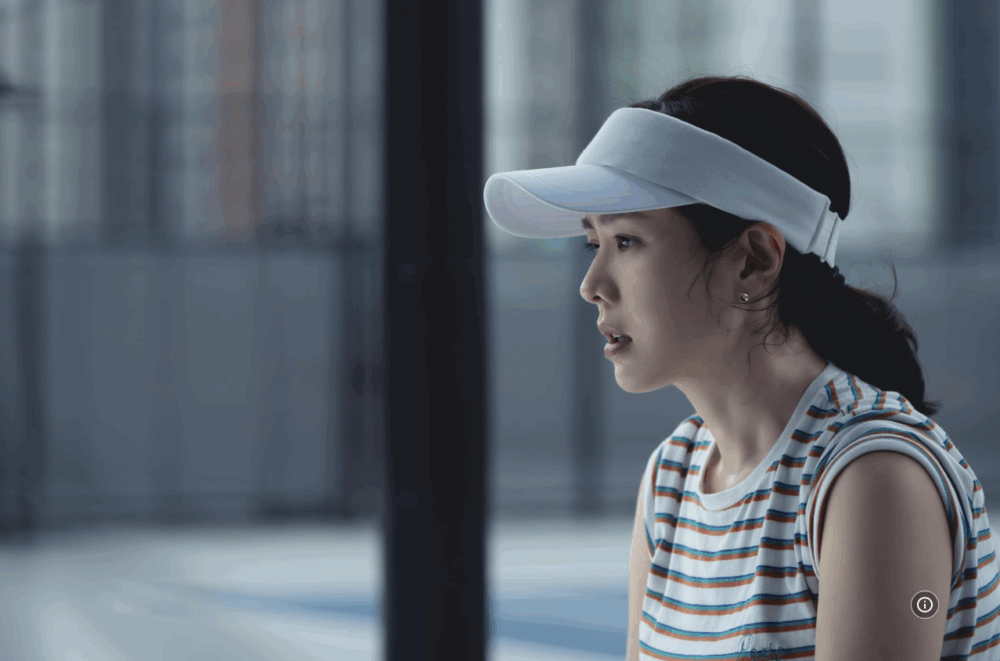
But he is not willing to consider other options. Near the beginning of the film, the Americans who lay off Man-su nonchalantly claim that they had “no other choice,” which is the same sentiment that his potential new employers echo when rationalizing the need to replace more of their personnel with artificial intelligence at the film’s end.
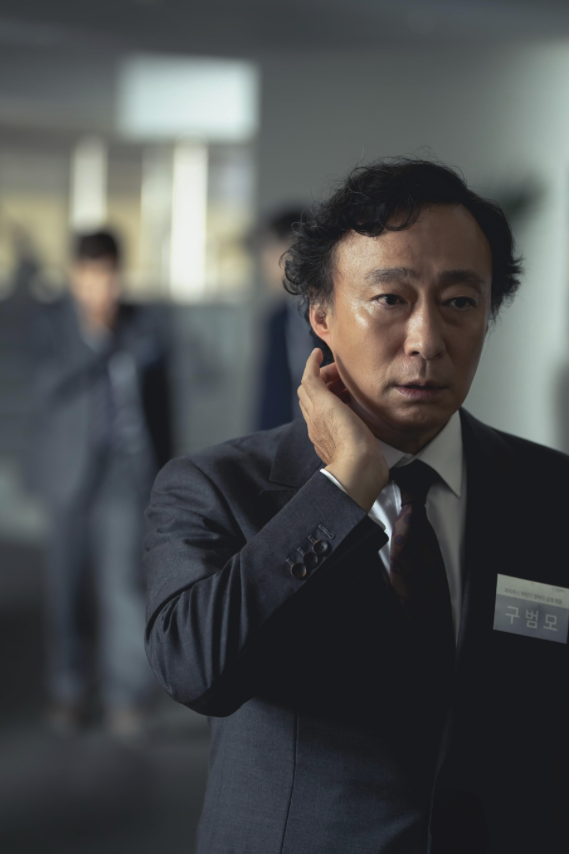
Among the tragedies and indignities that No Other Choice confronts is the shift from analog to digital – a perhaps ironic fixation given Park’s embrace of digital filmmaking, which makes possible some pretty elaborate camera work throughout the film. Man-su and his peers cling to paper like so many directors to celluloid, feeling that they must use it for fear that no one else will.
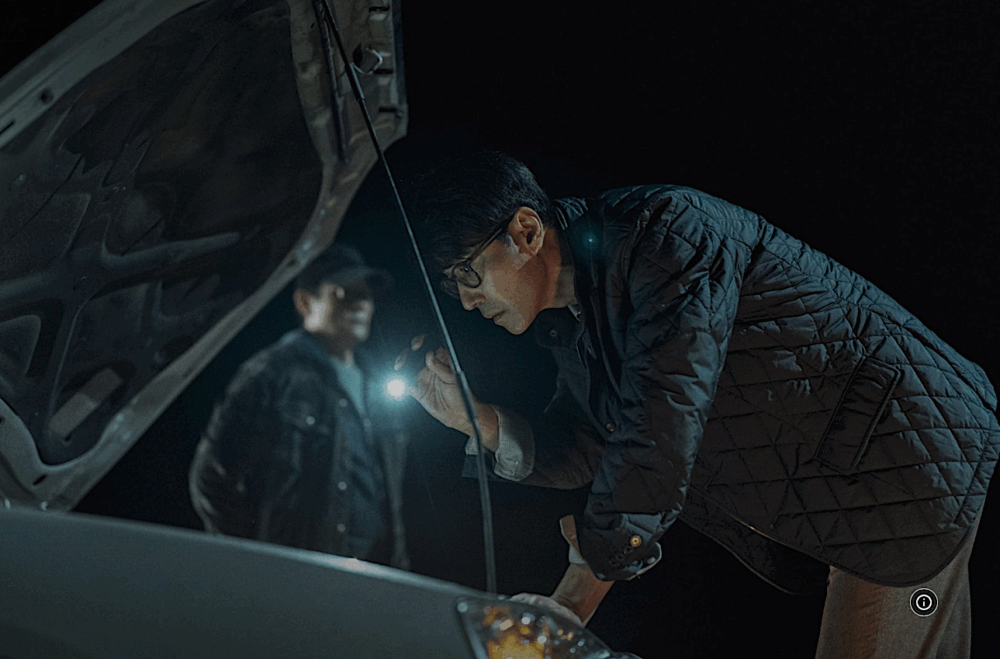
Man-su does not work through his victim-base as we might imagine. In fact, he stalls early on. Other narrative priorities come to the surface. We discover that the house, which he is in danger of losing due to mortgage default, was his childhood home, and the site of a profound trauma connected to his father, a pig farmer who had to kill all the pigs due to a disease. There are also subplots of family disarray, which are equally bizarre. Miri gets a job as a hygienist, assisting a dentist whom Man-su suspects has designs on her, and he instantly gets a psychosomatic toothache, which he naturally refuses to get treated. The thought of his wife’s suspected lover, assisted by his wife, bending over his open mouth is unthinkable.
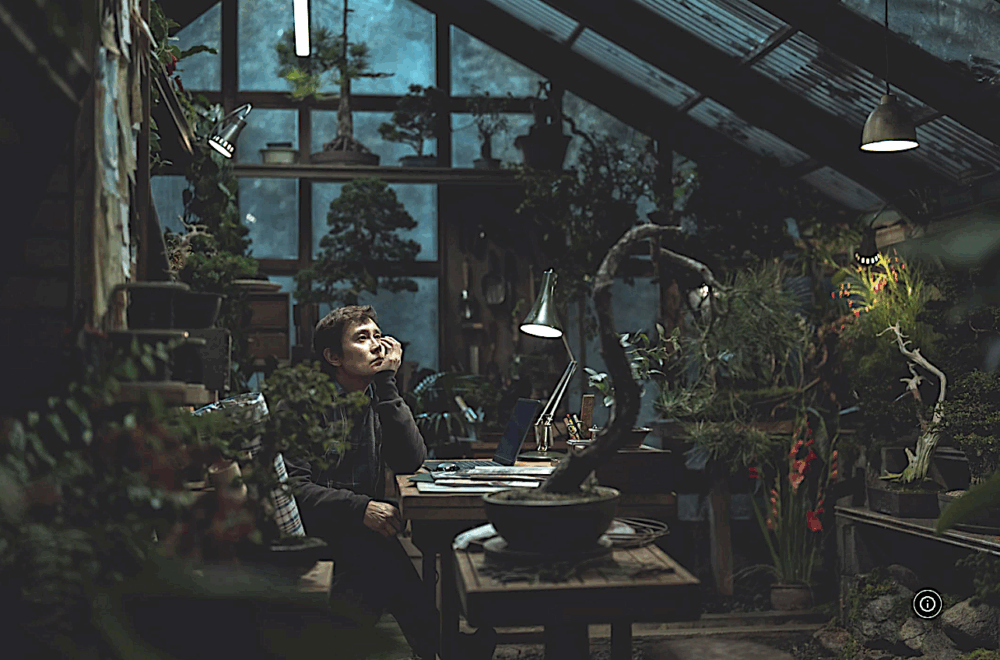
Then his son is accused of stealing mobile phones from a store owned by an obnoxious neighbor; and the son also witnesses his dad doing something strange in the greenhouse, which is to be the site of a sensationally weird dream sequence whose pure inexplicability seeps into the rest of the film.
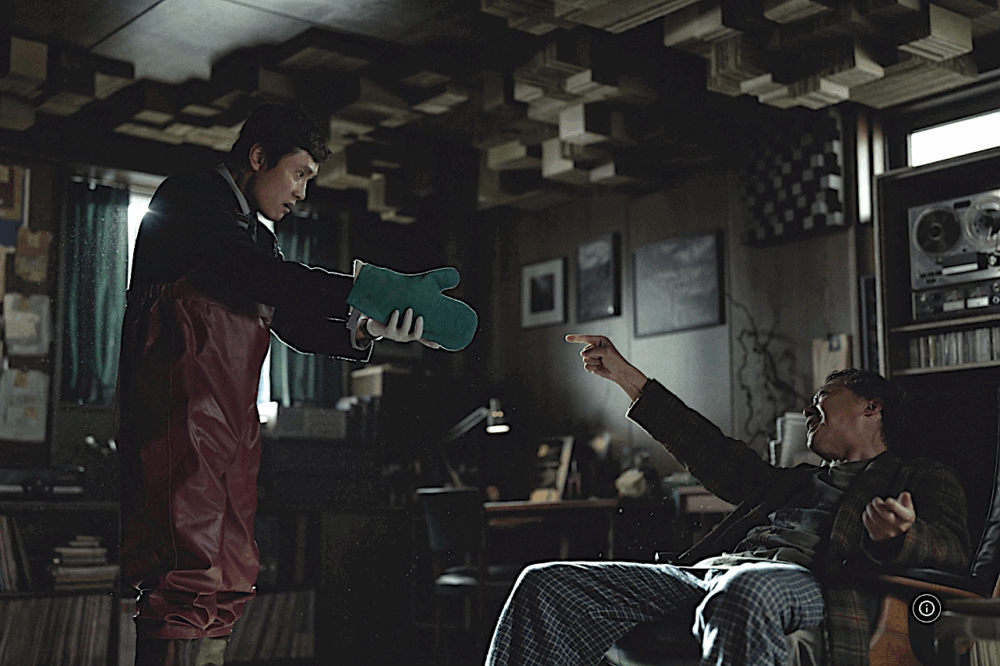
There is no doubt that Park Chan-wook has a deep interest in the sociology of the family and also larger philosophical issues. Every action of the film’s desperate Man-su to leaves us in a constant daze, asking the rationale for our actions: “No other choice” clouds moral decision-making. Park Chan-wook is known for his best films: Old Bo (2003), The Handmaiden (2016), and Decision to Leave (2022).
 No Other Choice is included in the Palm Springs International Film Festival 2026, as it is one of the top contenders for Best International Feature Film at the 2026 Academy Awards as Korea’s submission. There are tickets still available for the single screening on Friday, January 2, at 2:30 pm in the Annenberg Theatre in Palm Springs. For tickets, go to: https://www.psfilmfest.org/film-festival-2026/film-finder/no-other-choice.