In the soft, rolling curves of the Appalachian Mountains sits a village where the lightning bugs still speckle its evenings. Lit warmly within the gentle hues of moonlight and nostalgia, the Susquehanna River murmurs through this village. Crickets buzz amongst its verdant landscape. This is a place where magic still hides within the quiet confines of its Victorian homes, quietly whispering life into old wood and stone.
If you didn’t know any better, you would ascribe such a place as sleepy and shelf it among old photographs to collect dust somewhere. And in a fast-tracked society that bows to metropolitan living and lends its ear solely to the neon-soaked titillation of such big places, Williamsport, Pennsylvania would seem, but a sigh drowned out by the hum and drum of urban life, set miles away. When one thinks about the arts, they think of places like New York City or Los Angeles. They think of fantastically high buildings with small modern studios scattered throughout them. And that’s the thing about the centralization of culture; a monopoly has shaped public opinion to believe that bigger is better and more is more. The grooves have been set, and the currency of relevance flows in favor of the big shots. Those with established brands, franchises, and big studio corporations reign in a fortress of prestige. We wait and anticipate the arrival of their latest creations and applaud their efforts. One could argue that the most expensive currency right now is that of attention and interest. And these major studios and art-centric cities seem oversaturated with repute and intrigue.
So why is it, you might ask, that I even bother mentioning such a marginalized place like Williamsport? It is because—and maybe you agree—some of the best things happen spontaneously and in ways that no one could anticipate. It is an American way of life to yield to the spontaneous, after all. And sometimes the best things happen naturally, fluidly, and organically. I highly doubt that the Dutch settled New York City with the intention of it becoming an art Mecca. Hollywood itself was just a real estate development once. But these things happen naturally and in a way that cannot be planned. The French have a term for it—je ne sais quoi. It literally means, “I don’t know what.” Because some things just have an “it factor,” a little spark that comes out of nowhere and enchants us in a way that we never expected. Love often strikes randomly, in fact. And with Williamsport, PA, there is a—well—I don’t know what, that makes this place special.
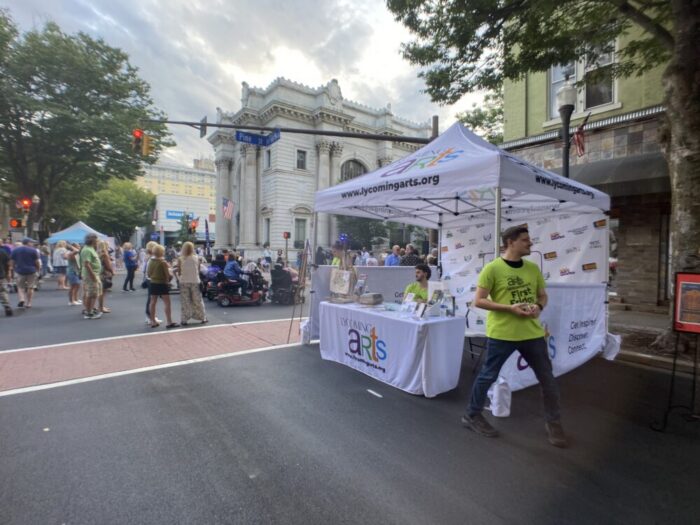
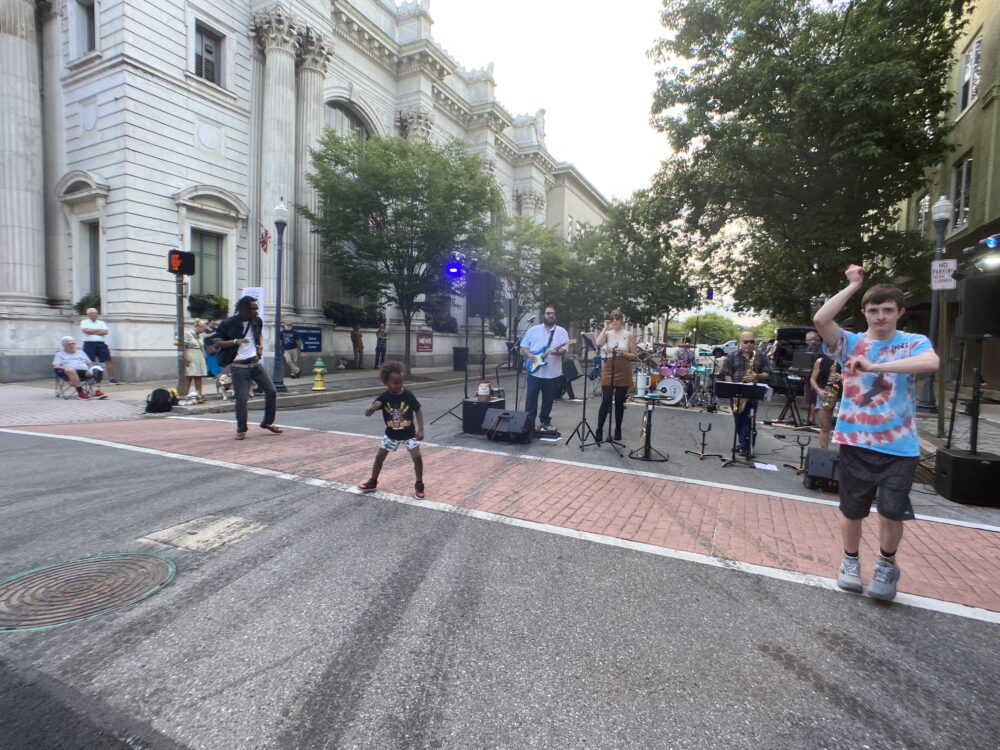
On the first Friday of every month, downtown Williamsport is garnished by the tents and tables of artists, artisans, and craftsmen. Many of them local, these creative types advertise their work to the masses and decorate the streets with art. There is a band on nearly every street corner. Sometimes there’s even a juggler or two. Streets are blocked off and the festivities begin in what feels like a mini-Renaissance of art. Local businesses even keep their doors open to house these artistic displays on First Fridays. It is a place where art has no limit or expectation. It is simply organic and lived-in, natural, like the winding paths of deer on the fringes of town.
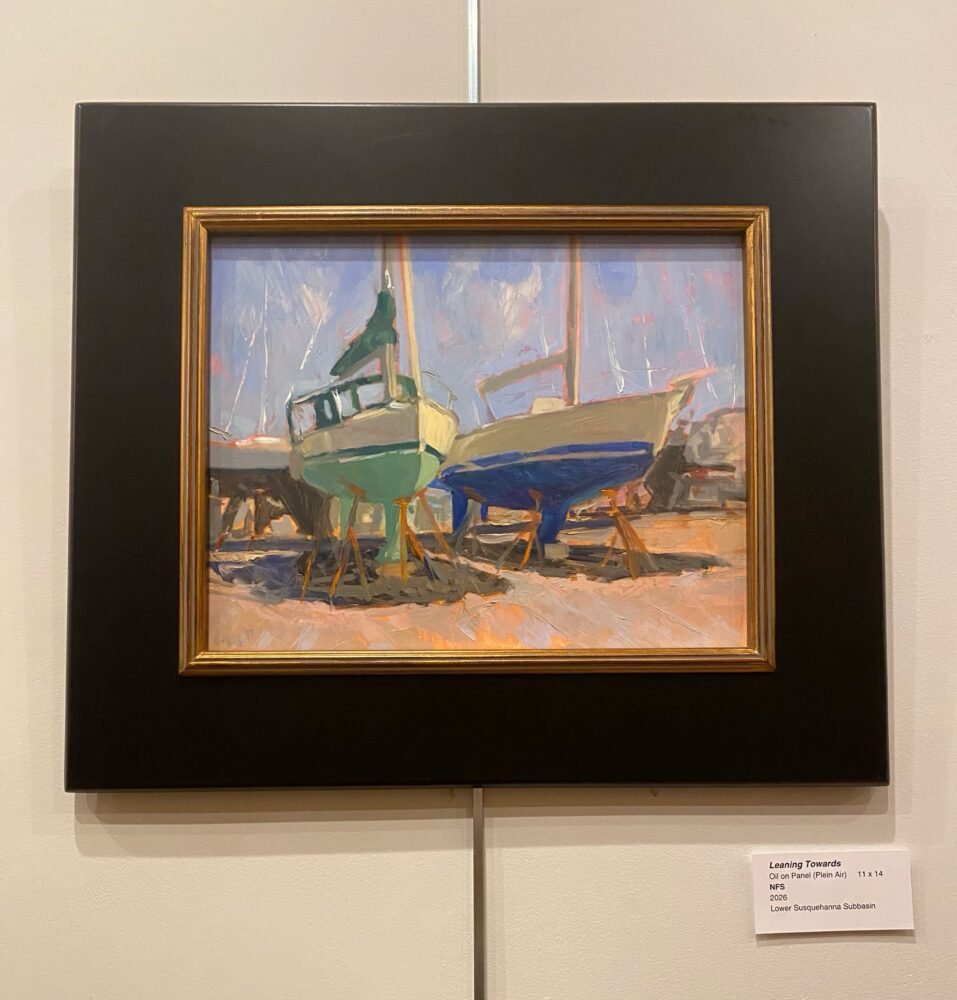
Lycoming Arts is a program that runs solely by volunteers. They seem to do everything—from featuring artists at their downtown studio, to book clubs, and movie festivals. Who knew there was so much indie talent in one area? Apparently central Pennsylvania has inspired a whole legion of artistic entrepreneurs. It would seem that they come out of the woodwork every month, shuffle out from their Walden-style hideouts, and stun audiences with their talents. Many of whom seem quite literally driven by their love of Pennsylvania’s wildlife. Their paintings depict Appalachia, their carpentry is whittled from local trees, and beer is brewed in house.
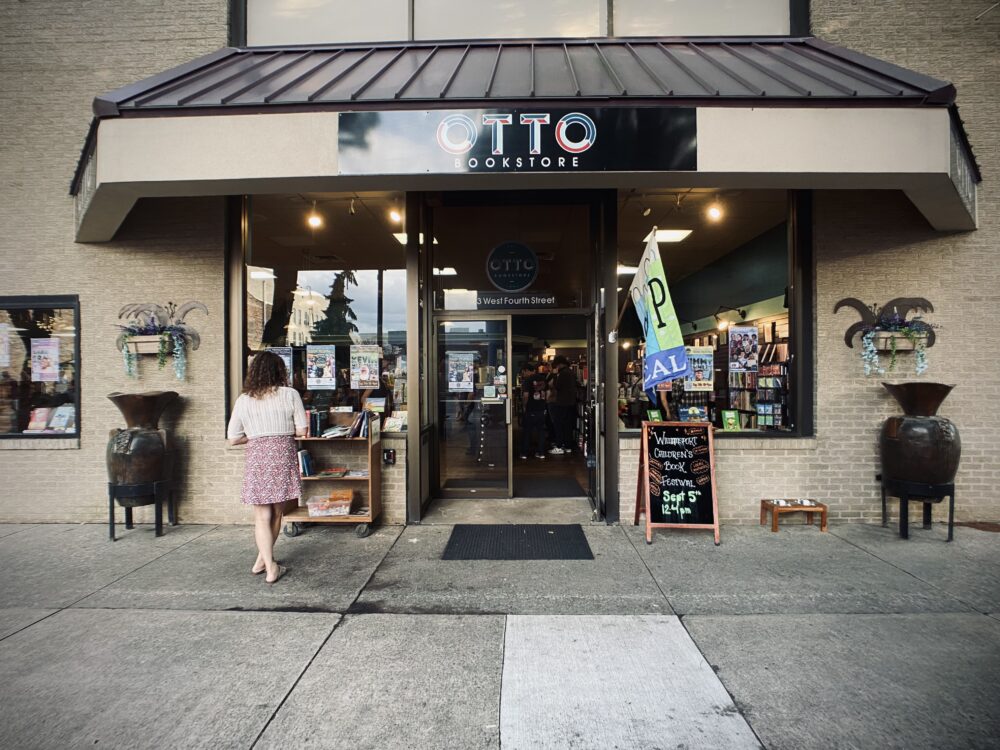
As someone who once lived in Manhattan, I have found that places like Williamsport are underestimated. City folk roll their eyes at the “hillbillies” and dismiss them as unrefined. Yet, I have learned that the people of Williamsport are anything but. This is a place with one of the oldest independently owned bookstores in the country: Otto bookstore on Fourth Street. It is the founding place of Little League baseball. It has restaurants and distilleries that rival the rustic-style Brooklyn ones I once frequented. At one point, it even had the most millionaires per capita of any place in the country. This was during the Victorian era, and the architecture reflects the grandiosity of that beautiful century. There is also the Pajama Factory—a building clad with art studios in what was once quite literally a pajama factory. The place is steeped in history. It is like that perfect jacket with worn-in leather that fits perfectly and seems eerily suited for golden hour sunsets and the smell of old books.
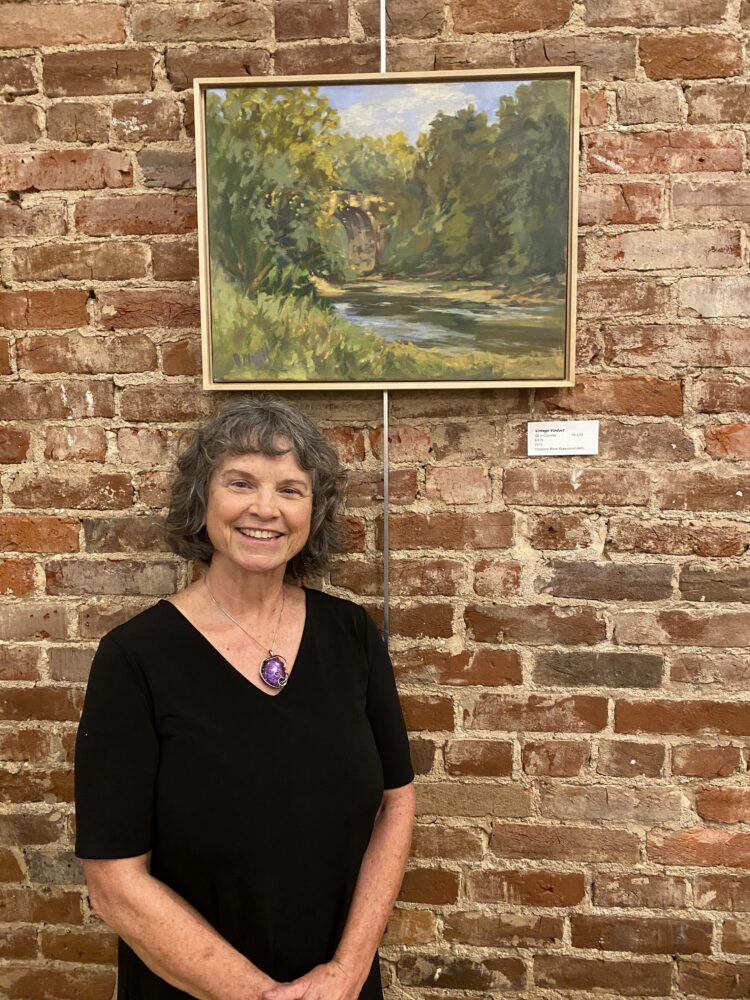
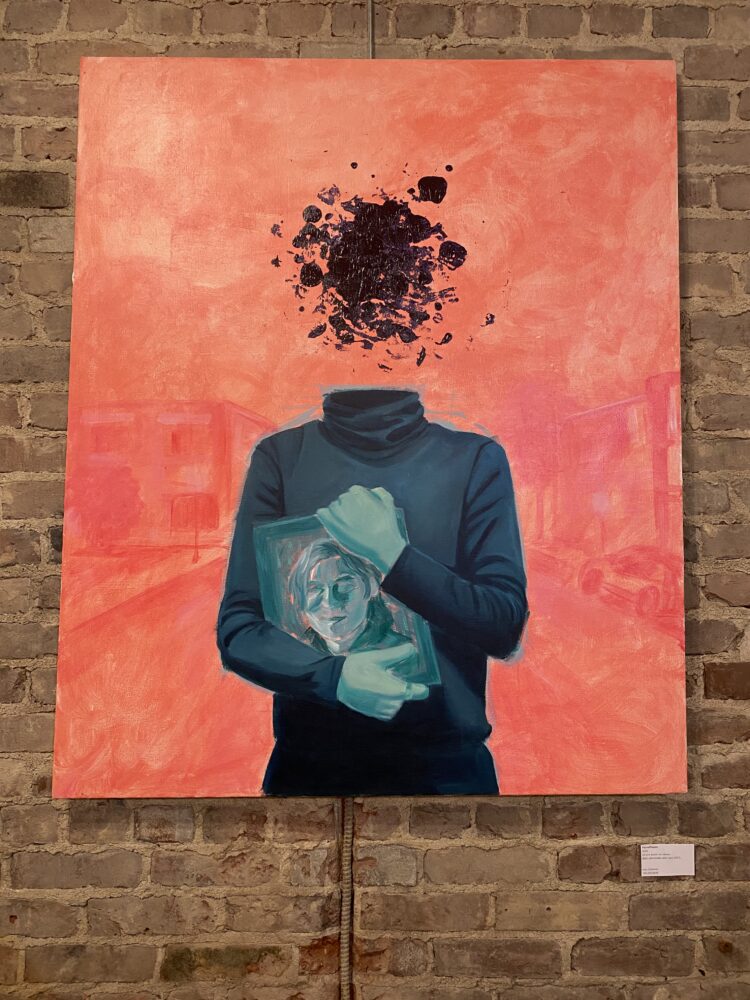
People here are proud of their heritage. “I love it here,” they all tell me when asked about why they stay. This is a community with people who are invested, not only in the nature and community, but specifically in the arts. In fact, Williamsport, PA is becoming synonymous with art. This month, Lycoming Arts features award-winner Debra Moffitt and local student Kira Clements, in their Fourth Street studio. Moffitt pulls inspiration from the surrounding landscape. Clements focuses on the subject’s gaze. Lycoming Arts now plans to feature local authors in their upcoming book club. They host film festivals. They even do a German Christmas Market come December.
It is not without the backbreaking efforts of locals that such a thing can come to fruition, many of whom (including myself) studied art in major cities such as Los Angeles and New York and then moved back to rural Pennsylvania. Their call to home has been like a magnetic pull though. Because Williamsport is anything but sleepy. It is vibrant and active. It is a place of memories. And, I believe, at its core it is a land of nostalgia and of magic.
For all upcoming events visit lycomingarts.org