It screens as part of the Cinema Diverse Film Festival in Palm Springs on Sunday, September 21, at 4:45 pm in the Camelot Theatres. For tickets, go to: https://www.psculturalcenter.org/filmfest/festival-passes.
By Robert St. Martin
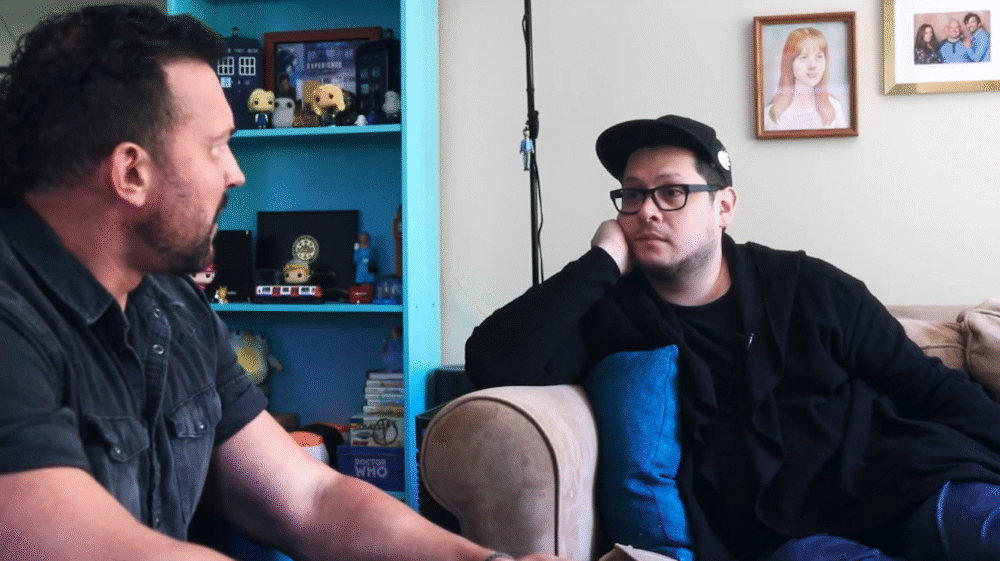
Los Angeles, CA (The Hollywood Times) 9/20/25 – A far cry from the satirical Tony-winning Broadway musical Book of Mormon is a fine documentary about young LGBTQ+ ex-Mormons – Latter-Day Glory: The Aftermath of Growing Up Queer in the LDS Church. This revelatory documentary that delves deep into the intersection of faith, identity, and resilience within the LGBTQ+ community. Co-directed by Brandon Deyette and Chucho E. Quintero, the film chronicles the journey of Jonathon Levi Powell, a celebrated hair stylist and ex-Mormon missionary, and Terry Blas, a prominent comic book artist, as they retrace their Mormon roots across America. The film features interviews by Powell and Blas with over 36 queer individuals who share harrowing stories of navigating a faith that often rejects their identities.
 Set against the backdrop of the Church of Jesus Christ of Latter-day Saints, the film requires some awareness of how the LSD Church shapes the lives of its members and the social expectations that are part of the religion. Divided in seven sections, Latter-Day Glory begins with introductions to the two guides through the narratives – namely, Powell and Blas, whose own experiences of growing up Mormon were different. As various interviewees talk about their childhoods and their parents, we get a sense of the importance of family within most Mormon households. There are also included some parents of gay and lesbian individuals, and, from them, we get a sense of the powerful belief in loving one’s children. Obviously, some of those featured in the film were fortunate to have loving parents who sought to understand what their LBGTQ child was experiencing. Others were obviously cast out by their own parents because the sexual orientation of their child did not mesh with their strict Mormon beliefs.
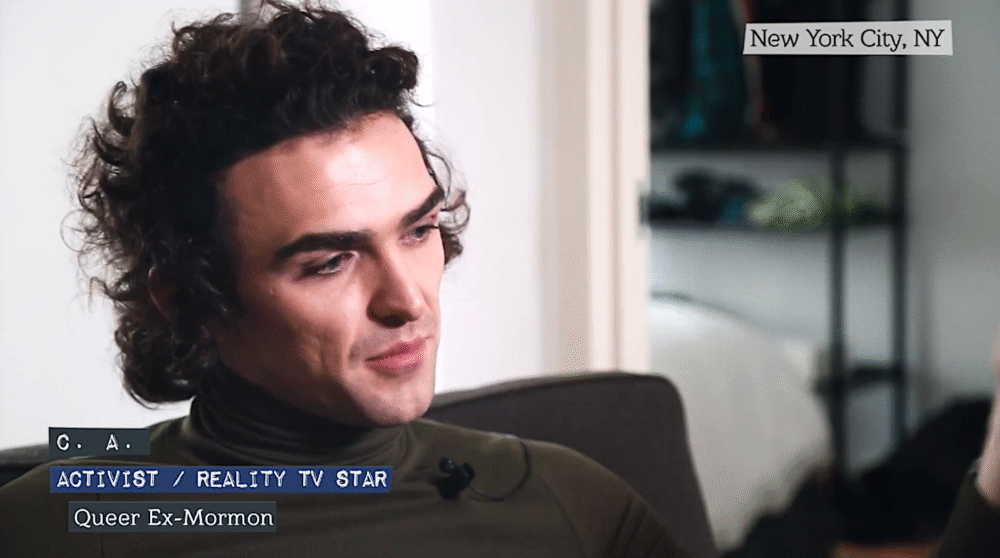
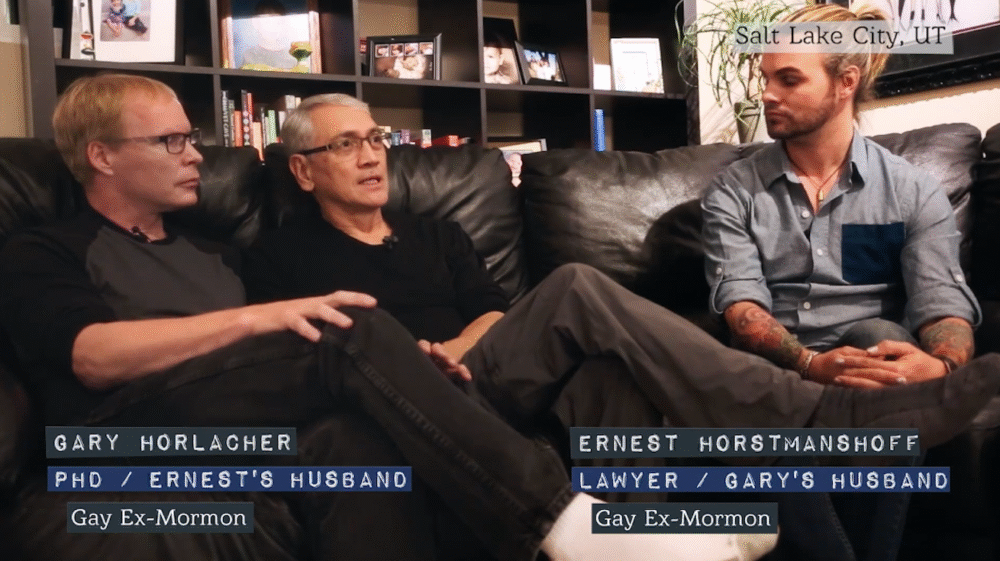 The narrative is both deeply personal and broadly relevant, weaving Powell and Blas’s experiences with those of a diverse ensemble of subjects: survivors, activists, politicians, and families of victims—who courageously speak out against systemic oppression. Featuring appearances by notable figures like Senator Jim Dabakis and Neon Trees’ frontman Tyler Glenn, Latter-Day Glory exposes the intersection of personal trauma and institutionalized discrimination by the Mormon Church.
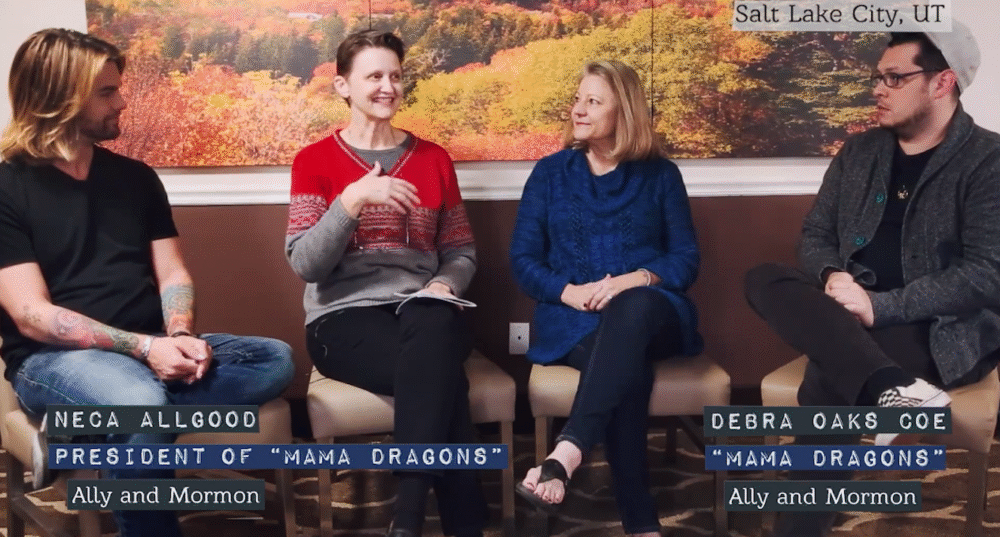 Floating behind the film’s narratives is the elephant in the room: Gay marriage was legalized nationwide in the U.S. on June 26, 2015, by the Supreme Court’s landmark decision in Obergebell v. Hodges. This ruling established that the right to marry is a fundamental right protected by the U.S. Constitution’s Fourteenth Amendment, requiring all states to license and recognize same-sex marriages. Obviously, this was taken hard by the state of Utah, the population of which is almost 50% Mormon. The LDS Church did its best to drag its feet in response to this. Commonly referred to as “the November Policy,” the guidelines were released on November 5, 2015, just months after the U.S. Supreme Court legalized Gay marriage. The Policy labeled same-sex couples “apostates” and disqualified their children from being baptized without special permission.
 Director Brandon Deyette released an earlier version of this film back in 2018, featuring Jonathan Levi Powell and Terry Blas, two gay ex-Mormon missionaries who travel across the United States to confront their past and explore their futures while discussing with other gay Mormons about rejection, oppression and the reality of a growing number of LGBTQ suicides within the LDS community. In this expanded and updated version of Latter-Day Glory, Deyette is able to track recent changes and adjustments made by the Church of the Latter-Day Saints in response to increased social pressures about their condemnation of homosexuality as the moral equivalent of murder.
 Powell and Blas confront issues such as conversion therapy, same-sex marriages, and the mental health crisis afflicting young LGBTQ+ Mormons, while exploring the Church’s refusal to acknowledge its role in this suicide epidemic. Suicide is the number one cause of death of all Utah youth. This is not the case nationally. 74% of those youth identify as LGBTQ.
 It is common in Mormonism for young men to go a two-year mission to convert others to their religion and/or bring fallen-away Mormons back into the fold. Usually, it is expected that young men will marry within six months of ending their mission and begin a family. Reluctant to marry becomes quite problematic for those who him and haw about marrying a woman and the local Mormon bishop will intercede, trying to set the young men on the right path if they show any signs of homosexual issues.
 One common practice was conversion therapy which several of the interviewees were forced to undergo. “Reparative therapy” or “conversion therapy” commonly used an array of psychosocially harmful techniques, including public shaming or inducing adverse physiological reactions. As of November 2021, twenty states and the District of Columbia have enacted Legislation banning these practices with minors by licensed mental Health care providers. Interestingly, in March 2020, March 2020, the LDS Church issued a statement opposing conversion Therapy.
Another recent change made by the leadership of the LDS Church occurred on April 4, 2019, when the LDS Church announced Children of LGBTQ parents may now be baptized in the Church without First Presidency approval. In addition, the Church will no longer characterize same-gender marriage by a Church member as “apostasy” for Purposes of Church discipline, although it is still considered “a serious transgression.” This slow movement of the needle removed some of the stigma of damnation off of children and left it in the hands of the parents.
Approximately 95-99% of Brigham Young University’s (BYU) students are members of The Church of Jesus Christ of Latter-day Saints (LDS Church), which sponsors and operates the university. In 2020, BYU’s Honor Code omitted references to same-sex relationships, and students would no longer be disciplined for dating, holding hands with, or kissing people of the same sex as long as they upheld the Faith’s existing expectation that couples remain chaste before marriage, as well as its ban on same-sex marriage. This is the current situation, but one might wonder why so many possibly LGBTQ students insist on attending BYU, when there are other universities, they could possibly attend.
The film travels through the experiences of male and female ex-Mormons, although we do meet one determined young man who after his mission is still observant of the strictures of his faith and busy dating women. For many of those interviewed, leaving Mormonism beyond can feel like a death sentence because one is ostracized from the community and often from one’s own family. For some, leaving the Mormon Church was ultimately liberating because it allowed them to find a sense of self. In the final part of the film, we get an update on some of the participants, and it seems that the majority were hoping for and often finding a loving same-sex partner and creating a new life in an alternative marital arrangement. At its heart, the film is a message of hope, resilience, and transformation.
Director Brandon Deyette is a global citizen to American military parents, openly gay and a University of Georgia alumnus. He is active within the Queer community focusing on rights, representation, and exploring its diversity. Brandon is a mental health and wellness advocate having had first-hand experience with trauma, sexual abuse, and healing. He is also a supporter of the Trevor Project, which aims “to end suicide among lesbian, gay, bisexual, transgender, queer & questioning young people.”