Numerous times, people grieve for a person recently passed who revolutionized something, be it in the arts or in the field of science. We cry when a beloved figure passes away in the field of sports or film. But this loss is for someone who profoundly changed our understanding of the world.
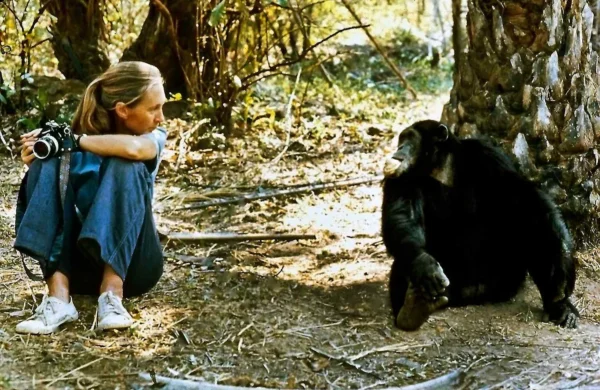
Dr. Jane Goodall, the renowned conservationist, and animal welfare advocate who became the world’s foremost expert on chimpanzees after spending decades studying them in the wild in Tanzania’s Gombe Stream National Park has died. She was 91. According to a statement on Wednesday, Oct. 1, from her eponymous institute, she died of natural causes while on a speaking tour in California. She leaves behind her son, Hugo, and three grandchildren.
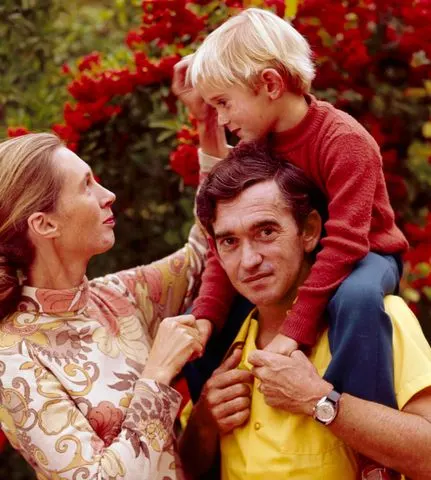
Jane Goodall’s name is synonymous with a patient, relentless inquiry into the lives of chimpanzees, yet her work embodies a broader transformation in how science intersects with conservation, ethics, and community. Born in 1934 in London, Goodall’s early curiosity about the natural world evolved into a groundbreaking field study that would redefine primatology and illuminate the deep connections between humans and our closest animal relatives.
In 1960, Goodall began a seminal field study in Tanzania’s Gombe Stream National Park, where she chose not to conform to the prevailing conventions of her time. She refused to rely on rigidly controlled laboratory conditions or pre-existing primate hierarchies for analysis. Instead, she observed individual animals over extended periods, recording nuanced behaviors with patience that mirrored the rhythms of the chimpanzee community itself.
Her discoveries upended several long-held assumptions: she documented tool use among wild chimpanzees—an attribute once considered uniquely human—challenging the binary view of species as fundamentally separate. She also highlighted the complexity of social bonds, mother–infant relationships, and the capacity for deception and emotion within chimpanzee society.
Goodall’s approach was as much about ethics and advocacy as it was about observation. She emphasized that science should proceed with compassion for the subjects of study and with a commitment to their welfare. This perspective helped shift the field toward more humane, long-term, and socially engaged research.
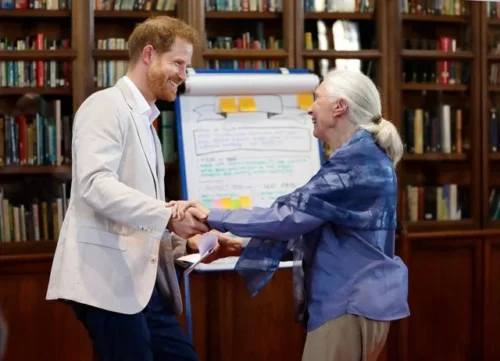
In 1971, she co-founded what would become the Jane Goodall Institute, an organization dedicated to chimpanzee conservation, habitat preservation, and scientific education. The institute has supported community-centered conservation programs across Africa and around the world, linking local livelihoods to the health of ecosystems and the survival of species. It also championed the Roots & Shoots program, which empowers young people to act on environmental, animal welfare, and human rights issues.
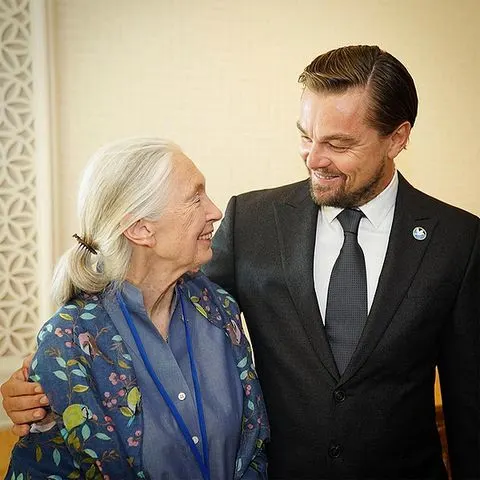
In recent decades, Goodall has been a vocal advocate for science communication, climate resilience, and sustainable development. Her global platform—built through lectures, media appearances, and a robust network of researchers and volunteers—reinforces the idea that individual actions can accumulate into meaningful collective impact.
Her memoirs and public talks continue to inspire new generations to recognize that humans, chimpanzees, and other species share a common heritage of social complexity and emotional depth. Not surprising that she and her work were subject to several documentaries, including the 2017 National Geographic film “Jane.”
Jane Goodall’s legacy will not only be in the ground-breaking data she gathered, but in the broader cultural shift she helped catalyze: a scientific enterprise that values curiosity, humility, and responsibility toward the living world. As biodiversity faces escalating threats, her insistence on bridging science and stewardship remains a guiding beacon for researchers, conservationists, and citizens alike.