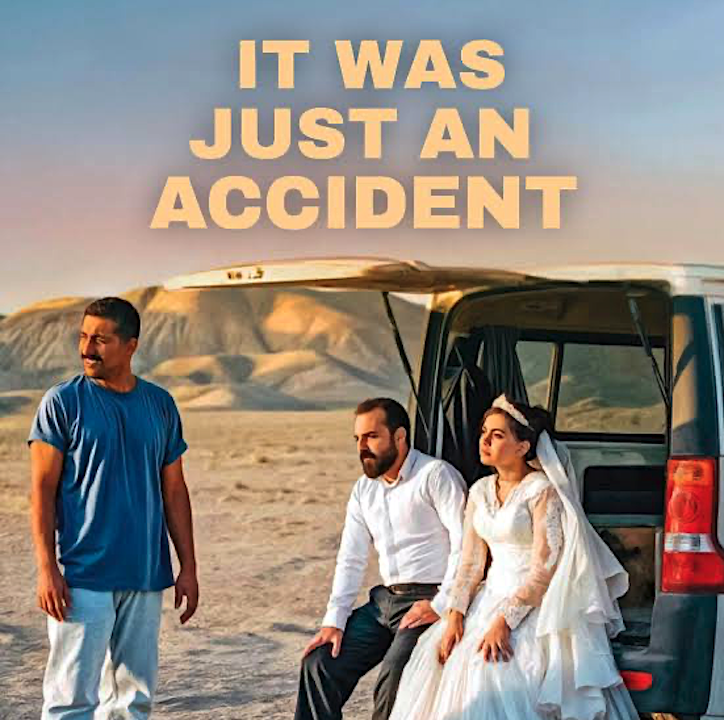
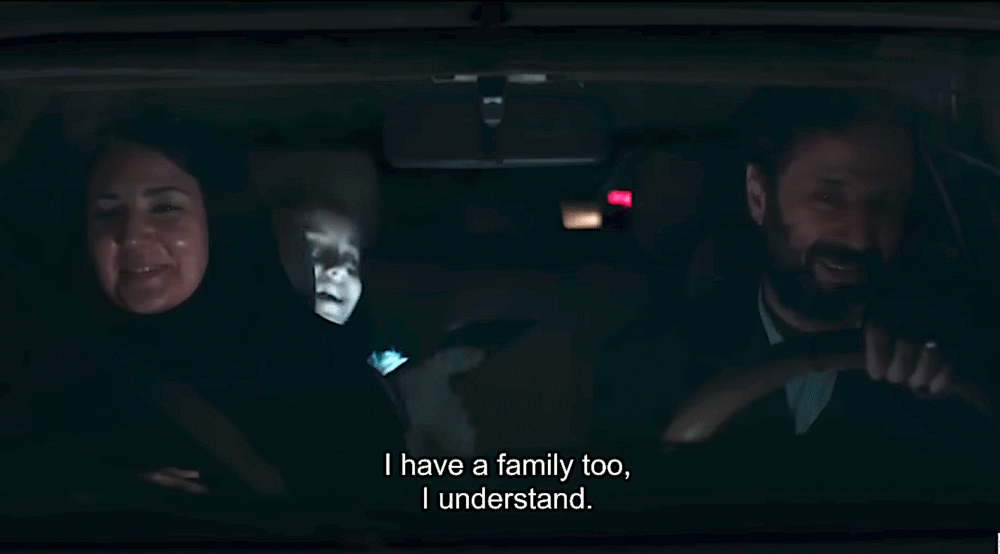
Jafar Panahi’s It Was Just An Accident (France/Iran) was included in the lineup of this year’s Asian World Film Festival in Los Angeles, screening on Saturday afternoon. It Was Just An Accident begins on a dark night in Iran when Rashad (Ebrahim Azizi), his pregnant wife (Afssaneh Najmabadi), and their daughter (Delmaz Najafi) have car trouble while driving home. While driving along a deserted country road, they suddenly hit an animal, presumably a dog. The animal dies on the spot, the family is unharmed. “Just an accident,” the mother soothes his daughter. Her expectant mother (Afssaneh Najmabadi), attempting to calm the child down, explains that this unfortunate occurrence must all be part of God’s plan. “God had nothing to do with it,” the girl responds, pointedly countering her mother’s naïve optimism, while her father, Eghbal (Ebrahim Azizi), remains stoic behind the wheel.
Shortly afterward, the car stalls, and the father takes it to the garage for repairs. Rashad asks for help at a car shop their vehicle has stalled in front of when an auto mechanic named Vahid (Vahid Mobasseri) hears recognizes the sound of his prosthetic leg and recognizes it as belonging to “Peg Leg” Eghbal, an Iranian intelligence agent who tortured him on behalf of the regime for protesting in favor of workers’ rights. Vahid follows Rashad who he only suspects is Eghbal, since he never saw his face during his imprisonment and only heard his voice and prosthetic leg, and kidnaps him; planning to bury him alive in revenge.
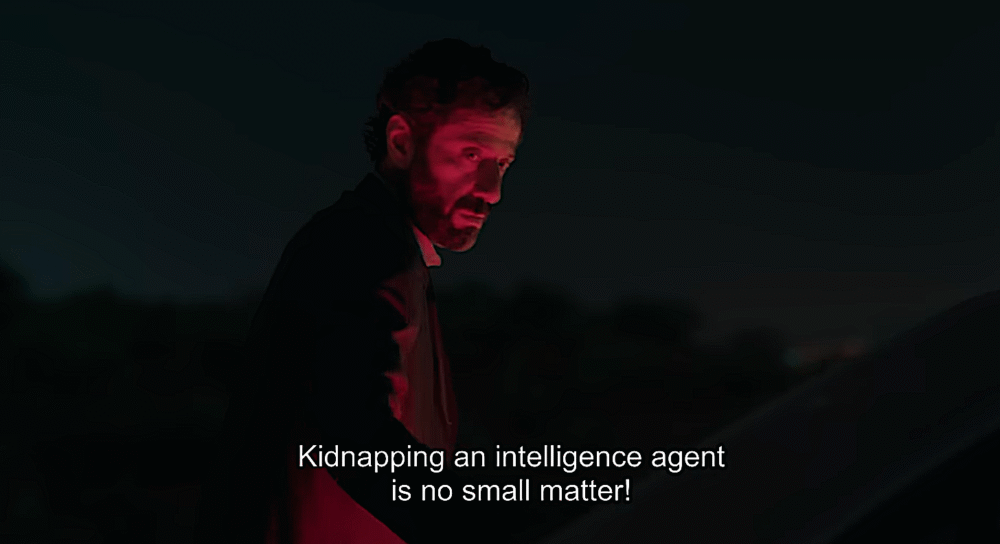
Vahid’s old wounds are reopened, and he decides on a radical act: he kidnaps the man, locks him in a large wooden tool box, and drives to a remote location, determined to bury his tormentor alive. But doubt gnaws: is this man really Eghbal? The man begs for his life while denying being the man he’s looking for and Vahid hesitates to kill him until he can be sure. Vahid soon reaches out to other former prisoners of the infamous torturer to see if they can identify him and the group soon finds itself at odds over whether vengeance is the right thing to seek.
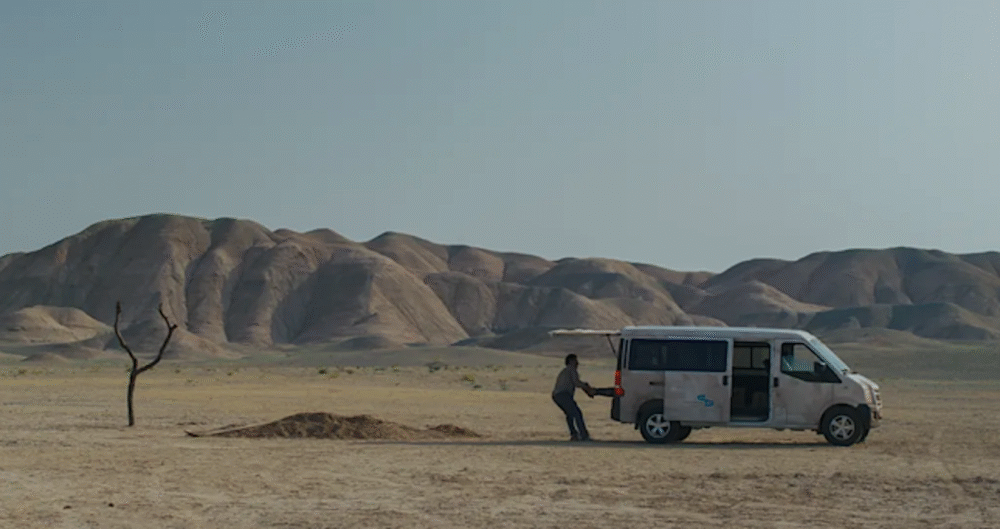
What immediately stands out about this film is the masterful way in which Panahi presents the moral dilemma at the center of its plot. When we first meet Rashad, we see only his interaction with his family without any other reference as to his background or character. This serves to humanize him without giving any hint as to whether he’s the monster who tortured the group of people who have taken him captive, or just an innocent family who himself is the victim of mistaken identity. At the same time, the film avoids using exposition or long monologues to describe the tyranny of Iran’s authoritarian regime and instead shows the audience the reach of their tyranny and its effect on the Iranian populace through character dialogue and their reactions to learning about Vahid’s discovery of Eghbal.
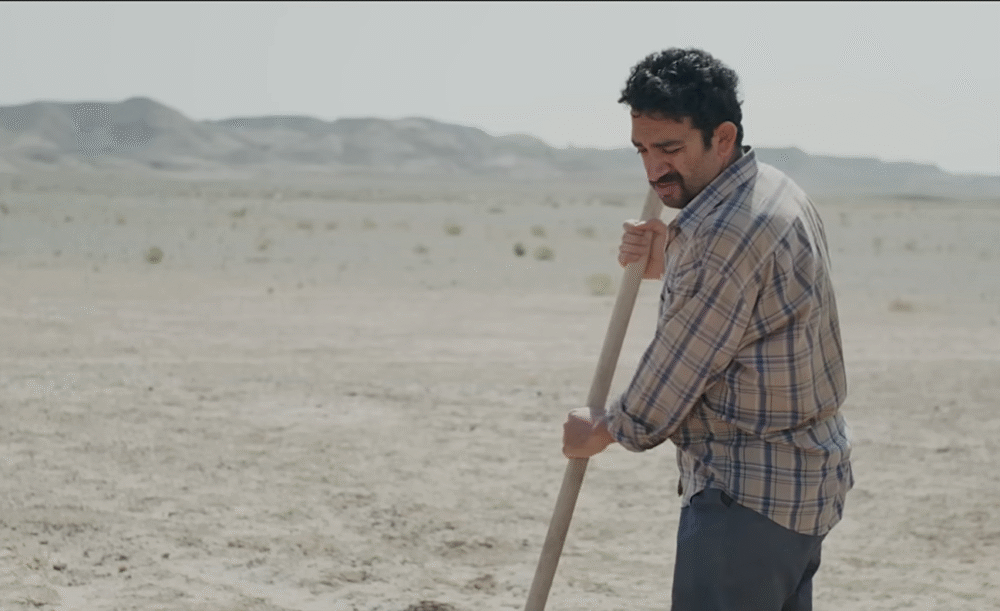
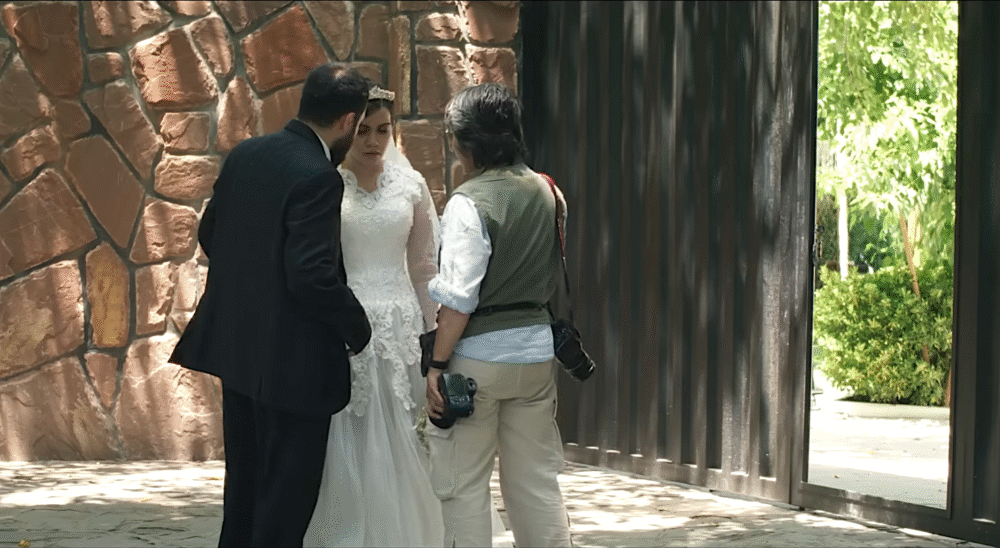
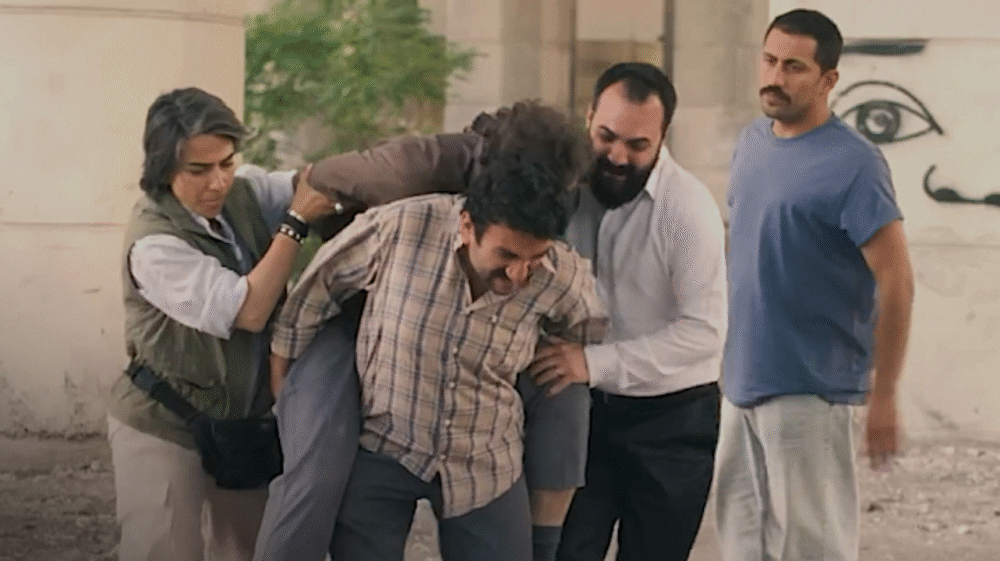
The juxtaposition of the little we know of Rashad/Eghbal and the multiple character reactions to him serve to both strengthen both the mystery at the center of the film and the moral dilemma the characters face. Vahid searches for witnesses who can identify him. And so the group grows: a wedding photographer, Shiva (Mariam Afshari); the soon-to-be-married couple, Goli (Hadis Pakbaten) and Ali (Majid Panahi), and an impulsive, hothead Hamid (Mohamad Ali Elyasmehr). They share the same desire for justice – or rather, revenge. Hamid’s intense anger at his tortured makes complete sense and his wish to exert immediate revenge is understandable, but what if they’re wrong?
Because they were all blindfolded when they knew Peg Leg, their perception of him is sensory: Vahid identifies him by sound, Shiva by smell, and Hamid by touching the scars on the man’s leg. The invocation of the sensorial intimates that these people are being governed as much by instinct and emotion as by logic, inspiring snap reactions fueled by anger. But their mission quickly crumbles, as doubts, mistrust, and heated debates divide the group.
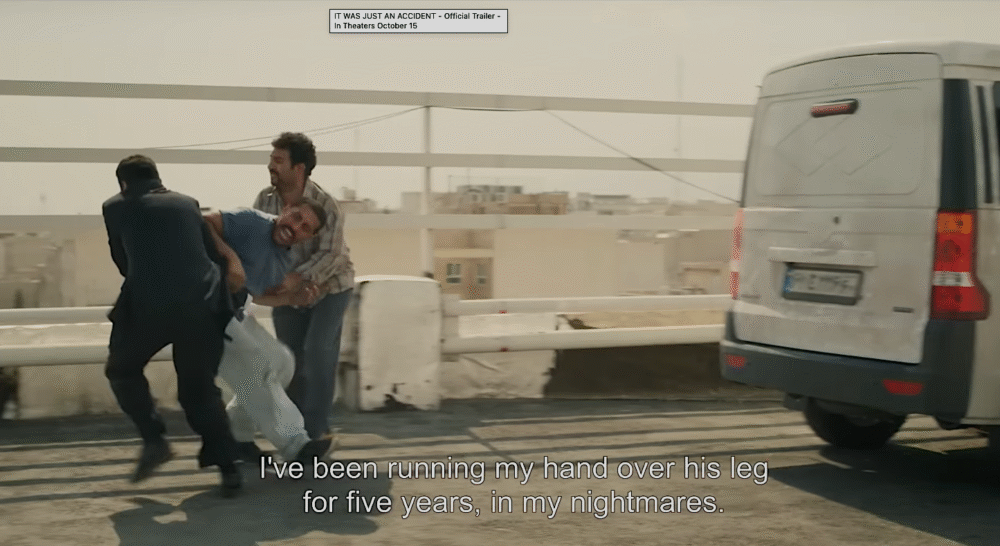
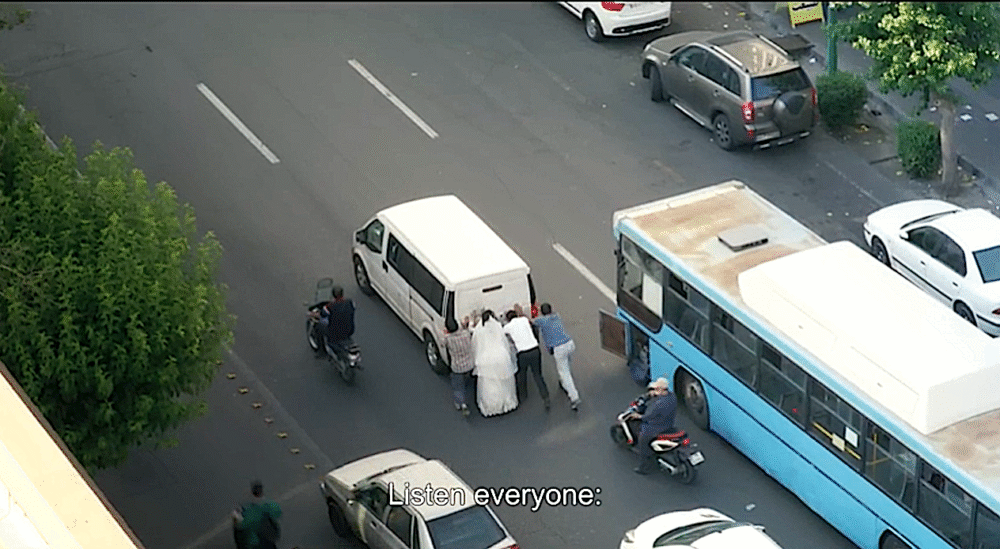
There are macabre stabs of satire, black comedy and horror-farce, and the movie almost looks like an Iranian dissident tribute to Weekend at Bernie’s or even Hitchcock’s The Trouble With Harry. At times, the characters spill out of the van and argue about their plan in plain view of others. In a notable scene, Panahi keeps his characters in a state of queasy tension after they catch the attention of security guards at a parking garage. The guards ask for a bribe to look the other way, and when Vahid and his conspirators say they don’t have any cash, the guards quickly produce portable card readers. A hospital nurse asks Vahid if he knows how to give a “present” or just make a scandal – and she wants a box of pastries to go with the money. There is some acid satire on Iranian officialdom’s addiction to bribes.
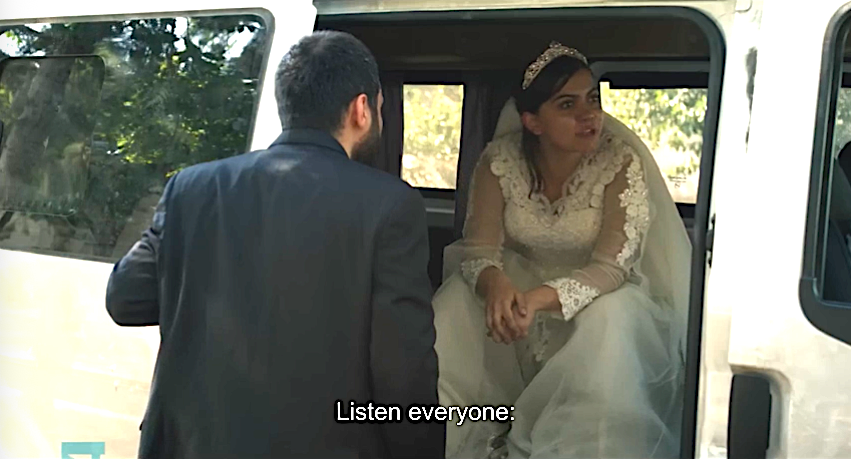
This won’t be the only time the group has to begrudgingly make payments to others, and the film aims a brutally satiric arrow at the corruption that’s rampant in Iran by making the characters’ overarching fear of being caught with a kidnapped person an ultimately baseless one in a world where nothing matters except for personal gain. Add to this the scenes in which Goli has to participate in the mayhem wearing her wedding dress. It’s another very impressive serio-comic film from one of the most distinctive and courageous figures in world cinema.
What if, in the midst of their trauma, they and their memories of being in fear for their lives flooding back, they’ve misidentified an innocent man and are on the verge of making a fatal mistake? And even if they are right and Rashad is Eghbal, wouldn’t killing him change them into the monsters they hate? Watching the group ponder these questions while wrestling with their emotions makes stark not just the conundrum within the film, but the real life struggle against brutal governments in real life not just in Iran, but worldwide.
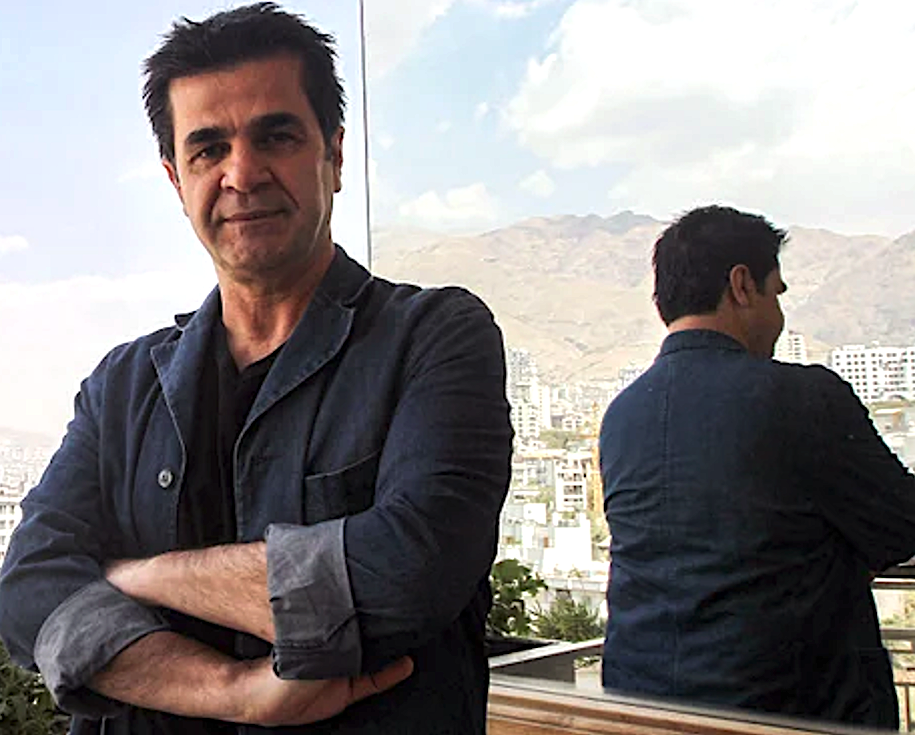
Jafar Panahi’s It Was Just an Accident just won the Palme d’Or at the Cannes Film Festival and has been selected as France’s submission for Best International Feature Film for the 2026 Academy Awards. Panahi has faced significant challenges due to his outspoken criticism of the Iranian government. In 2010, he was arrested, then banned from making films for 20 years, and sentenced to six years in prison. Despite that ban, Panahi continued to make films secretly, using innovative techniques to elude those restrictions. It Was Just an Accident is his first film since that ban has been lifted. The film was included in the recent AFI FEST 2025 last week and the American French Film Festival in Los Angeles this evening. It is released in selected theatres in the city now.
begins on a dark night in Iran when Rashad (Ebrahim Azizi), his pregnant wife (Afssaneh Najmabadi), and their daughter (Delmaz Najafi) have car trouble while driving home. While driving along a deserted country road, they suddenly hit an animal, presumably a dog. The animal dies on the spot, the family is unharmed. “Just an accident,” the mother soothes his daughter. Her expectant mother (Afssaneh Najmabadi), attempting to calm the child down, explains that this unfortunate occurrence must all be part of God’s plan. “God had nothing to do with it,” the girl responds, pointedly countering her mother’s naïve optimism, while her father, Eghbal (Ebrahim Azizi), remains stoic behind the wheel.
Shortly afterward, the car stalls, and the father takes it to the garage for repairs. Rashad asks for help at a car shop their vehicle has stalled in front of when an auto mechanic named Vahid (Vahid Mobasseri) hears recognizes the sound of his prosthetic leg and recognizes it as belonging to “Peg Leg” Eghbal, an Iranian intelligence agent who tortured him on behalf of the regime for protesting in favor of workers’ rights. Vahid follows Rashad who he only suspects is Eghbal, since he never saw his face during his imprisonment and only heard his voice and prosthetic leg, and kidnaps him; planning to bury him alive in revenge.
Vahid’s old wounds are reopened, and he decides on a radical act: he kidnaps the man, locks him in a large wooden tool box, and drives to a remote location, determined to bury his tormentor alive. But doubt gnaws: is this man really Eghbal? The man begs for his life while denying being the man he’s looking for and Vahid hesitates to kill him until he can be sure. Vahid soon reaches out to other former prisoners of the infamous torturer to see if they can identify him and the group soon finds itself at odds over whether vengeance is the right thing to seek.
What immediately stands out about this film is the masterful way in which Panahi presents the moral dilemma at the center of its plot. When we first meet Rashad, we see only his interaction with his family without any other reference as to his background or character. This serves to humanize him without giving any hint as to whether he’s the monster who tortured the group of people who have taken him captive, or just an innocent family who himself is the victim of mistaken identity. At the same time, the film avoids using exposition or long monologues to describe the tyranny of Iran’s authoritarian regime and instead shows the audience the reach of their tyranny and its effect on the Iranian populace through character dialogue and their reactions to learning about Vahid’s discovery of Eghbal.
The juxtaposition of the little we know of Rashad/Eghbal and the multiple character reactions to him serve to both strengthen both the mystery at the center of the film and the moral dilemma the characters face. Vahid searches for witnesses who can identify him. And so the group grows: a wedding photographer, Shiva (Mariam Afshari); the soon-to-be-married couple, Goli (Hadis Pakbaten) and Ali (Majid Panahi), and an impulsive, hothead Hamid (Mohamad Ali Elyasmehr). They share the same desire for justice – or rather, revenge. Hamid’s intense anger at his tortured makes complete sense and his wish to exert immediate revenge is understandable, but what if they’re wrong?
Because they were all blindfolded when they knew Peg Leg, their perception of him is sensory: Vahid identifies him by sound, Shiva by smell, and Hamid by touching the scars on the man’s leg. The invocation of the sensorial intimates that these people are being governed as much by instinct and emotion as by logic, inspiring snap reactions fueled by anger. But their mission quickly crumbles, as doubts, mistrust, and heated debates divide the group.
There are macabre stabs of satire, black comedy and horror-farce, and the movie almost looks like an Iranian dissident tribute to Weekend at Bernie’s or even Hitchcock’s The Trouble With Harry. At times, the characters spill out of the van and argue about their plan in plain view of others. In a notable scene, Panahi keeps his characters in a state of queasy tension after they catch the attention of security guards at a parking garage. The guards ask for a bribe to look the other way, and when Vahid and his conspirators say they don’t have any cash, the guards quickly produce portable card readers. A hospital nurse asks Vahid if he knows how to give a “present” or just make a scandal – and she wants a box of pastries to go with the money. There is some acid satire on Iranian officialdom’s addiction to bribes.
This won’t be the only time the group has to begrudgingly make payments to others, and the film aims a brutally satiric arrow at the corruption that’s rampant in Iran by making the characters’ overarching fear of being caught with a kidnapped person an ultimately baseless one in a world where nothing matters except for personal gain. Add to this the scenes in which Goli has to participate in the mayhem wearing her wedding dress. It’s another very impressive serio-comic film from one of the most distinctive and courageous figures in world cinema.
What if, in the midst of their trauma, they and their memories of being in fear for their lives flooding back, they’ve misidentified an innocent man and are on the verge of making a fatal mistake? And even if they are right and Rashad is Eghbal, wouldn’t killing him change them into the monsters they hate? Watching the group ponder these questions while wrestling with their emotions makes stark not just the conundrum within the film, but the real life struggle against brutal governments in real life not just in Iran, but worldwide.
Jafar Panahi’s It Was Just an Accident just won the Palme d’Or at the Cannes Film Festival and has been selected as France’s submission for Best International Feature Film for the 2026 Academy Awards. Panahi has faced significant challenges due to his outspoken criticism of the Iranian government. In 2010, he was arrested, then banned from making films for 20 years, and sentenced to six years in prison. Despite that ban, Panahi continued to make films secretly, using innovative techniques to elude those restrictions. It Was Just an Accident is his first film since that ban has been lifted.