The film opens with a provocative scene. One that makes you tilt your head and ask, wait, what is happening here? Once we understand the circumstances, we are introduced to our protagonists.
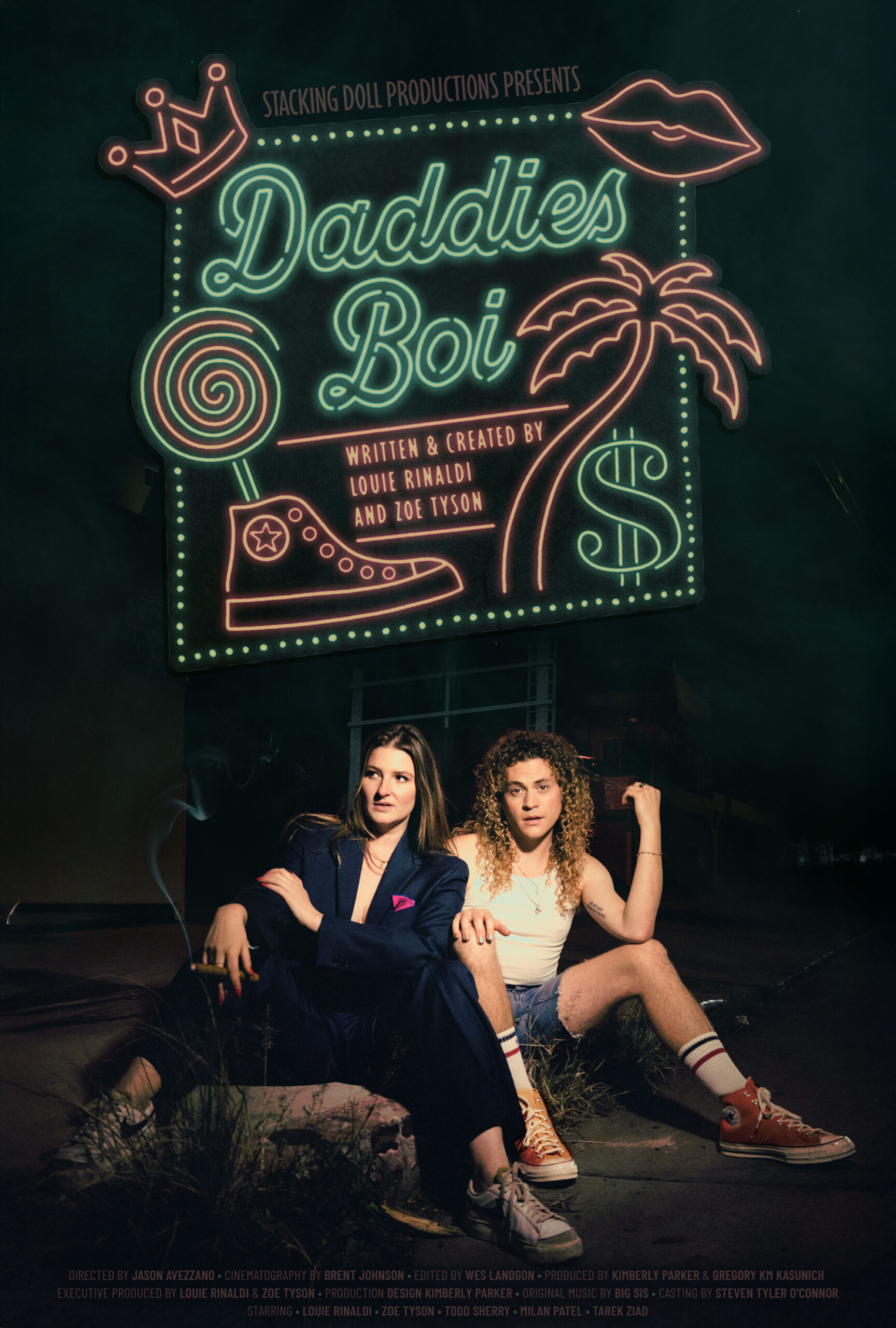
Two not-so-young-anymore adults on the cusp of a real adulthood, the version of steady careers, solid creative pursuits, families and responsibilities. They’re not ready yet and we get to watch them in this uncomfortable place. They are disgruntled and broke and playful. They live in the gritty and magical setting of Los Angeles. They are best friends who support one another and rationalize each other’s unconventional ways and means of staying afloat in the city. At one point, Billie, played by Zoe Tyson (she/her), encourages her deflated friend on his birthday. Ozzie, played by Louie Rinaldi (they/them), reflects, “I say I’m an artist, but I’m not making art. I’m not even making rent.” The premise is set.
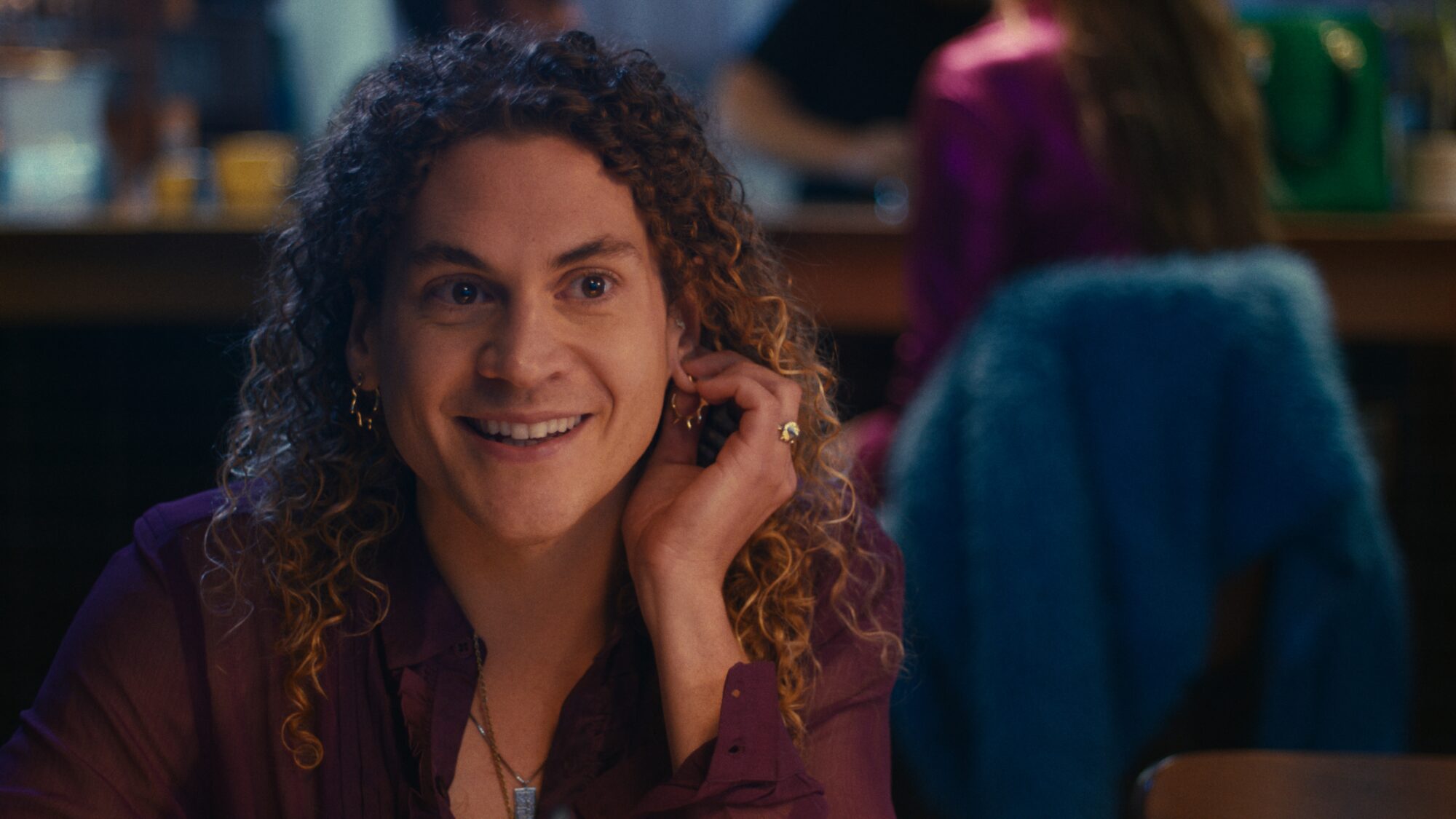
What follows in Daddies Boi is playful, fast, and undeniably edgy, yet it never feels careless with its stakes. Directed by Jason Avezzano, the pilot understands tone. It sparkles without denying the shadows underneath. The world of sugar dating, gig hustles, and curated personas is presented with humor, but not mockery. There is intention here.
Tyson and Rinaldi, who co-created, co-wrote, and star in the project, are drawing from lived experience. As they explained, they moved from Chicago to Los Angeles as trained actors, best friends navigating nannying jobs, personal assisting, and eventually the corners of what they call the “desire economy.” The series is fictionalized, but it is rooted in something real. “It’s Los Angeles. It’s not Los Angeles. It’s us. It’s not us,” Rinaldi said, describing the balance between autobiography and invention.
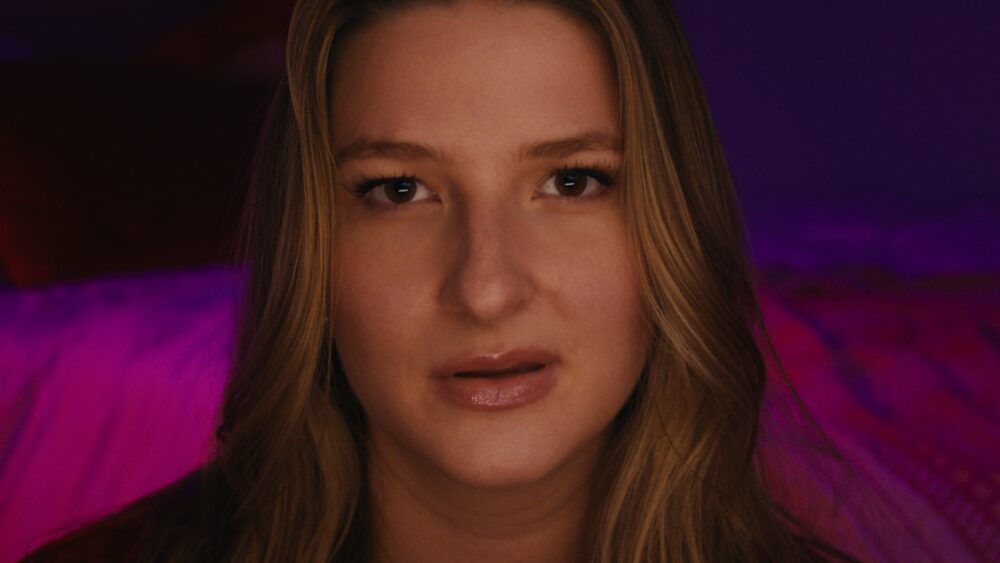
Importantly, they are not interested in retelling this world through a purely victimized lens. Too often, stories about sex work arrive dressed in procedural darkness. Tyson pointed out that many portrayals filter these lives through a Law & Order: SVU frame. Their aim is different. They want to acknowledge danger and complexity while also showing humor, agency, and joy. As Rinaldi put it, this is not something happening only “in a dark alley in the seventies on TV.” It is contemporary. It is layered. It is human.
Still, the show pauses when it needs to. In a brief alley scene, the glitter falls, the shadows grown and the two characters reflect, it’s an intimate moment.
Tyson described their larger goal as creating something that speaks to this particular time, “We wanted to create something that speaks to the time we’re in now. We’re all seeking that joy, but we’re seeking it because what’s surrounding it is not inherently joyful.” It is a line that lands. Post-pandemic recalibration has left many millennials reassessing ambition, survival, and self-worth. The series does not lecture about it, but it hums beneath the surface.
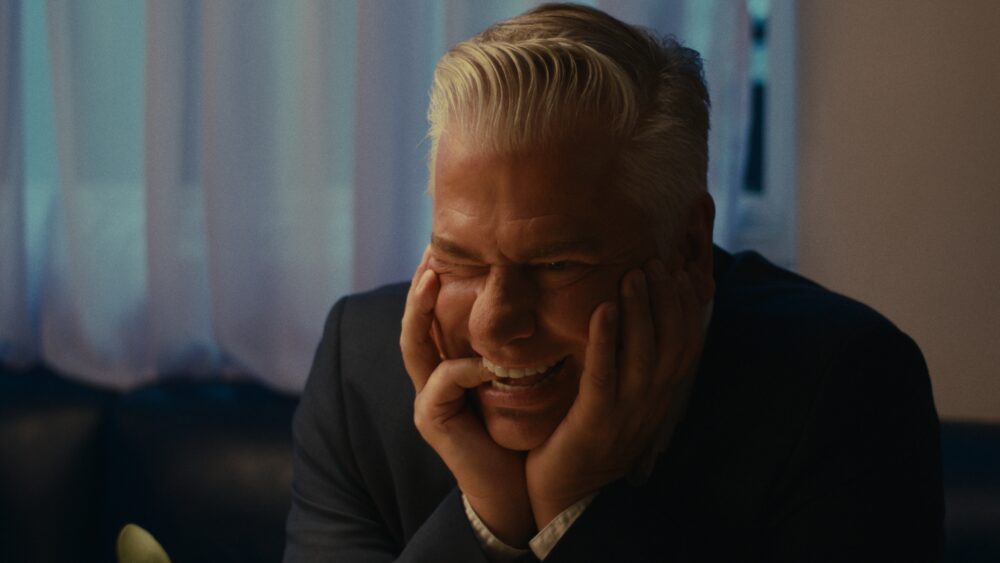
Tyson and Rinaldi met at 18 while studying acting at DePaul University. They have lived together, written together, and built a creative language over nearly two decades. That history shows. Their characters’ ride-or-die bond is the emotional spine of the piece. In what they describe as the “gray areas” of hustle culture, friendship becomes salvation. Community becomes currency. Love outweighs spectacle.
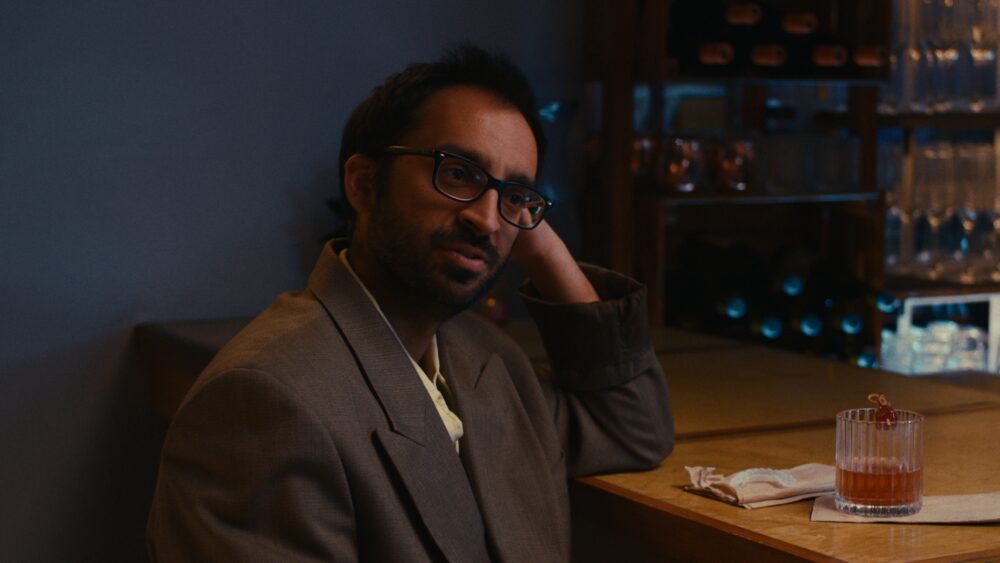
Director Jason Avezzano enters as a steady collaborator. Having worked with the duo previously, he understood that this was their story to tell. They described him as playful and deeply collaborative, someone who allowed them to surrender into performance while he guided the larger vision. That trust matters, particularly when creators are also producers and actors wearing multiple hats.
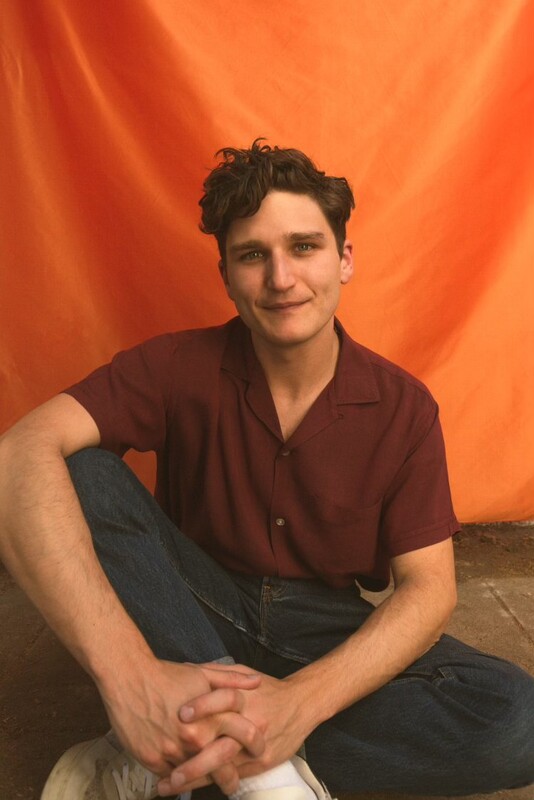
The pilot may be light on its feet, but it is not slight. There is a broader arc mapped out. They’ve created a full pilot script and a three-season series bible already developed. The intention is to explore recurring clients, deepen emotional consequences, and expand the world beyond its initial comedic frame.
Why now? The cultural landscape has shifted. Audiences are more open to queer, non-mainstream storytelling that resists tidy moral framing. The recent success of projects like Heated Rivalry suggests there is appetite for specificity. And as many storytellers have noted, the more specific a story becomes, the more universal it can feel. In focusing tightly on two millennial artists navigating relevance, desire, and rent in Los Angeles, Daddies Boi taps into something broadly recognizable.
The last scene in the pilot leaves us with the two protagonists challenging each other to a dare. By then, we as viewers are on board for the ride. We expect it will be a crazy train ride with bumps, twists, and drops, fueled by heart and humor.
Hear more on our in-depth interview with the creators here.
Tickets to the live Slamdance Film Festival are sold out but virtual passes and tickets are still available. Follow the creators of Daddies Boi below.
Slamdance Film Fest Passes
Watch the trailer here at Daddies Boi official website: daddiesboifilm.com
Jason Avezzano Personal/film site with Daddies Boi page: jasonavezzano.com/daddies-boi/
Louie Rinaldi Instagram: @louiejustlouie, Zoe Tyson Instagram: @zoe.tyson, Production Company website: stackingdollproductions.com