With two documentaries at ReadingFilmFEST, the Oley-based distributor shows how a back-to-the-land idea from 1973 became a national pipeline for films that matter.
Reading, PA (The Hollywood Times) October 14, 2026 — When John Hoskyns-Abrahall placed his first business call as co-founder of a brand-new film company, the man on the other end was not impressed. “This is John Hoskyns-Abrahall from Bullfrog Films,” he announced. A dry voice answered, “I hope that’s the worst thing about your company.” More than 50 years later, the name has held up just fine. From a former turkey farm in Oley, on the edge of Reading, Bullfrog Films has grown into what it calls the country’s oldest and largest publisher of environmental films, putting independent documentaries in front of students, educators, and community groups across the nation.
Bullfrog is a sponsoring partner of ReadingFilmFEST and holds a seat on its advisory board, and this year it brings two documentaries to the festival. The Little Things That Run the World, directed by Doug Hawes-Davis, screens Saturday, November 7, at 2:30 PM in IMAX Theater 1. The Welcome Table, from Academy Award-nominated and Emmy-winning filmmaker Josh Fox (Gasland), screens that evening at 8:00 PM at the GoggleWorks Center for the Arts, with Fox joining the audience virtually. Behind both screenings is a company as rooted in Berks County as the farms around it.
Back to the Land
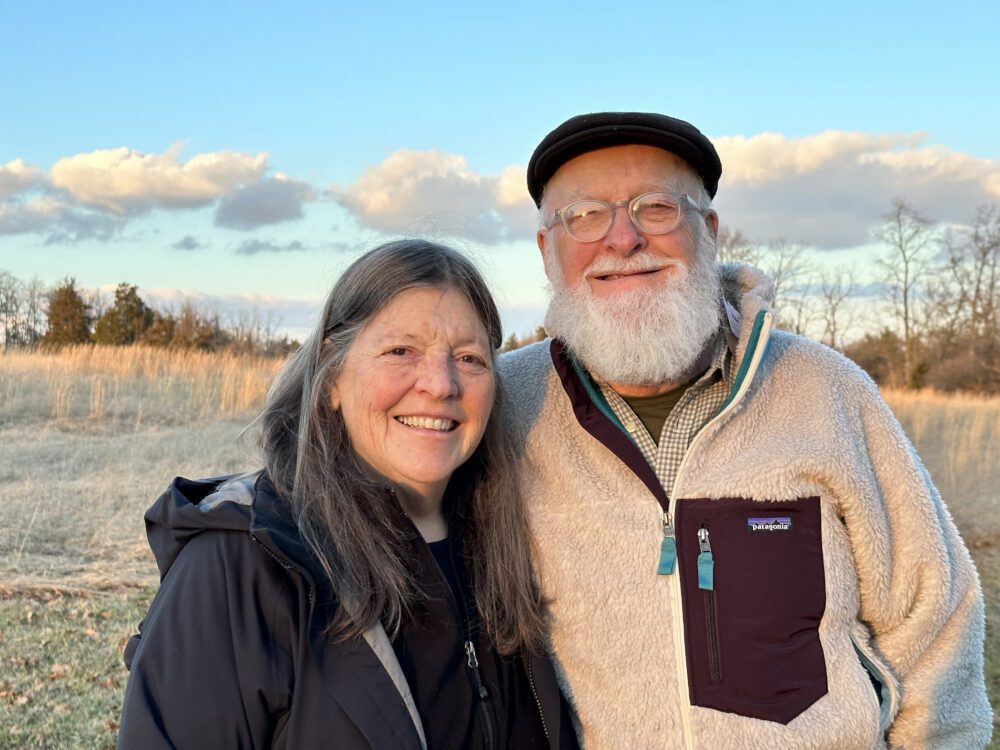
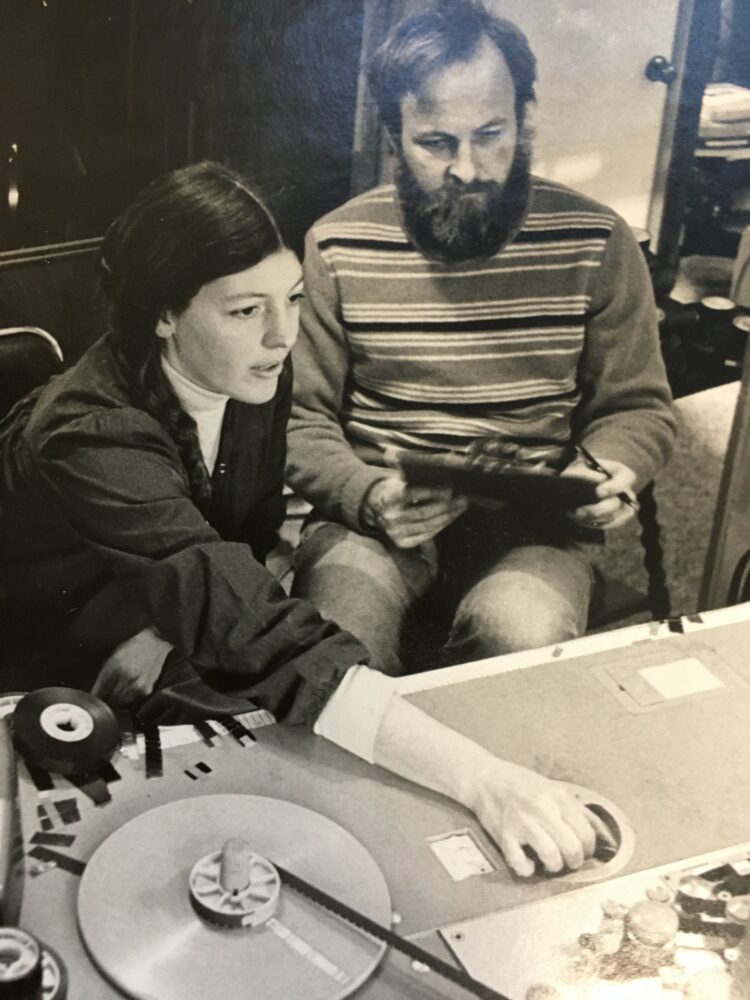
Bullfrog began with two transplants and a 16mm camera. John Hoskyns-Abrahall, an Englishman, and Winifred “Winnie” Scherrer, a Californian, met in graduate school at Penn, and their first time hauling heavy filmmaking equipment came at the first Earth Day. Before launching Bullfrog in 1973, they spent two years as the film division of Rodale Press in Emmaus, the publisher of Organic Gardening magazine that John calls “the parent of the natural foods movement,” making six 16mm films about organic farming and nutrition. When Rodale decided to drop its film division, the couple set up on their own, distributing the films they had made with the marketing know-how they had picked up and continuing to make new ones in Bullfrog’s early years. Other filmmakers’ work soon followed. “We needed a stream of films coming through, and there were great films being made that we didn’t have to make,” Winnie said.
They did it, in John’s words, “on a shoestring.” “That’s one of the keys to our success,” he said. “The number one thing is do it as cheaply as possible.” Guerrilla marketing and low overhead in farm country did the rest, and the location had a practical edge: close to New York and Philadelphia, and three hours from Washington, D.C., when they needed a film lab. The ethic was never just business. John traces it to the late-’60s back-to-the-land spirit: “Living off the land, being frugal, being grateful, all of the things that still apply. We had that ethic before Rodale.”
The name came from a pond. While working at Rodale, the couple lived on a property whose pond produced a chorus of bullfrogs, and John spent weekends trying to photograph them, only to watch them leap into the water every time he got close. Then one afternoon he discovered they would sit perfectly still and let him walk right up for the shot. It didn’t hurt that the first film John ever worked on was Bronco Bullfrog, a British indie feature. When the couple went looking for a company name, it was the first thing he said, and it has stood them “in very good stead for 50 years.”
Solar Panels and Farm Country
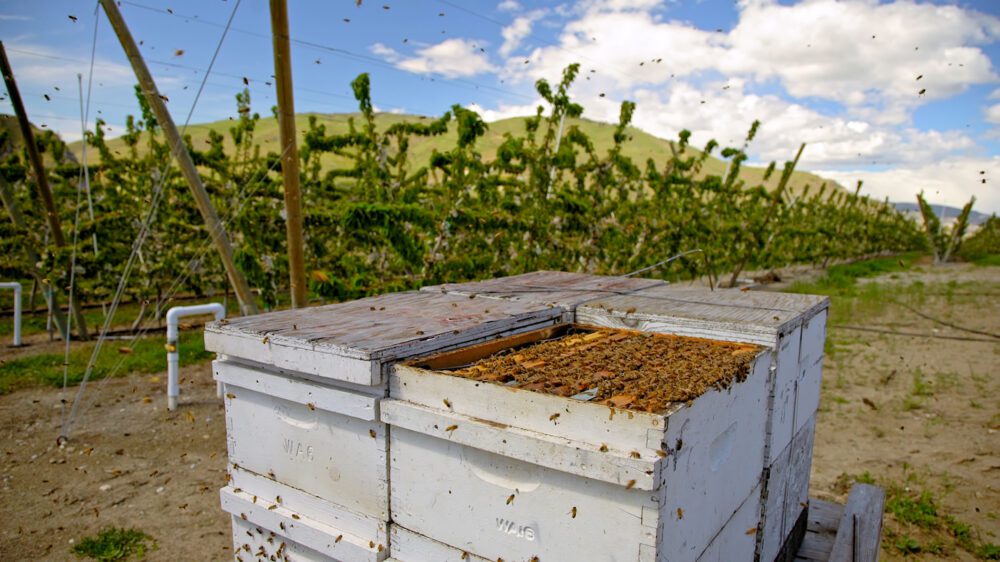
The company came before the land. Needing a home and an office fast, the couple drove around a corner and spotted a house with an outbuilding that could hold the business, on what was once a turkey farm. “We’re glad we did,” Winnie said. The property sits in Pennsylvania Dutch farmland about 75 minutes northwest of Philadelphia, backing onto a large field where deer, foxes, red-tailed hawks, bluebirds, and wild turkeys regularly appear. It runs on the values in the catalog: solar collectors power the office computers, a ground source heat pump heats and cools the building, and a passive solar greenhouse is attached to the house. “Trying to have the least impact on the Earth,” Winnie said, “but boy, does it take technology.”
The region shapes the work in quieter ways too. Winnie credits a long line of local staff, “good, smart, grounded people” who tend to stay for years. She also praises Berks County for preserving its farmland, which keeps the balance of city and country intact, and John points to the Amish and Mennonite communities nearby, “very much tied to the land” and to simple living, as part of the landscape Bullfrog calls home.
What Makes a Bullfrog Film
Mark Martelli, who joined Bullfrog in the mid-2000s and serves as its digital media asset manager while also handling film festivals, graphics, and social media, says the catalog reflects its founders. “The films we select very much embody the values of John and Winnie,” he said, “how we should live more sustainably, more equitably.” Over the decades, the focus has widened from energy and agriculture to social justice, war and peace, and gender. John, who still leads acquisitions and relations with filmmakers, puts his test simply. “The main thing I’m looking for is something that’s alive,” he said. “We’re looking for films that are alive, meaning concerned with life, life on the planet, and sometimes the forces that are repressing that life.”
A Catalog With a Conscience
Bullfrog’s stated mission is “to bring together programs that point the way to a new paradigm for living happily, healthily and sustainably,” and it defines environment broadly. The collection runs from ecology, energy, and marine biology to Indigenous peoples, women’s studies, economics, ethics, and conflict resolution, in styles from animation to investigative documentary and for audiences from pre-kindergarten through adult. Its producers include the National Film Board of Canada, the CBC, BBC-TV, and the Australian Broadcasting Corporation alongside leading independents, and a separate performing arts collection comes almost entirely from Rhombus Media. The work has earned a retrospective screening at the Museum of Modern Art in New York and a special award from Medikinale International in Parma, Italy.
Bullfrog has also fought for its films in court. With the Center for Constitutional Rights and five other producers and distributors, it sued the U.S. Information Agency over the agency’s refusal to grant educational certificates to certain films based on their perceived political bias. The case, Bullfrog v. Wick, stretched on for nearly a decade before Bullfrog won on all counts in 1995.
Life After the Festival
Some films arrive at Bullfrog after a long, planned festival run. Others come in with little exposure, and Bullfrog submits them to the festivals where they will build the most appeal with academic audiences. For select titles, the company also arranges impact campaigns through a partner company, sending films on tour with guest speakers or the filmmakers themselves.
Then comes what John calls “the art.” Bullfrog markets mainly to instructors rather than librarians, showing them how a film works in the classroom, and it maps each title to as many disciplines as it can. “It’s much better if you can say, well, it’s useful in sociology and public health,” John said, “so that it’s not just one department’s budget paying for the film.”
The delivery has changed far more than the mission. In the 16mm days, a single print cost a few hundred dollars to make. Mark arrived just as VHS was giving way to DVD, a shift he admits Bullfrog was “playing catch-up” on, and for years no one knew whether DVD or streaming would win. Bullfrog hedged early by co-founding Docuseek, an academic streaming service, with Icarus Films and other distributors, so when the pandemic hit, it was ready. Lockdown also gave Bullfrog Communities, its community screening program, an unexpected boost as the team worked out how to deliver films virtually so groups could watch and talk together while apart. “People were looking for that connection,” Mark said. Today Bullfrog’s films reach viewers through Docuseek, Bullfrog Communities, the subscription service OVID.tv, and Bullfrog Films On Demand, and many titles also turn up on Amazon and Google Play.
Two Films, Two Journeys
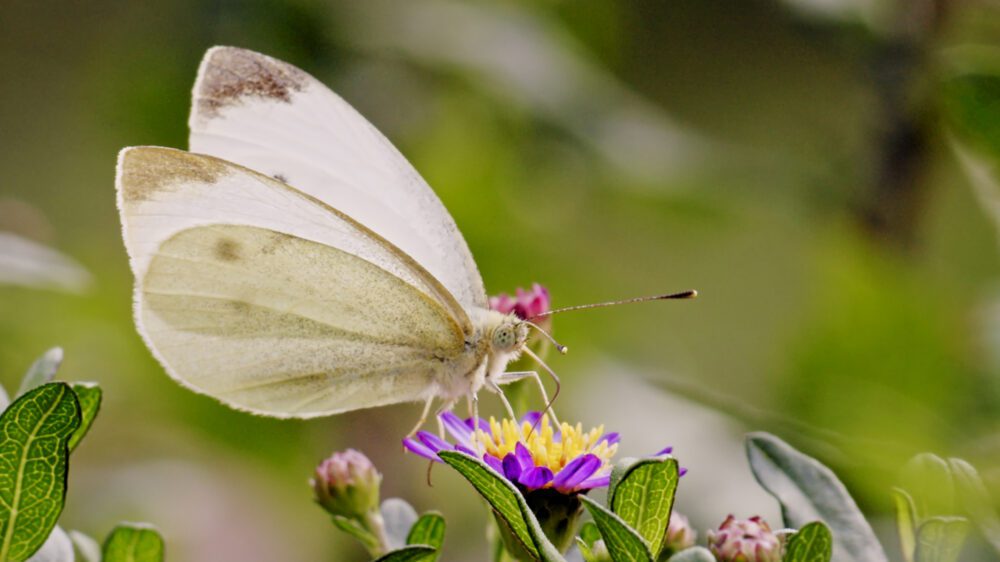
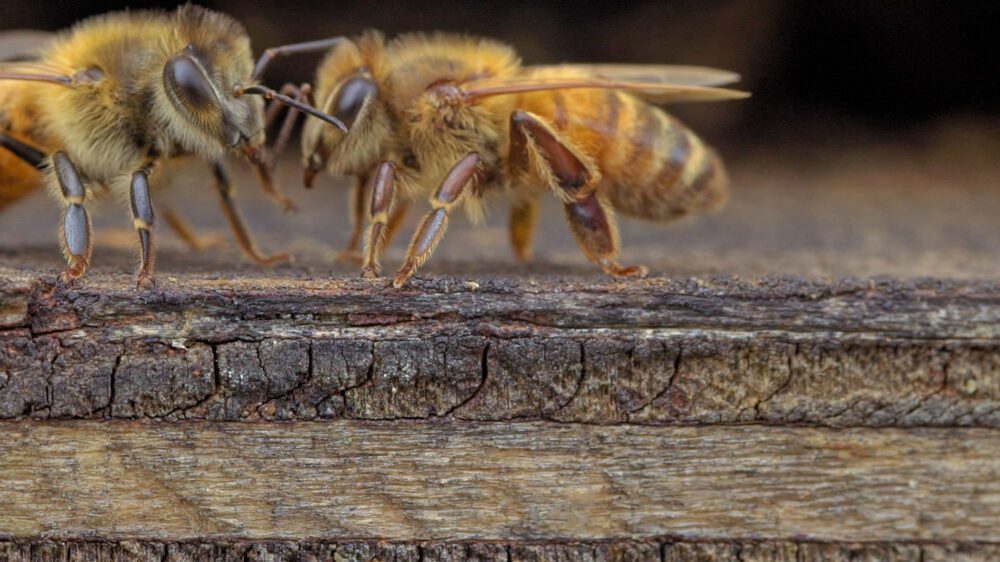
Doug Hawes-Davis’s The Little Things That Run the World sets out to understand the steep worldwide decline of insects and what their disappearance could mean for the ecosystems that sustain us. The film has already played major festivals and joined Bullfrog’s catalog, which puts Reading near the tail end of its festival life and gives local audiences a big-screen look at a film already finding its way into classrooms.
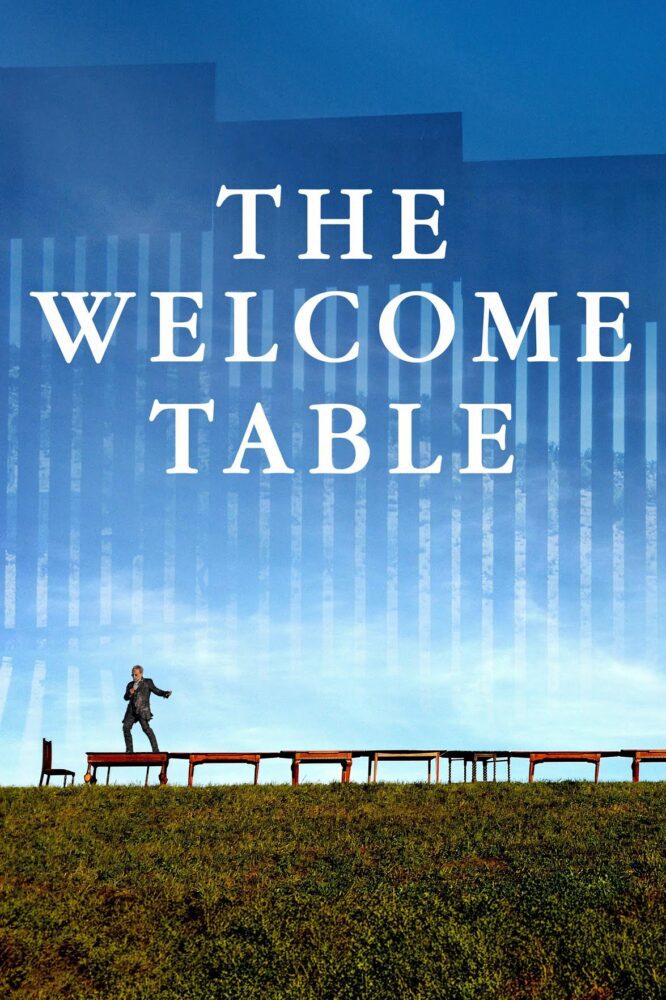
The Welcome Table arrives at the opposite end of its journey. Fox is just launching the film with screenings all over, and Bullfrog will time its release with him, which makes Reading one of the early stops. John sums up the message plainly: “Don’t build a wall. Put the wall flat and make a welcome table, ’cause that’s the spirit that’s gonna get us through the climate change.” The film weaves together migration and climate, two crises Winnie expects to intensify. “Building walls is not gonna help humanity,” she said. “It’s a really wonderful, timely film.” Bullfrog also released Fox’s The Edge of Nature last spring, which follows the filmmaker into the Pennsylvania woods to heal from long COVID, a film Winnie calls “very moving” for its portrait of the natural world.
Fifty Years and Counting
Asked who carries Bullfrog forward, Winnie points to Mark and to the couple’s son, Alex Hoskyns-Abrahall, Bullfrog’s vice president and director of Bullfrog Communities, who came back from California to take over and has also been busy running Docuseek, which now streams films for a couple dozen distributors. Retirement is not on the agenda. “Some people retire if they can,” Winnie said. “Some people do what they do, and this is what we do.” With Mark as a key part of the transition, she added simply, “Bullfrog will continue.”
The Interview
That staying power makes Bullfrog a natural partner for ReadingFilmFEST, which Winnie praises as “a festival for filmmakers” that supports artists down to covering their hotel rooms, and which Mark sees growing every year with bigger audiences and bigger films. When the couple named their company, the bullfrog stood for survival and adaptability. Five decades on, Bullfrog admits it did not foresee “that even frogs would be threatened by environmental contaminants,” a turn that makes the films it champions feel more urgent than ever.
ReadingFilmFEST runs November 6 to 8, 2026, at the GoggleWorks Center for the Arts and IMAX Theaters 1 and 2 in Reading. Explore the program at readingfilmfest.com/program, buy tickets on FilmFreeway, and browse Bullfrog’s catalog at bullfrogfilms.com.
Docuseek is the premier academic streaming source for social-issue and environmental documentaries.
Bullfrog Communities is the community and campus-wide screening program of Bullfrog Films.
OVID is a curated streaming destination for home viewing of documentaries and art house films.