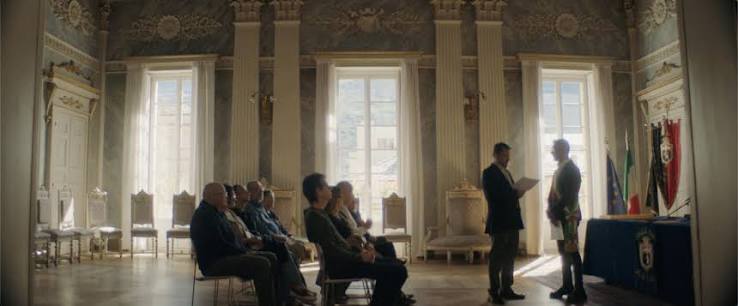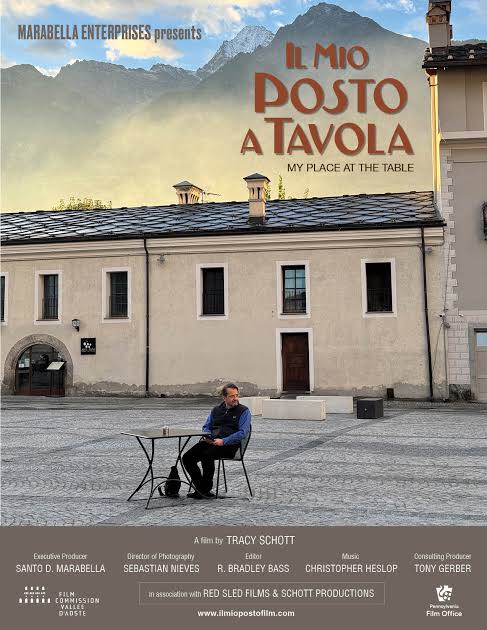
Il Mio Posto A Tavola screened as part of Opening Night at the River Valley Film Festival on Friday, July 17, 2026, at 8:00 p.m. in Williamsport, Pennsylvania.
By Valerie Milano
Williamsport, Pennsylvania (The Hollywood Times) 7/16/26 – Some documentaries seek answers. Others ask questions. Il Mio Posto A Tavola (My Place at the Table) does both, while offering something even more profound: a deeply personal exploration of belonging, identity, forgiveness, and family.
Executive producer and subject Santo D. Marabella joined The Hollywood Times for a conversation ahead of the documentary’s screening at the River Valley Film Festival, where audiences will have the opportunity to experience a story that resonates far beyond the adoption community.
At its heart, Il Mio Posto A Tavola chronicles Marabella’s search for answers as an adoptee born during the Baby Scoop Era, the period between 1950 and 1970 when countless children were placed for adoption under circumstances that often-left lasting emotional questions for all involved.
The project emerged during a particularly difficult chapter in Marabella’s life. Within just three and a half years, he lost his mother, father, and beloved dog. Having spent years caring for others, he suddenly found himself confronting a question many people eventually face: What now?
“It was a dark place,” Marabella admitted. Rather than remaining there, however, he embarked on a journey to better understand his own story.
The documentary became that journey.
What makes Il Mio Posto A Tavola so compelling is that it refuses to settle for easy answers. Marabella makes it clear that this is not a story of victimhood. Instead, it is an honest examination of what it means to search for one’s roots while honoring the family that raised you.
Raised by loving adoptive parents whom he proudly calls his parents, Marabella nevertheless carried unanswered questions throughout his life. Like many adoptees, he often struggled with feelings of not quite belonging.
The film’s title reflects that search beautifully. In Italian culture, the table represents family, celebration, conversation, and connection. It is where life happens. Yet Marabella found himself wondering which table truly belonged to him and where his place might ultimately be found.
One of the documentary’s most moving aspects is its willingness to challenge long-held assumptions. During the filmmaking process, Marabella gained a deeper understanding of his birth mother and the circumstances she faced. Information he had received over the years painted one picture; the truth revealed another.
Rather than fueling resentment, the discovery fostered compassion.
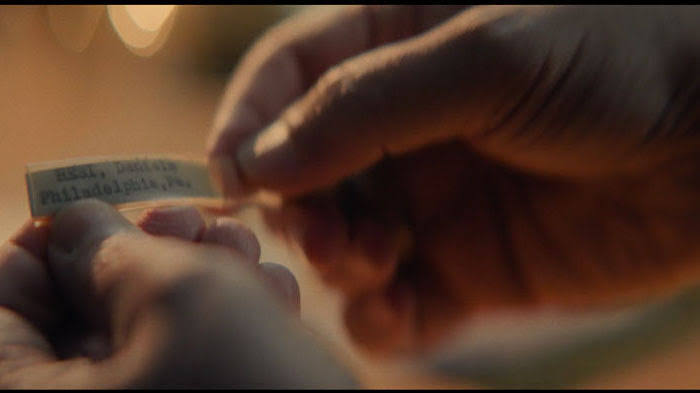
The result is a film that explores forgiveness without sentimentality and understanding without judgment. It demonstrates how greater knowledge can transform perspective and create space for healing.
While adoption serves as the film’s framework, its themes are universal. Audiences at screenings and festivals have responded strongly regardless of their personal backgrounds. Many see reflections of their own experiences with loneliness, identity, family, and acceptance.
For Marabella, that response has become one of the film’s greatest rewards.
Success, he explained, is not measured solely by festival selections or audience numbers. It is measured by helping others find validation, peace, and a sense of belonging within their own stories.
That impact has already been felt. The documentary has screened at approximately eight film festivals and recently reached an audience of hundreds at the National Association of Social Workers conference, where its themes struck a particularly meaningful chord.
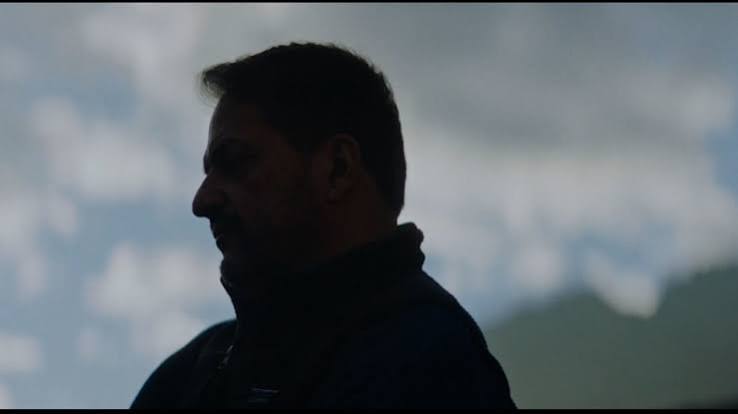 The film’s journey may be only beginning. Marabella revealed that there has already been interest from PBS member stations regarding future broadcasts, potentially bringing the documentary to an even wider audience.
Beyond filmmaking, Marabella continues to tell meaningful stories through theater. His play Getting Complete is scheduled for an off-off-Broadway production at Theater for the New City in January 2027. Originally conceived as a story of revenge against childhood bullies, the work evolved into a story of redemption—a transformation that mirrors many of the lessons explored in Il Mio Posto A Tavola.
In the end, the documentary succeeds because it is both intimate and universal. It tells one man’s story while speaking to anyone who has ever searched for connection, understanding, or a place to belong.
Sometimes finding your place at the table isn’t about discovering where you came from.
It’s about finally understanding that there has always been room for you there.
Il Mio Posto A Tavola screens as part of Opening Night at the River Valley Film Festival on Friday, July 17, 2026, at 8:00 p.m. in Williamsport, Pennsylvania.
For more information, visit Santo Marabella’s official film and project websites and follow the film on social media for future screening announcements.