
By Valerie Milano
Palm Springs, CA (The Hollywood Times) 1/16/25 – David Lynch, the groundbreaking filmmaker known for his surreal and unsettling storytelling, has passed away at the age of 79. Lynch, whose career spanned decades and genres, left an indelible mark on cinema, television, and art. His unique ability to blend the bizarre with the beautiful made him one of the most influential and enigmatic figures in the world of entertainment.

Born in Missoula, Montana, on January 20, 1946, Lynch’s early years were spent in small-town America, a setting that would later feature prominently in his work. After studying painting and attending the School of the Museum of Fine Arts in Boston, Lynch gravitated toward filmmaking, making his first short film, Six Men Getting Sick (1967). The experimental piece, which featured a loop of six men experiencing discomfort, was a harbinger of the strange, atmospheric, and often nightmarish world Lynch would go on to create.
In 1977, Lynch directed Eraserhead, a low-budget, black-and-white film that became a cult classic and solidified his reputation as a filmmaker unafraid to challenge conventional storytelling. The film’s haunting visuals, nightmarish imagery, and existential themes marked the beginning of a long and productive career that would feature an iconic series of films and television projects.
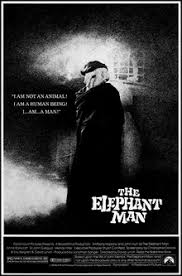
Lynch’s filmography included notable works such as The Elephant Man (1980), Blue Velvet (1986), Mulholland Drive (2001), and Inland Empire (2006). His films were often marked by a blend of disturbing imagery and surreal narratives, with themes of duality, identity, and the uncanny. He also pushed the boundaries of what was possible within the confines of traditional cinema, merging genres and defying audience expectations.
In addition to his work in film, Lynch is perhaps best known for creating the landmark television series Twin Peaks (1990-1991). The show, which combined elements of soap opera, crime drama, and supernatural mystery, redefined what television could be. Its quirky characters, dreamlike visuals, and unsettling tone turned it into a cultural touchstone, and it remains one of the most influential series in TV history.
Throughout his career, Lynch became known for his ability to draw audiences into unsettling and dreamlike worlds. His work was frequently described as being “Lynchian” — a term that refers to the combination of surreal, bizarre, and often unnerving elements in his storytelling.
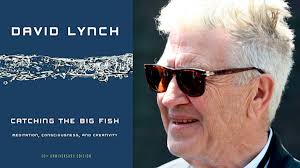
Lynch’s influence extended beyond the screen. He was also an accomplished musician, visual artist, and author. He created music for several of his films, often collaborating with composers like Angelo Badalamenti to craft haunting soundtracks that became synonymous with his work. Lynch also continued his artistic endeavors through painting, photography, and his books, including Catching the Big Fish: Meditation, Consciousness, and Creativity, which reflected his interest in transcendental meditation and its impact on his creative process.
Known for his enigmatic public persona, Lynch’s interviews and appearances were as unconventional as his work. He was often tight-lipped about his personal life and the meanings behind his films, preferring instead to let audiences interpret his work in their own ways. His refusal to explain his films’ mysteries became a signature trait, cementing him as a director who encouraged viewers to embrace ambiguity and explore their own perceptions.

David Lynch is survived by his family and a vast body of work that will continue to inspire filmmakers, artists, and audiences for generations to come. He leaves behind a legacy of artistic innovation that pushed the boundaries of cinema and challenged audiences to look at the world through a different, often uncomfortable, lens.
As the entertainment world grapples with his loss, Lynch’s work will undoubtedly continue to resonate, his unique voice in cinema impossible to replicate but never forgotten.