Los Angeles, CA (The Hollywood Times) 8/24/26 – Forty years is certainly something to celebrate.
But when an organization was founded during one of the darkest chapters in LGBTQ+ history, a 40th anniversary carries with it much more than candles, champagne and congratulations. It carries memories. It carries the names of people who were lost. It carries gratitude for the people who fought when few others would. And, perhaps most importantly, it carries a responsibility to keep going.
That is exactly what Being Alive LA plans to do.
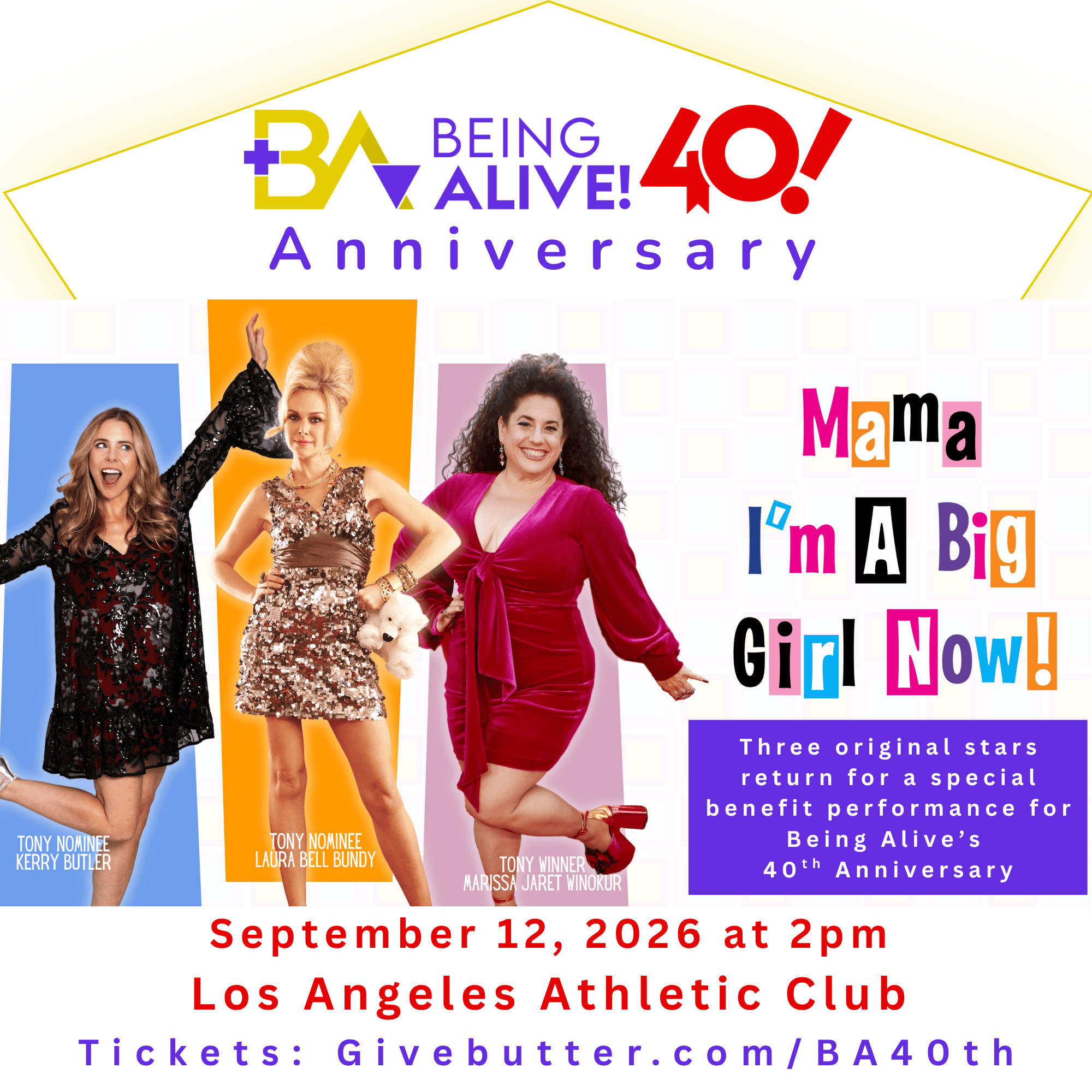
On Saturday, September 12, Being Alive will celebrate four decades of service to people living with HIV and AIDS with 40 Years of Being Alive, a fundraising celebration at the Los Angeles Athletic Club featuring awards, testimonials, community leaders and a very special Broadway performance.
The Hollywood Times and Aspiring Magazine recently sat down via Zoom with Jamie Baker, Executive Director of Being Alive, to talk about the milestone, how dramatically life with HIV has changed over the last four decades, and why the organization’s work is still very much needed today.
And The Hollywood Times will be there September 12 to cover this very special afternoon.
For Baker, the anniversary brings mixed emotions.
“It’s a huge milestone on one hand,” he told us, while acknowledging that it is frustrating that HIV services are still necessary four decades later.
CLICK BELOW FOR OUR EXCLUSIVE INTERVIEW:
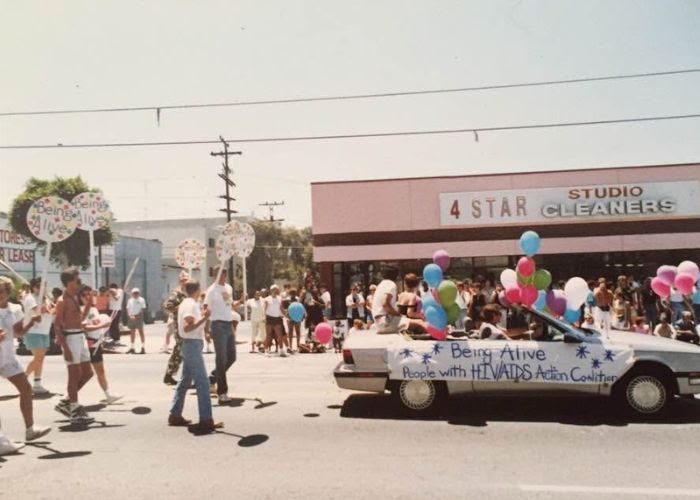
When Being Alive was founded in 1986, the world looked very different for someone diagnosed with HIV/AIDS.
Baker recalled that in those early years, nine out of ten people who developed AIDS would die. Being Alive’s mission was not simply about medical care. It was about helping people live whatever life they had with dignity, hope, friendship and community.
There were mindfulness workshops, nutrition programs, social support and groups that kept people connected at a time when fear and isolation were everywhere.
The very name Being Alive reflected that philosophy.
Baker explained that the founders were inspired by Stephen Sondheim’s song “Being Alive” from Company. The message resonated with a group of people who refused to simply sit back and wait for death.
 They wanted to live.
And 40 years later, that spirit is still at the center of the organization.
The medical progress Baker has witnessed is extraordinary.
Where HIV once carried a terrifying prognosis, modern treatment can now mean one pill a day or long-acting injectable treatment.
But better medication has not erased the human challenges that accompany HIV.
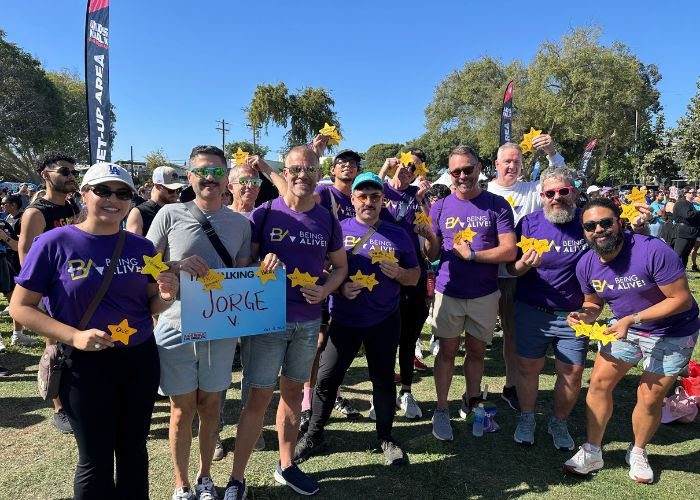 Many of Being Alive’s clients are now aging with HIV, something many of them never imagined would happen.
Some gave away possessions, spent savings or didn’t prepare for retirement because they genuinely believed they would not live long enough to need those things.
Now they are facing retirement age, financial challenges, loneliness and health issues after decades of living with HIV.
Baker also spoke about the physical reality of aging with the virus, explaining that a lifetime of chronic inflammation can create additional health problems and pain.
And then there is something medicine has never been able to cure:
Stigma.
Even today, Baker said, newly diagnosed young people can walk through Being Alive’s doors terrified that nobody will ever love them or that they will spend the rest of their lives alone.
Those fears may sound remarkably similar to the fears people expressed 40 years ago.
Being Alive is there to tell them something very important:
 That simply isn’t true.
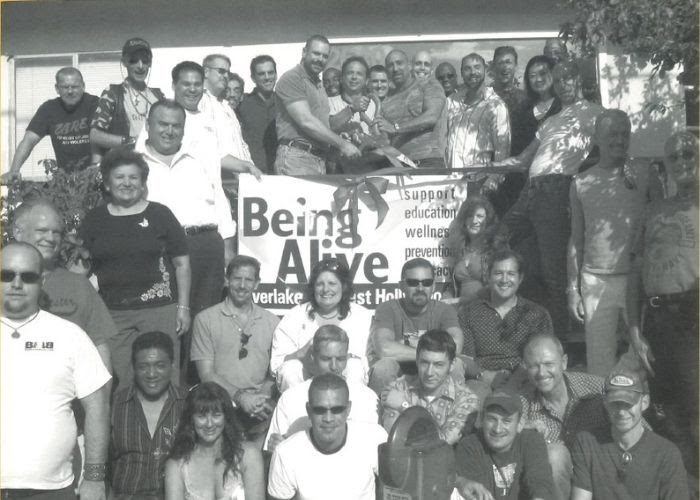
Being Alive was created by people living with HIV who wanted an organization that didn’t bury people under paperwork, bureaucracy and red tape.
Four decades later, Baker is particularly proud that this personal approach has survived.
The organization’s philosophy remains rooted in a simple idea: “For us, by us.”
Clients aren’t treated as numbers.
The staff knows their names.
They know their struggles.
They know their stories.
“We know our clients,” Baker told us. “They come in, and we know their names.”
That may sound like a small thing.
It isn’t.
When someone already feels isolated or stigmatized, being known can mean everything.
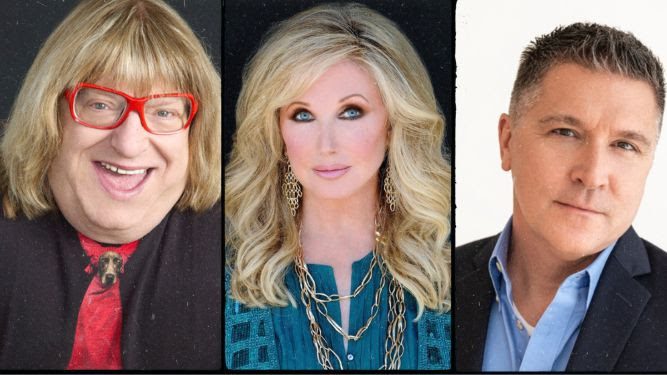
(FROM THE LEFT) BRUCE VILANCH, MORGAN FAIRCHILD, AND JOSEPH LEAHY.
The September 12 celebration will also recognize three people whose contributions to HIV/AIDS advocacy have made a lasting impact.
Actress and longtime advocate Morgan Fairchild and writer, comedian and advocate Bruce Vilanch will receive Spirit of Hope Awards, while HIV therapeutic specialist Joseph Leahy will receive the Russell Ybarra Community Spirit of Hope Award.
Baker told us Fairchild was speaking publicly about HIV/AIDS at a time when doing so could come with very real career consequences.
“Morgan Fairchild, she lost jobs because of her advocacy for HIV,” Baker said. “People didn’t want to hear what she had to say when all she was doing was speaking the truth.”
Vilanch has also spent decades advocating for the community, bringing something uniquely his own to the fight.
Humor.
Baker described him as a staunch advocate who has used his “special, hilarious way” to keep people listening, thinking and caring.
Leahy may not have the same celebrity name recognition, but within the HIV community, Baker considers him very much a star.
 His career has been devoted to education, treatment awareness and supporting people affected by HIV.
For an organization founded around community, honoring someone whose life’s work has been about community feels exactly right.
There will also be plenty of music and laughter.
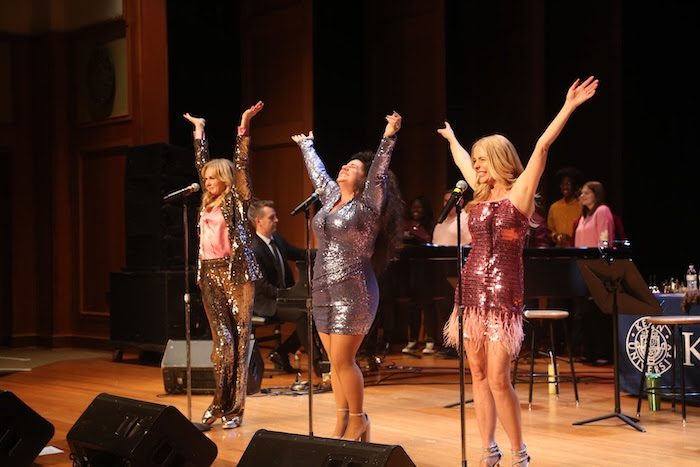
Tony Award winner Marissa Jaret Winokur and Tony Award nominees Kerry Butler and Laura Bell Bundy will perform a special 30-minute excerpt from their touring concert and cabaret, Mama, I’m A Big Girl Now.
The three performers famously originated the roles of Tracy, Penny and Amber in Broadway’s Hairspray and have remained friends for more than two decades.
Their appearance also brings Being Alive’s story full circle.
Because of the organization’s connection to Sondheim’s “Being Alive,” Broadway has been part of its DNA practically from the beginning. Baker also pointed to Being Alive’s longstanding relationship with Broadway Cares/Equity Fights AIDS.
And Baker himself readily admits he loves show tunes.

(FROM THE LEFT) KERRY BUTLER, MARISSA JARET WINOKUR, AND LAURA BELL BUNDY.
So yes, Broadway belongs at this party.
Perhaps the most moving moment of our conversation came when Judy Shields, Managing Editor of The Hollywood Times, asked Baker what he hopes people will feel when they leave the September 12 celebration.
His answer beautifully captured what this anniversary really represents.
He wants people to experience care and remembrance, a sense of accomplishment and, at the same time, joy.
He described it as something almost like “laughter through tears.”
For the Hollywood, West Hollywood and Broadway communities, the losses during the AIDS crisis were staggering.
An entire generation of artists, designers, creators, friends and loved ones disappeared far too soon.
We will never know everything they might have created or who they might have become.
But remembering them doesn’t mean surrendering joy.
Baker referenced the film Jeffrey and its unforgettable message: hate AIDS, not life.
 That philosophy seems especially fitting for Being Alive’s 40th birthday.
There will be remembrance.
There may be tears.
But there will also be laughter, music, friendship and celebration.
Because after everything this community has survived, it is still our party.
It can be tempting to believe that because HIV is now treatable, the crisis is over.
Baker strongly cautions against that assumption.
Changes in public policy and funding can quickly affect prevention, education and treatment access. Federal funding cuts are already impacting the ability of organizations to provide services, he said.
And HIV has not gone away.
Neither has fear.
Neither has loneliness.
 Neither has stigma.
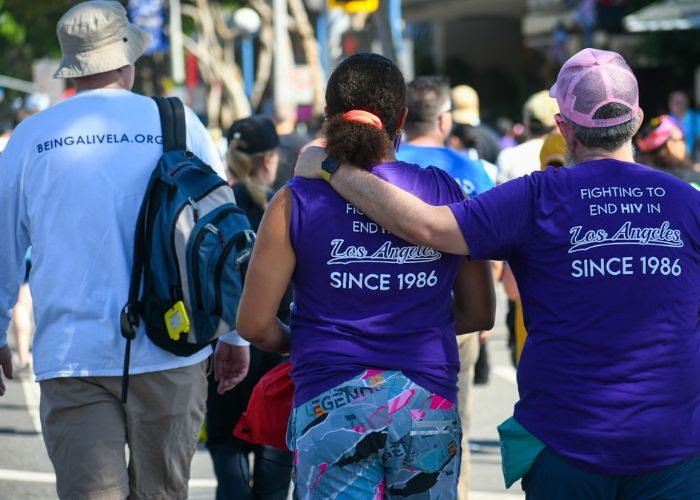
Being Alive continues providing the kind of support that cannot be delivered in a prescription bottle: community, mental health support, education, understanding and a place where people know your name.
When Shields asked what Being Alive’s founders might think if they could see the organization today, Baker said he hopes they would be proud that their core belief has survived.
The belief that you take care of people.
The belief that you support your community.
“That’s one thing that we’ve not let go,” he said. “And I hope we never do.”
You don’t have to attend the fundraiser to support Being Alive.
Baker said unrestricted donations are especially valuable because they allow the organization to provide services without the limitations that can accompany government funding or grants.
Education matters too.
Talk about HIV.
Talk about condoms.
 Talk about PrEP.
Have honest conversations with young people.
And perhaps most importantly, help take away the shame and stigma that can prevent someone from asking for help.
As Baker put it, sometimes what is needed most is simply loving, open conversation.
Of course, you can also come celebrate.
40 Years of Being Alive takes place Saturday, September 12, 2026, from 2:00 p.m. to 4:00 p.m. at the Los Angeles Athletic Club’s Victory Ballroom, 646 S. Olive Street in Los Angeles.
General admission tickets are $200 and VIP tickets are $350.
Tickets and additional information are available through BeingAliveLA.org.
And Jamie Baker promises it will be worth being there.
“It’s gonna be a great event,” he told us as our Zoom conversation came to an end. “We’re really excited. We’re proud and excited.”
So are we.
The Hollywood Times looks forward to being there September 12 to celebrate, remember and cover 40 remarkable years of Being Alive, and the important work that still lies ahead.