By: Victoria Stevens
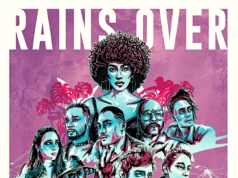
New York, NY (The Hollywood Times) 10/12/2026, Documentaries came about in the 1900’s with the first recorded piece of work from a young poet and film editor named Dziga Vertov. His group produced a series of educational newsreels, known as Kino-Eye, during the Russian Revolution. Since then, documentarians have created films about subjects they believe deserve to be heard and brought to the audience’s attention. What distinguishes a compelling documentarian is not only the subject they spotlight, but also the passion and purpose driving the film. The Ebony Canal is not just a documentary around maternal health problems in African American women and the protection of life; it is about so much more. Award-winning director Emmai Alaquiva has created a powerful film centered on real women working to change the trajectory of maternal health and save the lives of African American women around the world.
“This film follows the birthing journey of four women: Larissa Lane, Mariah Peoples, Rachel L Strader, and Alana Yzola Daily. It covers the hurt, healing, and hope of birthing journeys of women as well as the disparities and solutions. Black women are dying 3 times out of their white counterparts and with everyone involved we thought it would be great to make this movie about their journeys, so we have something crystalized for generations to come on how to deal with birth, especially in a country like America,” explained Alaquiva.
Driven to share the film’s message with audiences worldwide—especially healthcare leaders and other decision-makers—Alaquiva has spoken at film festivals across the United States. From winning the best documentary at the Urbanworld Film Festival to winning the outstanding short film documentary at the 57th NAACP Image Awards, Alaquiva has moved with purpose and spoke with clarity about what this journey was all about. The Ebony Canal just took home the best short documentary at the 17th annual Oscar-qualifying Bronzelens Film Festival, which led to the documentary becoming an Oscar qualifying film. This is where more conversations have been initiated around this strong message.
“The Bronzelens Film Festival was an amazing festival where we had the honor of winning the best short documentary. It meant a lot to be recognized by such an institution. To be able to have individuals like Charles Johnson, Lamman Rucker, LeToya Luckett who is one of the founders of Destiny’s Child, acknowledge the film and be apart of that, was by far such a humbling experience. It speaks volumes on how it is going to take us all to continue this situation,” explained Alaquiva.
As audiences worldwide confront the longstanding failures of healthcare systems and institutions to prevent the deaths of African American women and children, The Ebony Canal is sparking vital conversations about education, reform, and protecting future generations.
“What people are taking away from this film, is their ability to be apart of something much bigger than them. Also, they had this notion of putting things to the side and focusing on real world issues. A lot of people say that all lives matter and that all pregnancies matter, however in order for that to be true then the lives of black women should also matter. However, the death rates of these women prove that this statement does not hold true for everyone which is genuinely concerning. After seeing the film, many audience members wanted to support the cause and help create change. Inspiring that response was the film’s most important call to action,” expressed Alaquiva.
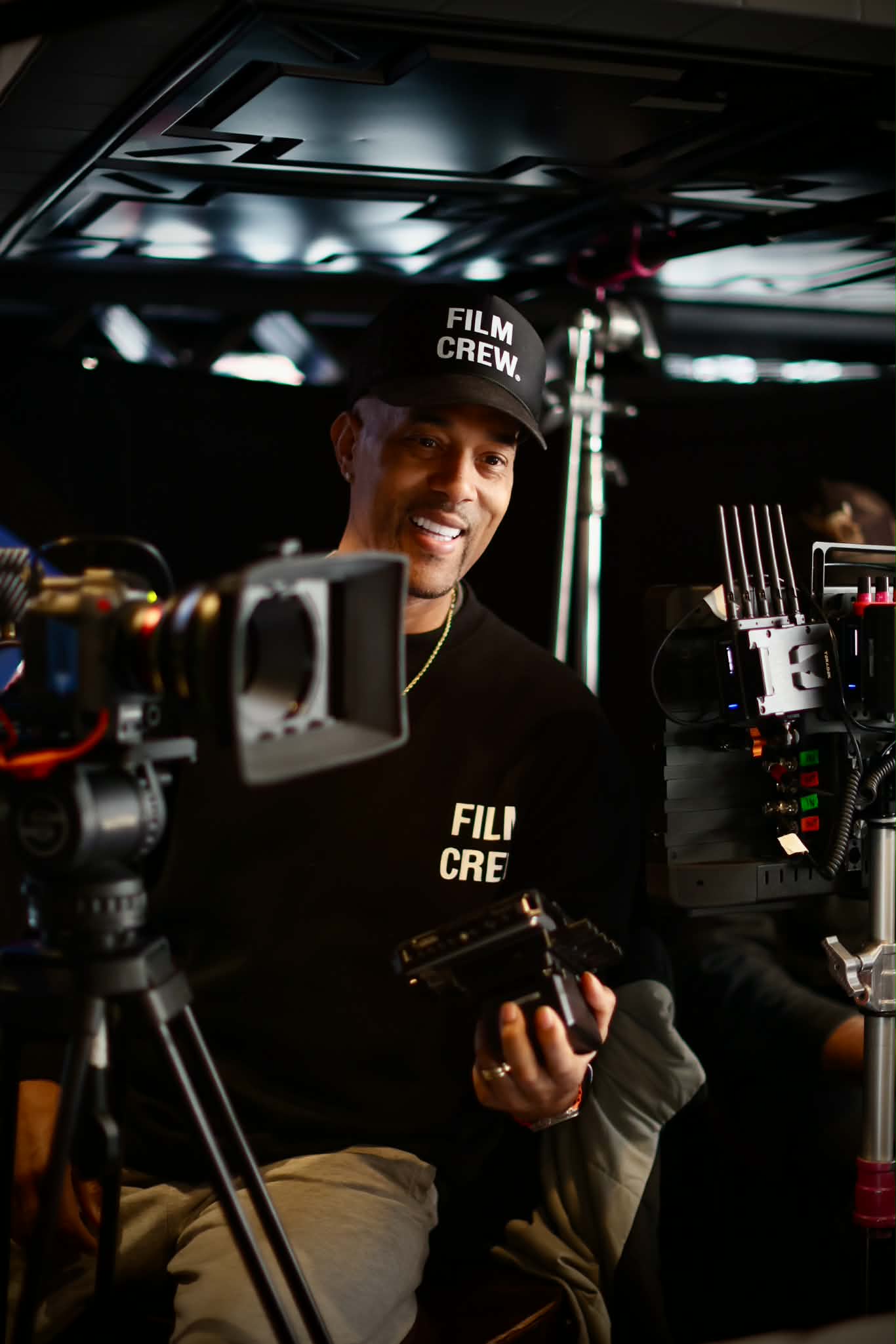
Just as The Ebony Canal is not just an award-winning documentary, Emmai Alaquiva is not just an award- winning director. Driven to create a safer world for his daughter, Emmai works every day to amplify voices today and help shape a better future for the next generation. His purpose leads him to be the voice for the voiceless and be the beacon that others can follow.
“I am inspired by my fourteen-year-old daughter. When she was eight, we did a PSA for the deaf and hard of hearing. To be able to be a father to see what an eight-year-old could do and how she was able to use her voice, really got me into this segment of storytelling and focusing on social impact. Seeing her change made me change and then put that energy out into the world. These social-impact projects are exactly where I need to be, creating change is where I want to be, and change is possible. That is what got me into The Ebony Canal. These women were facing serious challenges, and one of them was a dear friend of mine. Larissa Lane had lost her son in two days. He was born fine with a clean bill of health, but in 48 hours he was gone. The doctors were busting into her room trying to get her to pick out funeral homes for her son that just died. That story just changes me and allows me to focus on changing people’s lives. That is why I took on The Ebony Canal,” said Alaquiva.
Like a stone cast into a river, The Ebony Canal is creating ripples of change. It does not matter about the size of the rock; it still will create the ripple effect on its journey. Alaquiva created another ripple in his journey by partnering with the Smithsonian and contributing his photograph of Mary Lee Brady-Atkins, the oldest living descendant of Thomas Jefferson and Sally Hemings. His photo can be found in the book, History by a Hair, which he still has ownership of. As a photographer, Alaquiva felt that he needed to crystallize these moments so that history is fossilized for generations after us.
The following quote from Emmai Alaquiva captures the heart of his character and mission.
“Never let your food get cold looking at somebody else’s plate for you deserve to eat at the same time. It is never too late, get full.”
For more information: emmai alaquiva | portfolio