Nicholas “Nic” Costa and director Rob Taylor discuss the 20-year journey behind their wildly nostalgic “coming-of-midlife” comedy, now streaming on Amazon Prime, Tubi and YouTube.
By Valerie Milano
Palm Springs, CA (The Hollywood Times) 7/15/26 – What begins as a seemingly ridiculous quest for a piece of professional-wrestling memorabilia becomes something unexpectedly warm, vulnerable and life-affirming in Raging Midlife, the independent comedy from longtime friends Nicholas “Nic” Costa and Rob Taylor.
Costa co-wrote, co-produced and stars in the film, while Taylor directed, co-wrote and appears as a character appropriately named Rob. Together, they have created a proudly offbeat comedy about friendship, nostalgia, romantic possibility and the refusal to accept that growing older means giving up.
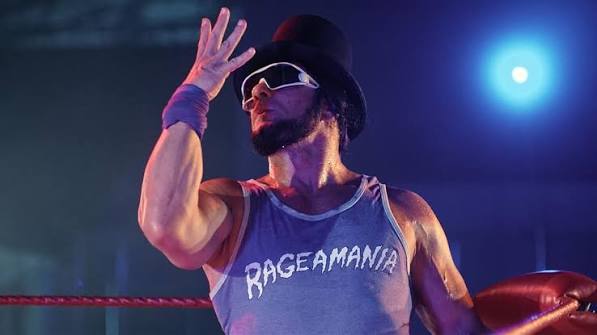
The film follows Alex Faulkner, played by Costa, and his equally devoted friend as they pursue a treasured tank top once worn by their favorite fictinal 1980s wrestler. Their mission becomes complicated when they are outbid by a grieving daughter seeking the same item to fulfill her father’s final wish.
The premise provides plenty of room for broad comedy, wrestling theatrics and increasingly strange detours. Yet beneath the absurdity is a sincere story about people deciding whether to remain trapped in an idealized past or take a chance on the future.
Costa described it perfectly during a Zoom interview with The Hollywood Times: “It’s kind of like a coming-of-midlife story, I guess, as opposed to coming-of-age.”
Click below for our exclusive interview:
The earliest version of Raging Midlife dates back to 2003, when Costa and Taylor were much younger and the story looked considerably different.
“The first draft of the script was written in 2003, back when we were far younger and more vulnerable men,” Costa said.
Instead of wrestling memorabilia, the original screenplay centered on the tank top worn by Kurt Russell in the cult favorite Big Trouble in Little China. Costa and Taylor eventually realized that the reference might be too specific for audiences unfamiliar with the movie.
When they began seriously rewriting the screenplay around 2019, they transformed the coveted item into a wrestling tank top and built an entirely new mythology around it.
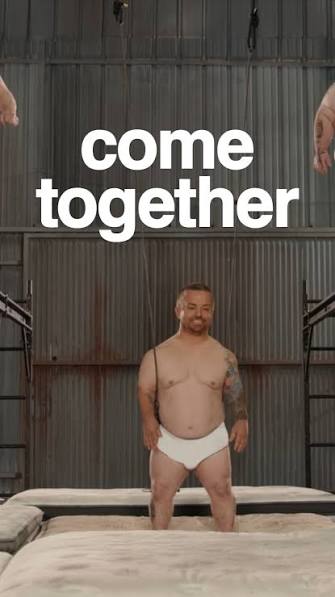
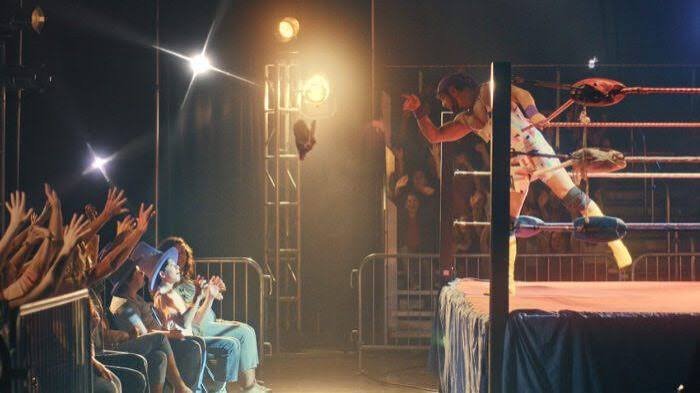
The change was partly inspired by Costa’s experiences attending Blue Collar Wrestling events in North Portland. He was struck by the way wrestling brought together people from across the political spectrum.
“You’d see every political [view] on the entire spectrum, from liberal to ultraconservative, all coming together, all having a good time, all drinking a beer,” Costa recalled.
 That sense of community convinced him that wrestling could give the film broader appeal while serving as something that united people rather than divided them.
Costa and Taylor were both fans of Macho Man Randy Savage, but using recognizable wrestling personalities would have created intellectual-property and legal complications. Their solution was to invent their own colorful wrestling legends.
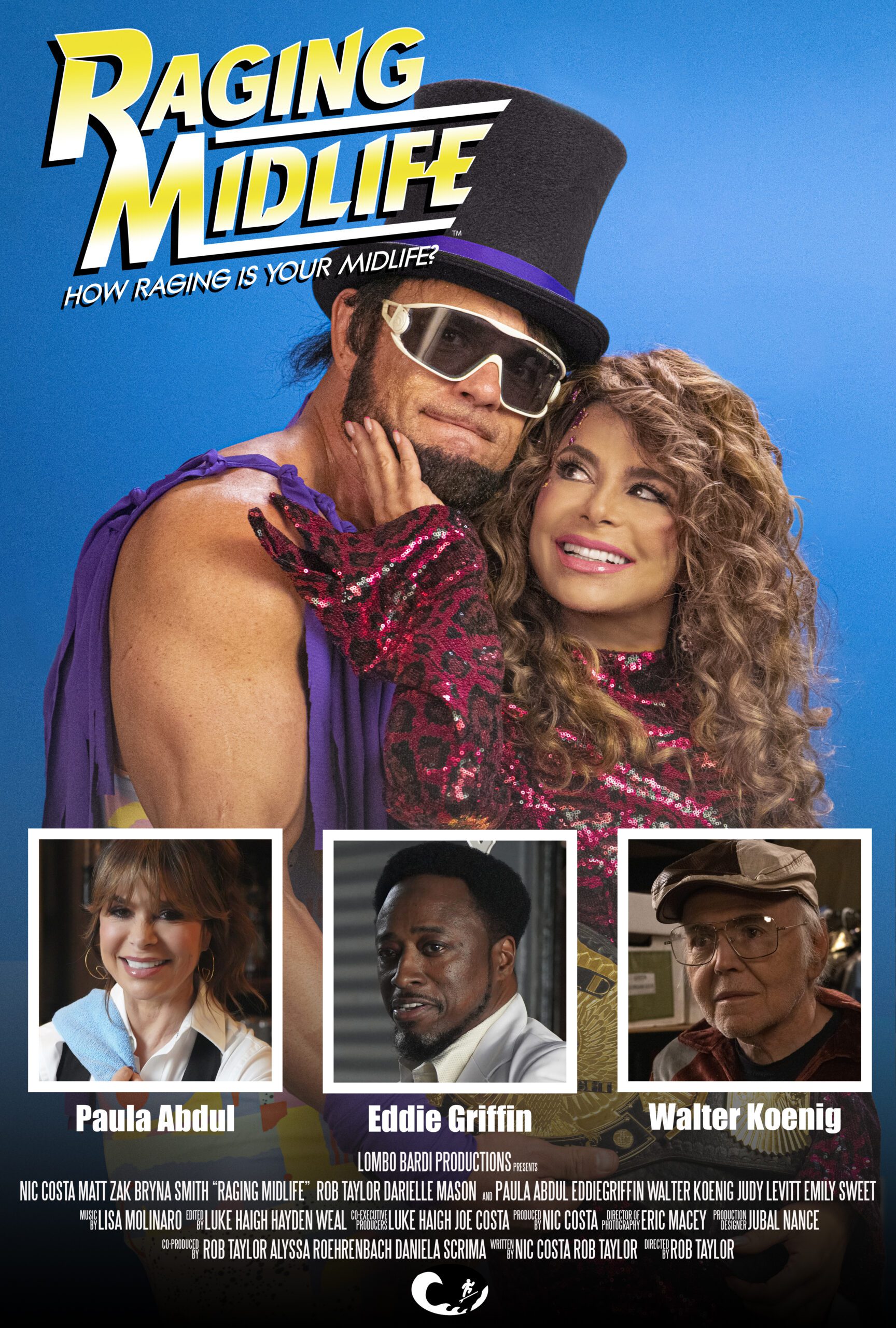
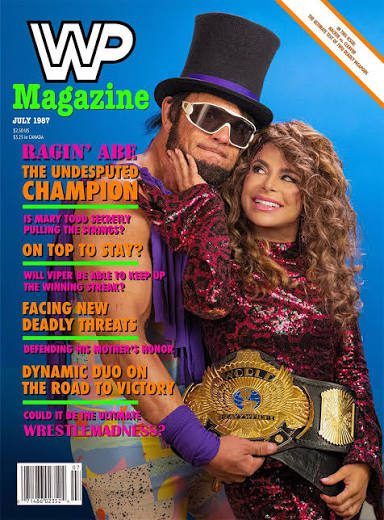
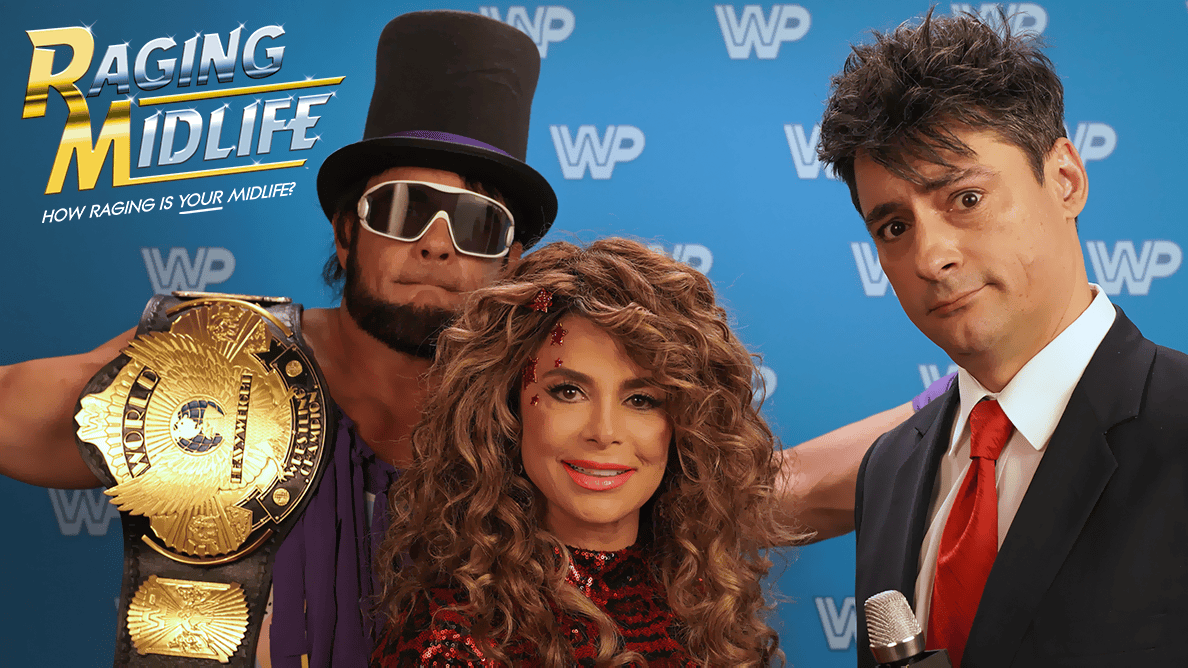
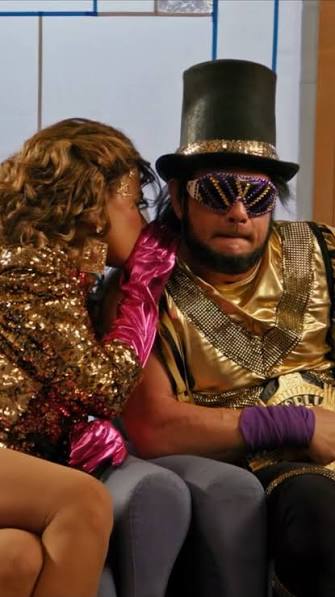
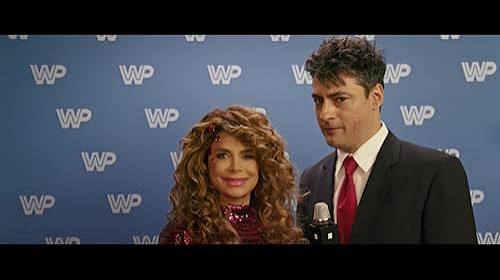
Instead of Macho Man or Hulk Hogan, Raging Midlife introduces Regent Abraham Lincoln—better known as Raging Abe, and his glamorous wife, Mary Todd, played by Paula Abdul.
The invented mythology gives the filmmakers permission to make the world as exaggerated, theatrical and delightfully ridiculous as they wish.
The film retains some of the juvenile humor from its earliest incarnation, but the screenplay matured alongside its creators.
“As we got older and as we were rewriting, we realized comedies are better with layers,” Costa explained.
Those layers include romantic disappointment, emotional vulnerability and the complicated realization that nostalgia can be both comforting and limiting.
 Costa’s character is drawn toward a simpler period in his life, when friendships felt effortless and childhood heroes seemed indestructible. His pursuit of the tank top gradually forces him to confront a larger choice: continue chasing the past or open himself to an unpredictable future.
That future arrives in the form of Tyler Roberts, played by Darielle Mason. She begins as the apparent antagonist but becomes something far more important to Alex’s emotional journey.
“Am I going to choose the past, or am I going to choose the future?” Costa said of his character’s central dilemma. “Am I going to choose this exciting, most exciting woman I’ve ever met in my life, or am I going to choose this incredible sports-entertainment memorabilia?”
Costa plays Alex with a mixture of comic desperation and genuine vulnerability. He never allows the character’s obsession to become completely detached from reality. The tank top may be an outrageous prize, but the emotions attached to it are recognizably human.
Taylor’s approach as a director was to ensure that even the most ridiculous scenes felt believable to the actors performing them.
After receiving a convincing take, he often challenged the performers to go further.
“You did great. Now double it,” Taylor would tell them.
 That direction frequently produced something stronger and less predictable. Taylor particularly praised Mason, who elevated her performance once filming began.
“She was good in the reading, but when the camera was in front of her, something clicked,” he said. “She was amazing.”
Independent filmmaking requires constant improvisation, but one of the production’s greatest crises occurred when Paula Abdul contracted COVID-19 the night before a major Los Angeles shoot in 2021.
The production had already booked a bar, flown in cast and crew and arranged multiple locations during the height of the pandemic.
“The night before, I get a call from her people,” Costa recalled. “Bad news, Paula’s got COVID.”
With their original shooting plan suddenly impossible, Taylor began rebuilding the production schedule while traveling to Los Angeles. With limited connectivity aboard the plane, the team scrambled to secure entirely new locations and another major performer.
Before the weekend was over, they had arranged an airport set, a warehouse set and comedian Eddie Griffin, who plays El Duque.
Griffin arrived prepared, knowing his scripted dialogue and bringing a steady stream of spontaneous material to every scene.
 “He would always do the line in the script and then do one for fun,” Costa said. “The ones for fun were usually always a little bit funnier.”
Some of Griffin’s improvisations, however, were too unrestricted for every possible distributor. Costa remembers repeatedly asking him for “one for Disney” so the filmmakers would also have a cleaner version available.
The story captures the chaotic ingenuity required to complete an independent film. Costa was simultaneously producing, writing and performing, often moving from late-night production duties into scenes requiring him to appear rested and spontaneous.
“Having to marshal your crew and then jump in front of the camera after having put together everything that was needed for the shoot the next day, and maybe getting just a few hours of sleep, that was probably the most challenging part,” he said.
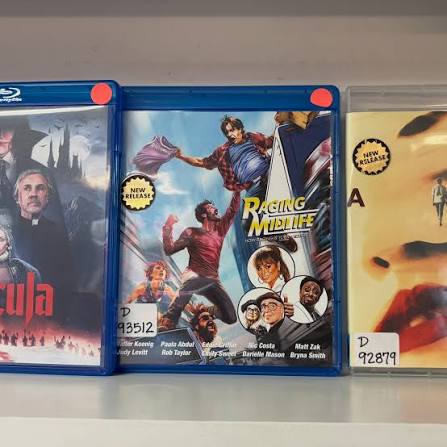
In addition to Costa and Taylor, Raging Midlife features Paula Abdul, Eddie Griffin and Star Trek legend Walter Koenig. The recognizable performers add another layer of pop-culture pleasure without overwhelming the story or its strong Portland identity.
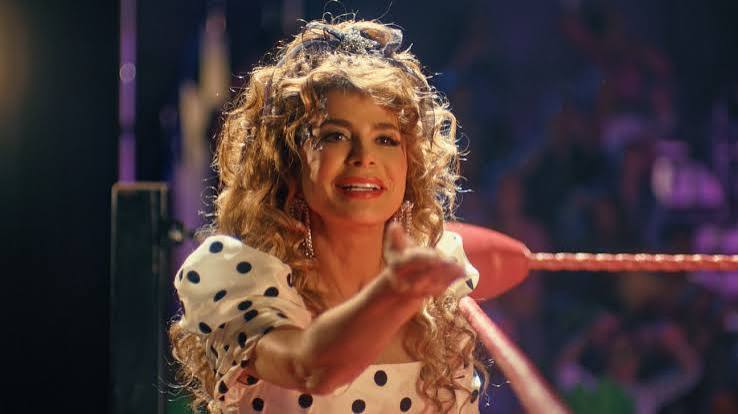
The cast also includes Mason, Matt Zak, Emily Sweet and an ensemble of regional performers who embrace the film’s eccentric tone.
The production is clearly personal to Costa and Taylor. It was created with friends they have known since high school and filmed during an especially turbulent period for their community.
Costa described the experience as a way to bring people together during the pandemic, wildfires and protests of 2020.
“To do this film and really bring our community together and now share the joy and the fun with people, this is what it’s all about,” he said.
That joy translates to the screen. Even when the film becomes paranormal, sentimental or gloriously absurd, it maintains the unmistakable feeling of friends making the movie they have spent decades dreaming about.
The film’s journey has been almost as unlikely as its plot.
Before being selected by the Austin Film Festival, Raging Midlife had been rejected by nearly every other festival the filmmakers approached during that phase of submissions. Austin became the breakthrough that reassured them that the long development process had not been in vain.
 Their later success at the World Film Festival in Cannes provided an even more dramatic full-circle moment.
Costa and Taylor had traveled to Cannes two years earlier hoping to find distribution, at a time when few people were willing to consider the film. They later returned with Raging Midlife and won Best Indie Feature from a reported field of approximately 9,000 submissions.
“Here we were just pounding dirt, trying to get people to even look at the darn thing,” Costa said. “Now we’re back here winning.”
Costa described screening the film for a French audience and attending the festival gala as a “magical” experience.
The comedy has also maintained a 100% score on Rotten Tomatoes, an achievement Costa addressed with the same irreverence found throughout the movie.
“If you like it, you’re going to love it,” he joked. “If you hate it, it’s because you’re an awful person that has issues, and you need a therapist.”
He quickly added that the film is not meant to be taken too seriously.
That may be true of its outrageous plot, but its message is sincere.
 Following its festival success and distribution deal, Raging Midlife is now available on Amazon Prime, Tubi and YouTube.
The filmmakers have approached the festival circuit somewhat in reverse, securing distribution after Austin while continuing to bring the movie to additional festivals and live audiences.
For Costa, wide availability means the film can finally spread the sense of fun that sustained its cast, crew and community during production.
For Taylor, the release marks the completion of a dream that once seemed permanently stuck in the past.
“We were living with [the movie] for literally 20 years,” Taylor said. “It became just a dream, something that could have been cool if we actually did it, but it’s too late.”
Eventually, they stopped treating the film as something they might make and simply made it.
“We actually did it,” Taylor said. “Most people try and then just don’t all the way, and we did all the way.”
Costa joked that failure was never an option. Had they waited much longer, the movie might have been called Raging Afterlife.
 The true heart of Raging Midlife is its rejection of the idea that middle age should be treated as an ending.
Many films about aging focus on disappointment, decline or surrender. Costa and Taylor instead celebrate the possibility of a second act, one powered by friendship, humor and the willingness to pursue something that others may consider unrealistic.
“There is almost a second life that you can have if you really seize it,” Costa said.
The characters indulge in nostalgia, but they have not abandoned their appetite for life. They remain willing to take risks, fall in love, embarrass themselves and pursue the impossible.
“It ain’t over, baby, till it’s over,” Costa declared. “We’re going to still keep cranking this thing until we’re 102, and then we’ll slow down.”
The takeaway is simple: “You’ve got to go for it, whatever it may be.”
That sentiment extends beyond the characters and reflects the filmmakers’ own journey. They carried a screenplay for two decades, endured rejection, survived a pandemic production and ultimately brought their unlikely comedy to audiences around the world.
Costa and Taylor already have ideas for a sequel that would push the original film even further into paranormal territory.
 The concept would explore what Taylor’s character experienced after being pulled behind a mysterious mirror. The friends might attempt to bring the deceased Raging Abe back from the spirit world and reunite him with Mary Todd.
Taylor admitted that he has difficulty remaining completely grounded in reality when making a movie.
“We had to get some ghosts in there,” he said of Raging Midlife. “We had to make it weird.”
A sequel could turn Rob into a paranormal exterminator and send the entire group on a supernatural adventure. The idea remains conceptual, but it fits the filmmakers’ signature approach: begin with an emotionally grounded premise, then gradually make everything stranger.
Their active next project is even more unusual.
Costa and Taylor are developing Predator the Musical: Ain’t Got Time to Glee, set in rural Oregon in 1988. The story follows a high-school glee club trying to save its theater program by staging a musical adaptation of Predator.
As the students begin dying one by one, the townspeople assume the increasingly realistic violence is simply part of the show’s remarkable special effects.
 The truth is far more disturbing: the drama teacher is a 900-year-old vampire alien planning to devour the town.
Paula Abdul is already attached to play the drama teacher, a casting decision designed to make her the last person audiences would suspect of being the villain.
When Abdul heard the character’s age, she reportedly had one question: “Does it have to be 900 years old?”
Costa assured her that, as a vampire alien, she would remain beautiful forever.
The project reflects Costa and Taylor’s determination to surprise audiences. What appears to be a high-school musical comedy gradually becomes a paranormal mystery filled with horror, science fiction and absurdity.
“We just can’t not,” Taylor said of adding an otherworldly twist. “We can’t help ourselves.”
That same impulse makes Raging Midlife more than a routine nostalgia comedy. The film becomes progressively stranger, but it also grows more emotional and revealing.
The search for a wrestling tank top is only the beginning.
Raging Midlife is proudly silly, enthusiastically nostalgic and more tender than its title initially suggests. It celebrates the friendships that survive the decades, the cultural heroes that shape our younger years and the wonderfully irrational things people will do for something that reminds them of who they once were.
 Costa and Taylor understand that nostalgia is powerful, but their film does not argue that audiences should live permanently in the past. Instead, it encourages viewers to carry their youthful enthusiasm into whatever comes next.
The film’s 20-year path from an unfinished screenplay to an award-winning feature is itself proof of the message at its center.
Growing older does not mean the adventure is finished. Sometimes it simply means you finally have the courage, and enough life experience, to begin.
Raging Midlife is now streaming on Amazon Prime, Tubi and YouTube.