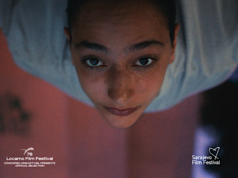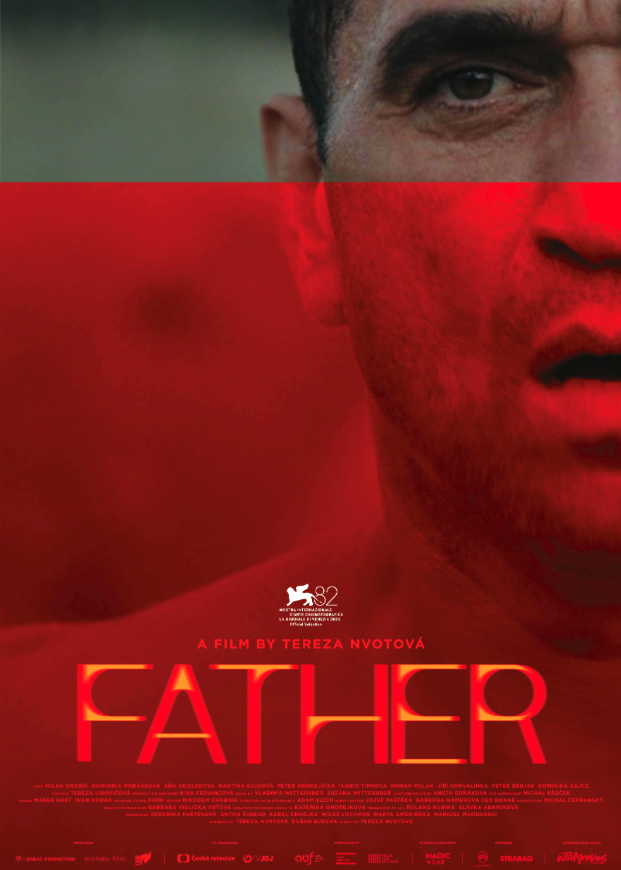
A powerful and unsettling film from Slovakia was part of the South East European Film Festival (SEEfest) on Saturday at the Laemmle NoHo Theatre in North Hollywood – Tereza Nvotová’s “Father” (“Otec”), which premiered at the Venice Film Festival and became Slovakia’s Oscar bid for Best International Feature Film in 2026. The film centers around a man whose memory lapse leads to a harrowing, irreversible tragedy. It affects his personal and professional life to the point of no turning back. Director Nvotová, who also wrote the script with Dusan Budzak, doesn’t paint any of the characters as villains. Nvotová probes into the character’s emotional turmoil to reveal what it must feel like to live and breathe as someone who may never be able to escape being scrutinized or antagonized.
A Slovak-Czech-Polish co-production, “Father” stars Milan Ondrik in the titular role of Michal, a loving husband and dad and stressed-out owner of a small newspaper who is bringing in a new numbers guy to run his failing company for him. In the scene’s bravura opening sequence, shot by cinematographer Adam Suzin in a 20-minute single take, the camera slowly tracks Michal from his morning run to the office, saying goodbye to wife Zuzka (Dominika Morávová) and dropping off his two-year-old daughter at day care along the way.
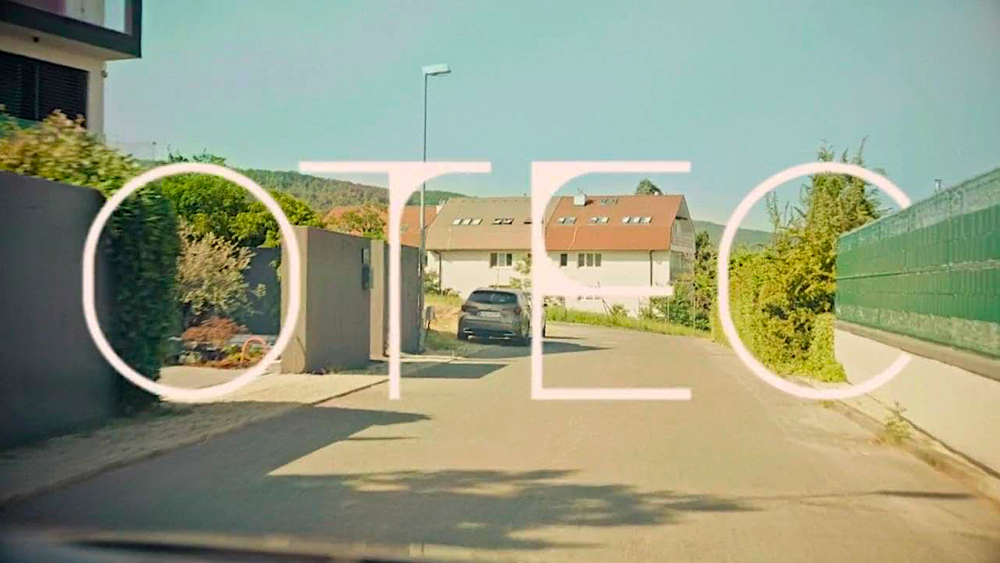
The opening 20-minute sequence of Michal’s morning begins with him jogging before showering and dressing for work and an important meeting with a new CEO (Jirí Konvalinka) being introduced at his office workplace. His wife is getting their 2-year-old daughter Dominika ready for day-care and asks Michal to drop her off on his way to his office. We see Michal take a newly-purchased child safety seat out of the trunk of the car and strap Dominika into the seat. Off they go, with a favorite children’s song playing on the car stereo system. We hear on the local radio station of a train accident in the city and. Report on the expected high temperatures of current heat wave. Later we see Michal pull up at the day-care center and an image of Dominika running inside to a waving day-care worker. But there is strange lapse in Michal’s memory of his daughter actually getting out of the child safety seat.
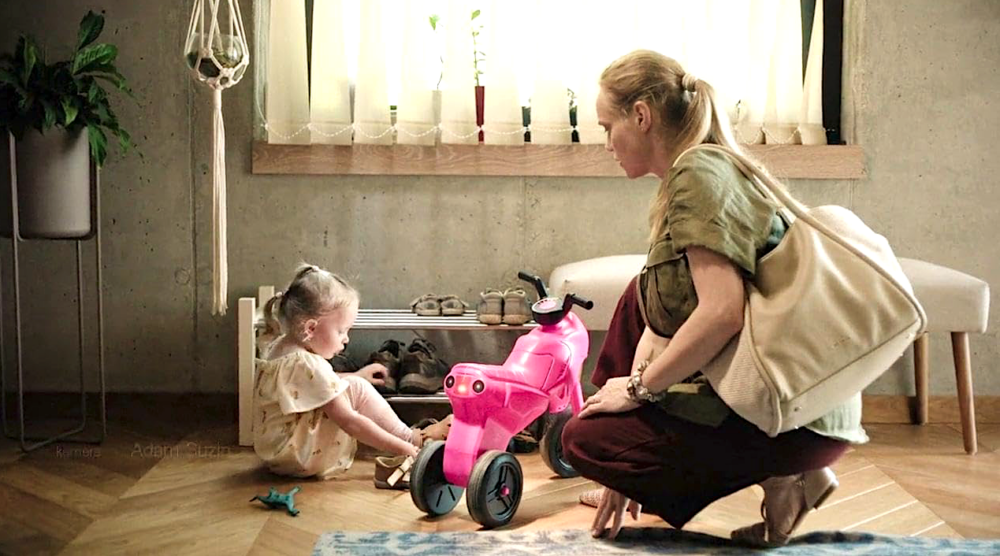
Michal settles into his workday blindly unaware, introducing the new boss of the company to his fellow workers and talking to a woman about getting a blood pressure device for her aged father who lives near Michal. We later discover that this woman is actually his ex-wife Eva (Anna Geislerová), now living in Prague. He is at his computer later, even watching family holiday videos in his office and dealing with his wife’s desire to purchase a new console cabinet. But something is amiss. Even though we witnessed the father dropping off his daughter in the film’s opening scene, this has in fact not happened. Outside in his car, the unimaginable is happening as Milan idly goes through his day before coming face to face with unspeakable horror.
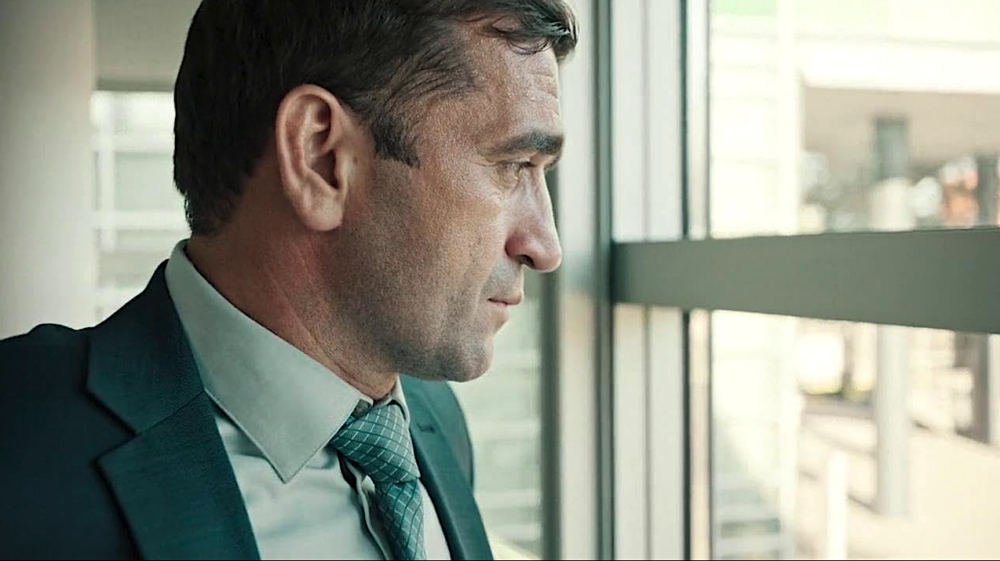
A tragedy ensues due to a memory lapse on Michal’s part. In the rest of the film, Michal attempts to come to terms with something that perhaps cannot be reconciled. We follow him through intimate scenes with his wife, a sensationalized court case, overheard conversations by colleagues. In scene after scene, he is reminded that he will forever be “that guy from Nitra,” and he will never be able to escape the tragedy that resulted from his own negligence.
The film also explores the question of Michal’s morality through court proceedings, which are similar to the ones in Justine Triet’s “Anatomy of a Fall” (2023). In those trials, you don’t receive a verdict solely based on the nature of actions or the available evidence. Those proceedings are just as much about one’s moral character, leading to a thorough investigation into their past. With long takes, the camera of cinematographer Adam Suzin immerses us in the character’s emotional states of the characters – whether it be a sense of disorientation, disillusionment, or distrust.
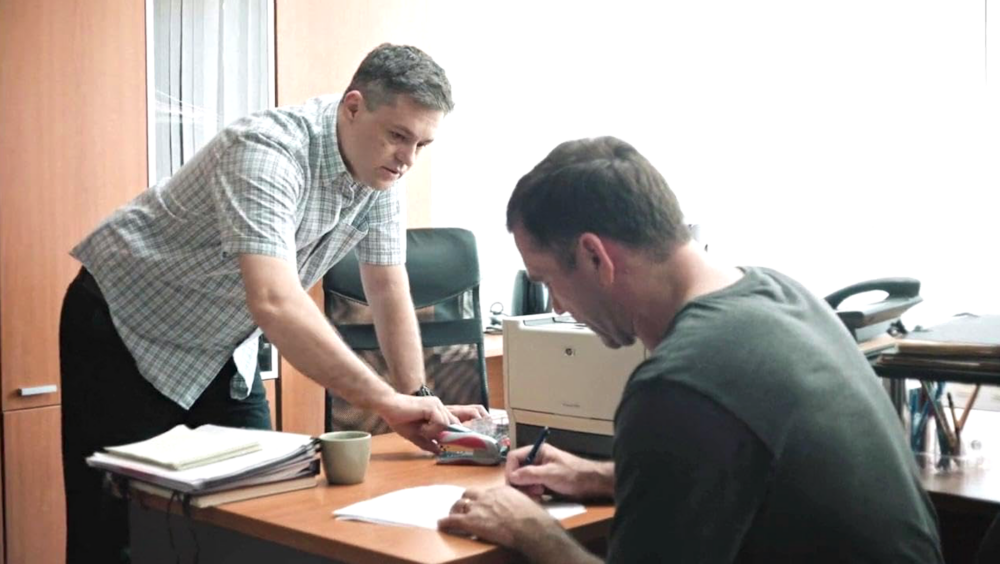
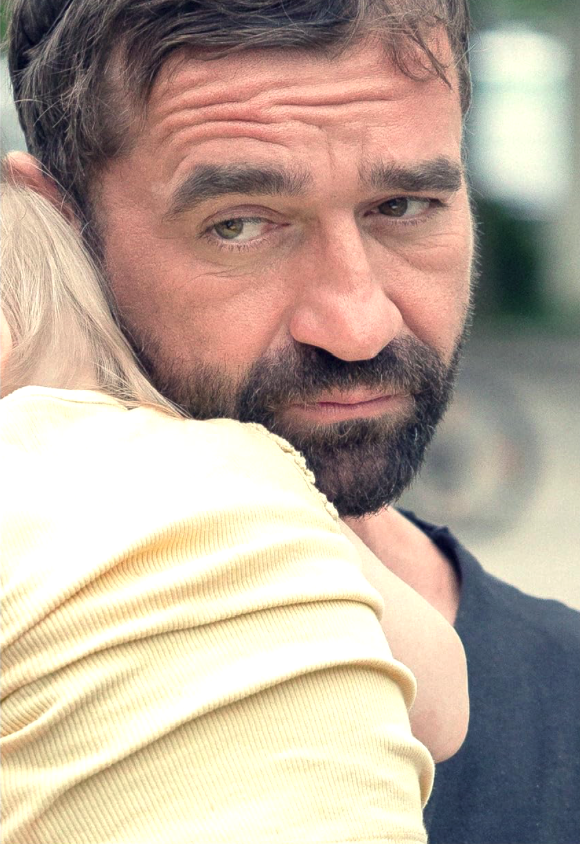
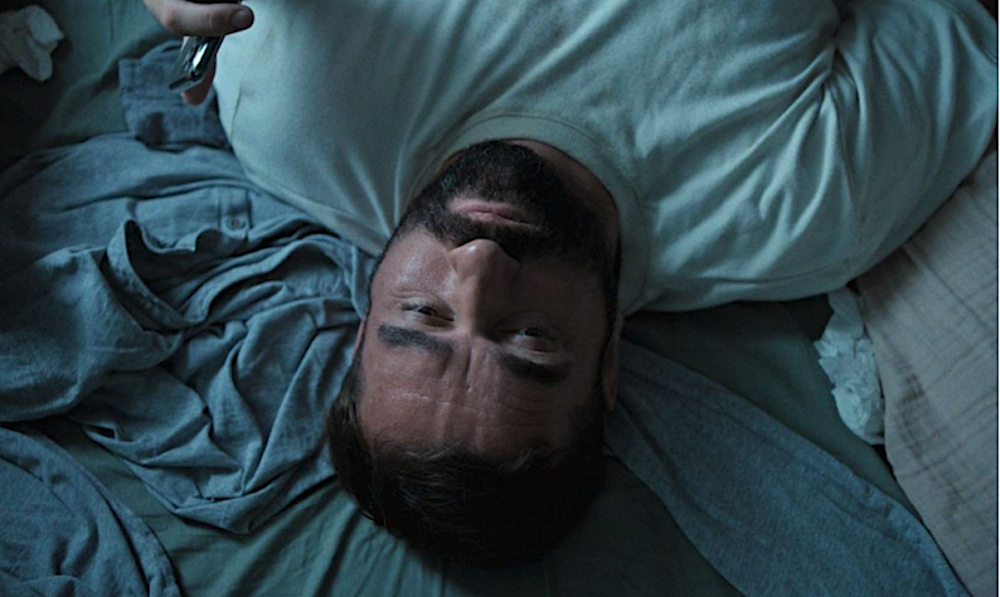
Milan Ondrík and Dominika Moravkova allow those finer moments to shine while playing the Father (Michal) and the Mother (Zuzka) caught in a debilitating crisis. The script analyzes their relationship as parents as well as a couple, trying to move past a tragedy. So, it’s not only about them growing apart but also about experiencing a push-and-pull while processing the fate of their marriage. Zuzka is in shock and functions like an automaton. Michael seems unable to do anything and starts having surreal hallucinations. Time passes and we see Michal with a full beard; he lays in bed for days and seems catatonic. Michal’s admission of his guilt about the charges brought against him seems to have destroyed him. He no longer goes to work and his position at the company has been replaced. Zuzka announces that she can no longer live with him and asks for a divorce.
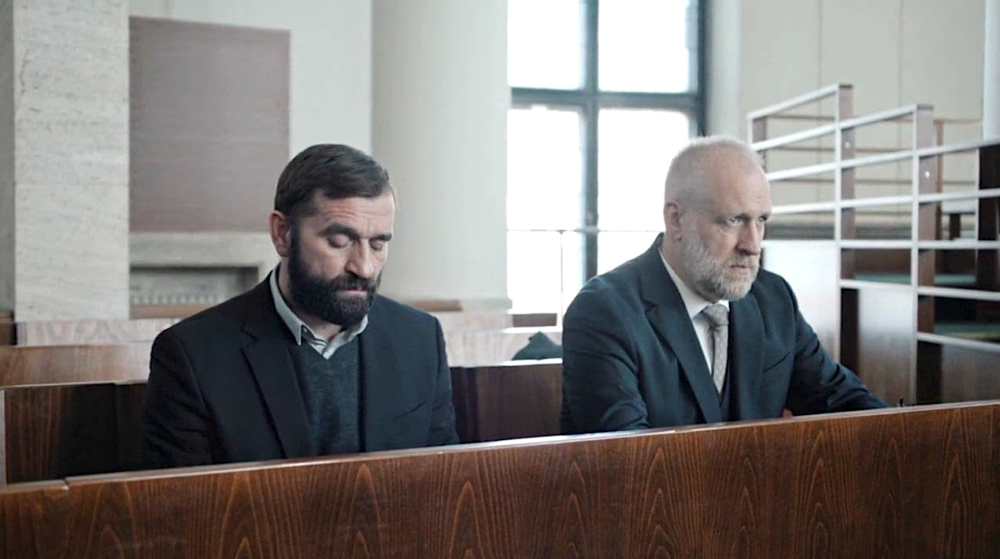
Eventually as the trial approaches, his lawyer helps Michal get it together enough to be able to testify in court. At the trial, others testify about Michael’s moral character but Michal clearly believes in his own guilt through negligence and memory lapses. A psychologist testifies about memory lapses and child forgetfulness. This seems to be the first case of a film actually dealing with this topic which is more common that previously known.
Shortly after the trial, Michael tries to return to the house where his now ex-wife Zuzka still lives. It seems that a birthday party was planned for him by friends from his office, even though he no longer works there. Michael hopes to see his ex-wife who has divorced him in the interim. But Michal is reluctant to go inside the door. Zuzka happens to come outside and sees Michal and suddenly their previous sense of passion is rekindled. This is an interesting scene because two of their friends have stepped outside for a smoke and their conversation reveals their doubts about Michal’s claim to a memory lapse and his true guilt. The film comes full circle with Michal back in the house again with Zuzka and his morning routine of jogging. But the worst is yet to come.
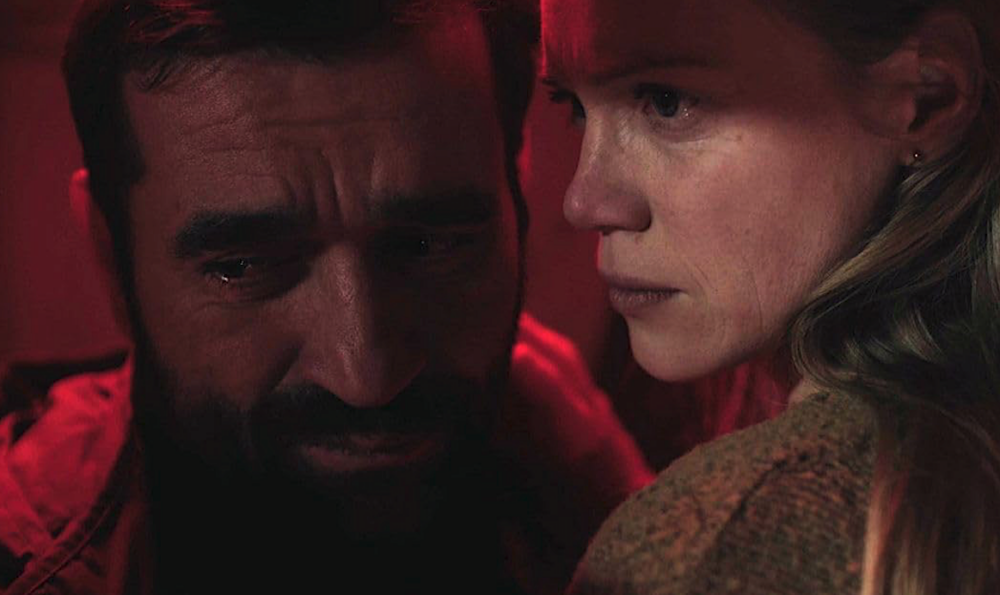
This is not an easy film to watch and the fate of Michael is actually based on a true story in Slovakia. At times, Michal seems to be a truly benevolent and loving father and yet we have to deal with his unspeakable tragic neglect of his own child. There is nothing cathartic about his situation, although the film’s ending provides us with that based on the true story of the man who went to trial for neglecting his child. The film has raised awareness of the reality of memory lapses for all of us and the potential fatal consequences that can follow.