
Wednesday, April 29, is the Opening Gala of the 21st Annual South East European Film Festival (SEEfest 2026) at the Fine Arts Theatre in Beverly Hills. The evening features Ioana Mischie’s Romanian dark comedy Catane. This film has earned critical recognition, including a nomination for Best Original Score (Independent Film – Foreign Language) at the 2025 Hollywood Music in Media Awards (HMMA) for composer Emiliano Mazzenga. Set in the remote village of Catane in 2008, this film follows in the tradition of such Romanian arthouse hits as The Death of Mr. Lazarescu and Tales from the Golden Age, being a social-realist drama with a darkly humorous bent. Catane is a very Balkan story, with a very Balkan feel, but in the style of Wes Anderson.
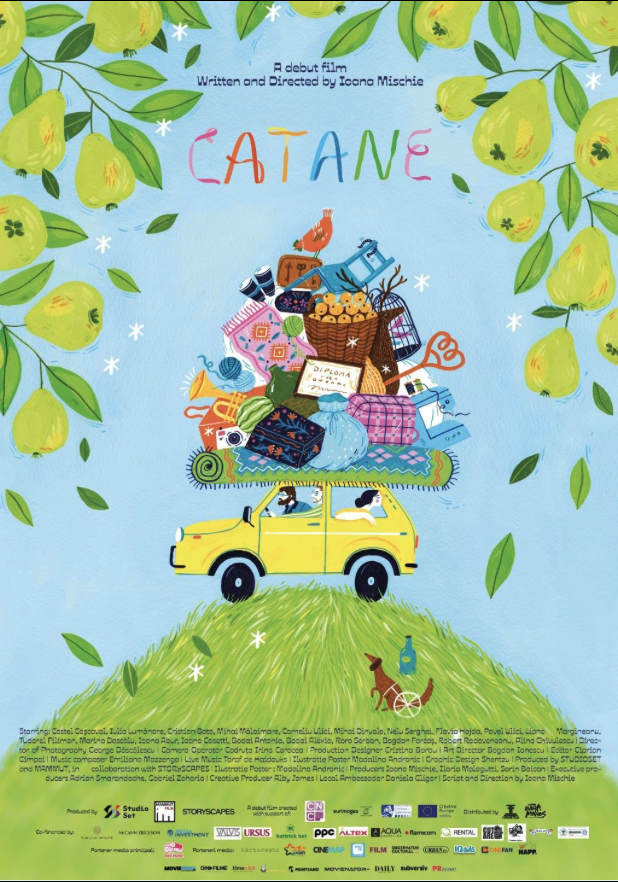
After Red Carpet photo ops at the Fine Arts Theatre (beginning at 6:00 PM), SEEfest Director Vera Mijojlić will provide the opening remarks before introducing the film’s director Iona Mischie, followed by the Los Angeles premiere screening of Catane. There will be a Q&A with the film’s director afterwards and a catered reception. Tickets are $40.00. For tickets to the Opening Night Gala, go to: https://seefest2026.eventive.org/schedule.
SEEfest 2026 runs from April 29 through May 6 with more than 16 feature films and documentaries, as well as several series of short films. Tickets for most screenings are $12.00. If you plan to see a number of films, consider purchasing a SEEfest Festival Pass for $95.00. The venues for the screening vary, so it is important to pay attention to the locations: Fine Arts Theatre in Beverly Hills, Sunset Screening Room in West Hollywood, USC Norris Theatre, Laemmle NoHo Theatre in North Hollywood, and Laemmle Royal Theatre in West Los Angeles.
Mischie’s Catane takes place in the remote Romanian village of Catane, a community of villagers, long surviving on disability benefits obtained through ambiguous means, faces exposure when a local inquiry descends. What unfolds is not a story of deception, but of unexpected ingenuity. As the villagers band together under pressure, they craft a disarmingly poetic and humorous response to the absurdities of a broken system. In reinventing their way of life, they reveal not only a means of survival—but a radical model of communal resilience in a fractured world. “I like to call it a comedy about sorrow and a drama about happiness,” says Mischie. “It’s a bittersweet story about a community of villagers who declared (they all) had disabilities in order to get money from the state. Then one day they get inspected and each of them has to pretend to have them, and innovate all kinds of disability tools in order to fool the authorities. They initially succeed, but slowly they get discovered and are sentenced to a total amount of 237 years of arrest. However, after a few struggles, they set an example for society.”
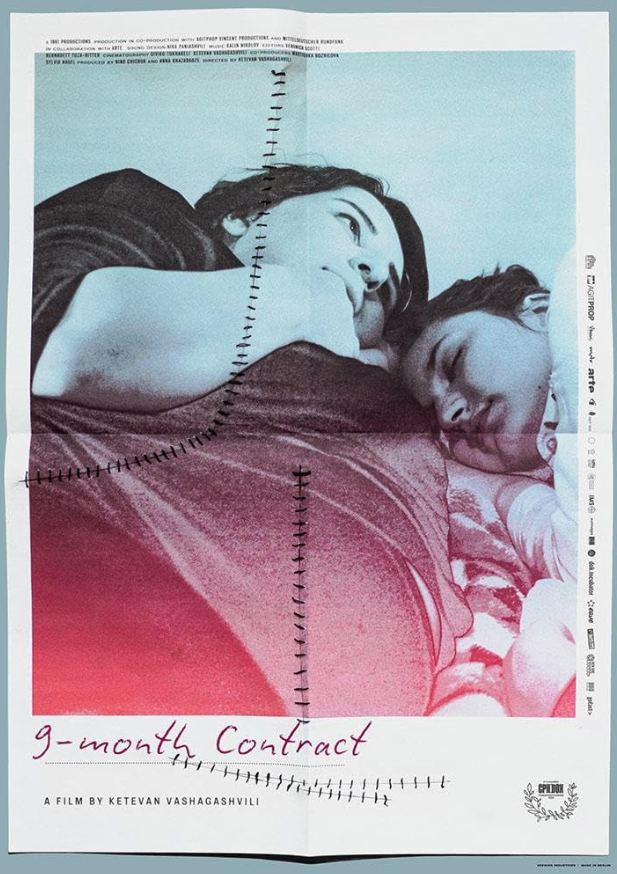
On Thursday, April 30, SEEfest moves to the Sunset Screening Room in West Hollywood for two screenings of films from the Republic of Georgia: Ketevan Vashagashvili’s 9 Month Contract, is a documentary about Zhanaa, homeless mother, who resorts to surrogacy to provide a safe life for her teenage daughter, Elene. While trying to keep her pregnancies hidden from Elene (her daughter, Zhana’s financial struggles persist. With no proper regulations in place, she pushes her body to the extreme through multiple childbirths, taking a dangerous toll on her organs and risking her life. Through the director’s decade-long friendship with the duo, the film explores the evolving dynamics of the mother-daughter relationship and raises questions about the extent of a mother’s sacrifice. There will be a screening of Alia Kovalenko’s documentary Dear Theo (Ukraine), an unforgettable, searing, tender chronicle of the months she served on the frontline in Ukraine. She begins with February 2022, when she joins the volunteer army as the Russian occupation tightens its grip. Kovalenko keeps a “memory” diary, recording the events of the day for herself, her son as well as history’s sake.
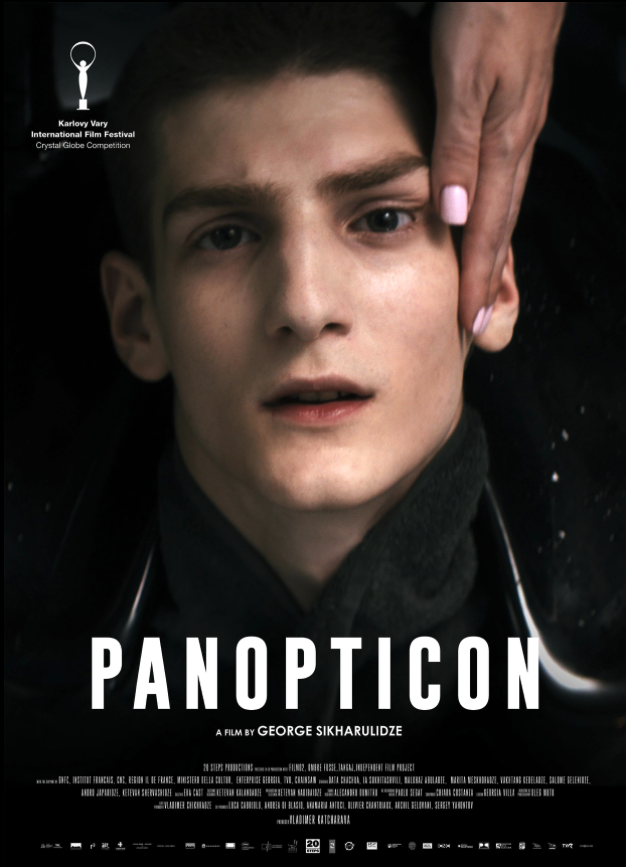
This will be followed by George Sikharulidze’s Panopticon, a narrative film that is as much an allegory about religion and sexuality, as it is a character study about young Georgian men. In the film that the main character Sandro is a loner who lives with his grandmother. After his father abandons him to become an Orthodox monk, Sandro struggles to reconcile his duty to God and his awakening sexuality, which manifests in uncontrollable ways and leads him to unhealthy behavior, as he searches for meaning and belonging in the turbulent society of post-Soviet Georgia.
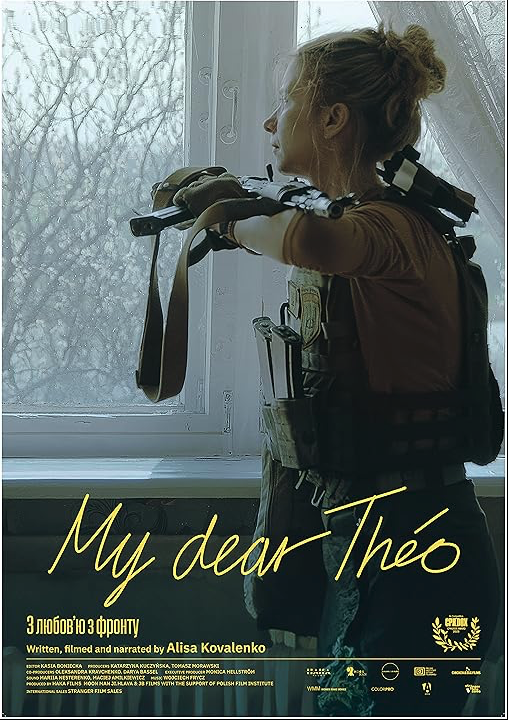
On Friday, Saturday, and Sunday, SEEfest relocates to the Laemmle NoHo Theatre in North Hollywood. Friday’s screenings include: This is followed by My Dear Theo, a deeply personal documentary by Alisa Kovalenko, who combines her perspectives as a mother, soldier, and filmmaker. The film spans from early spring to summer 2022, capturing the routine, waiting, and sudden violence of life in the trenches. Through Alisa’s camera, viewers experience the stark reality of the Ukrainian frontline, from the quiet moments of reflection to the chaos of missile strikes. Her letters to her son Theo provide an emotional core, exploring themes of love, legacy, and the personal cost of war.
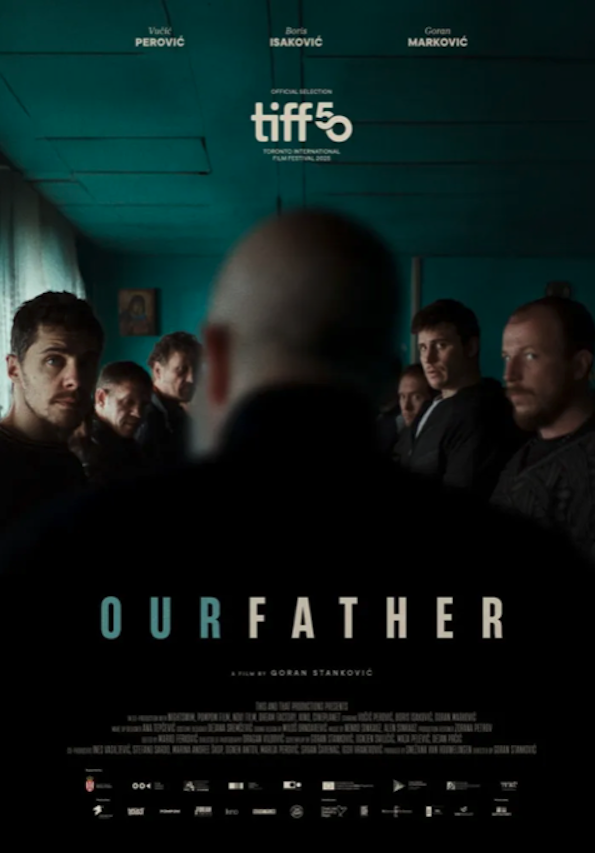
Goran Stanković’s Our Father (Oce nas), a searing drama from Serbia: A drug addict is brought for rehab treatment at an isolated monastery commune run very strictly by an authoritative priest. After initial resistance to the treatment, the newcomer starts accepting responsibilities and gradually becomes the right-hand man of the priest. When the priest takes his stringent methods too far, the existence of the commune is called into question. A powerfully accurate depiction of the essence of manipulation tactics.
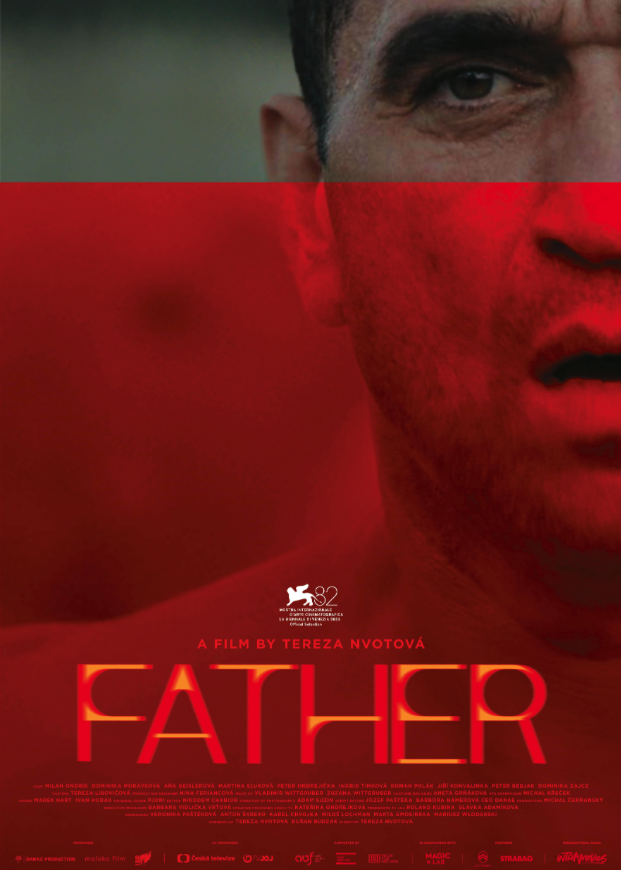
On Saturday at the Laemmle NoHo Theatre will be: Tereza Nvotová’s Father from the Slovakia: A devoted father’s tragic mistake shakes his marriage and leaves him isolated. As guilt and the threat of imprisonment loom, he fights to regain his wife’s trust and rebuild what he’s lost—but can he ever find redemption.
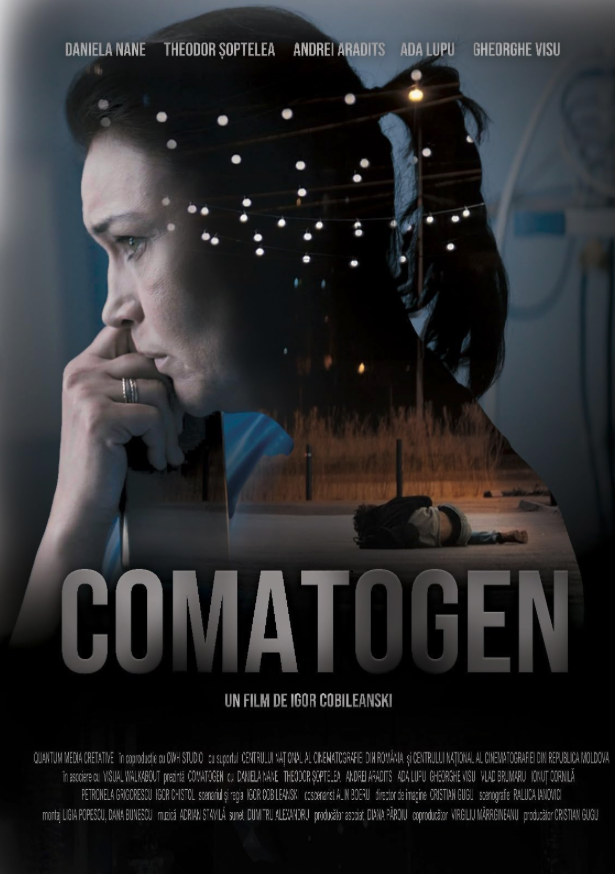
This is followed by Igor Cobileasnki’s Romanian drama Comatogen: Alina, a modest nurse supporting her son Radu, tries to rekindle a past love with Pavel, a real estate director. When Radu steals €18,000 from Pavel’s office, relationships and ambitions spiral out of control. The coma of wealthy client Mr. Klauss brings his daughter Mihaela into Alina’s life, offering financial help in exchange for a shocking crime.
I will provide additional information about other films in the festival series in a later post.