By Sarah A. Spitz
Venice, CA (The Hollywood Times) April 24, 2026
Marilyn Fox was a lonely 13-year old when the arts threw her a lifeline. Her closest girlfriend had suddenly been exiled to Mexico by a father who’d changed his mind about raising her, and Fox — new to the neighborhood, newly bereft — could barely get through a school day. Her mother, a refugee from Hitler’s Europe, knew something about loss. Her prescription? Read.
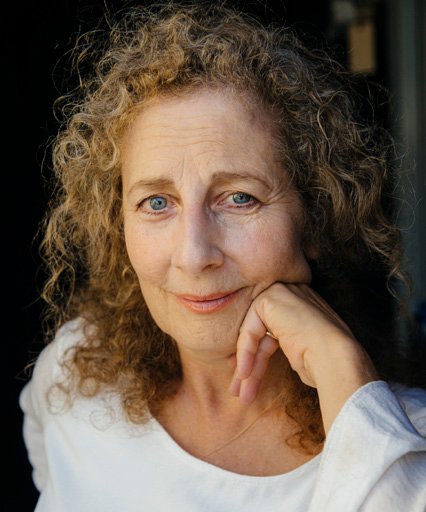
Fox wandered into a bookstore on Crescent Heights and Third Street called The Frigate and emerged months later having worked through Les Misérables, Of Human Bondage, and half a shelf of great novels. “It saved me to be in those worlds,” she says. “It made me feel connected — to my family, to the world, to something larger than myself.”
That early sense of what art is for never left her. It is the animating force behind Pacific Resident Theatre, the intimate Venice company where Fox has served as Artistic Director since 1995, and it explains why she is still teaching at UCLA, still casting seasons, and currently running an extended production of Arthur Miller’s The Price that has audiences riveted.
PRT (originally Pacific Resident Theatre Ensemble) was founded by graduates of the American Conservatory Theater in San Francisco, who came to Los Angeles impeccably trained and determined to keep working at the highest level. Fox joined three months after the company’s first productions through what she calls “wonderful happenstance.”
She’d been teaching a small acting class to teenagers at the theater when a couple of company members suggested she audition for the role of Edna in a workshop production of Clifford Odets’ Waiting for Lefty.
The director (and company founding member) Scott Hitchcock, looked up after she finished and swore under his breath. What’s wrong? she asked. “He said, ‘They knocked all of that out of us at school. None of us could do what you’re doing — you’re so free, so in the moment.'” Fox also felt the material was in her DNA; her mother had escaped from Poland. “I understood it. I knew the accent. I wasn’t from Wisconsin.”
She has been with PRT since its earliest days, but it took being asked twice, first in 1989, before she agreed to become Artistic Director, which she decided, “Partly out of protectiveness. It’s very hard on actors,” she says. “It wears on you to be rejected, to not have a place to come home to. Here, everybody knows what you’re worth. They’ve seen you do something.”
The structure Fox has built, modeled on ACT, has two wings. The main stage is professionally produced and publicly programmed. The other wing is a cooperative: any company member can workshop a dream project, develop new writing, book space for a reading. Dues are $25 a month and haven’t changed since 1985.
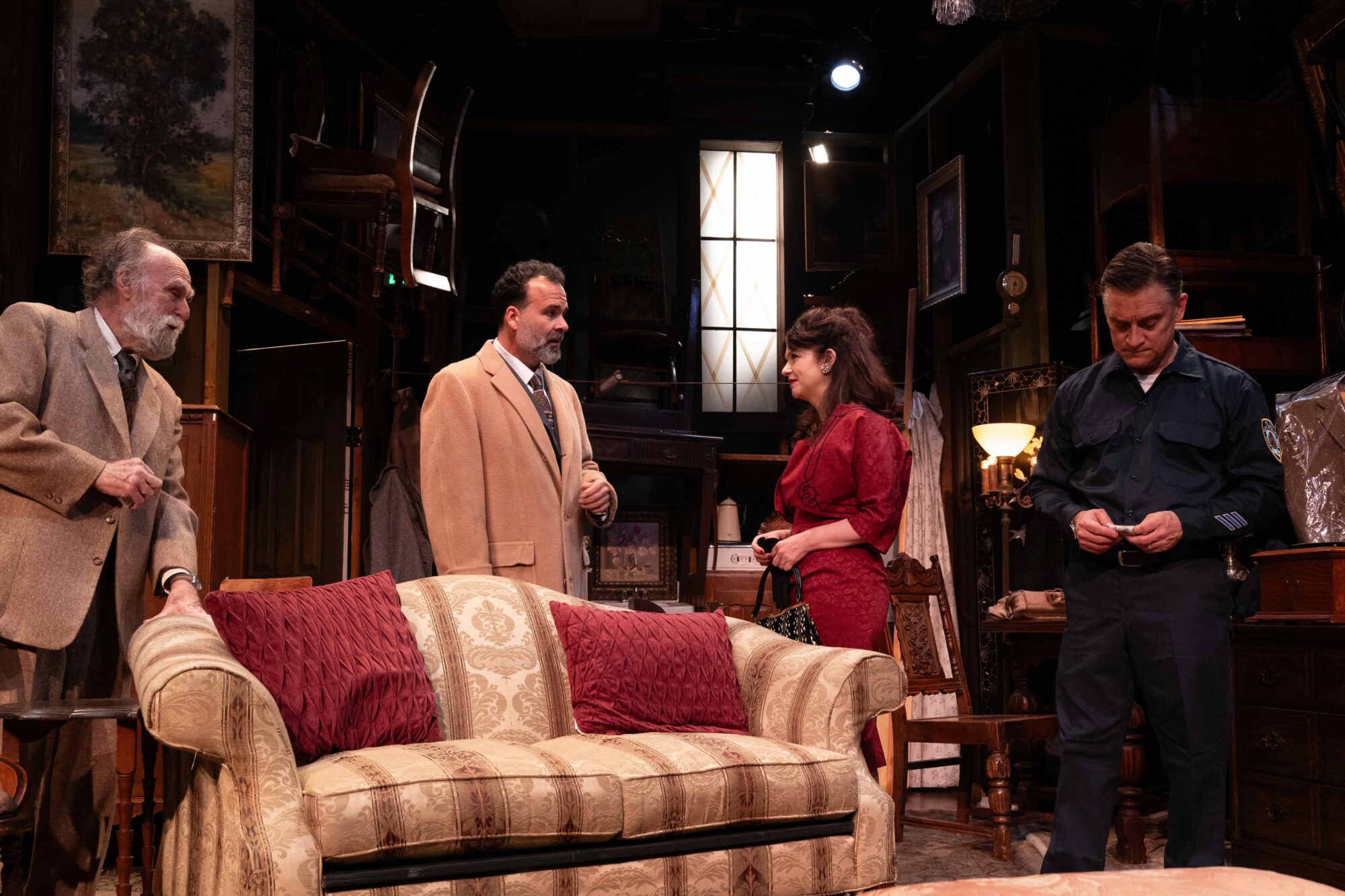
PRT’s identity is focused on the lesser-done plays of great writers, produced by a permanent company that has, in many cases, known each other for 30 or 40 years. “I would say there are 50 people in our company who have been there at least 30 years,” Fox says.
Fox attributes PRT’s approach to a script to her late partner, Gar Campbell, a founder of The Company Theatre, one of LA’s earliest Equity waiver companies. He died in 2007 after 27 years with Fox. “We married near the end of his life,” she adds, “but we were more married than most, in the meeting of our souls around art and life.”
He brought a mathematician’s precision to dramatic analysis — he’d gone to USC to study engineering before the theater claimed him. Fox describes it as reading a script like a sushi chef reads a piece of fish: tracing the play’s internal logic to its conclusion, playing toward a single destination. “Gar used to say, the possibilities will kill you as an actor. He was into eliminating possibilities — making it clearer and clearer what you have to understand to play a role.” An audience member put it simply to Fox recently: “Whenever I come here, I always understand the play.”
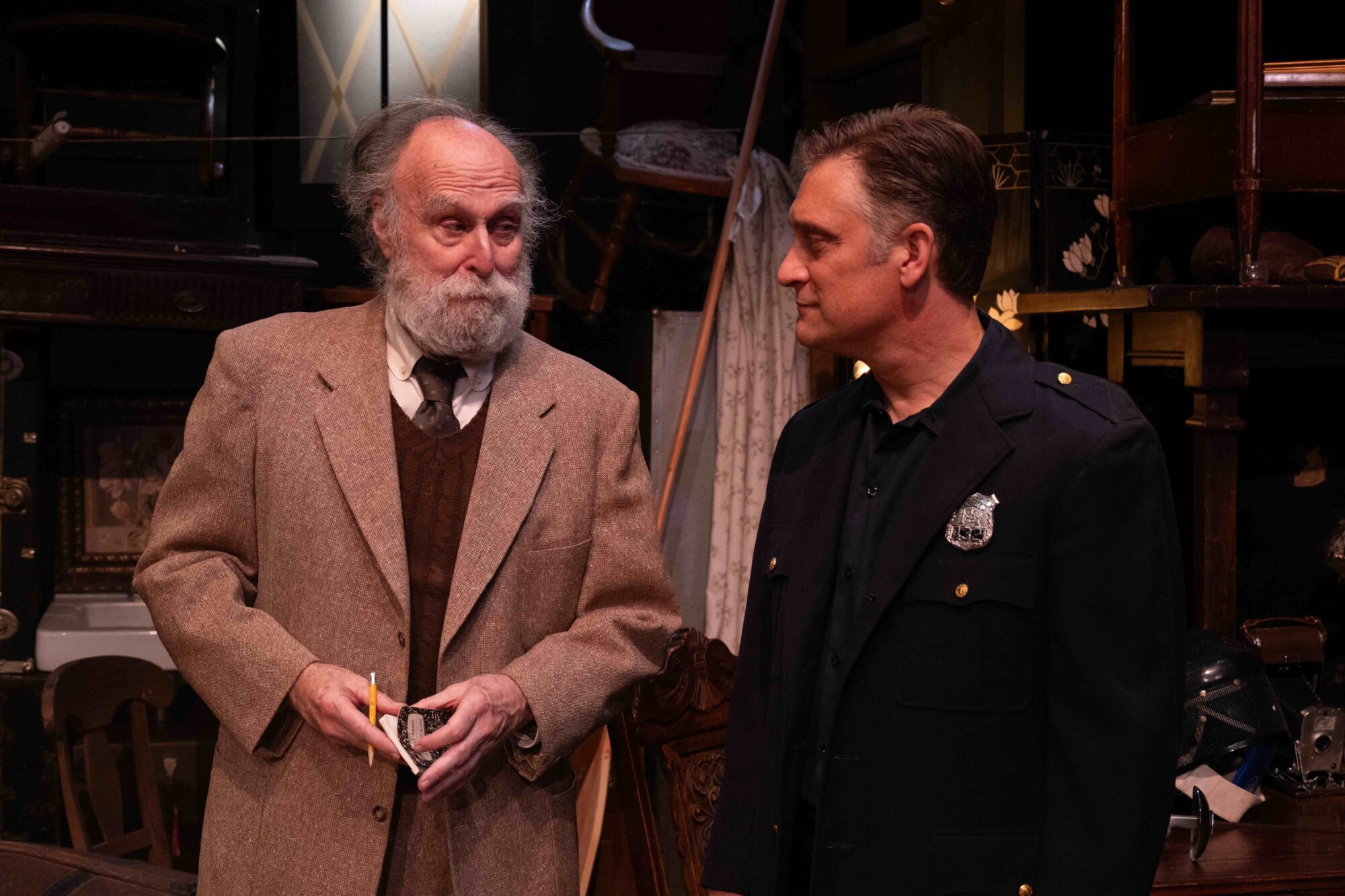
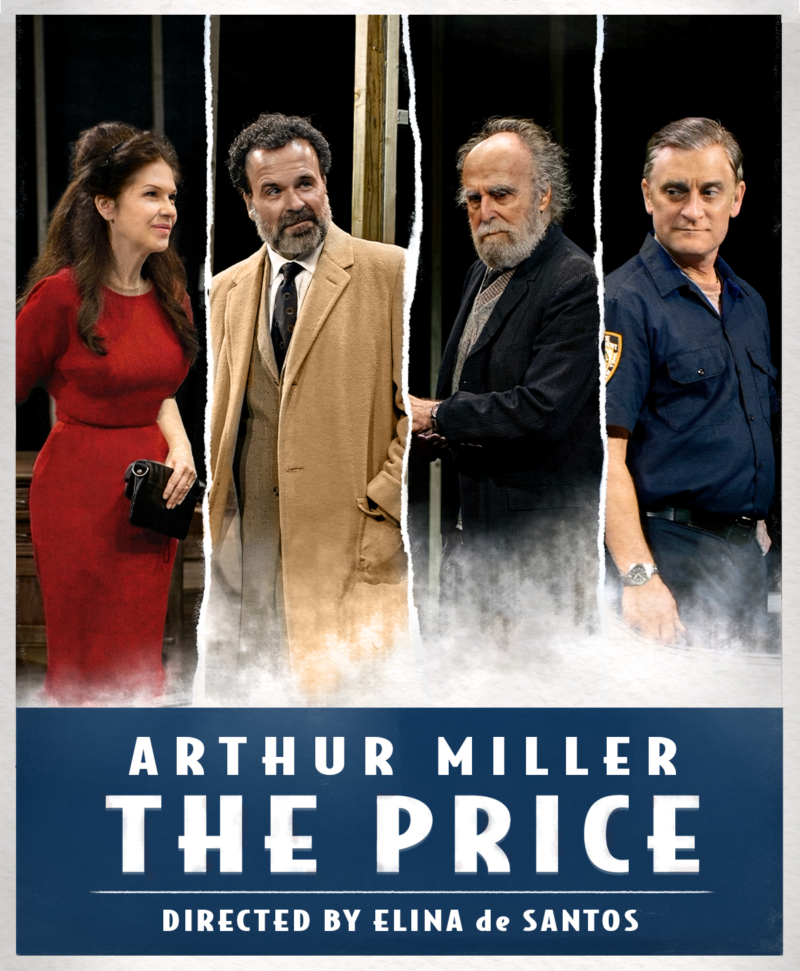
Which brings her to The Price. Miller’s 1968 drama, in which two estranged brothers meet to sort through their late father’s furniture and find themselves sorting through something far more painful. It is not the most produced play in his canon. Fox thinks it has been somewhat overlooked, its point easy to miss. She knew its demands; she’d been in a production 22 years ago, and it’s been 10 years since The Mark Taper Forum staged it in 2015. So when veteran company member Richard Fancy suggested it, and she heard the cast read it, something in her clicked.
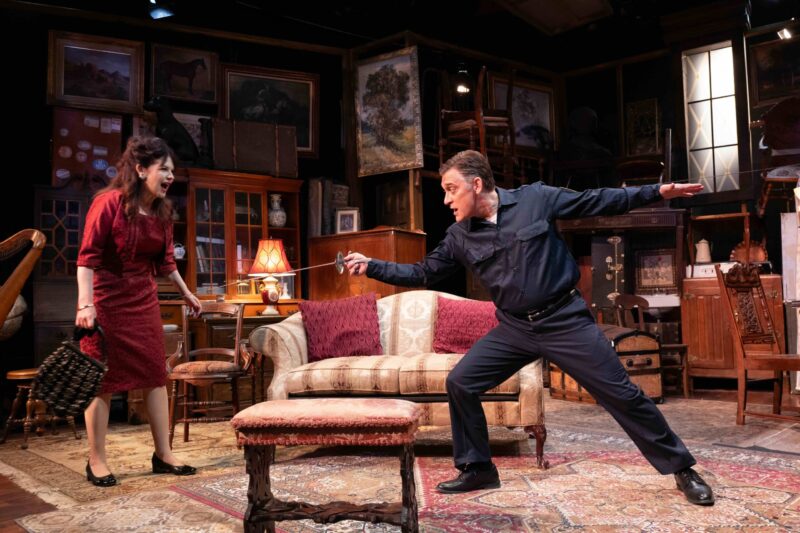
“It’s a difficult play” she says. At its core she believes the play is Miller’s examination of how a flawed, perhaps narcissistic father marks his children — and of how some, against all odds, can see through that damage to love the person beneath it. “It’s a study of empathy,” Fox says. “And I think that is deeply inside this ingenious writer’s soul. One reviewer called it like one of those Russian dolls that keeps opening.” The production, anchored by Fancy, has been extended through May 31st.
As for what comes next, Fox is looking at three comedies — she won’t say which — that she hopes have “wisdom and humanity, but are also exciting.” Whatever she chooses will be guided by the same instinct that has governed four decades of programming: find the play with something true in it, put it in the hands of people who’ve earned each other’s trust, and follow the music where it goes.
“No one can stop you from being an artist,” Campbell used to tell her on the bad days. “You can form a theater. You can find like minds. You can always continue.”
She took his advice. Forty years later, she’s still continuing.
Arthur Miller’s The Price plays at Pacific Resident Theatre, 703 Venice Blvd., Venice, through May 31st. For tickets: https://pacificresidenttheatre.org/