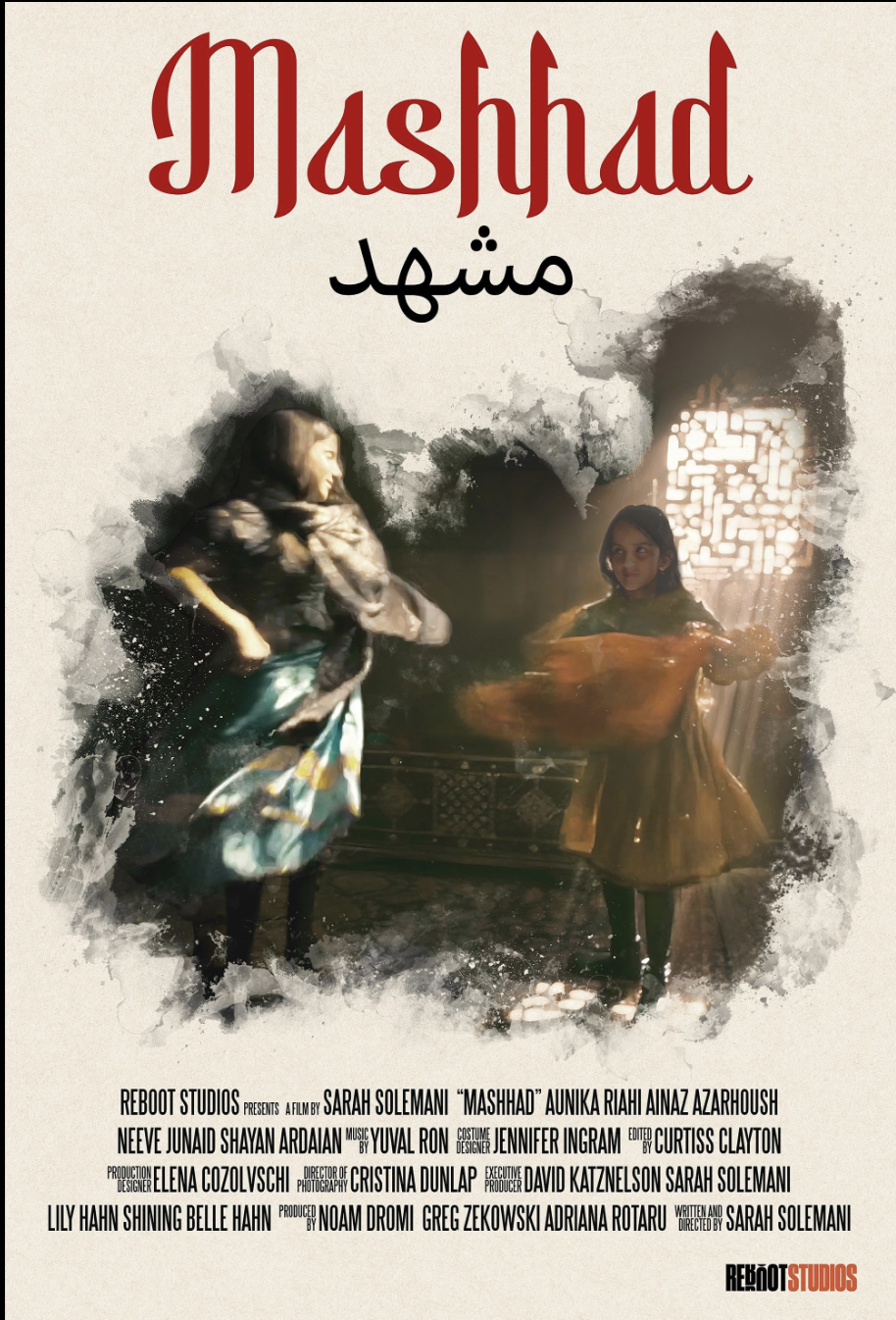
A short film that pivotally impacts the body as much as the mind, Mashhad, directed by Sarah Solemani, moves through the political realities of forced persecution, ghettos, and the looming threat of violence, yet remains centered around family and friends—creating a feeling of closeness even within volatility.
 This tension is not imagined—it is rooted in history. In 1839, in the city of Mashhad, a violent pogrom forced the entire Jewish community to convert to Islam under threat of death, an event known as the Allahdad. From that point forward, many lived outwardly as Muslims while secretly maintaining their Jewish identity, carrying their traditions in hidden ways across generations. Jews forced to convert were often referred to as Jadid al-Islam (“New Muslims”) in Persian territories, or Chala—“neither this nor that”—a reflection of a life lived between identities. In this way, many practiced a form of crypto-Judaism, appearing Muslim outwardly while quietly maintaining Jewish tradition.
 Bringing in the tradition of Shabbos, the lighting of the candles becomes melodic—grounded, peaceful, and warming, just like the candlelight itself—the bracha, the blessing that fills our heart, carried in lineage across time and challenge, uniting a people in proximity, in tradition, in familiarity, in a deep connection of the Jewish people. It is from this space that Miriam’s mother steps out into the night, into the rain, after lighting the candles—holding the sacred as she steps into danger.
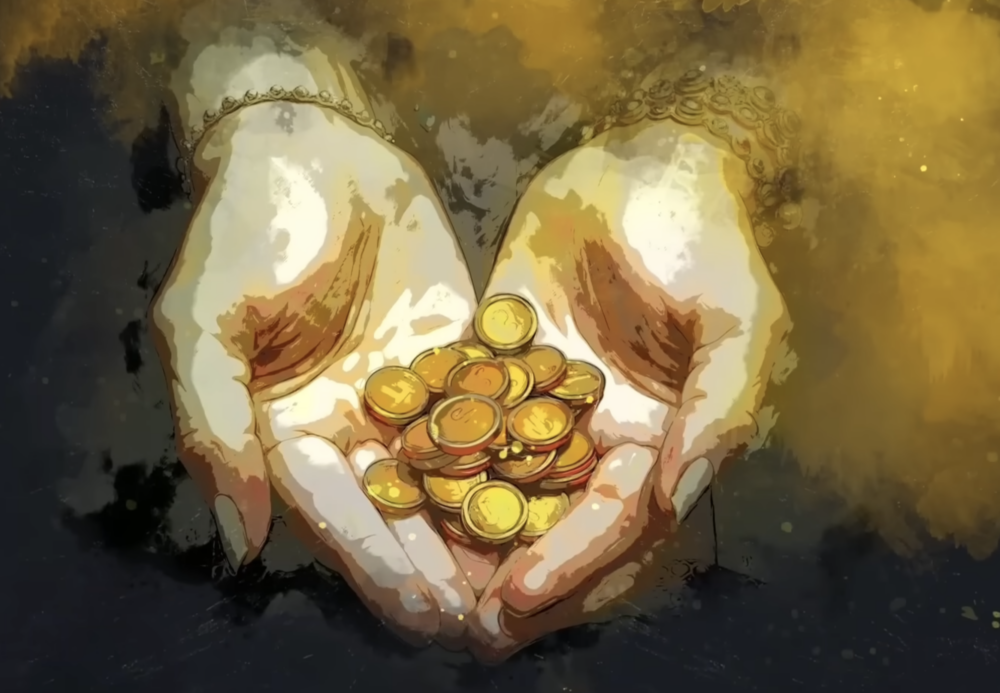 There is constant tension, and a quiet holding of identity and survival—shaped by hypervigilance, anxiety, and concern. We witness this in the smallest moments—the coins placed in water, the layering of language—the sound of Persian, the call to prayer in Arabic, and moments of Hebrew—each carrying a different world, a different belonging. Even within the home, there is a sense that survival is shared—moving through extended family. Even childhood moments, like two girls sharing watermelon, hold an undercurrent of tension, as innocence exists alongside quiet threat.
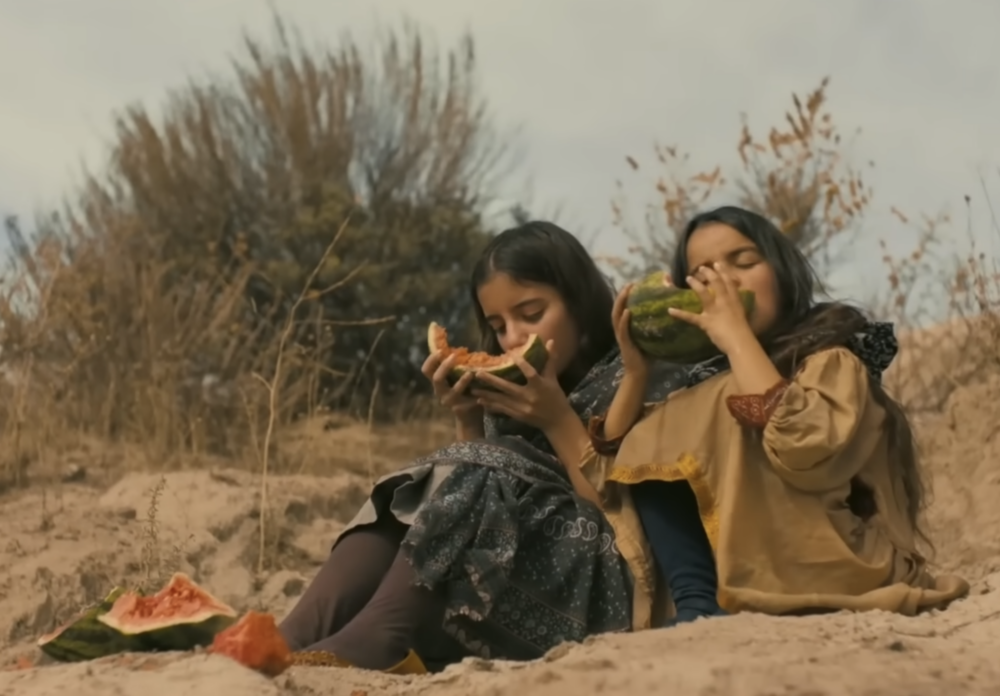 As Miriam goes missing, a mother moves through the rain—disregarding the order placed on Jews to remain inside—driven by love that overrides everything else. When she finds her daughter dancing, absorbed in another family’s rhythm, there is a tension that stays—of identity, of belonging, of what continues to be held.
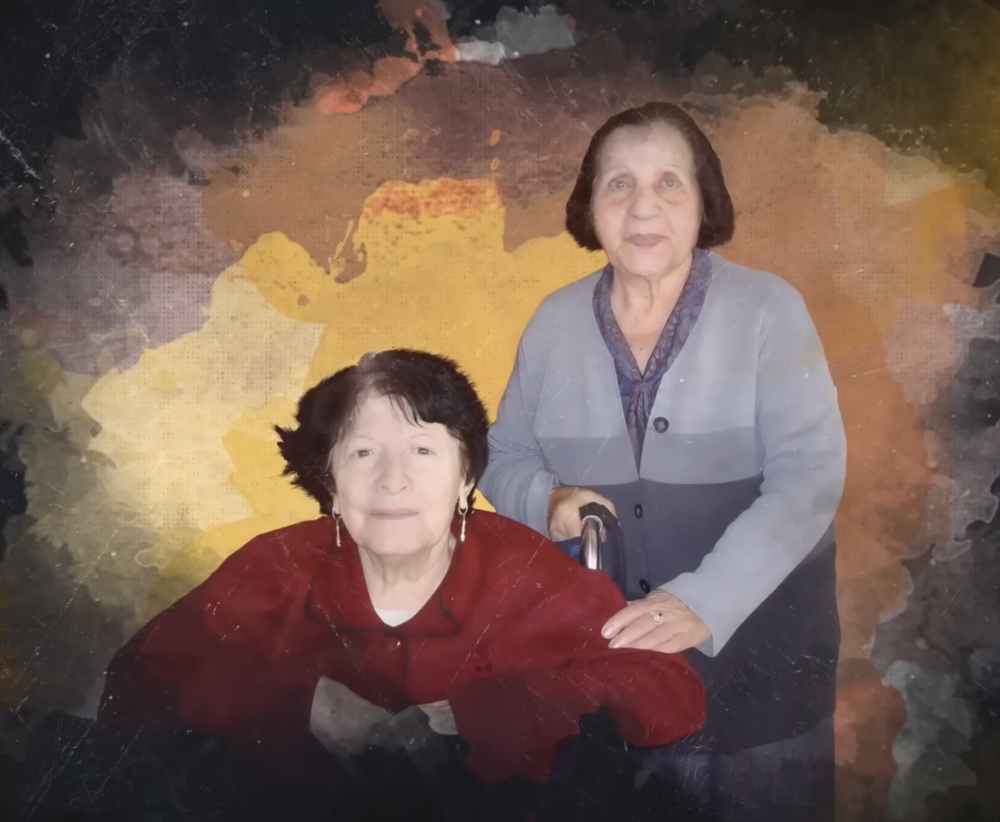
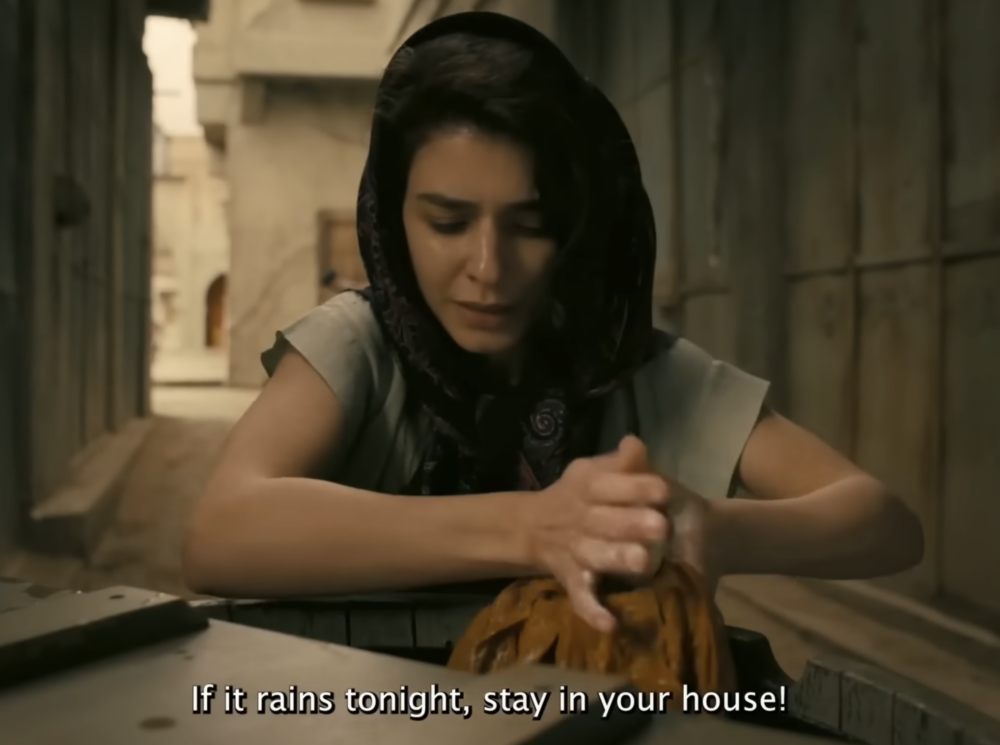 In this way, the film becomes a memoir—of family, of survival, of two grandmothers whose connection was always there from the start, even when it had to remain hidden.
There is something in this story that feels familiar. Early in my Navy years, I made a close friend named Roya, who spoke Farsi, and despite our different backgrounds, we shared the same ways of relating, the same respect, even the same foods. In the late 1980s, while we were stationed in the U.S., she was openly harassed—called names that reduced her to something she was not. I have experienced antisemitism as well, though differently. And yet, between us, we were on the same team—there was an ease, a closeness, an understanding that existed beyond how others saw us. Watching this film, I felt that complexity—that in another place, in another time, we may not have found each other in the same way, and yet, in our lives, we did.
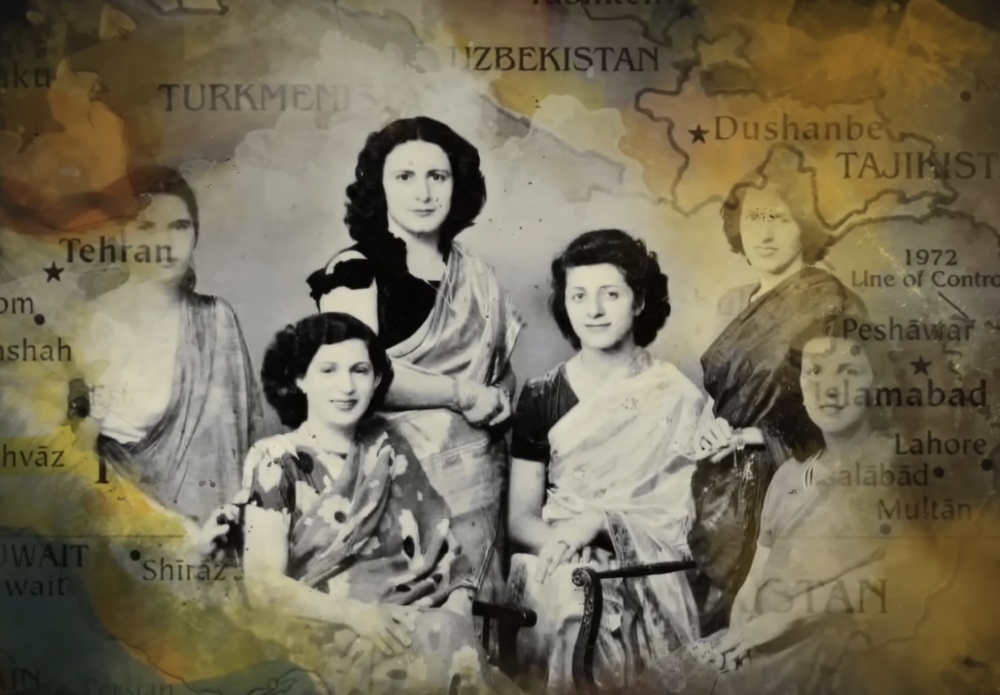 And in the end, as Miriam’s life stretches across places and years, leading her to Israel, where she reunites with her childhood friend, a feeling rises—of goosebumps, of love full and whole. Even in worlds that divide people, a real connection can last across time, place, and circumstance. What was held in pieces, in secrecy and tension, continued to live—carried forward across time and place.
The film is currently available on ChaiFlicks. https://www.chaiflicks.com/