Listen to my full conversation with Radha Mitchell below:
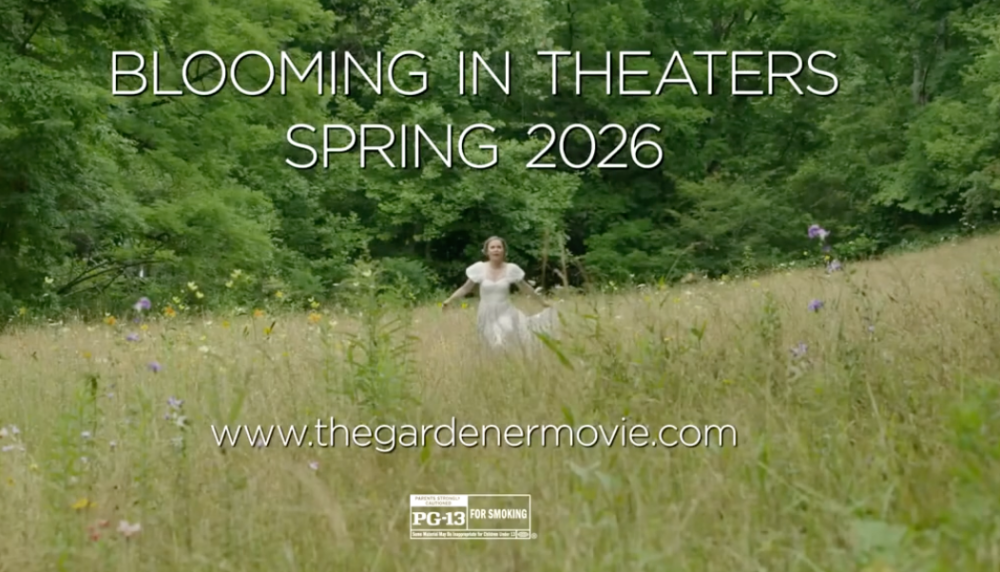
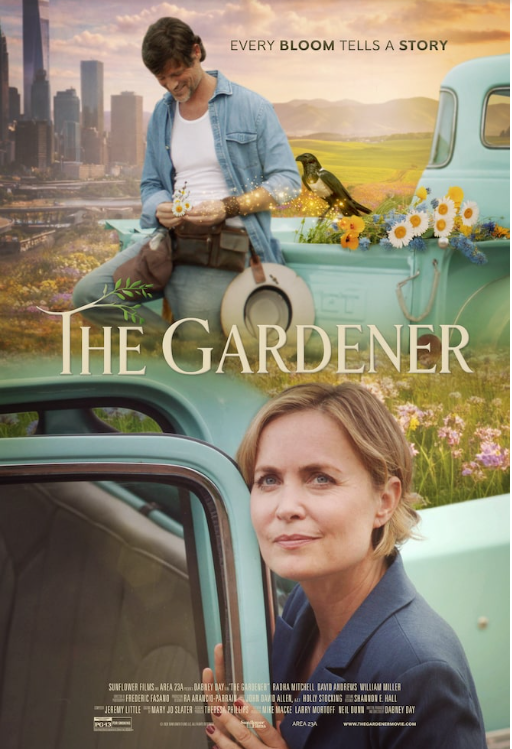
“The Gardener,” a new drama starring Radha Mitchell, will open in theaters nationwide beginning April 17. A film that moves quietly and leaves a lasting impression, The Gardener unfolds less as something to watch and more as something to experience. It opens into expansive nature—fields, water, movement—and a voice that carries with it a sense of time. A time to grow, a time to dance, a time to mourn. There is a season for everything. The tone is immediate and felt. The Gardener unfolds as the audience is part of the experience. The film held a steady presence—drawing me in gradually, without urgency, and keeping me there through tone, rhythm, and feeling.

At the center is Sabena, a woman shaped by legacy—one that extends beyond her own making. What appears at first to be control, precision, and success begins to reveal itself as something inherited, patterned across generations. The life she inhabits is not only hers—it is built from those who came before her, reinforced by systems, expectations, and the people who have long surrounded her.

In conversation, Radha Mitchell describes the film as something that “gets into you… a little gem with a message,” adding that it “operates depending on how and if you need to hear it.” That sense of quiet absorption mirrors Sabena’s journey—one that does not announce itself and evolves in layers.

Filmed partially in a rural cabin on a property that provides sanctuary, Mitchell immersed herself fully in the experience, describing a process of “cutting everything else off” and living within the character’s world. “There’s nothing like being outside, in nature—it recalibrates you.” That isolation becomes part of the film’s language, where nature is not simply a backdrop but an active participant in Sabena’s transformation. “I’ve taken time out myself—after my dad passed away, I stayed in his cabin. You can get lost in a space like that, but it’s also a luxury to have time to feel.”
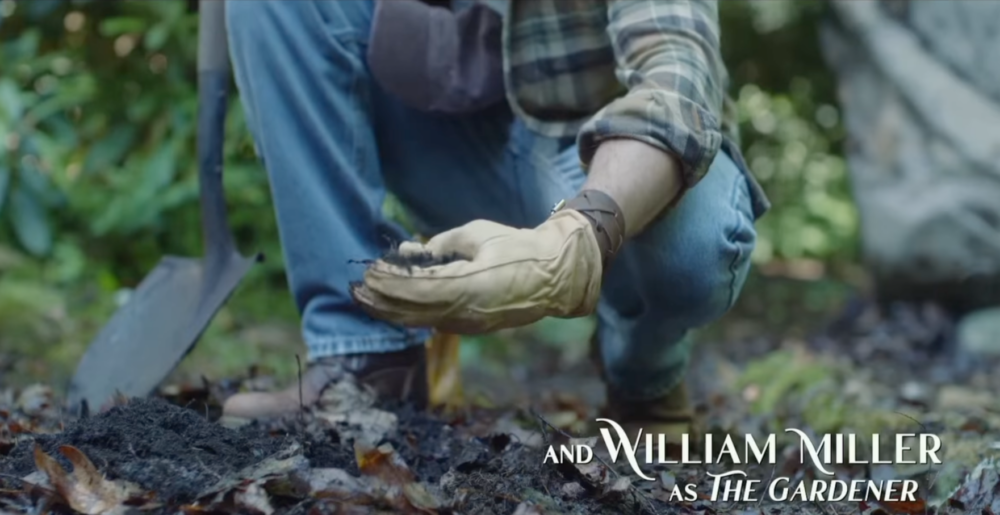
There is an ambiguity throughout the film, particularly in the presence of Walter (William Miller), one that resists a singular interpretation. As Mitchell reflects, “Those scenes could also function as internal dialogue… it became about one’s relationship with oneself.” In this way, what appears external begins to turn inward, suggesting that the guidance Sabena seeks may have always existed within her.
Grief lingers just beneath the surface. Not as a singular event, but as something carried—subtle, persistent, and influential in perception. Mitchell describes it as “the melancholy of something that’s gone but still there,” a presence that informs Sabena’s emotional landscape without ever fully defining it. “I sort of cut everything else off while we were shooting. We were in the forest, staying in separate cabins. We were off the grid—just living inside the experience, but I’ve always been in and out of the grid. My dad basically lives off-grid, so it felt natural.”
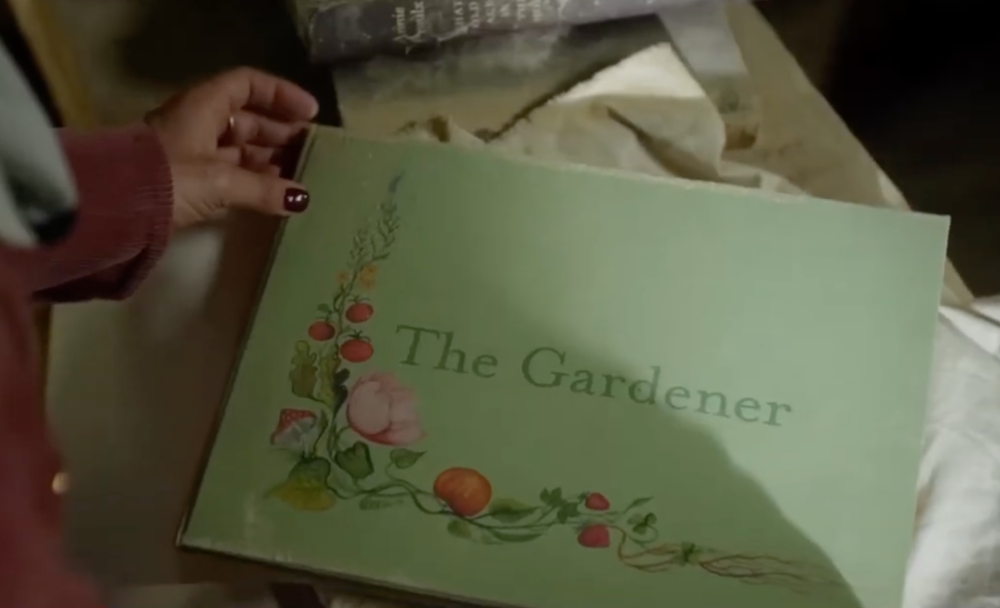
Throughout the film, moments of contrast emerge—most notably in the tension between what appears to be ending and what, in fact, is beginning. For instance, a plant perceived as dying is revealed as blooming. The distinction remains in perspective and loyalty—about where one stands in relation to change.

Sabena’s transformation is not linear. She returns, at times, to control—seeking structure, certainty, and familiar patterns. But gradually, something softens. The need to impose begins to give way to something more organic, endearing, compassionate, and genuine.
By the film’s end, success is no longer defined by achievement or continuity, but by a less tangible—and far more human existence. “She’s experienced something else… and until you step outside one way of living, it’s hard to imagine another.”
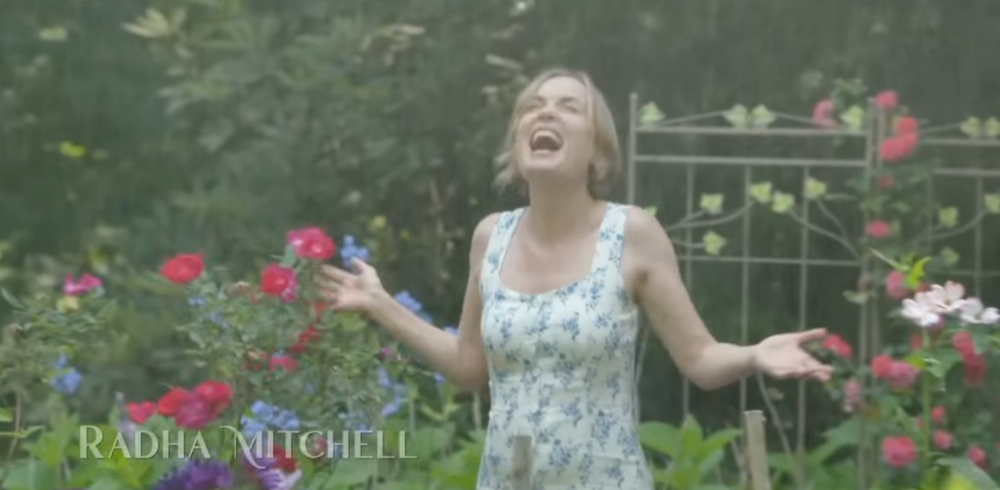
The Gardener lingers—inviting reflection rather than conclusion. Like the garden itself, it resists rigid structure, allowing meaning to grow in its own time. Radha reflects “I was in Melbourne, walking every day in the botanical gardens, and I remember saying—it would be great to make a film about gardening, about people coming together and healing. And then a week later, this script arrived in my inbox.”
And perhaps that is its most enduring message: that what appears to be an ending may, in fact, be the beginning of something else entirely—something quieter, more personal, and finally, one’s own. “Later, I realized there were lines in the script that stayed with me. Both of us have since lost our parents, and in a way, the film may have prepared us for what was coming.” What Sabena begins to experience is not a departure from her life, but a different relationship to it. Identity becomes something lived rather than maintained. Legacy becomes something carried, not held onto. What Sabena ultimately confronts extends into identity itself. Where does she begin, and where do those before her end? What is inherited, and what is chosen? Mitchell speaks to this directly: “In reframing legacy, the film offers something quieter and more enduring—it doesn’t have to be something physical… it can be wisdom… something you carry with you.”