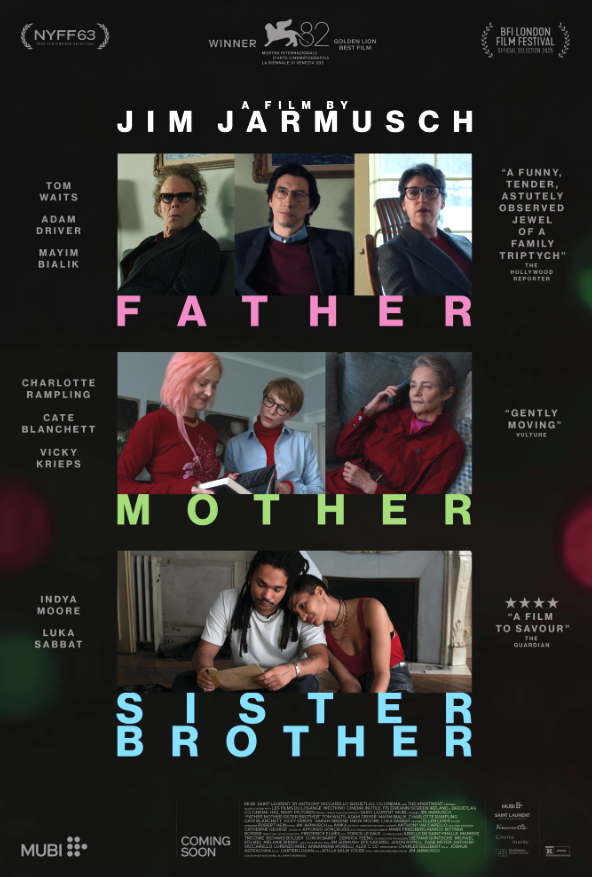
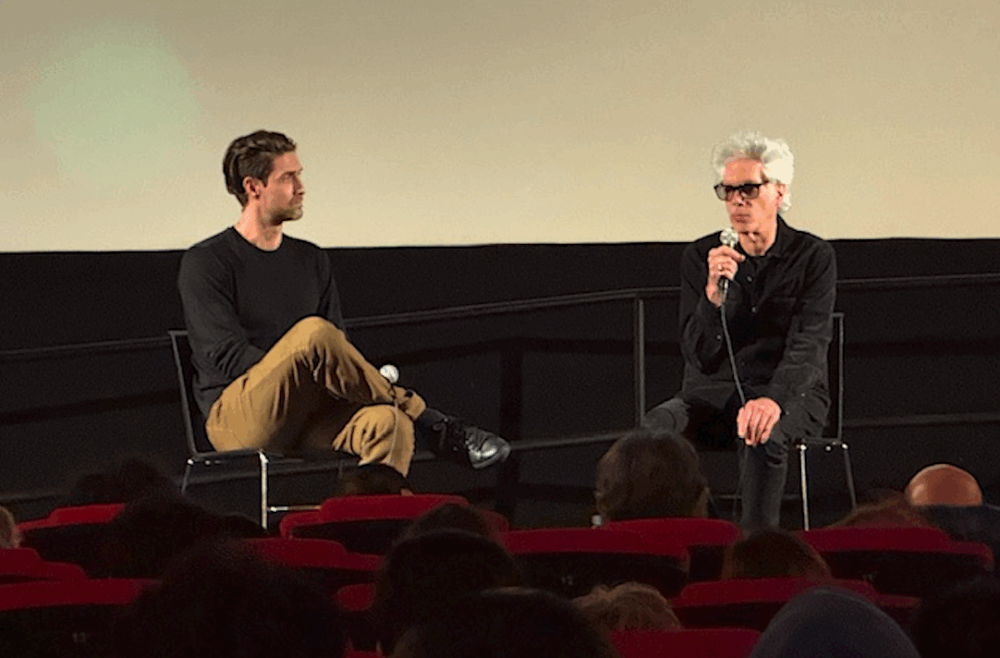
On Friday, December 19, at the Landmark Nuart Theatre in West Los Angeles was a screening of Jim Jarmusch’s latest film Father Mother Sister Brother, which recently garnered the Golden Lion Award at this year’s Venice International Film Festival. After an appearance at the AFI FEST in October, the film arrives in U.S. theatres on the week of December 24; Jim Jarmusch was present at the Nuart screening for an insightful Q&A. Legendary indie auteur Jim Jarmusch’s newest work is a wry gem about the timeworn drift of familial intimacy. In this collection of three quietly humorous stories, families struggle to bridge or avoid the distance that has grown between them. Starring Tom Waits, Adam Driver, Cate Blanchett, Vicky Krieps and Charlotte Rampling, each episode concerns a different family in a different country – one in New Jersey, the others in Dublin and Paris – but connected through thematic and visual motifs.
The awkward silences between the adult children and their aging but lively parents are wide enough to drive a tractor-trailer through, and in these moments of suppressed expression reside the failures of vulnerability. With guarded hush, the characters perform a ballet of emotional avoidance, slipping into falsehoods, half-truths and superficial niceties. Jarmusch finds the tension and the humor in these lacunae, as his characters attempt to hide themselves but can’t find the words for convincing cover. The final chapter turns many of these themes on their head and gives voice to the unspoken affinities animating family dynamics, in which enduring love and total comprehension need not be one and the same.
Jim Jarmusch has made anthology films before: Mystery Train (1989), Night on Earth (1991), Coffee and Cigarettes (2003). In fact, he could claim to be the pre-eminent specialist in this now very unfashionable movie form. But with his new one, a deeply pleasing and gently quietist triptych on the subject of family, he is giving us something new and personal.
It’s the sense of mortality and the gathering cloud of darkness over our heads as we enter middle age, a perpetual nagging worry about the health and happiness of our elderly parents, with the guilt and sadness of not going to see them, or seeing them only rarely, and the related feeling of closeness – or perhaps the opposite – with your siblings for whom these parents are the number one topic of conversation. Then there’s the feeling of relief mixed with dissatisfaction and unease on the long car journey home.
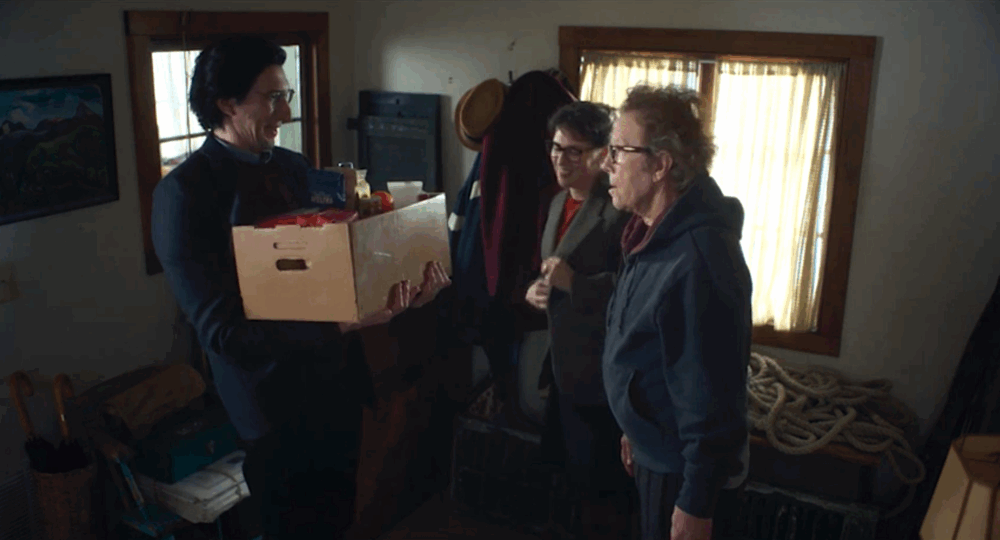
Father Mother Sister Brother is a masterclass in restraint, a film that whispers instead of shouts and trusts you to lean in close. At a brisk, confident pace, it unfolds with an elegance rarely seen, with no clunky exposition. As Jarmusch explained at the Q&A after the Nuart screening, conversations are minimal and so much is seen in eye contact and awkward silences amid the self-enforced ritual: Most of the meaning is hidden beneath the surface.
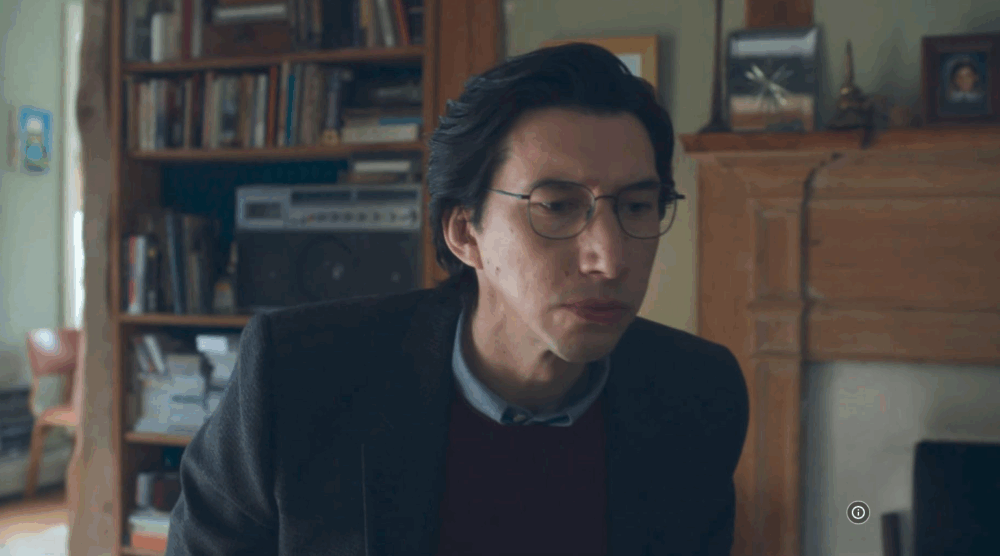
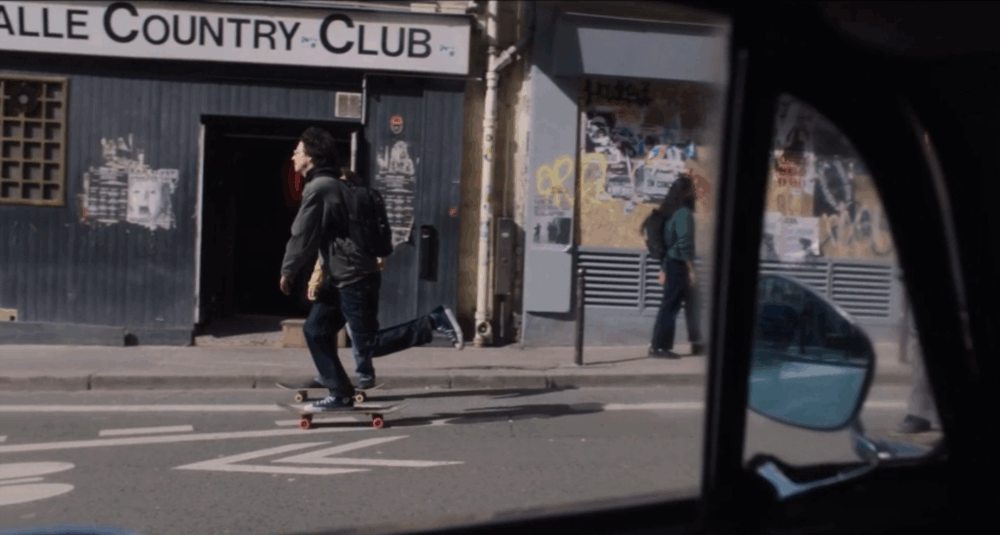
Across its three stories, recurring props and motifs – a line of dialogue here, a framed shot there, even the oddly hypnotic presence of slow-motion skateboarders – create invisible threads, subtly binding the narratives in ways you only notice after the fact. In each tale, two siblings reunite facing unresolved tensions with their distant parents. One truth quietly reverberates: these characters don’t really know their parents, and their present situation feels like a blur. Jarmusch has always been fascinated by rhythm, and he describes the film a musical work in three movements. Like chamber music: themes repeat, refract, and return, the film’s quiet comedy and melancholy constantly echoing back on itself.
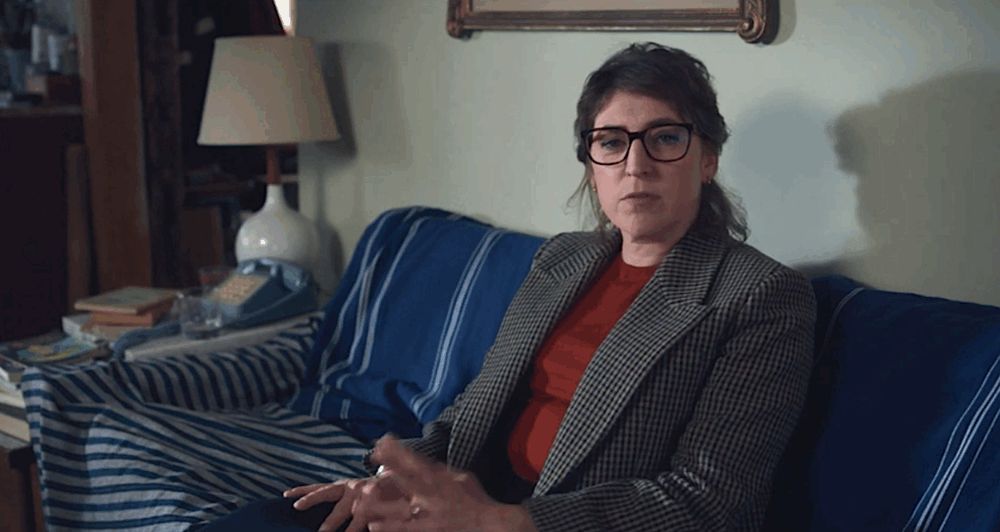
Jim Jarmusch makes this hollowness palpable; he lets you sit in the void, in the awkward silences, the fumbled gestures, the paper-thin rituals stretched like wallpaper over a collapsing wall. Jarmusch repeats many of the little sight or verbal gags he dropped earlier on (Rolex watches, references to “Nowheresville”). Yet even though there is more warmth of connection here, the spirit of melancholy persists.
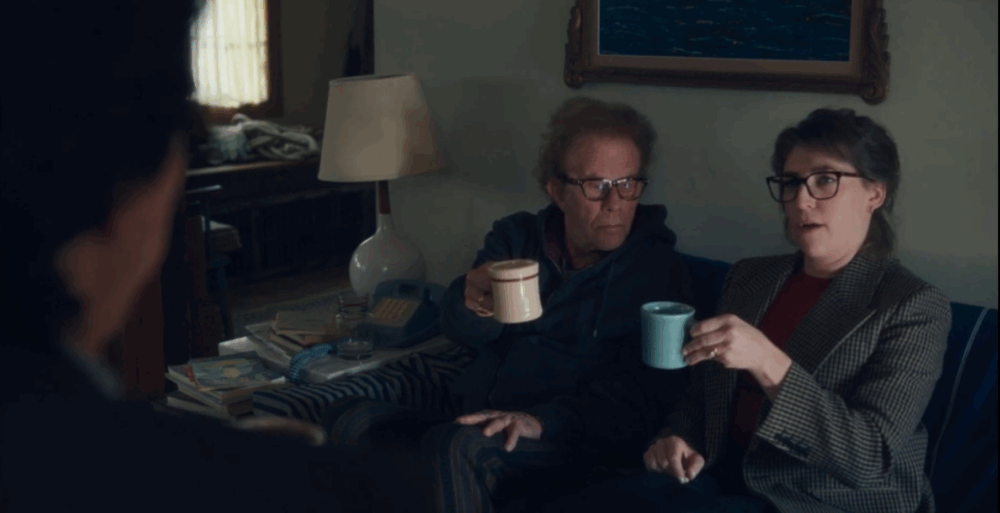
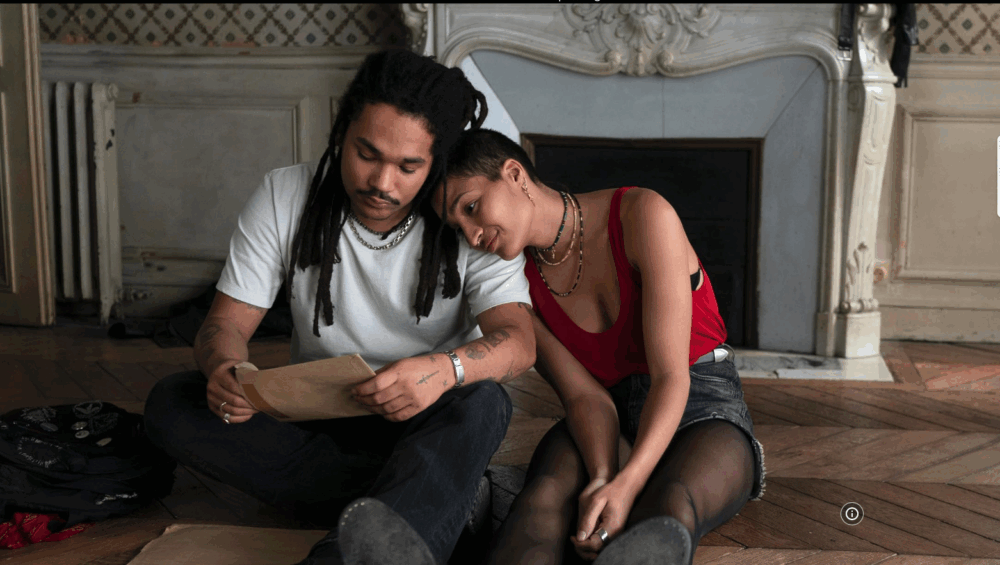
In “Father,” Jeff (Adam Driver) and Emily (Mayim Biyalik) journey to the remote New Jersey home of their estranged dad (Tom Waits). In the second segment, “Mother,” Timothea (Cate Blanchett) and Lilith (Vicky Krieps) head to afternoon tea with their Irish author mom (Charlotte Rampling). In the final section, “Sister Brother,” Skye (Indya Moore) and Billy (Luka Sabbat), the two grown children of a recently deceased couple who we glimpse in photos, visit the Paris apartment they were raised in to close out their father and mother’s affairs.
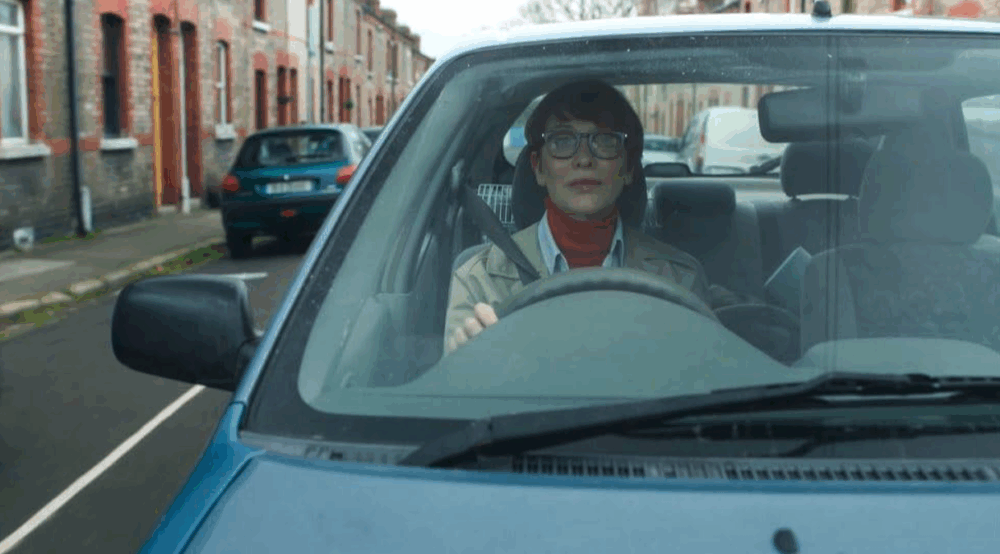
Each of the segments opens similarly, with the two siblings in a car driving to their parents’ respective homes; in “Mother,” though, Timothea and Lilith are in separate vehicles, the former dealing with engine breakdown, the latter riding with her girlfriend, Jeanette (Sarah Greene), who she passes off as her Uber driver. Most of these introductory scenes are shot with glaringly obvious rear projection. The aesthetic falseness makes the conversations between characters feel like they’re occurring in a self-delusional bubble, which is apt considering that one of the film’s overarching themes is the ultimate unknowability of the people who birthed you.
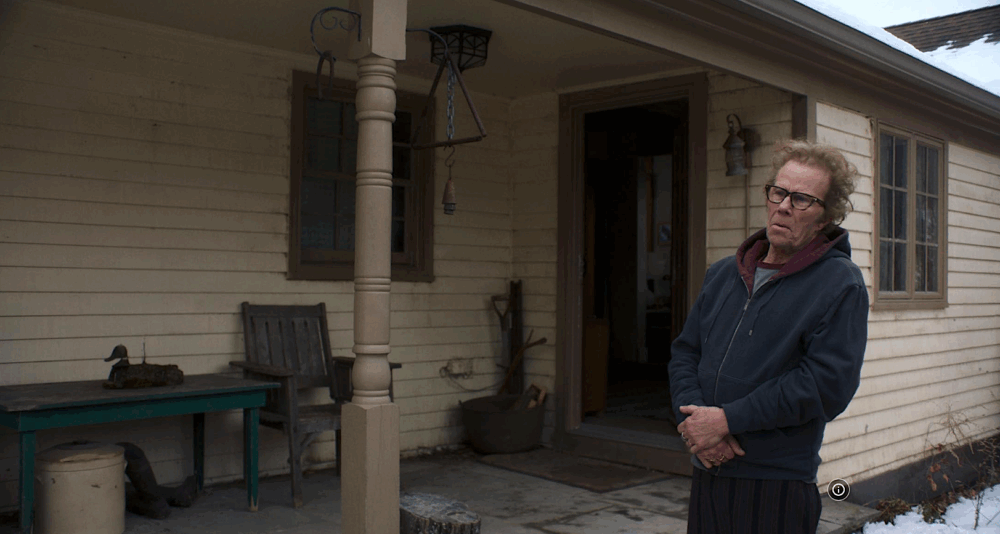
The movie is divided into three (apparently) unrelated panels of drama, events taking place in parallel in three different parts of the world: rural US, Dublin and Paris, and with images and gestures that fortuitously echo each other. In the first, Mayim Bialik (known for her role as Amy Farrah Fowler inThe Big Bang Theory) and Adam Driver play siblings Emily and Jeff, making the arduous trip out into the countryside in New England to see their ageing dad, played by Tom Waits. His place seems chaotic and on the verge of poverty, an instant source of worry to them both, and Jeff also reproaches himself with having given his dad money over the years. And yet in the course of their awkward visit, they are disconcerted to notice what appears to be a genuine Rolex on the old guy’s wrist and there is evidence that their father is slyly faking his elderly disarray for opaque reasons of his own.
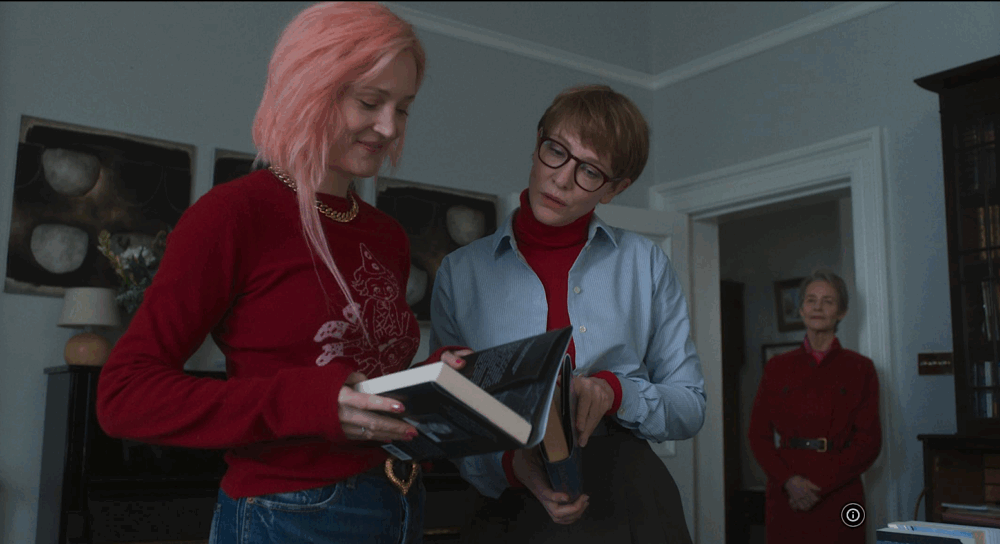
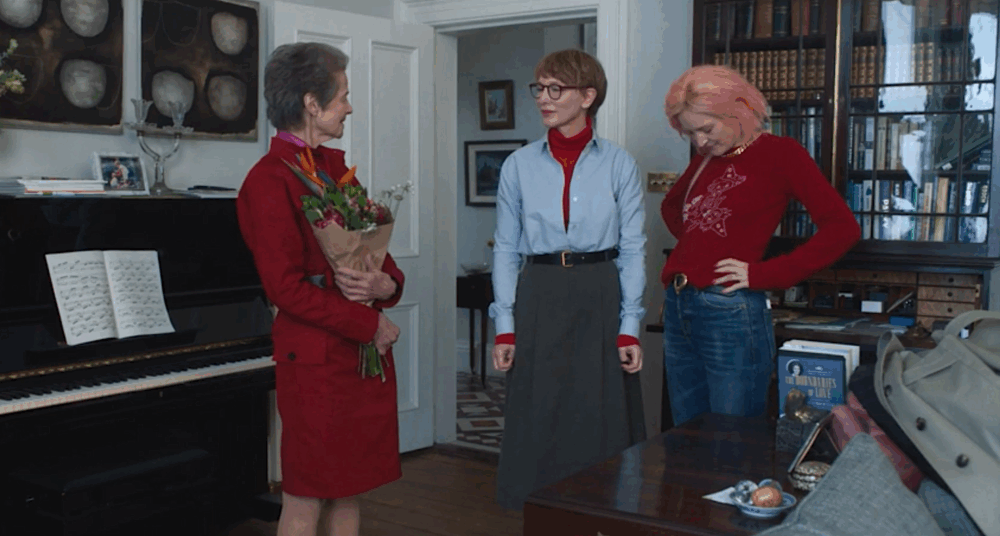
Meanwhile, in Dublin, Charlotte Rampling plays a characteristically self-possessed and self-assured woman who is welcoming her two grownup daughters for their annual visit for tea. She is entirely content to make these visits a rarity. They are the trendy Timothea (Vicky Krieps) with pink hair, and the more staid and uptight Lilith, played, a little stagily, by Cate Blanchett, with glasses and sensible shoes. Tim arranges for her lesbian partner to drop her off as Charlotte’s tidy house as if to foster the illusion that she is still dating men, while Lilith’s tired car can barely make to the house due to engine problems. Both daughters try to impress their generally disinterested mother of their current real or fictious successes. Tim is sporting a Rolex watch and claims that her new BMW is in the shop for repairs. Lilith reveals that she has been given a prominent post on the Architectural Heritage Council.
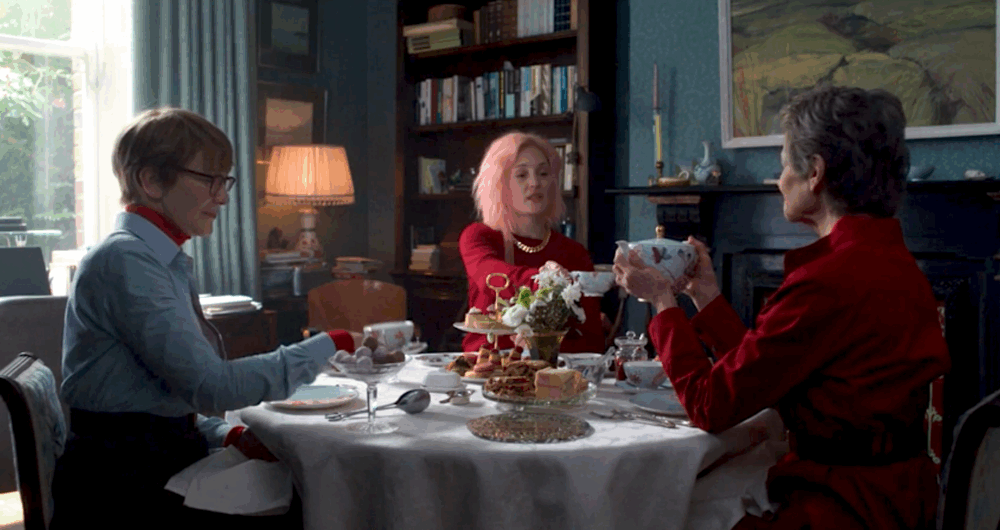
Blanchett opts to copy Rampling’s poise and posture as an actress. Meanwhile, Lilith seems like an outsider when beside them. Lilith is like the reckless free bird who does not want to be living the posh life bestowed upon her by her mother. These differences are still a talking point between them, which leads to further discussions on the wounds of “imperfection.” One daughter seeks to imitate, while the other resists. Within the two opposing gestures of love lies the same desire. They want to be understood by the woman who taught them how to see the world.
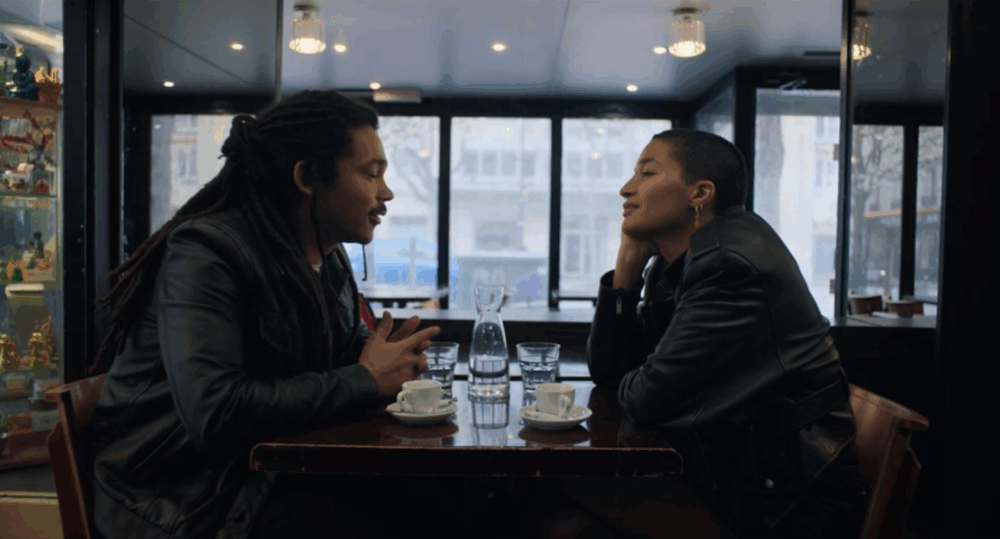
And finally, in Paris, siblings Skye and Billy – non-identical twins, in fact – are played by Indya Moore and Luka Sabbat; their parents have just died, apparently piloting a light aircraft in the Azores, a deadpan-jokey demise that the actors carry off with complete real-world seriousness. They pay a final visit to their late mum and dad’s Paris apartment, and chat to the housekeeper, played by iconic French veteran Françoise Lebrun. And they make a trip out to a storage depot and gaze at their parents’ belongings, crammed into a lockup. This was the material of their parents’ lives, and Skye and Billy have already wonderingly gone through old photos and marriage and birth certificates. It all seems like evidence of something. But what?
The movie returns us to an age-old question: who are or were our parents? Did they have real existences before we were born that we will never understand? And are our own existences destined to be effaced and rendered irrelevant or taboo by our own children? For me, the first and third sections are the most naturalistically convincing as portraits of real life, the second is more theatrical, although the weird, slyly comic echoes of each other in each of the sections undermine or at least complicate this reality effect. You might sit through this film waiting for a crisis or a confrontation: some explosion of temper or passionate demand for honesty. None will arrive. Basically, there is a contentment and calm here, an acceptance and a Zen simplicity that is a cleansing of the moviegoing palate, or perhaps the fiction-consuming palate in general. It is a film to savor.
The shaggily comic first segment is centered around the befuddled interactions between the father and his offspring, building to an O. Henry-like twist that reframes everything we’ve seen prior. The second keeps us at a distance from the polar-opposite sisters and their icy matriarch, the trios very precisely picked wardrobes and obviously studied behavior helping to render them as mysterious at the end as they are at the beginning. And the third is extremely warm and wistful with a lingering hint of bittersweetness, since the unspoken notion—of both the vignette and the film at large – is that we often feel more fondly for our blood relatives after they’re gone. More than any other Jarmusch film, Father Mother Sister Brother is haunted by mortality and the inevitable passage of time.